

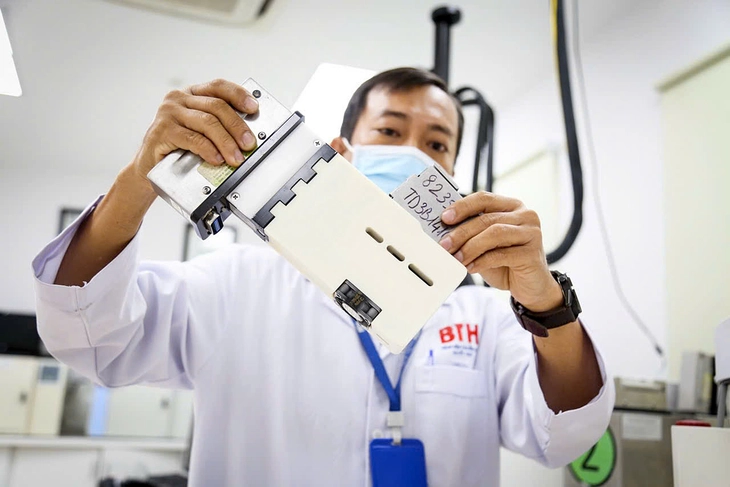
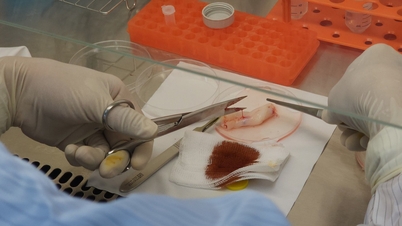
Medical staff prepare to store umbilical cord blood stem cell samples using an automated storage system at the Ho Chi Minh City Blood Transfusion and Hematology Hospital - Photo: PHUONG QUYEN
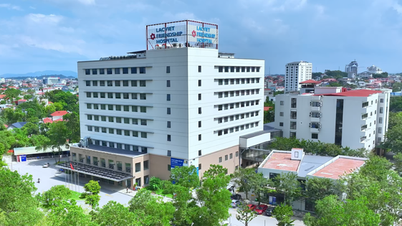
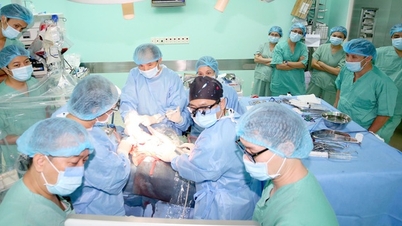
The Ho Chi Minh City Blood Transfusion and Hematology Hospital is a pioneer in stem cell transplantation in Vietnam, having performed it since 1995. To date, after 30 years, the hospital has performed 700 cases.
Stem cell transplantation opens up the possibility of curing serious diseases.
In 1995, the Ho Chi Minh City Blood Transfusion and Hematology Hospital performed the first hematopoietic stem cell transplant in Vietnam on a 21-year-old male with acute myeloid leukemia, receiving stem cells donated by his older brother.
Despite the limited facilities at the time, this first stem cell transplant was successful. After the transplant, the young man recovered, got married, had two children, and has lived a healthy life to this day.
Speaking to Tuổi Trẻ newspaper, Dr. Phù Chí Dũng, director of the Ho Chi Minh City Blood Transfusion and Hematology Hospital, said that in the mid-20th century, medical science did not yet fully understand the role, origin, and differentiation mechanism of hematopoietic stem cells. Thanks to advances in immunology, molecular biology, and genetics, scientists have identified bone marrow as the primary source for producing blood cell lines.
The hospital's stem cell transplantation department, established in 1995, was a pioneer in performing this technique in Vietnam. In the early days, transplantation faced many difficulties such as a lack of suitable donors, limited facilities, and a high risk of infection…
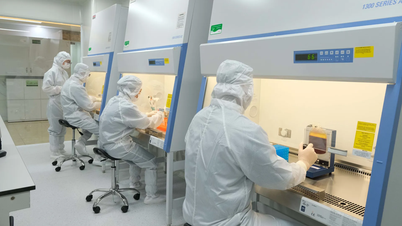
To address this, the hospital established a stem cell bank using umbilical cord blood and collaborated internationally to find suitable donors. To date, the facilities have been upgraded to be more modern, including a positive pressure air filtration system to help control infection.
To date, the hospital's stem cell department operates according to international standards, implementing various transplantation techniques including: autologous hematopoietic stem cell transplantation, allogeneic transplantation, semi-matched transplantation, and allogeneic transplantation with donors from Taiwan.
"Stem cell transplantation was once considered unthinkable, but thanks to remarkable advances in medicine, biotechnology, and treatment management, it has become a life-saving method for hundreds of thousands of patients every year," Dr. Dung shared.
Encouraging investment in future "biological insurance"
According to Dr. Dung, stem cell transplantation is an advanced treatment method that plays a crucial role in malignant blood diseases and genetic disorders. This technique provides a source of healthy cells to replace diseased cells, helping to eliminate cancerous cells, regenerate the hematopoietic system, and restore immune function.
For many genetic blood disorders such as thalassemia, sickle cell anemia, or congenital immune disorders, stem cell transplantation not only improves quality of life but may also be the only method offering a chance of complete cure.
The stem cell bank at the Ho Chi Minh City Blood Transfusion and Hematology Hospital currently stores nearly 10,000 units of umbilical cord blood stem cells and 1,150 units of peripheral blood stem cells. This is the first stem cell bank in the country to serve medical examination and treatment.
Doctors at the Ho Chi Minh City Blood Transfusion and Hematology Hospital said that the current application of stem cells in treatment shows that stem cell storage is an increasingly common need. Specifically, storing umbilical cord blood stem cells is considered a form of health insurance for children and their families.
Storing stem cells from umbilical cord blood is a personal decision, but it offers many potential health benefits for children and families. With the ability to treat many serious diseases, umbilical cord stem cells are seen as a form of "biological insurance" for the future.
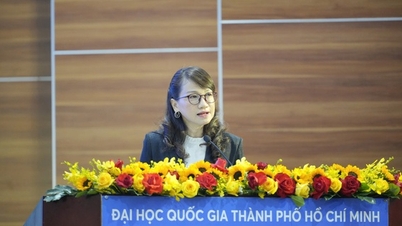
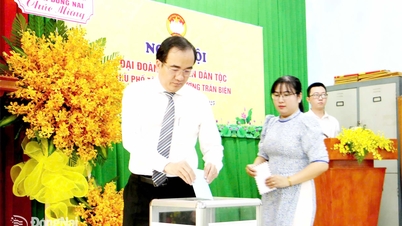
Deputy Minister of Health Tran Van Thuan stated that stem cell technology is a pioneering field in regenerative medicine and personalized medicine, capable of optimally exploiting stem cell resources from the body, creating new treatment solutions for diseases that currently lack effective treatments, especially degenerative diseases, cancer, and serious injuries.
The Ministry of Health encourages significant investment in cold storage facilities, specialized laboratories, and internationally standardized production systems to ensure the quality of stem cell products and facilitate integration into the global supply chain.
Simultaneously, the Ministry is strengthening international cooperation to absorb scientific advancements and transfer new technologies. It also requested that training centers develop high-quality human resources, promote patent registration and research applications, and contribute to enhancing Vietnam's position on the stem cell technology map.
Serving the treatment of patients with hematological diseases.
The Director of the Blood Transfusion and Hematology Hospital added that the stem cell bank is a place for collecting, processing, storing, and preserving stem cell units to serve treatment, public health care, and scientific research.
Here, umbilical cord blood and peripheral blood samples from patients or donors are processed and rigorously evaluated for quality before being stored, ensuring the quality of stem cell products for treating patients with hematological diseases.
Furthermore, the bank also plays a central role in training and instructing many units inside and outside the industry on techniques for collecting and preserving stem cells, contributing to building a high-quality and abundant source of stem cells to serve public health care.
Highlights in the journey of applying stem cell technology at the Ho Chi Minh City Blood Transfusion and Hematology Hospital:
* 1995: The first allogeneic bone marrow stem cell transplant in Vietnam.
* 1996: The first case of peripheral blood stem cell transplantation in Vietnam.
* 2002: The first case of allogeneic umbilical cord blood transplantation in Vietnam.
* 2013: The first case of heterozygous allogeneic stem cell transplantation in Vietnam.
* 2015: The first simultaneous peripheral blood stem cell allogeneic transplant in a neuroblastoma patient in Vietnam.
* 2017: The first unrelated peripheral blood stem cell transplant in Vietnam.
* 2021: The first stem cell transplant using whole-body radiation therapy in Vietnam.
Source: https://tuoitre.vn/tu-dieu-khong-tuong-den-ky-tich-ghep-te-bao-goc-cuu-song-hang-tram-nguoi-benh-hiem-ngheo-o-tp-hcm-2025091122334876.htm


































































Comment (0)