

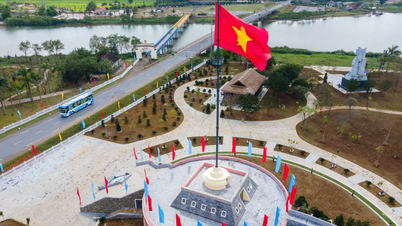
The Quang Trung Museum complex, spanning nearly 18 hectares, is located on the northern bank of the Con River, in Kien My village, Phu Phong town, Tay Son district, Binh Dinh province, 45km from Quy Nhon city. This is also the birthplace of the "Three Heroes of Tay Son" Nguyen Nhac, Nguyen Lu, and Nguyen Hue, and still preserves original elements such as the old house garden, ancient well, and a tamarind tree over 200 years old...
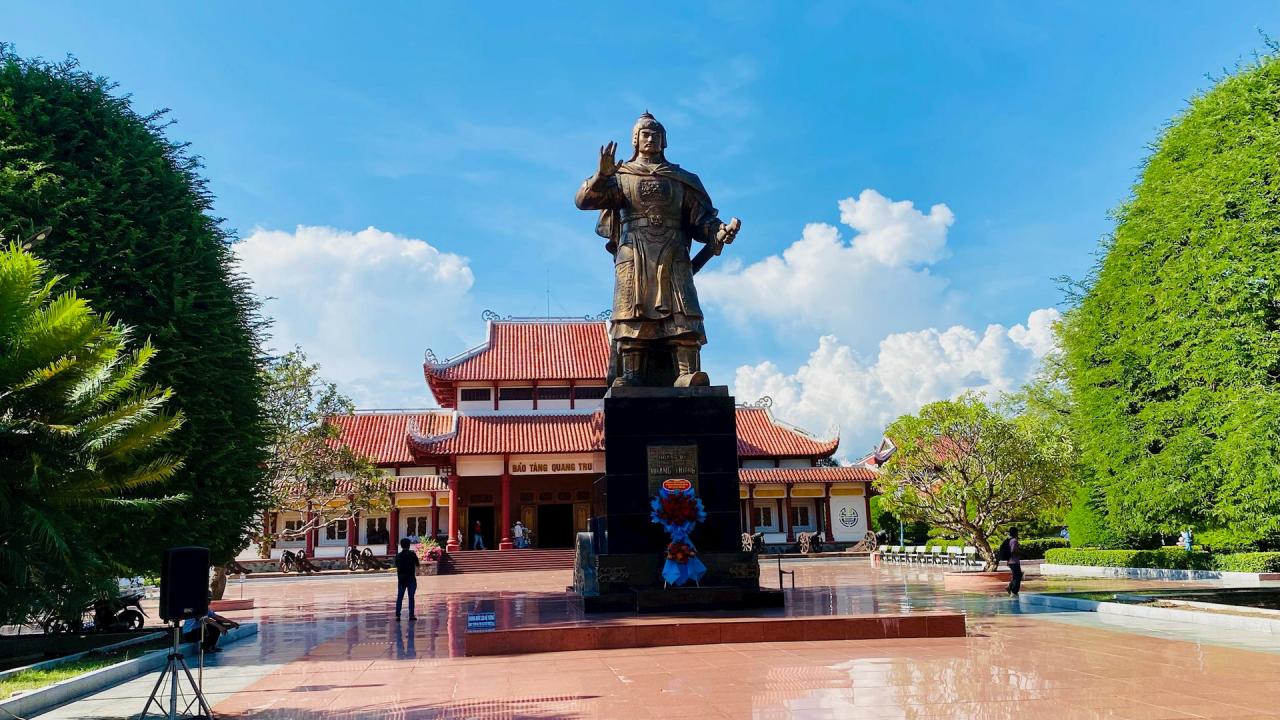
All these elements harmonize within the overall cultural space of the Tay Son Three Heroes Temple, the Quang Trung Emperor Monument, the Artifact Exhibition House, the Tay Son Martial Arts Performance House, and the communal house showcasing the culture of the Central Highlands ethnic groups.
The Quang Trung Museum complex was built and inaugurated on December 24, 1977, to commemorate and honor the great contributions of Emperor Quang Trung to the cause of national liberation.
Nguyen Hue, with his outstanding military talent and insightful strategic thinking, became one of the most brilliant generals in Vietnamese history. His glorious victory in the Battle of Ngoc Hoi - Dong Da in the year Ky Dau (1789) annihilated 290,000 Qing troops, firmly protecting the independence of Dai Viet from the threat of invasion.
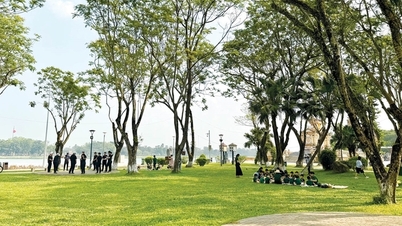
The museum complex is designed in traditional Vietnamese architecture with curved tiled roofs and sturdy wooden pillars, creating a space that is both ancient and sacred, harmoniously blending with the lush greenery and tranquil surroundings.
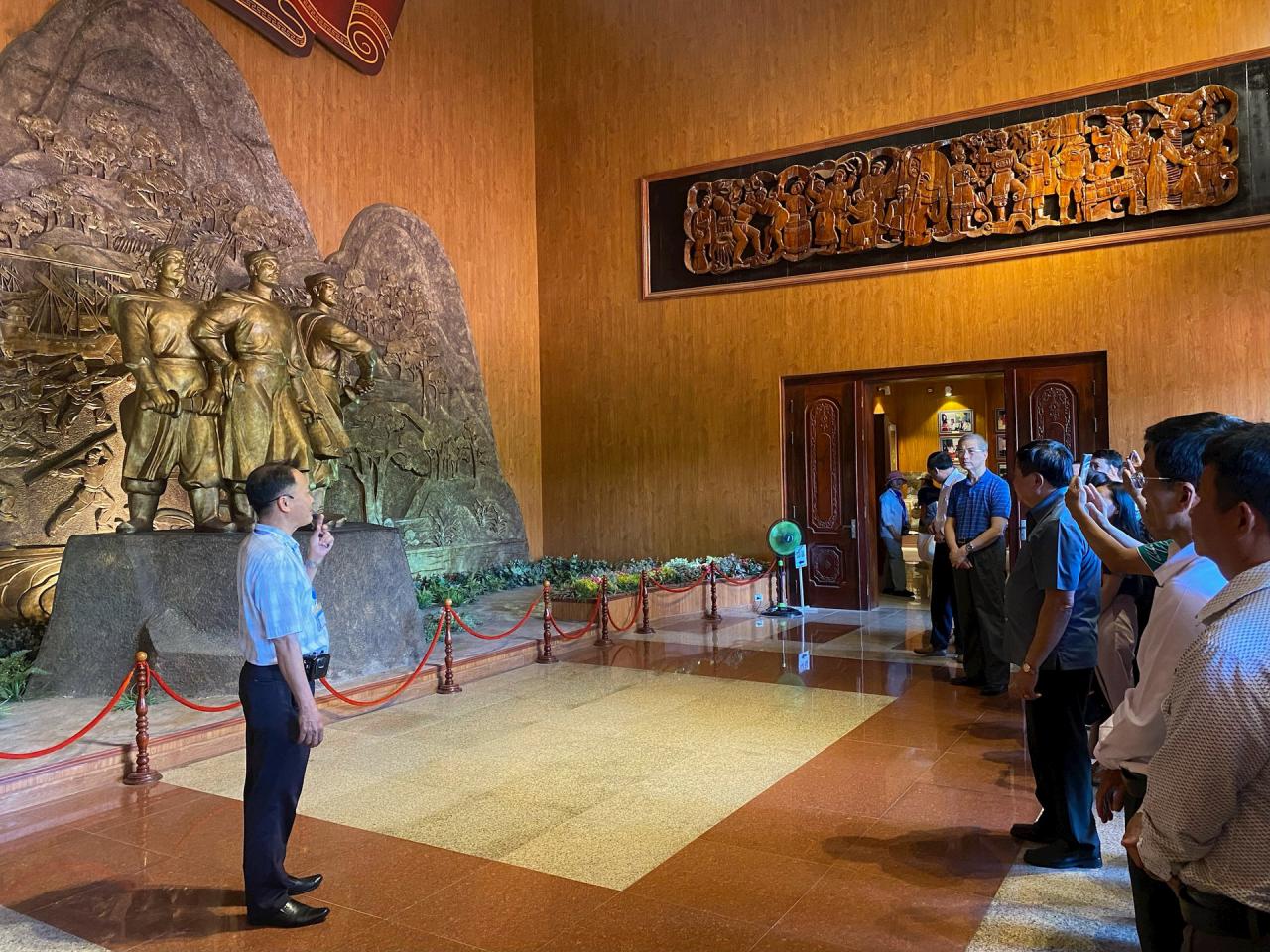
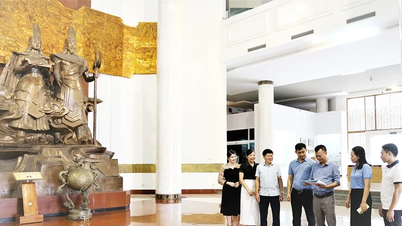
Inside the museum, the artifacts are displayed in a systematic manner, organized by theme and historical period, helping visitors to better understand the achievements and accomplishments of the Tay Son dynasty.
The exhibition system follows the historical progression of the Tay Son movement in the 18th century with themes including : the socio-historical context of Vietnam before the Tay Son rebellion; origins, homeland, and family; the preparation phase for the rebellion; resistance against the feudal forces of Le, Trinh, and Nguyen to unify the country; resistance against foreign invasion to protect national independence, focusing on the victory over the Siamese army and the decisive defeat of the Qing army; the nation-building efforts of the Tay Son dynasty; and King Quang Trung in the hearts of the Vietnamese people.
The main exhibition area includes many valuable artifacts such as swords, armor, Quang Trung's command flags, maps, military strategies, and documents related to his major battles.
In addition, the museum also has an area displaying artifacts about the daily life and culture of the people during the Tay Son period, helping to vividly recreate the life and spirit of the people during this historical period.
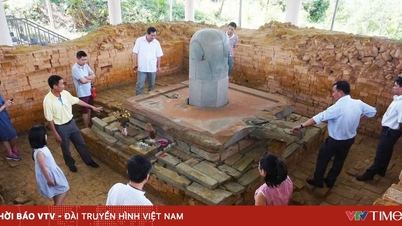
While visiting the museum, tourists can pay their respects to the heroes of the Tay Son Dynasty at the Tay Son Three Heroes National Special Historical Site, located right in the old garden of the Tay Son brothers' house, along with the temple dedicated to the parents of the Tay Son Three Heroes, with the old well and ancient tamarind tree still standing.
Here you can also find temples dedicated to famous generals such as Admiral Bui Thi Xuan and Grand Minister Vo Van Dung…
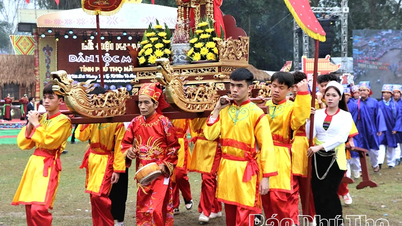
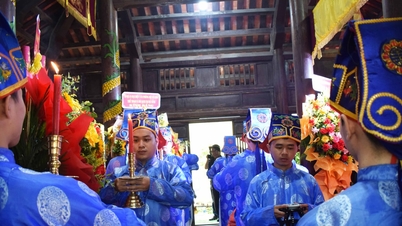
This temple complex is also the venue for festivals and ceremonies commemorating and honoring the heroes who dedicated themselves to the country. Every year during the Lunar New Year, this temple complex becomes the location of the Dong Da Festival - a traditional festival that attracts thousands of visitors from all over to participate, remember the historical victory, and honor the national spirit.
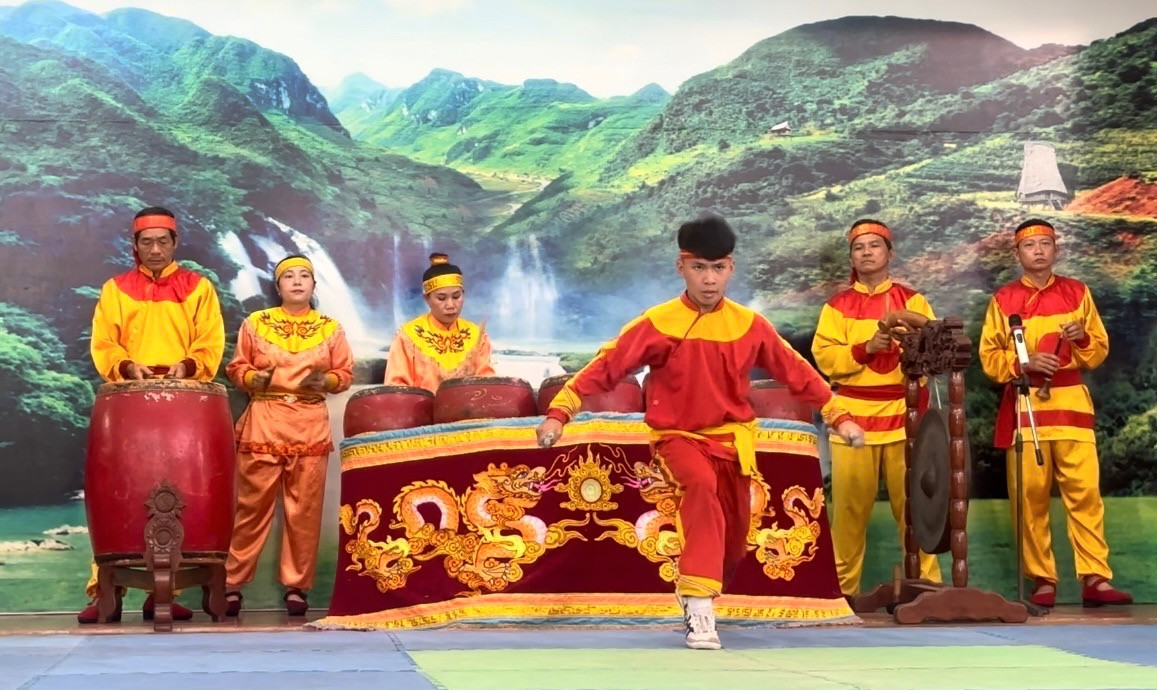
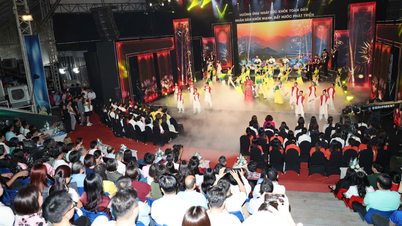
Visiting the museum and enjoying a performance of traditional Tay Son - Binh Dinh martial arts is something tourists shouldn't miss. This is a unique cultural feature, an intangible cultural heritage of the Tay Son era that has been preserved and its value promoted.
This is the Tây Sơn battle drum music, originating from the Tây Sơn movement, embodying the heroic spirit of the nation. The drum set uses 12 drums, symbolizing the twelve zodiac signs, with a rhythm divided into three parts: marching out, attacking and besieging the city, and a triumphant victory celebration. Accompanying the drum music is a spectacular performance of traditional Tây Sơn martial arts.
The Quang Trung Museum complex is not only a historical tourist attraction but also an important cultural education center. The museum regularly organizes historical education programs, helping the younger generation better understand the glorious past of the nation, thereby fostering patriotism and national pride.
Every year, the Quang Trung Museum welcomes and serves more than 150,000 domestic and international visitors who come to tour, research, and study. In particular, the Dong Da Festival has sometimes attracted up to 30,000 visitors.
Source: https://baoquangnam.vn/ve-noi-phat-tich-nha-tay-son-3140509.html
![[Photo] Prime Minister Pham Minh Chinh receives the Chinese Ambassador to Vietnam](https://vphoto.vietnam.vn/thumb/1200x675/vietnam/resource/IMAGE/2026/04/05/1775397481797_ndo_br_dsc-5512-jpg.webp)








































Comment (0)