

Facing work pressure
Due to the nature of their profession, healthcare workers often face work pressure, which can easily lead to physical and mental exhaustion.
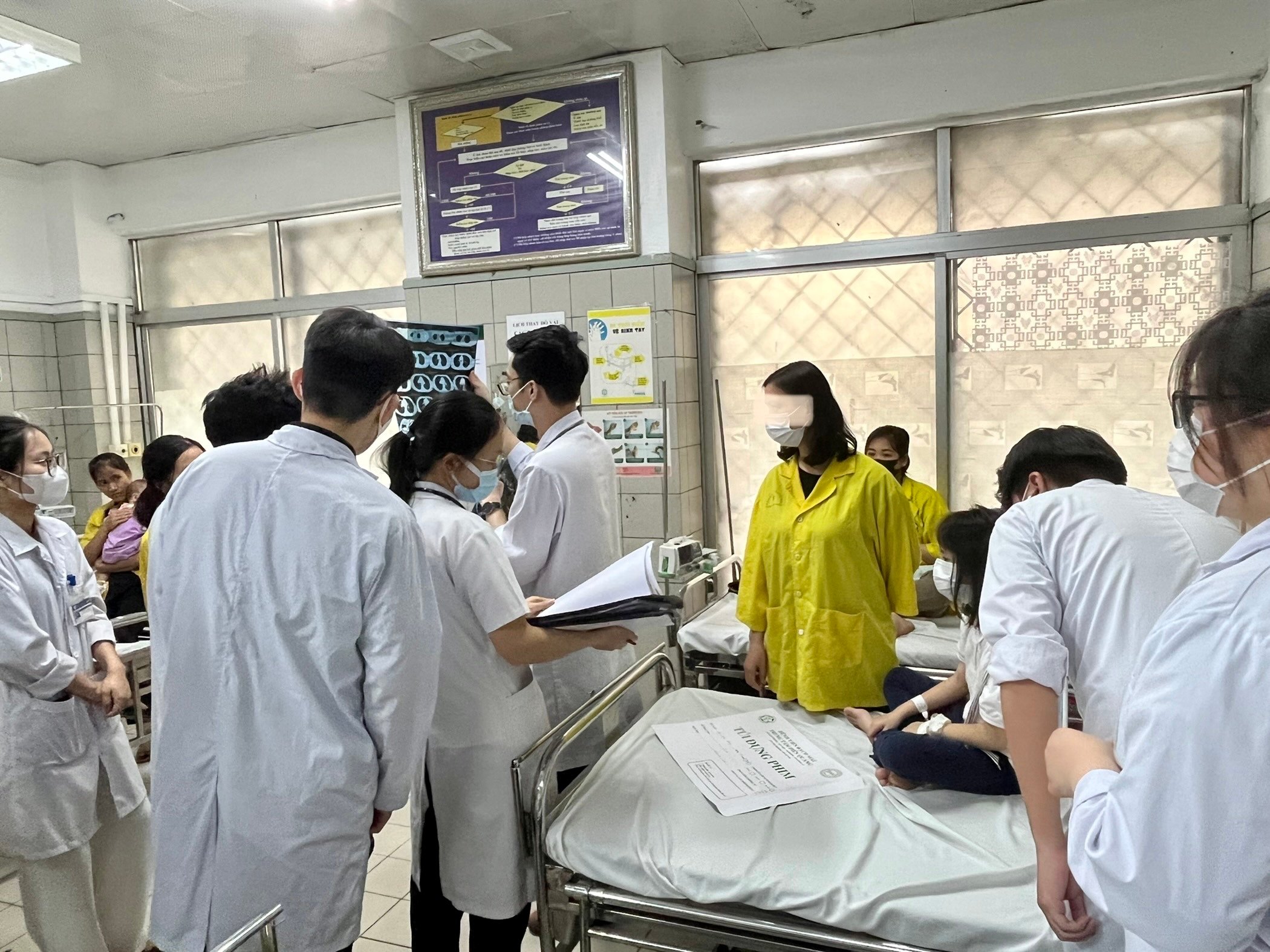
Due to the nature of their profession, healthcare workers often face work pressure.
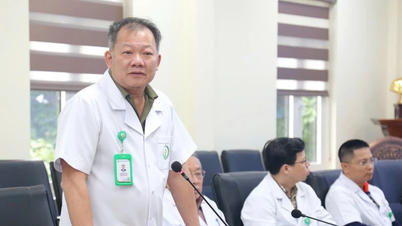
According to Dr. Nguyen Mai Huong, Head of the Adolescent Health Department at the Central Children's Hospital, many studies show that doctors and nurses are at a much higher risk of stress, depression, anxiety, and burnout compared to other professions.
Occupational stress damages the nervous system, increases the incidence of cardiovascular disease, musculoskeletal disorders, stomach ulcers, myocardial infarction, and premature retirement. Therefore, policies and solutions are needed to improve the mental health of healthcare workers, helping to protect the health of healthcare professionals who care for the community.
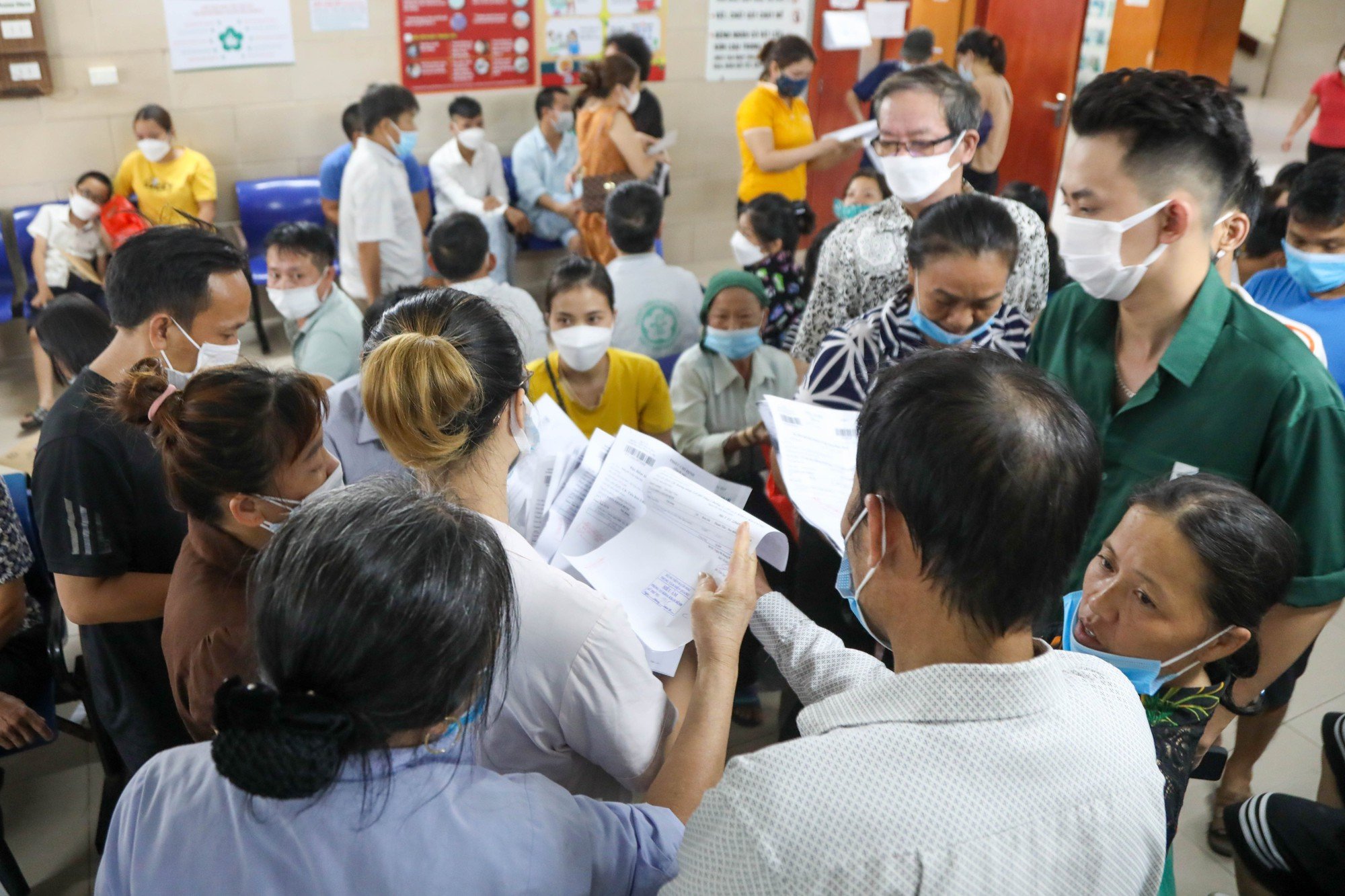
Healthcare workers often have to work shifts, night shifts, and participate in emergency cases or surgeries for many hours.
Assessing that "stress management is essential to help healthcare workers overcome many challenges in their work," Dr. Huong believes that the first step is to identify the stresses and their sources in different units within the hospital. Stress and pressure need to be determined by individuals in each unit, based on the impact of that stress on themselves. From there, the collective and individuals can develop solutions to manage stress.
We need flexibility in working hours and time for rest.
Dr. Mai Huong shared that a unique characteristic of the medical profession is that healthcare workers often have to work in shifts, on night duty, and participate in emergency cases or surgeries for many hours. Therefore, rest time is not always guaranteed, which can lead to burnout and exhaustion. Thus, considering flexible working hours with reasonable rest periods can bring work-life balance to healthcare workers, helping to increase productivity, creativity, and job satisfaction.
According to Dr. Huong, healthcare workers also have their own needs. Providing them with good mental and physical care is an essential component of the healthcare system's efforts to deliver the best possible healthcare services. It is crucial to ensure that healthcare workers have easy access to mental health services and activities such as counseling and specialist examinations.
Recognizing the early stages of burnout is crucial for maintaining mental and physical well-being. While burnout can manifest differently in individuals, some common signs include: decreased energy or motivation, increased difficulty making decisions, reduced work performance, and negative feelings or thoughts about work or personal life.
60% of the global population is working.
"Mental health in the workplace" is the theme of this year's World Mental Health Day on October 10th.
The World Health Organization (WHO) says it is working with partners to highlight the crucial link between mental health and work. A safe and healthy work environment can play a protective role for mental health.
Unhealthy conditions, including stigma, discrimination, and exposure to risks such as harassment and other poor working conditions, can pose significant risks to mental health, overall quality of life, and consequently, job engagement or productivity.
The WHO assesses that, with 60% of the global population working, urgent action is needed to ensure that work prevents risks to mental health and protects and supports mental health in the workplace.
Source: https://thanhnien.vn/vi-sao-nhan-vien-y-te-co-nguy-co-ve-suc-khoe-tam-than-hon-nghe-khac-185241010102609267.htm

































































































Comment (0)