

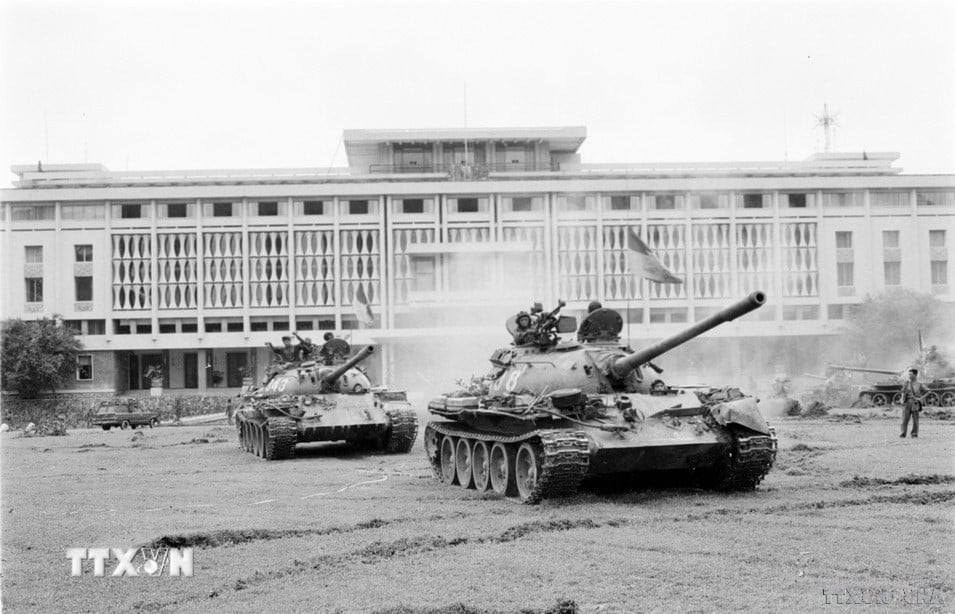
April 30, 1975, is not only a glorious milestone in the history of the Vietnamese nation but also a symbol that inspires nations to bravely fight against old and new colonialism and regain national independence.
This is the opinion of Dr. Ruvislei González Sáez, one of the leading experts on Vietnam in Latin America.
Dr. Ruvislei González Sáez, a senior researcher at the Cuban Center for International Policy Research (CIPI) and author of the book "Cuba-Vietnam: Two Peoples, One History," which was published by the National Political Publishing House, emphasizes the dual significance of the Victory Day of April 30, 1975, for Vietnam and the world.
The great victory of Spring 1975, culminating in the historic Ho Chi Minh Campaign, demonstrated the perseverance and unwavering will of President Ho Chi Minh and the Vietnamese people. The day of complete victory, reunifying the country, was a resounding affirmation that there is only one Vietnam, and simultaneously opened the path to socialism.
Cuban scholars assert that Vietnam is a beacon of hope for the world , a steel bulwark against imperialism. Vietnam's victory is proof that a united and determined nation cannot be divided.
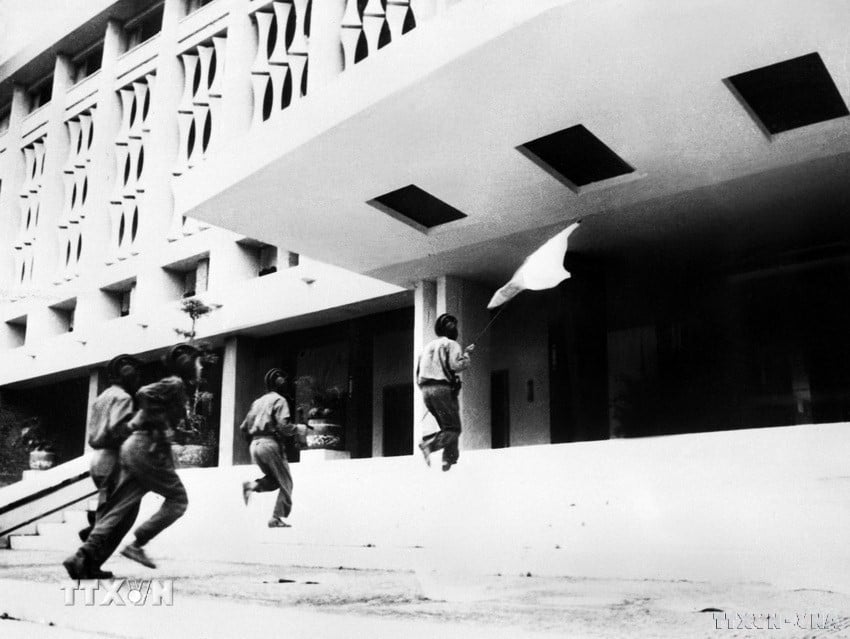
According to Dr. Ruvislei González Sáez, after reunification, Vietnam continued to face countless difficulties and challenges. The country literally rose from the ashes of war, as many unexploded bombs and mines still remain today, and many areas of land are unusable due to potential risks.
The Cuban researcher pointed out that the Vietnamese Party and Government at the time made efforts to promote an economy focused on heavy industry in the North and a service-based economy in the South.
Thanks to the wise leadership of the Communist Party of Vietnam, the shift in thinking to suit new conditions, the liberation of productive forces, the elimination of dogmatism, and the prioritization of people and the goal of improving their lives, Vietnam, from being one of the 15 poorest countries in the world in 1980-1981, has become one of the 15 most dynamic countries today, with the highest growth rate and aiming to become a developed country by 2045.
Dr. Ruvislei González Sáez highlighted Vietnam's achievements in all areas of socio-economic life. Rising educational levels, improving service quality, technological advancements, and innovation are placing Vietnam in a prominent position and undoubtedly as one of the newest Asian tigers, despite many challenges ahead.
Mr. Ruvislei González Sáez believes that Vietnam's practical experience and foreign policy serve as a lesson for the world, especially in the context of today's complex international relations. With its stance of "making friends with all countries," Vietnam is not only an example for countries in the Southern Hemisphere but also for major powers.
Vietnam's successful international integration process cannot be discussed without mentioning its "bamboo diplomacy" and the establishment of a four-no national defense strategy: no participation in military alliances; no alignment with one country against another; no allowing foreign countries to establish military bases or use its territory to fight against other countries; and no use of force or threat of force in international relations.
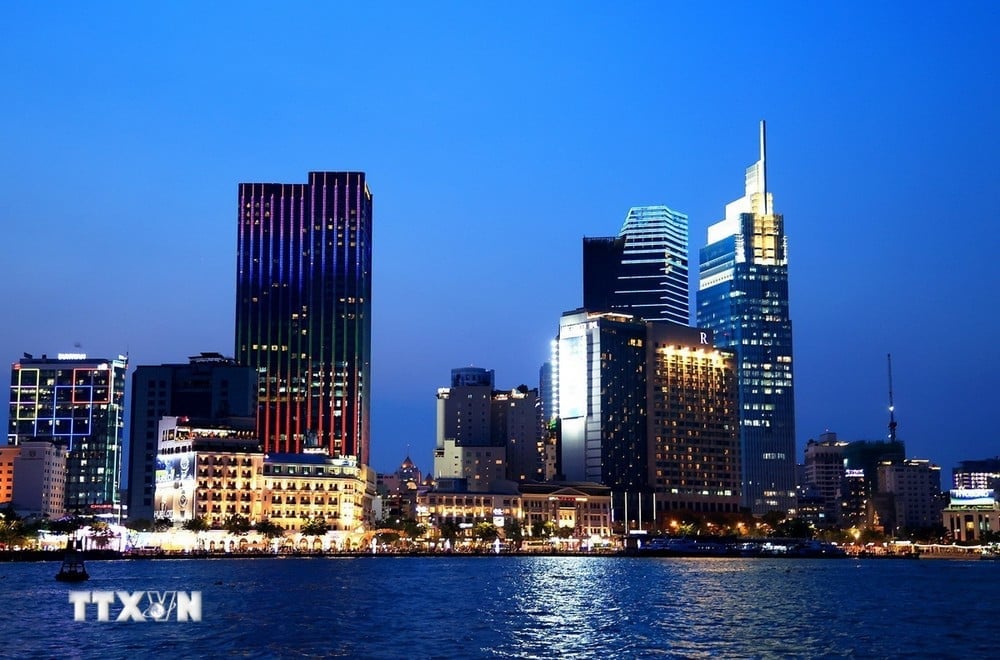
Unity, peace, and stability have transformed Vietnam from a country receiving international aid into one that, despite its difficulties, can still support other countries; from a net recipient of foreign investment to one that has begun investing abroad and is competitive.
Expert Ruvislei González Sáez, currently the Vice President of the Cuba-Vietnam Friendship Association, highlighted the growing ties between Vietnam and Latin America and the Caribbean in general, as well as between Vietnam and Cuba in particular, based on their special historical relationship.
International policy researchers assess that there is still much room for bilateral cooperation, and both sides need to be more proactive to achieve concrete results, not only in trade and investment, but also in the fields of culture, education, science and innovation, agriculture, and many other areas.
Cuban scholars believe that, with its rich culture and identity, the land of warriors who have fought and triumphed over many world powers will continue to strengthen national unity and advance on the path to building a new society.
TB (according to VNA)Source















![[Photo] Prime Minister Pham Minh Chinh holds a phone call with the CEO of Russia's Rosatom Corporation.](/_next/image?url=https%3A%2F%2Fvphoto.vietnam.vn%2Fthumb%2F1200x675%2Fvietnam%2Fresource%2FIMAGE%2F2025%2F12%2F11%2F1765464552365_dsc-5295-jpg.webp&w=3840&q=75)








































Comment (0)