

 |
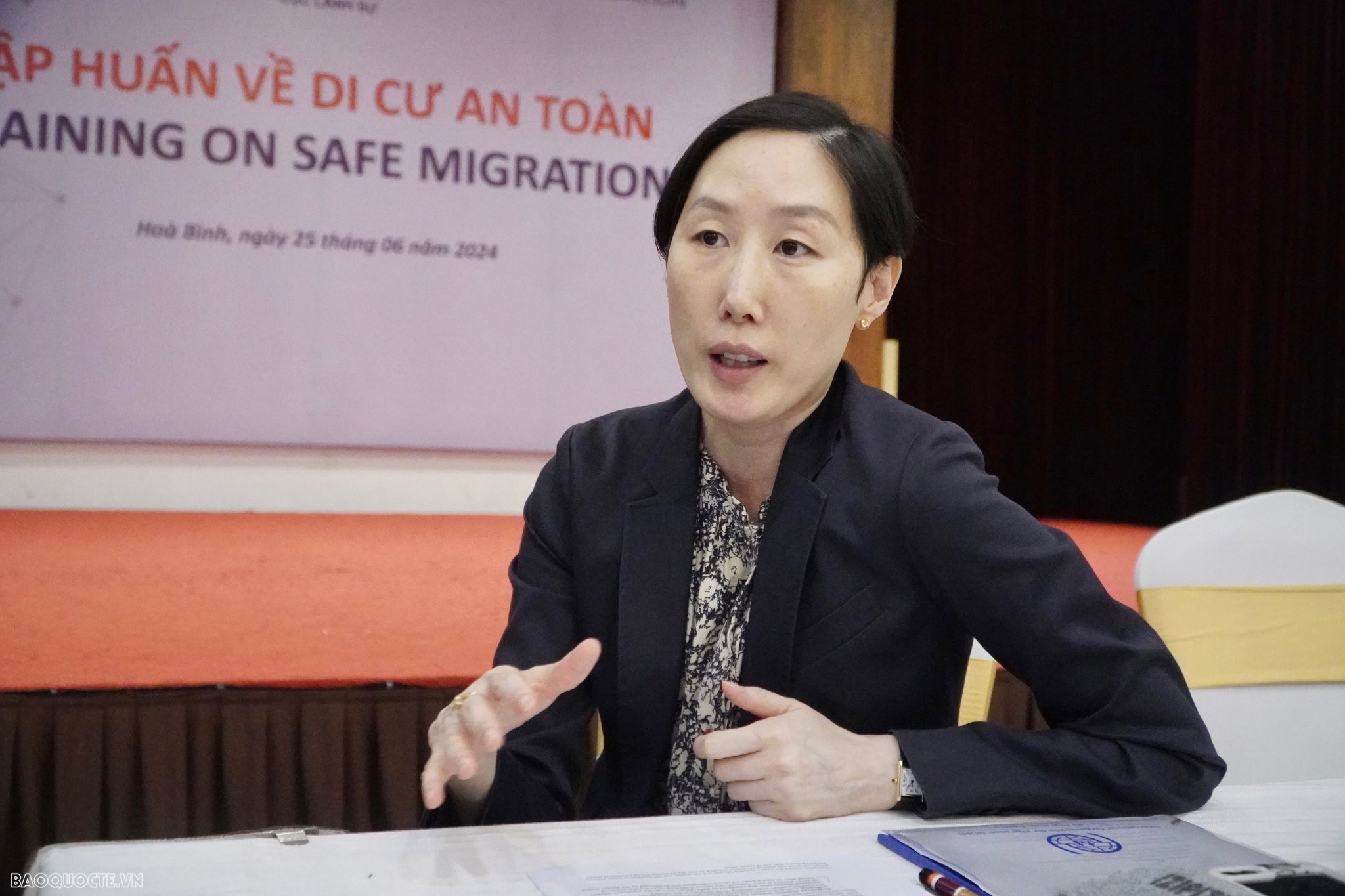
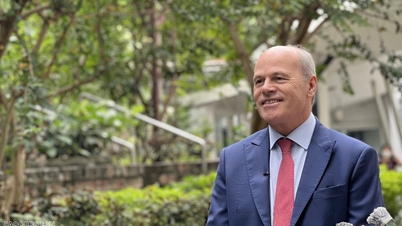
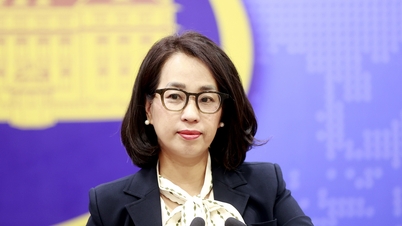
| Ms. Park Mi-Hyung, Head of IOM Mission in Vietnam, gives an interview to The Gioi & Viet Nam Newspaper. (Photo: Tuan Viet) |
In an interview with the World & Vietnam Newspaper on the sidelines of the Training Course on Safe Migration and Protection of Vietnamese Citizens Abroad (June 25-26), Ms. Park Mihyung, Head of the International Organization for Migration (IOM) Delegation in Vietnam, pointed out current international migration trends and assessed Vietnam's efforts to ensure safe migration.
Could you please tell us about the emerging international migration trends and how they relate to the situation in Vietnam?
Labor migration is a prominent feature of the global economy and a powerful driver of development, welfare, and growth. When migrants have full access to their rights, they can truly realize their potential and harness the full power of migrant labor.
Asia has long been a major hub for labor migration, accounting for 14% of all migrant workers globally.
Global demographic changes, economic transitions and climate change are expected to be the main drivers of migration in Asia in the coming decade. Southeast Asia is one of the world’s most disaster-prone sub-regions, with millions of people displaced each year. In the near future, this will be an issue that we all need to address.
Data shows that migrant workers are contributing to key economic sectors including agriculture , construction, manufacturing, and domestic work.
The benefits of labor migration are well documented. In destination countries, labor migration helps address labor and skill shortages. In destination countries, migrant workers improve the lives of their families and communities by transferring skills and financial resources, while also relieving pressure on the domestic labor market. According to the World Bank (WB), in 2023, Vietnam will continue to be in the top 10 countries receiving the most remittances in the world, with an estimated $14 billion.
However, it is important to highlight some of the risks involved in the labor migration journey, including a lack of transparency, unclear or substitutable labor contracts, inadequate housing, non-payment or low wages, and lack of access to remedies. These factors increase the risk of human rights and labor rights violations at all stages of the labor migration journey.
That is why IOM works closely with both national governments of origin and destination, international partners, civil society and the private sector to protect human rights, conduct responsible business and promote the further expansion of regular migration pathways. This contributes to the access of migrant workers to safe, regular and standard-compliant migration pathways where they can fully enjoy their human and labour rights.
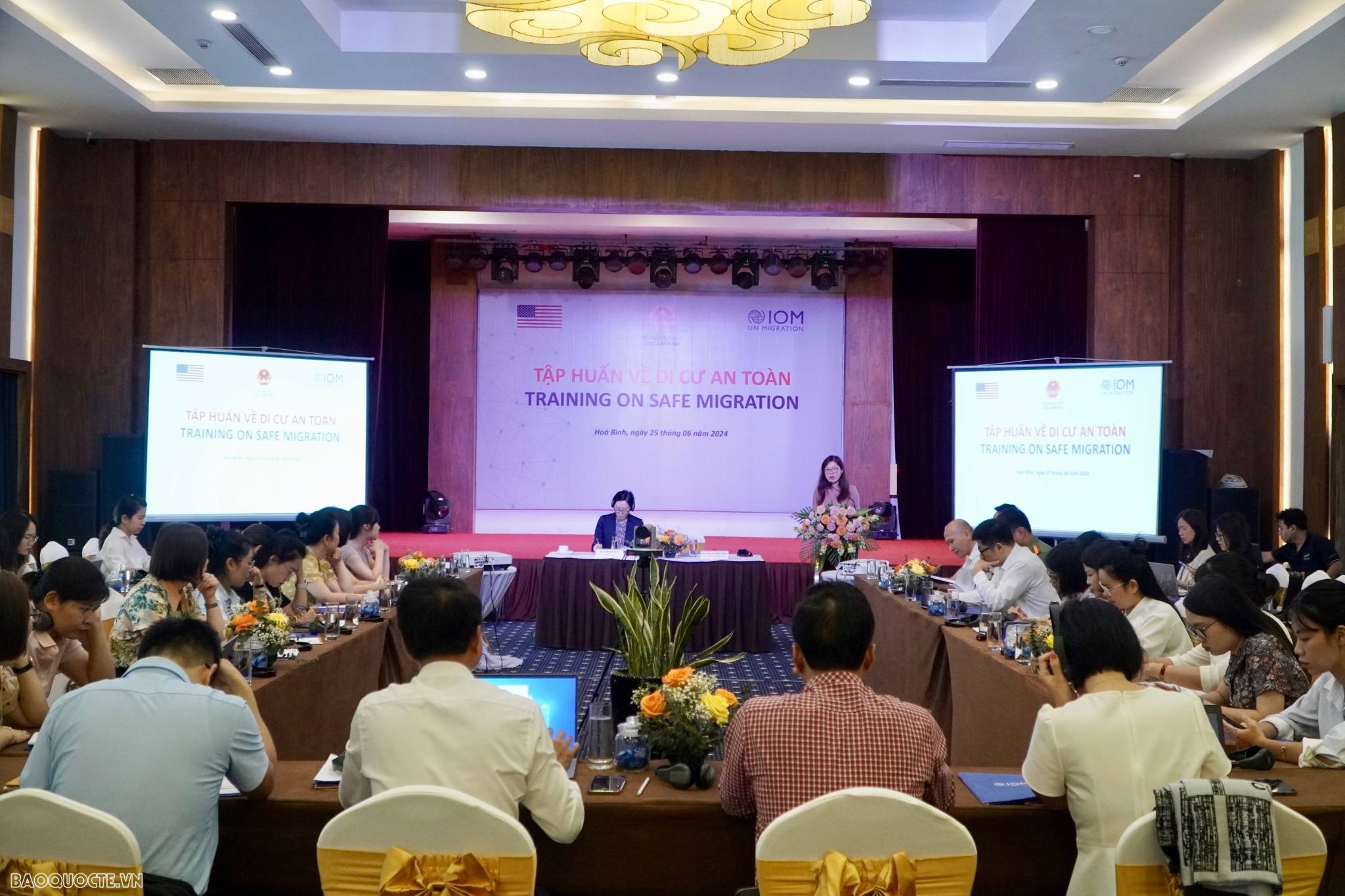 |
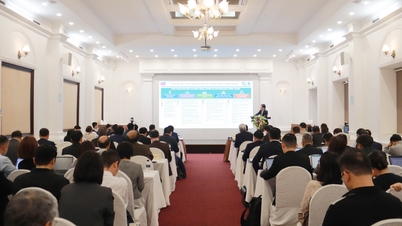
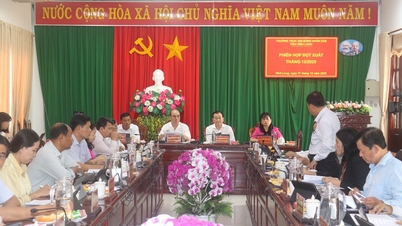
| Overview of the Safe Migration Training Session on June 25th. (Photo: Tuan Viet) |
How do you assess Vietnam's efforts to facilitate "safe migration for the benefit of all" and combat human trafficking?
In recent years, Vietnam has been very active in promoting safe migration and has made serious efforts to combat human trafficking. A prime example is the implementation of the "Program for the Prevention and Combat of Human Trafficking in the period 2021-2025 and orientation to 2030," which includes new solutions and tasks to prevent and combat human trafficking in all areas.
In addition, Vietnam has also achieved other accomplishments such as:
Increased attention should be paid to investigating and identifying different forms of human trafficking, such as domestic trafficking and forced labor; more detailed data should be collected on the global human trafficking situation to better understand the situation within the country.
The identification and support of human trafficking victims have been strengthened, as evidenced by the significant number of victims assisted in 2022. In particular, recent cases of human trafficking involving victims of forced labor on fishing vessels have been identified and prosecuted by the Vietnam Border Guard.
In particular, the Law on Vietnamese Workers Working Abroad under Contract (or Law No. 69), which came into effect on January 1, 2022, is a step closer to ensuring fair and ethical labor recruitment.
In addition, the Vietnamese Government has also made efforts to strengthen inter-sectoral coordination with standardized procedures. For example, an initiative of the Ministry of Labor, War Invalids and Social Affairs (MOLISA) has been implemented, the "Coordination Regulations on the reception, protection and support of victims of trafficking" which will take effect from August 2022, applicable to four specialized ministries: MOLISA, Ministry of Public Security, Ministry of National Defense and Ministry of Foreign Affairs.
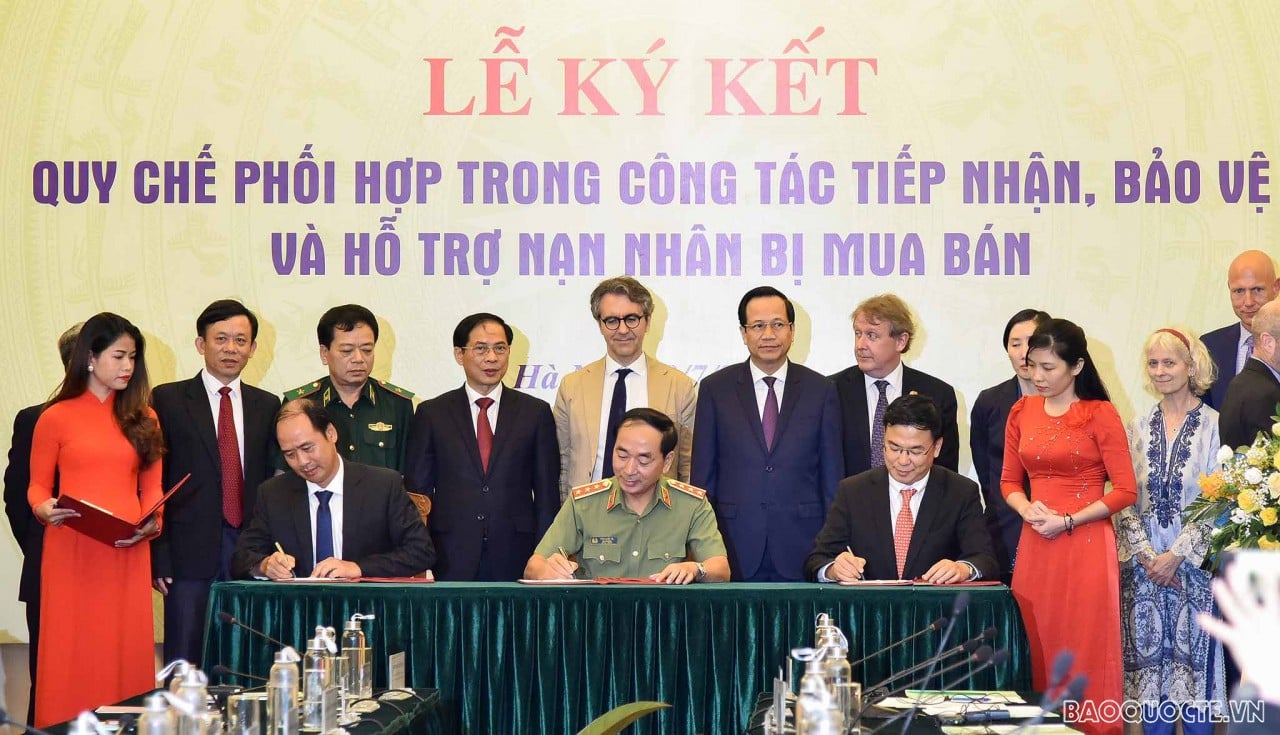 |
| Signing ceremony of the 'Coordination regulations in receiving, protecting and supporting victims of human trafficking' on July 18, 2022. (Photo: Nguyen Hong) |
Currently, recruitment scams aimed at exploiting workers through fraudulent online platforms abroad are on the rise. According to you, what should we do to prevent this risk?
Although the benefits of migration are well documented, migrant workers remain at risk of various forms of human and labour rights violations at all stages of their labour migration journey.
Migrant workers often face high recruitment fees, making them vulnerable to debt, exploitation, or forced labor. Furthermore, they may encounter other risks throughout their labor migration journey, such as a lack of transparency, unclear or substitutable employment contracts, inadequate housing, and discriminatory selection processes and requirements (e.g., pregnancy testing).
| "We need to make efforts to ensure that migrant workers have access to safe, regular, and standardized migration routes where they enjoy full human rights and labor rights." (IOM Mission Leader Park Mihyung) |
According to the latest Global Estimates on Modern Slavery published by the International Labour Organization (ILO), IOM, and Walk Free, migrant workers are three times more likely to face forced labor than local workers.
Although the vulnerability of migrant workers is often supported structurally and policy-wise, the private sector is responsible for 85% of exploitation. At the same time, gaps remain in labor migration management as governments in the region attempt to implement the principles of the Global Compact for Legal, Safe and Orderly Migration (GCM) in line with the relevant Sustainable Development Goals.
Current conventional labor migration routes fail to meet the overall demand for migrant labor in destination countries and the need for income opportunities for workers from originating countries. This leads to high rates of irregular labor migration and the presence of a large undocumented population in destination countries, putting them at higher risk of exploitation.
Despite some progress over time, gaps in existing laws and regulations in the region tend to exacerbate the vulnerability of migrant workers. In countries of origin, effective recruitment regulation remains a challenge due to the possibility of migrant workers being legally charged recruitment fees and related costs, weak pre-departure orientation systems, lack of monitoring of employers, and lack of effective penalties and sanctions. In destination countries, migrant workers’ basic rights to change employers and freedom of association are restricted.
To address these issues, in all its implemented programs, IOM supports countries in expanding and improving regular labor migration pathways, including policies, legal frameworks, regulations, and implementation mechanisms. IOM adopts a “whole-government” approach to working among relevant ministries and agencies, as well as at the national, local, and administrative levels.
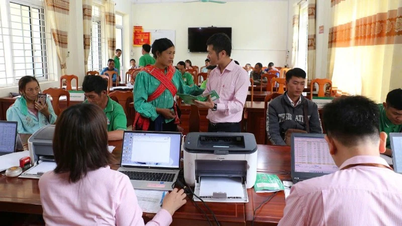
We also work to raise awareness about safe migration, including skills development, job matching, raising awareness about anti-trafficking, providing information to workers before departure on health issues and raising awareness about Law 69 so that all know their rights and minimize the risk of labor exploitation.
When it comes to ensuring workers' rights, we cannot ignore businesses. That is why we also have regional programs to develop projects and strategic partnerships with industry associations, multinational corporations, employers, and recruiters. Through these, we hope to strengthen businesses' respect for migrant rights and implement innovative solutions to promote ethical and responsible recruitment, enhance supply chain transparency, conduct human rights assessments, and provide effective complaint mechanisms and remedies.
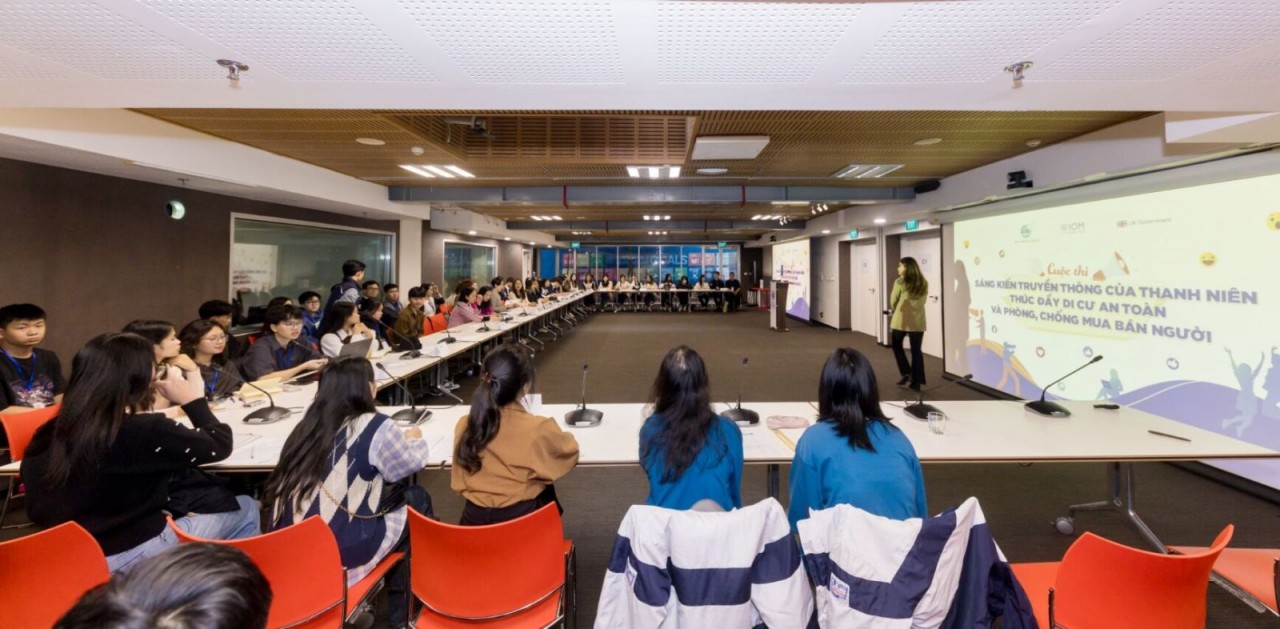 |
| Young people participate in the "Youth Media Initiatives to Promote Safe Migration and Combat Trafficking in Persons" competition in January 2024. (Source: IOM) |
IOM is currently implementing many projects in Vietnam to protect migrants. What are the highlights of these projects, Madam?
First is data, effectively addressing human trafficking requires up-to-date and reliable data as an empirical basis for policy, programs and support for victims.
IOM is supporting the Ministry of Public Security to further develop the trafficking database and is currently implementing a nationwide training program to collect data on trafficking. We remain committed to this process.
Human trafficking is a complex and rapidly evolving problem. That is why anti-trafficking agencies must be agile and understand the many facets of the problem. It is important to find innovative ways to identify emerging trends, especially cybercrime; provide comprehensive support to victims and find timely, workable solutions to meet the new and growing challenges of human trafficking.
Secondly, raising awareness. Over the past few years, through our anti-trafficking campaign, we have reached nearly 1.8 million people (from August 2022 to March 2024) through both online and in-person channels, many of whom are young people. We have a popular fan page called "Think Before You Go," which promotes information about safe migration to young people and those aspiring to migrate, with over 12,000 active followers.
By integrating strategies for preventing and combating human trafficking and safe migration content into extracurricular activities in schools, we aim to educate all Vietnamese students about the risks of human trafficking, emphasizing its potential for large-scale impact.
This approach is sustainable because it promotes universal access to education, ensures that every young individual knows how to prevent human trafficking, and promotes a culture of empathy and responsibility throughout society.
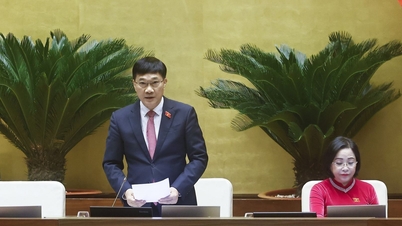
It is encouraging to see that the Vietnamese National Assembly recently discussed the potential for integrating anti-trafficking measures into school curricula. This demonstrates that the IOM's approach aligns with the Vietnamese government's perspective.
Furthermore, through community outreach activities, we encourage young people to actively participate in youth migration communication, empowering them to become future change-makers. Earlier this year, we organized a competition titled "Youth Communication Initiatives to Promote Safe Migration and Combat Trafficking" which attracted over 600 young participants. Ultimately, we supported six initiatives by providing initial funding, helping to realize these initiatives and contributing to a safer future for all.
Third , strengthening protection and prosecution capacity. IOM is working closely with Vietnam to improve standardized tools for screening and verifying victims of human trafficking.
Together with the Ministry of Labour, Invalids and Social Affairs and other partners, we are also developing standard screening forms for frontline staff to detect, screen, refer and identify victims of trafficking in businesses and service establishments at risk of social evils.
Finally, strengthen partnerships. Specifically, cooperate better with civil society organizations close to labor groups to reach the most vulnerable migrant workers.
In addition, we are strengthening our engagement with the private sector through a network of over 40 private sector partnerships to promote responsible business practices and provide transparency in migration processes, preventing any unintentional involvement in human trafficking within the region.
At the same time, IOM actively collaborates with technology companies and experts to detect the tactics of human traffickers and develop innovative solutions to address the problem.
Thank you, ma'am!
Source: https://baoquocte.vn/truong-phai-doan-iom-viet-nam-rat-tich-cuc-thuc-day-di-cu-an-toan-va-nghiem-tuc-chong-mua-ban-nguoi-276331.html












































































Comment (0)