

Mr. Nguyen Dinh Tung, General Director of Vina T&T, previously worked in the police force before switching to the transportation industry. Fate led him to the fruit export business. For nearly two decades, Vina T&T has exported dozens of fruit varieties to demanding markets, especially the United States. He is affectionately known as the "king of fruit exports."
Speaking about fruit, Mr. Tung expressed pride in the stature of Vietnamese fruit in the world . He also constantly pondered why New Zealand is famous for its apples, South Korea for its peony grapes, while Vietnam – a country with many delicious fruits – has yet to build a strong brand? He decided to find the answer and dreamed of establishing a strong brand for Vietnamese agricultural products in the global market.

He's called the "king of fruit exports," which surely means he and Vina T&T have achieved a great deal. How many types of fruit has he exported, to which destinations, and which are his main markets?
- We have exported to approximately 15 countries worldwide. The US has been our main market, maintaining its position since our inception, accounting for about 70% of our export volume. After 2023, this percentage decreased to around 45% due to the increase in China's market share, especially after they officially opened their doors to importing durian and Siamese coconuts from Vietnam.
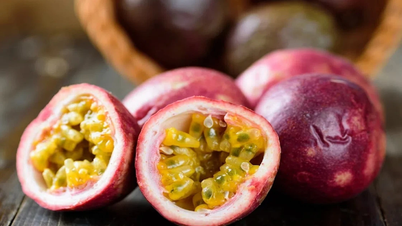
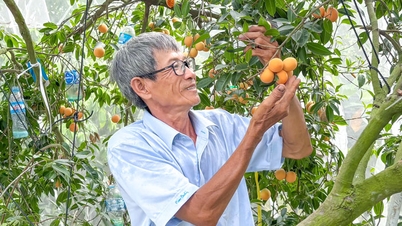
Vina T&T's main fruit crops include coconuts, longan, durian, dragon fruit, and mangoes. In addition, other varieties such as rambutan, star apple, and pomelo are also exported to the US and New Zealand in significant quantities.
Why did he choose the US market and start exporting so early?
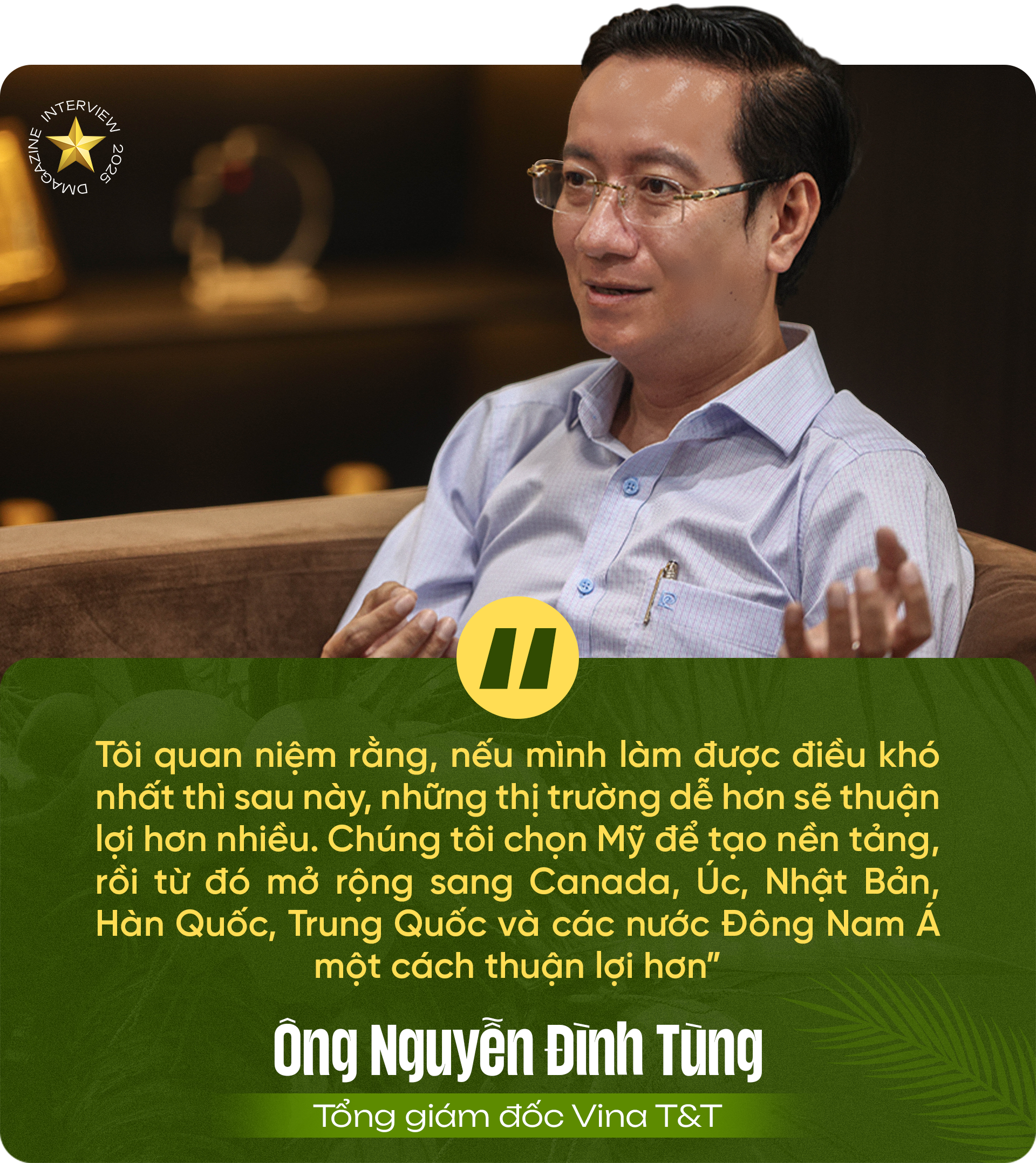
- At that time, many businesses focused on China and other markets, and competition was fierce. Meanwhile, the US market had very high technical barriers and requirements, even considered the most difficult. My philosophy was that if we could do the most difficult thing, then easier markets would be much easier later on.
Furthermore, at that time, the number of businesses exporting fruit to the US was only about 15-20, so the level of competition was lower compared to other markets. We chose the US to lay the foundation, and from there, we could expand to Canada, Australia, Japan, South Korea, China, and Southeast Asian countries more easily.
When did he start exporting to the United States?
- Actually, my entrepreneurial journey can be divided into two stages. The first stage was in 2008, when Vina T&T was one of the first companies to export dragon fruit to the US. At that time, the US market had just opened up to this fruit, so everything was still very rudimentary. Our preservation techniques and technology were limited, so we encountered many failures.
It wasn't until 2015 that I officially "restarted my business" with dragon fruit. By then, preservation technology had improved significantly, allowing for sea export. From there, I achieved success with dragon fruit.
Then, in 2016, I started exporting longan, in 2017 it was coconut, and in the following years, I gradually added more types of fruit. Each year was a new step forward in my journey to expand my export products to the US.
What are the technical barriers to exporting to the US? What solutions have you implemented to overcome them?
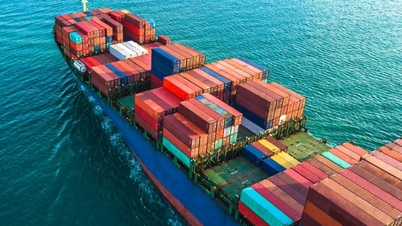
- The biggest challenge was exporting fresh fruit at a time when preservation technology wasn't advanced enough. For example, dragon fruit could only be preserved for about 20 days. Meanwhile, transporting it from Vietnam to the West Coast of the United States, specifically California, took over 20 days. At that time, the Cai Mep port didn't exist, so the shipping time was even longer, around 24-25 days. By the time the goods arrived and the containers were opened, almost everything was already spoiled.
The situation changed in 2015. At that time, preservation technology increased the shelf life to 35-40 days. Simultaneously, the Cai Mep port became operational, shortening shipping time to the US to approximately 19-20 days.
Thanks to improved preservation technology, since 2015, dragon fruit can be preserved for 45 days, longan for about 55 days, and coconut for over 60 days. This allows for better control and smoother export to the US.
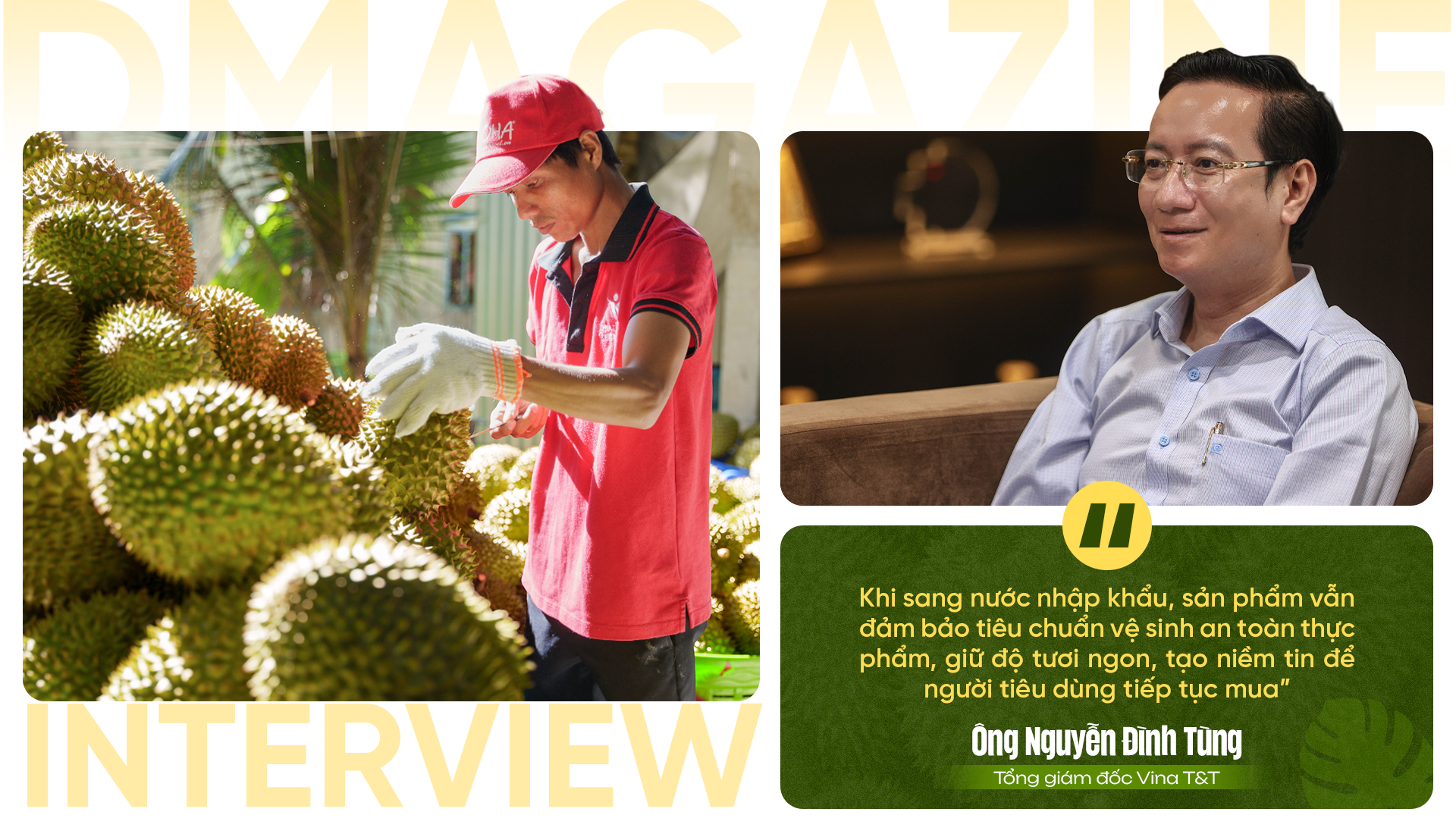
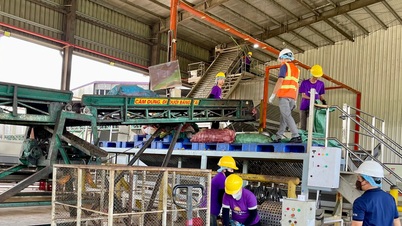
However, to achieve this, we need a precise process from harvesting and maintaining a stable temperature to loading the goods onto the ship. Upon arrival in the importing country, the product must still meet food safety and hygiene standards, retain its freshness, and build consumer trust for continued purchases.

At that time, did he think of himself as the "savior" of Vietnamese fruit?
- Actually, at that time, I simply thought about making a living and seizing opportunities. When an opportunity arose, I acted on it; I never considered myself a "rescue" party. Vina T&T only truly participated in activities supporting agricultural product consumption when it had developed, established itself in the industry, and was able to purchase a sufficiently large volume of produce.
I personally advised the former Ministry of Agriculture and Rural Development that the term "rescue" should only be considered a temporary solution. Initially, it creates a positive effect in quickly selling goods, but in the long run, it will inadvertently reduce the value of the products. When farmers sell their goods, if they label them as "rescued," they almost lose their bargaining power with traders.
Furthermore, when the press and media use this term too much, buyers will automatically assume that "rescue" means it must be cheap. This creates immense pressure, especially on domestic retail chains. For example, newspapers report farmgate prices of only 1,000-2,000 VND/kg, but supermarkets sell it for 15,000-20,000 VND/kg. They don't understand that the product has already been selected, preserved, transported, and has added logistics costs, so a higher selling price is reasonable.
Furthermore, labeling Vietnamese agricultural products as "rescued" has a negative impact on exports. Foreign partners read this information and assume that Vietnamese fruit is very cheap. This puts Vietnamese farmers at a disadvantage when negotiating export prices. Therefore, after only one or two years, I proposed that the term "rescued" should no longer be used to protect the value of Vietnamese agricultural products.
When faced with difficulties, did you ever feel discouraged and want to switch to a different profession?
- In the beginning, we did it with very strong belief. When we encountered difficulties, we overcame them step by step. In our entrepreneurial journey, the biggest "storm" was the Covid-19 pandemic.
At that time, almost all countries in the world stopped importing. But Vina T&T, due to its close ties with farmers, could not abandon them. We learned many lessons from that period. Thanks to the coordination of Task Force 970 (Ministry of Agriculture ) and Deputy Minister Tran Thanh Nam, we went directly to the raw material areas to purchase goods.
The problem was that we managed to get the goods, but exports were almost completely paralyzed. Many countries restricted imports, forcing us to freeze the fruit. This gave us a new product line. This is a case of "finding a silver lining in a cloud." When customs clearance resumed, we already had a ready supply of goods and the experience to handle emergency situations.
At that time, everyone was worried because they didn't know when the pandemic would end. Vina T&T maintained its entire workforce, not laying off anyone, even though the law allowed it. I thought that if we laid off workers when they were at their most difficult time, it would be very difficult to face each other later. We also had to maintain contact with farmers, supporting them when the fruit on the trees was at risk of falling off en masse. Trucks going into the growing areas were always escorted by vehicles from the provincial military command.
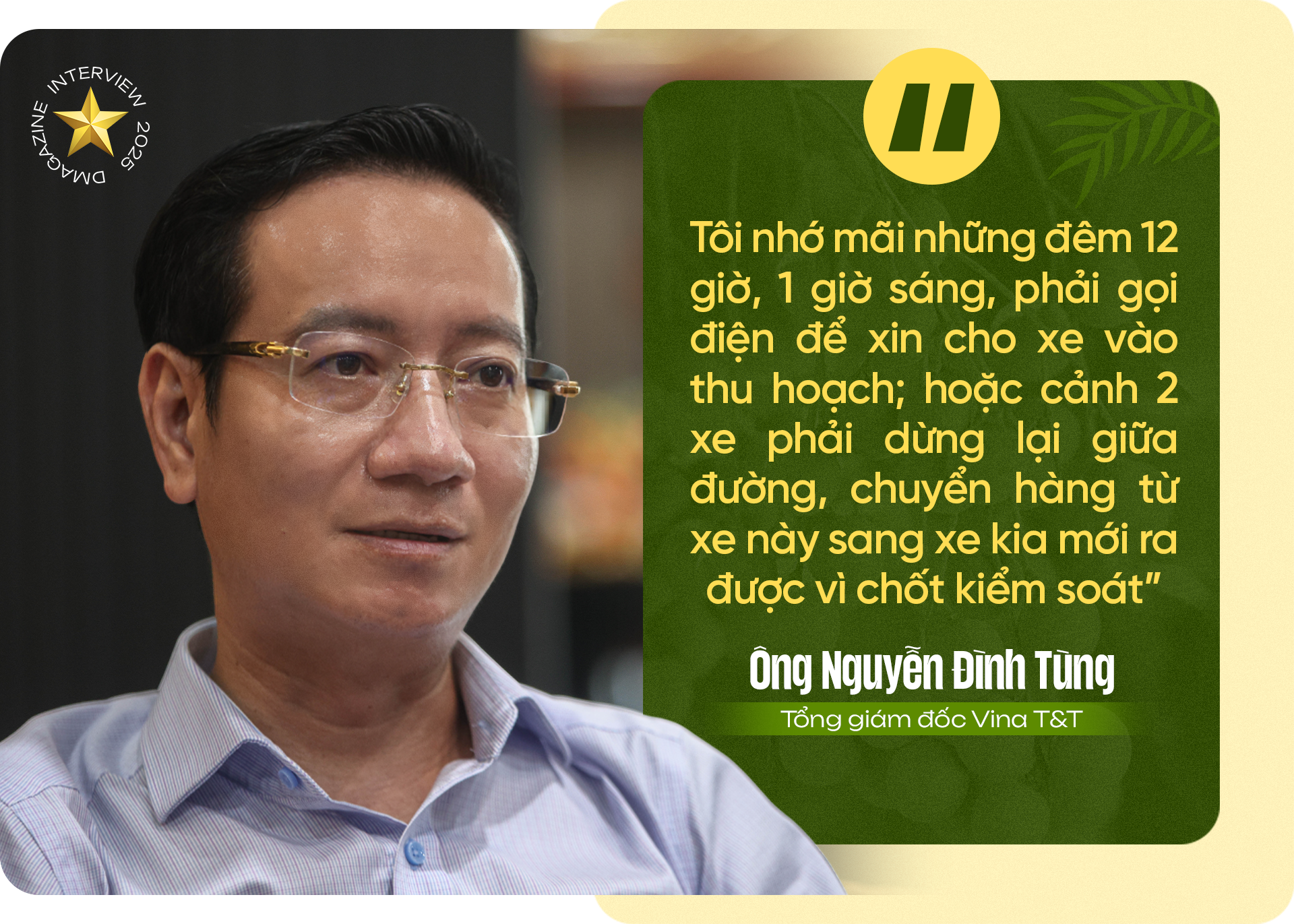
I vividly remember those nights at midnight or 1 AM, having to call to get permission for trucks to enter the field for harvesting; or the scene of two trucks having to stop in the middle of the road, transferring goods from one to the other before they could get through because of checkpoints.
There was a time when many people around us got infected, some even died, which brought everyone's morale down very low. But luckily, the situation passed quickly, and we responded well. When vaccines became available, Vina T&T was one of the units prioritized for early vaccination so that employees could continue harvesting and working.
The support and encouragement from the farmers gave us extra motivation. Having overcome that period, we felt there were no greater challenges ahead. At that time, the issue was not just the survival of the business, but also the lifeline of the community.
It was this spirit of "leaving no one behind" that helped everyone unite, contribute, and thrive even more after the pandemic.

As you honestly shared earlier, you started selling fruit to make a living. But I'm sure that's just the beginning; to continue in this line of work, you must have other thoughts, right?
- That's right. Initially, what motivated me to embark on this path was making money. But once I started, experienced setbacks, successes, and failures, my goals and reasons for staying committed changed. It's no longer just about money. Money is only the initial motivation; for long-term commitment, the work must bring meaning and value to my life.
Now, what are your hopes for Vietnamese fruit?
- Once the work became stable, we started having more time to interact with the farmers, eating and working alongside them. This connection with the people, the land, and their stories made me appreciate this job even more.
Fortunately, I also had the opportunity to meet and work with very dedicated people, such as Vice Chairman of the National Assembly Le Minh Hoan (who was then the Party Secretary of Dong Thap province). He often went down to the fields, waded through the rice paddies, inquired about the farmers' well-being, encouraged them, and worked alongside them. Later, when Mr. Hoan became Minister of Agriculture, he continued to offer words of encouragement and inspiring articles to me. During the pandemic, I also received encouragement from Minister Nguyen Xuan Cuong, helping me maintain my spirits to continue.
Therefore, my greatest wish is to sell more products, but more importantly, to elevate the image of Vietnamese fruit. I want international friends to see Vietnamese fruit as a beautiful, high-quality, and something to be proud of.
I often wonder: Why does New Zealand have famous apples, South Korea has famous grapes, while Vietnam – a country with so many delicious fruits – hasn't yet built a strong brand?
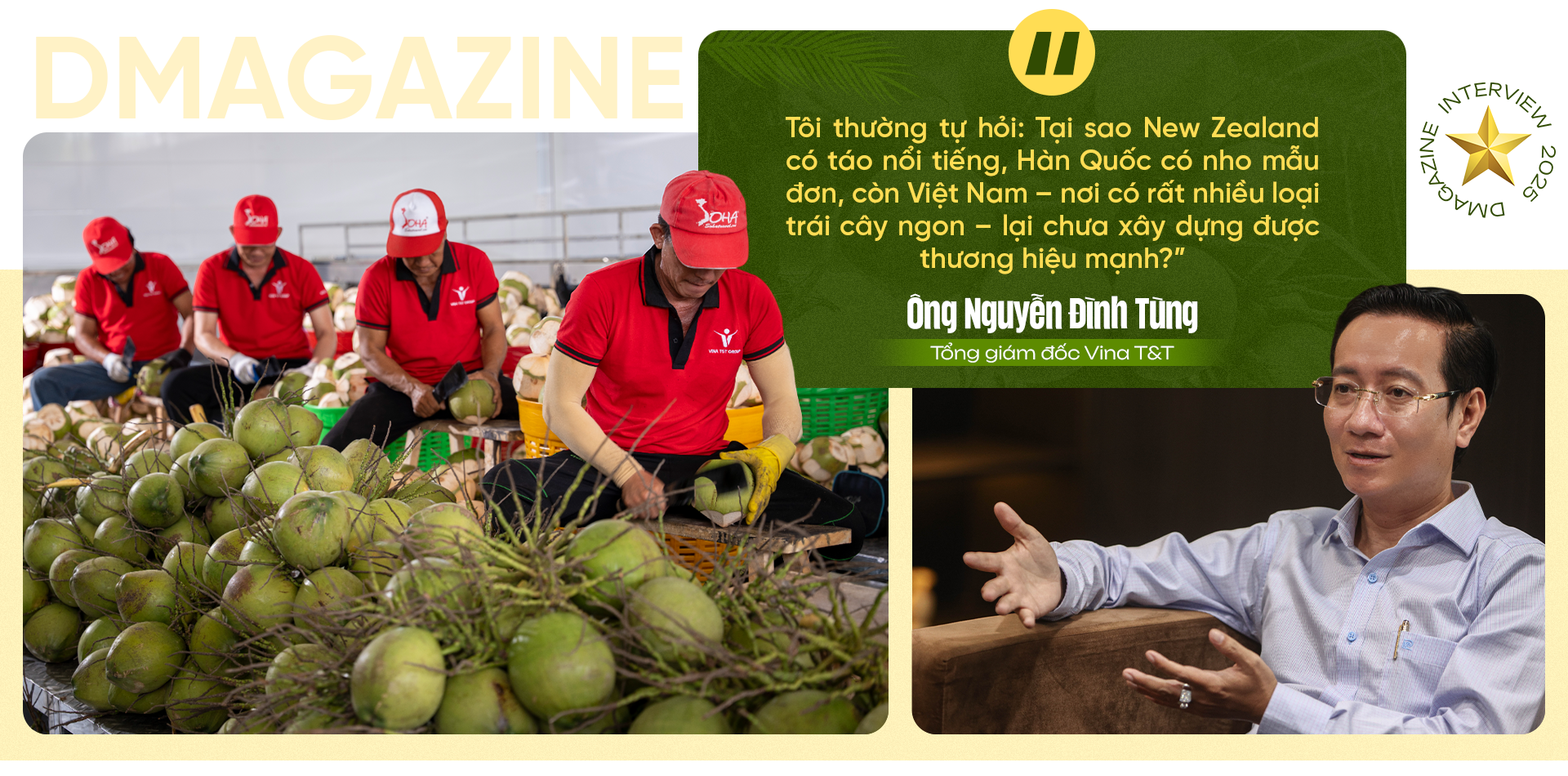
I've always been deeply concerned about branding. When exporting, I see Vietnamese fruits displayed beautifully and treated with great respect abroad. But domestically, many supermarkets display Vietnamese fruits carelessly, sometimes even with poor quality. Meanwhile, farmers have nurtured each fruit, putting in the effort to care for them. Occasionally, the press reports on dishonest businesses using chemicals indiscriminately, causing consumers to turn away.
In reality, that's only a small percentage. If the majority of Vietnamese fruit were of poor quality, we wouldn't be able to export to demanding markets like the US, Japan, Australia, Canada, and South Korea… Unfortunately, the image of Vietnamese fruit in the eyes of domestic consumers is not commensurate with its quality.
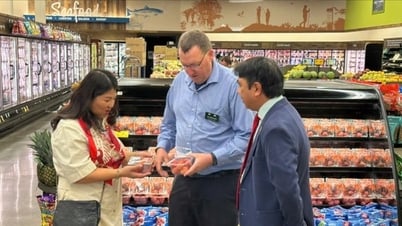
That's why I want to love and protect Vietnamese fruits even more. I opened this store to display Vietnamese fruits in the most beautiful way, not just for sale, but also as a place for customers to experience them. Everything, from the space to the layout, reflects my respect for the farmers' products.
I believe that thanks to that love, my ancestors have blessed me with the resources and funding to pursue my dream: to make Vietnamese fruits even more beautiful in the eyes of international friends and in the eyes of Vietnamese people themselves. I hope consumers realize that Vietnamese fruits are not only delicious but also healthy, safe, and reasonably priced.
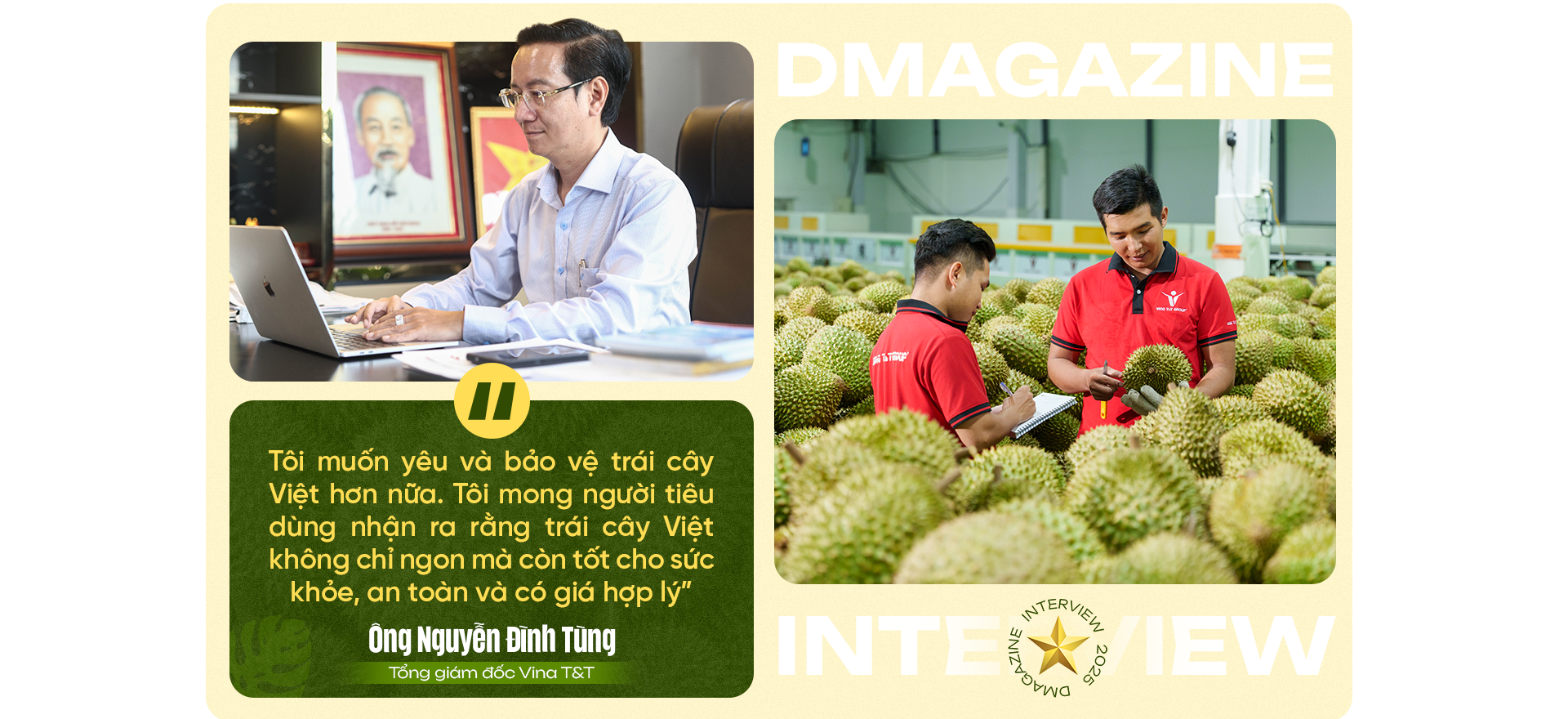
Of course, those who can afford it can still enjoy imported fruits to experience their flavors. But in daily life, Vietnamese fruits are a much better choice – both affordable and healthier. I want to dispel the notion that "eating Vietnamese fruit means worrying about chemicals" or "good fruit is only for sale, only bad fruit is for eating." Such beliefs have existed for a long time, but they need to change so that domestic and international consumers have a more accurate view of Vietnamese fruit.
So, he's proposing to develop Vietnamese fruits into national branded products, similar to some other countries, instead of fragmenting them into individual provincial specialties?
- The success of a product or commodity depends heavily on its brand. When a strong brand is built, consumers will feel proud and eager to buy and use the product during the harvest season. Of course, this requires consistent product quality, planned cultivation, close collaboration between farmers, businesses, and regulatory agencies, and strict supervision to establish large, stable raw material areas.
Nowadays, markets are no longer easy to penetrate. For example, China, which used to be a relatively "easy" market, is now even more demanding than many other countries. A single incident can lead them to raise technical barriers and tighten controls. Take the durian case, for instance: when trading partners tighten inspections regarding pesticide residue or packaging standards, just a few violating batches can jeopardize the entire industry. Therefore, we must anticipate such situations and expand into more markets.
When exporting, regardless of whether the goods originate from one province or another, or from one company or another, once they cross the border, they all bear the "Made in Vietnam" brand. If the quality is poor, foreign consumers will generally perceive it as "low-quality Vietnamese goods," without distinguishing which company produced them. Conversely, if the quality is good, it enhances the national brand.
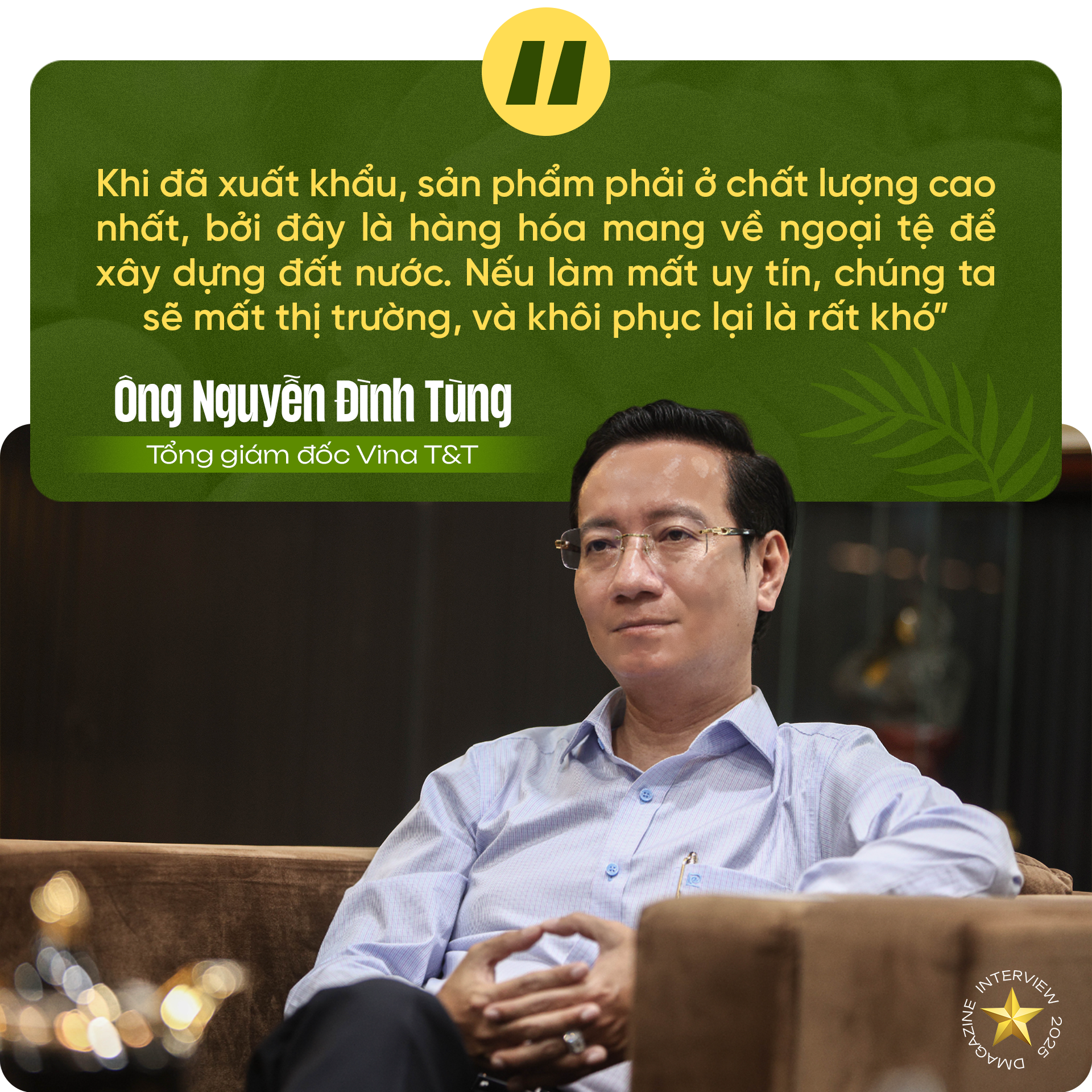
Therefore, the responsibility for maintaining the national brand reputation rests with both businesses and the state. When exporting, products must be of the highest quality, because these are goods that bring in foreign currency to build the country. If we lose reputation, we will lose markets, and restoring them will be very difficult.
Furthermore, in international competition, Vietnam must directly compete with Thailand or countries in the Americas in common markets. For example, in the US or Chinese markets, Vietnamese and Thai fruits are both tropical products, with many similarities. Therefore, we need to work together to protect Vietnamese brands to compete, instead of each doing things independently.
Farmers and businesses must aim to produce a single type of product that can be sold in the most demanding markets in order to easily conquer less demanding markets and secure domestic consumption. It's unacceptable to produce haphazardly, with different standards for each type – this approach leads to inconsistent quality and weakens the overall brand.
Has your company solved that problem yet? That is, grown one type of product but able to sell it in all markets?
- We have been linked with farmers for many years. There are clearly planned and managed growing areas. For example, this is the season for longan fruit in the Hau River region (Can Tho), we label it with our brand, and when exporting to other countries, each harvest requires the cooperative to send it for testing. After passing the test, absolutely no additional pesticides or other substances are allowed. Only when it meets those standards do we export.
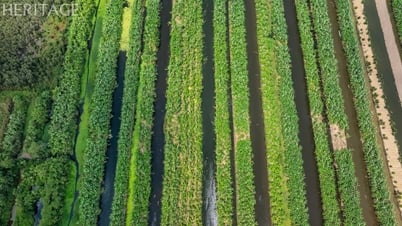
Farmers have also been given detailed instructions on harvesting and processing to ensure they meet export standards. In addition, we work in the Soc Trang region, cultivate dragon fruit in Cho Gao (Tien Giang), and collaborate with the Chau Thanh (Dong Thap) and Chau Thanh (Ben Tre) regions.
Each region has its own planning, and almost all the farmers affiliated with our company understand the process and work together to ensure that each type of export product meets the highest quality standards.

What improvements do you think domestic businesses need to make in order to do better in exports?
- When exporting, the most important thing is to meet the technical barriers of each country. If we don't meet them, we will pay the price by having the shipment destroyed or returned. Even if we are lucky enough to get one shipment through, subsequent shipments will also be at risk if they violate the regulations.
Each country and each process has different technical barriers and rules. For example, exporting to the US requires a growing area code, a packing facility code, and a guarantee that there are no residues of 7 banned substances. Some types of fruit even require negotiation before they can be imported.
Meanwhile, the Canadian market allows all types of Vietnamese fruits and vegetables in without negotiation, but they have very strict food safety inspections. The EU applies post-inspection, meaning that goods can still be inspected even after they have entered the market, leading to a high risk of being rejected or blacklisted.
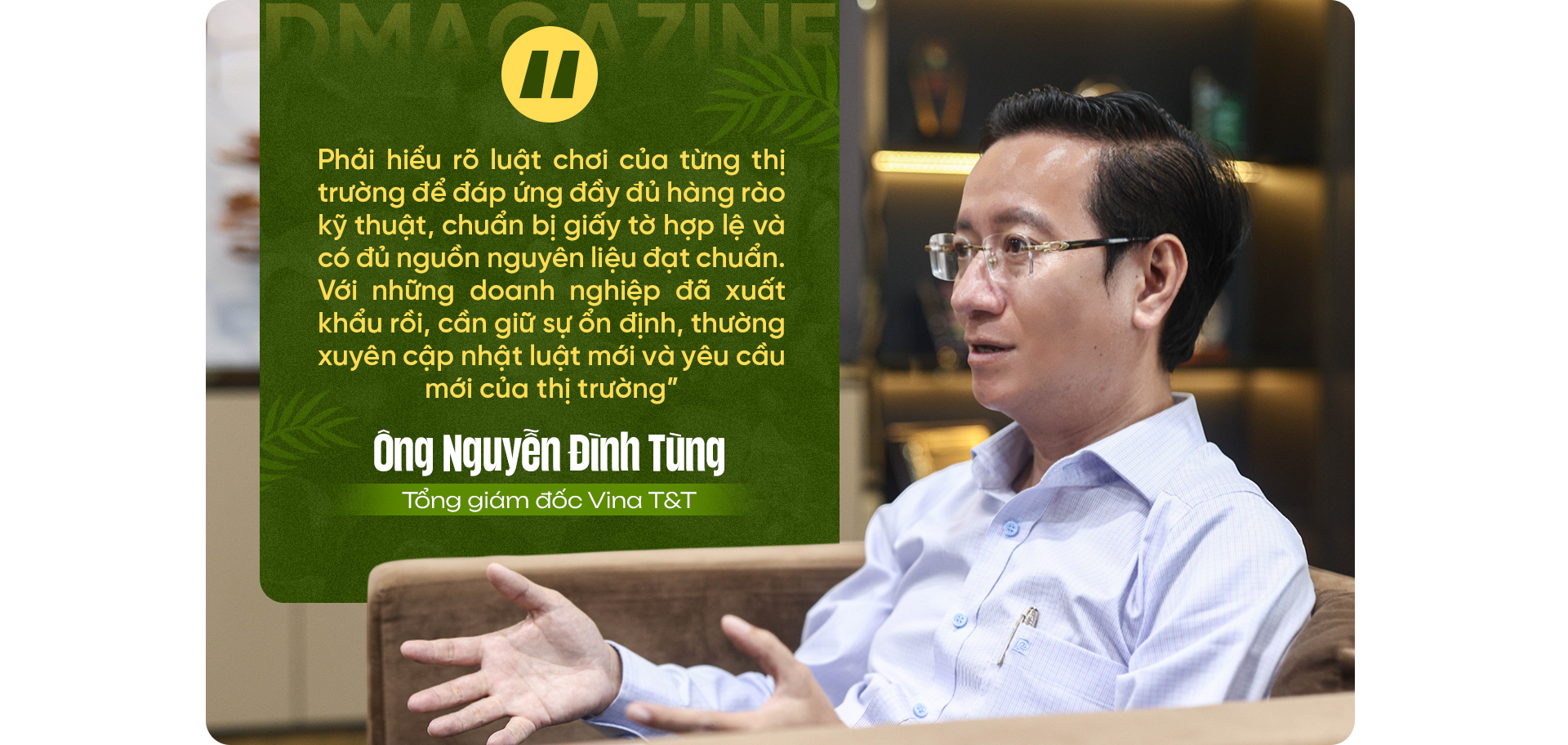
My advice to businesses preparing to export fruit is: thoroughly understand the rules of each market to fully meet technical barriers, prepare all necessary documents, and have sufficient sources of high-quality raw materials. For businesses that have already exported, it is important to maintain stability and regularly update on new regulations and market requirements.
While in 2008, we only exported one type of fruit, dragon fruit, to the US market, after 17 years, we now export eight types of fruit to this market. In addition, many Vietnamese fruits are now present in Australia, New Zealand, Japan, and South Korea – markets known for their strict standards – and have all met the requirements. This proves that Vietnamese fruits are fully capable of appearing in leading global markets.
Once we have the opportunity to enter the market, we must work together to build a brand and bring the best quality fruits to the market. In reality, most export businesses want to bring high-quality goods abroad, but sometimes they don't fully understand the rules of the game or only focus on the "surface," neglecting comprehensive control of residue levels and raw material quality. This poses many risks.
Furthermore, I would like to frankly share that there are still some businesses that operate unethically, deceiving customers posing as importers, accepting deposits but delivering goods of substandard quality, or selling only one batch and then ceasing cooperation. Such cases have a significant impact: initially, the goods are of good quality, but subsequent batches decline in quality, eroding trust.
We don't believe Vietnamese businesses intentionally export substandard goods, but the problem lies in insufficient production capacity and raw material control. While a single factory might maintain high standards, scaling up to two or three factories becomes uncontrollable, leading to risks. Ultimately, businesses lose money and reputation, and this negatively impacts the image of Vietnamese fruit in the international market.
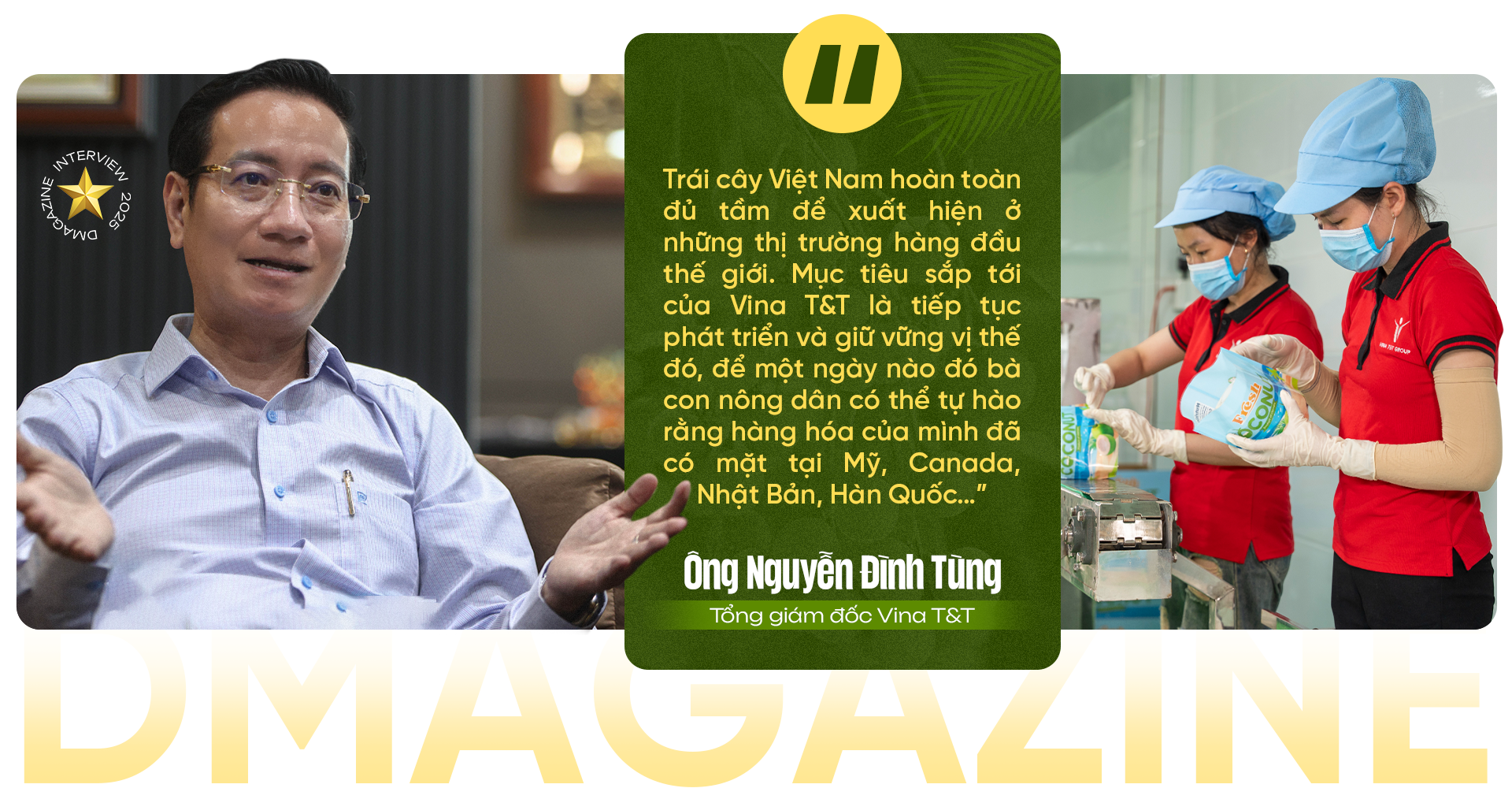
When we connect with our local farmers, we often take pictures of their goods on supermarket shelves abroad and send them back. Everyone feels proud because before, when they sold to traders, they didn't know where their goods were going. Now, they know exactly where their products are displayed and in which country.
I remember elderly farmers, 60, 70, even 80 years old, who had been with the company for many years. Every harvest season, they would excitedly show off: "It's almost harvest time, ready for export. I grew it according to the company's standards." For them, the joy wasn't just about selling at a good price, but also the pride of seeing their fruit appreciated in markets they had never imagined before. These things gave me a much greater sense of pride than the title "king of fruit exports."
Every entrepreneur usually has a certain "mission." What do you think your mission is?
I think a mission isn't something you set for yourself from the start. In the beginning, you just work to "make a living," doing your daily tasks. Then, gradually, during the process, a mission forms itself, and at some point, you feel responsible for that mission.
For example, Vina T&T started with only 2-3 employees. Today, the company has over 200 full-time employees. We recruit and create jobs for thousands of workers in our affiliated households. This means we have a responsibility to thousands of families.
To fulfill that responsibility, the corporation itself must operate stably, have a stable output, and stable jobs. Only then can the families working for us have stability. In addition, there are hundreds of farmers who have trusted and partnered with us. When they grow according to the company's standards, we have to buy their produce at harvest time. That is the bond, the strength of our organization.
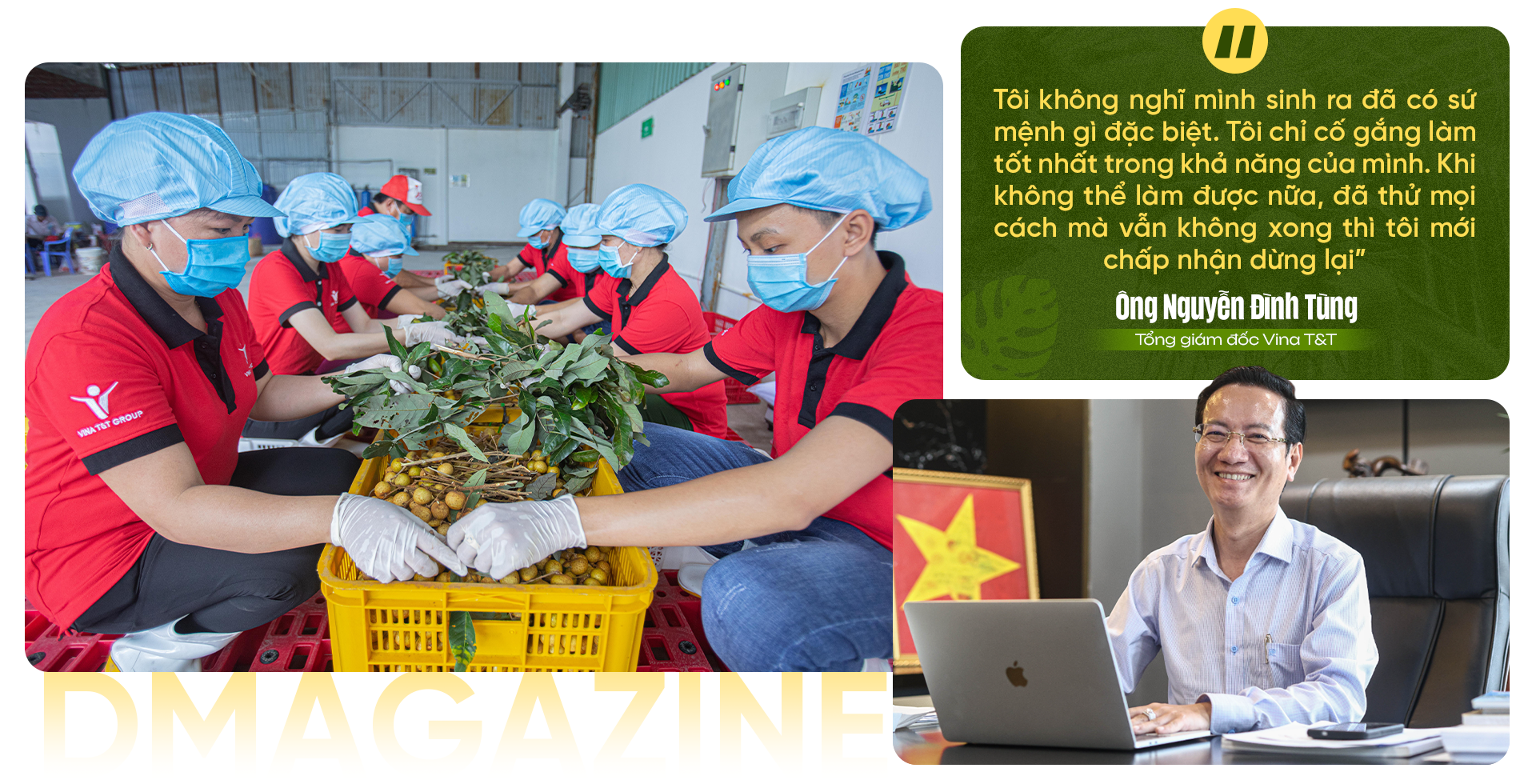
When the pandemic hit, even though there were many reasons to "give up"—because of travel restrictions, lack of markets, and inability to export—we remained connected with the farmers, continued to harvest for them, and found every way to sell their produce. We only stopped when there was no other option. At that time, many officials and departments supported Vina T&T, and the farmers proudly said, "Vina T&T has never left anyone behind."
From those experiences, our mission gradually took shape. Actually, I don't think I was born with any particular mission. I just try to do the best I can. When I can't do it anymore, when I've tried everything and still can't succeed, only then do I accept that I have to stop.
Thank you for the conversation!
Content: Khong Chiem
Design: Tuan Nghia
06/09/2025 - 07:05
Source: https://dantri.com.vn/kinh-doanh/vua-xuat-khau-trai-cay-di-my-ban-dau-toi-chi-nghi-ban-hang-de-muu-sinh-20250831081956193.htm




![[Photo] Closing Ceremony of the 10th Session of the 15th National Assembly](/_next/image?url=https%3A%2F%2Fvphoto.vietnam.vn%2Fthumb%2F1200x675%2Fvietnam%2Fresource%2FIMAGE%2F2025%2F12%2F11%2F1765448959967_image-1437-jpg.webp&w=3840&q=75)





































![[OFFICIAL] MISA GROUP ANNOUNCES ITS PIONEERING BRAND POSITIONING IN BUILDING AGENTIC AI FOR BUSINESSES, HOUSEHOLDS, AND THE GOVERNMENT](https://vphoto.vietnam.vn/thumb/402x226/vietnam/resource/IMAGE/2025/12/11/1765444754256_agentic-ai_postfb-scaled.png)





































Comment (0)