

Agricultural waste in the province has not been collected and processed thoroughly, posing many risks to sustainable development.
Ms. Tran Thi Khuong, from Ding Plei hamlet, Truong Xuan commune, Dak Song district, reported that her family has a fairly large area of cultivated land, with coffee and pepper being the main crops.
Every year, she has to use various agricultural supplies and pesticides to prevent and control diseases in her crops.
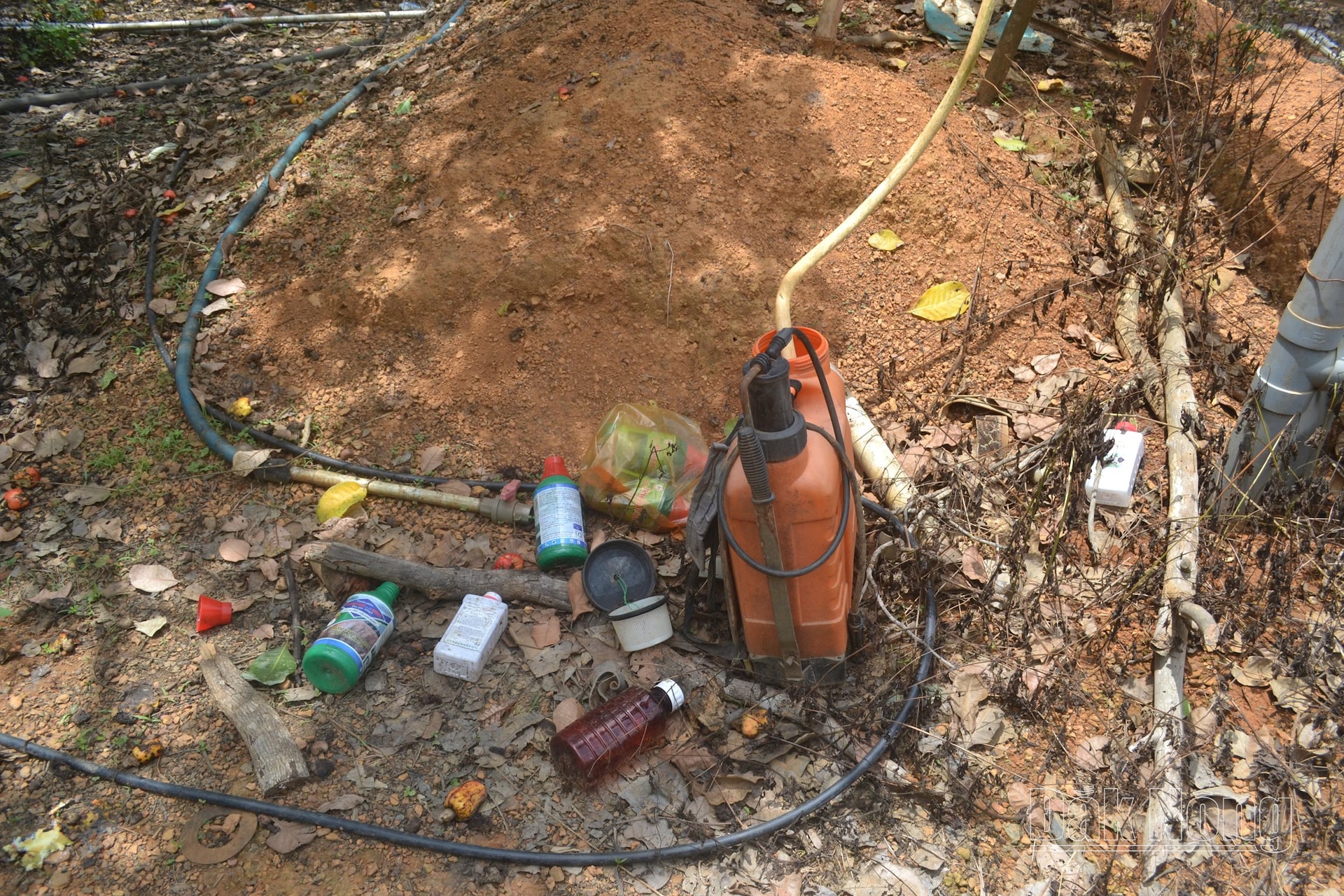
Waste from agricultural supplies such as bottles, jars, and packaging may not be in large quantities, but it accumulates year after year, so the volume is constantly increasing.
She collected and stored the waste in one place, but over time it can become dangerous, as toxic waste can easily seep into the environment.
She doesn't know what the next step should be to ensure the safety of her family and the community. She worries: "I'm very concerned about agricultural waste being carelessly discarded into the environment. I've seen many cases of people throwing things away haphazardly. I would only feel at ease if there were a company or organization contracted to collect and process it."
Ms. Khuong's concerns are common among many farmers in the province. Agriculture in Dak Nong plays a pivotal role in economic development. The agriculture, forestry, and fisheries sector accounts for nearly 40% of the province's economic structure.
According to the Department of Agriculture and Rural Development, farmers in the area use approximately 2.6 million tons of various fertilizers and over 500 tons of pesticides annually.
The amount of waste from packaging, bottles, and agricultural supplies is enormous; if not collected and processed properly, it can easily lead to environmental pollution, causing negative consequences for life and production.
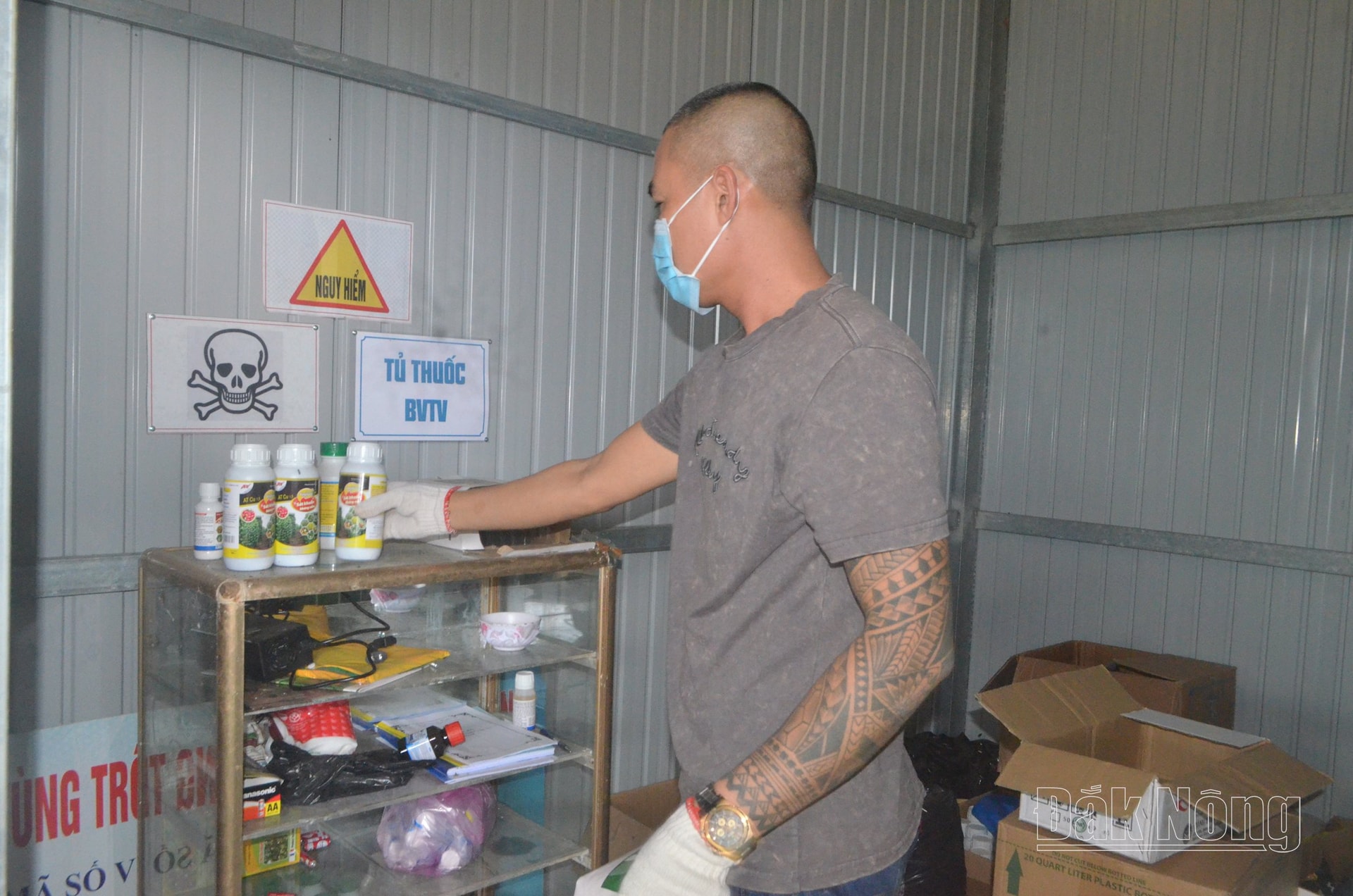
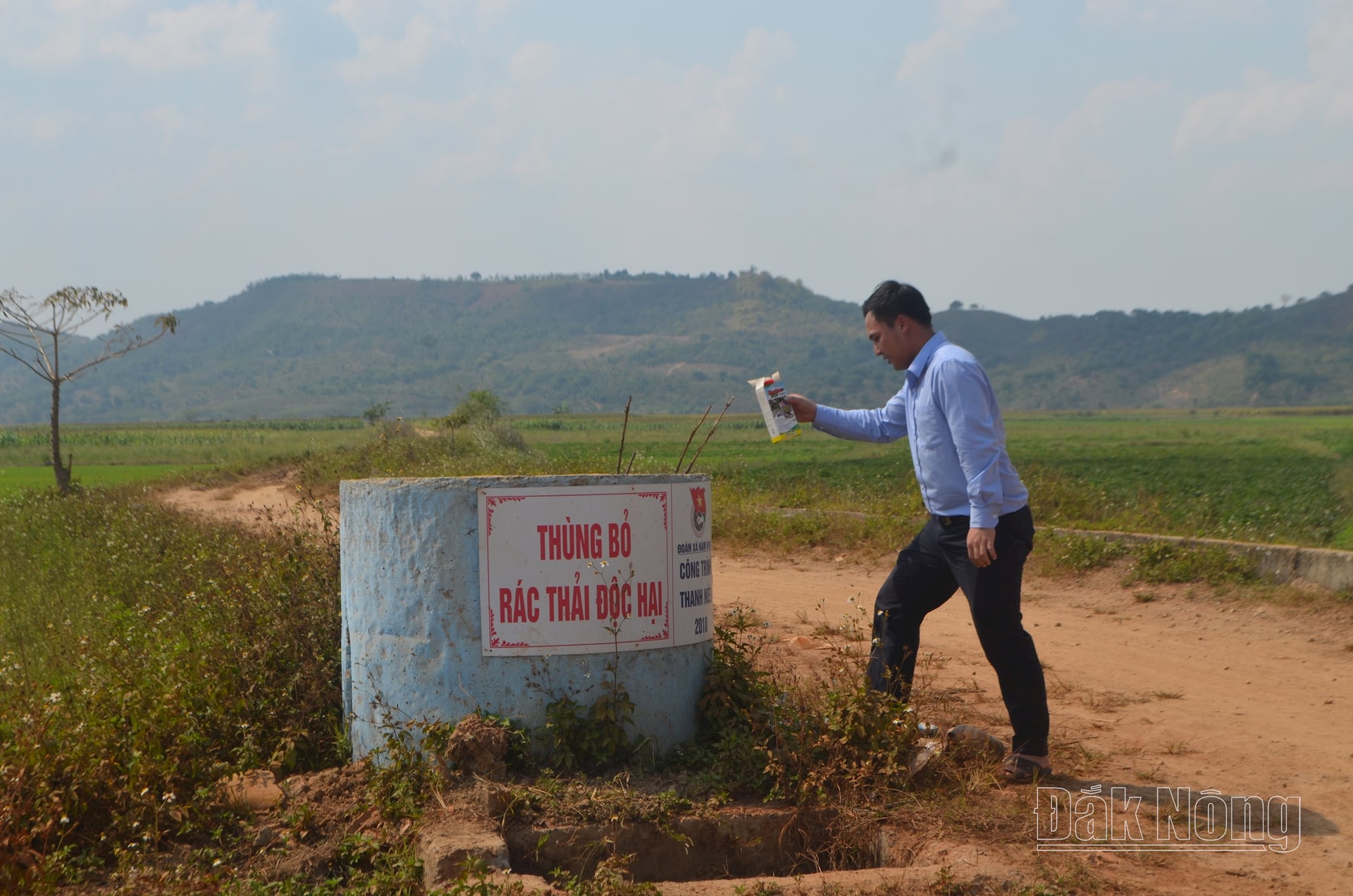
Over the years, provincial authorities, departments, and organizations have implemented several plans and models for sorting and collecting agricultural waste. However, in reality, the handling of agricultural waste has only addressed the symptoms, failing to reach the ultimate goal of proper disposal.
Mr. Phan Van Minh, from Nam Da commune, Krong No district, said that there are already some agricultural waste collection models in the commune. However, these models are only at the collection stage and do not yet know how to process the waste.
He argued that the State needs a mechanism to mobilize the role and responsibility of production and business units in collecting and processing hazardous waste in order to reduce pressure on the community.
In order to find the right solution for agricultural waste, the Department of Agriculture and Rural Development recently organized workshops and conferences with the participation of many units, organizations, and individuals inside and outside the province.
Speaking at the Community Agricultural Extension Workshop on Waste Collection and Treatment in Coffee Production in Gia Nghia City, held at the end of October, Mr. Le Quoc Thanh, Director of the National Agricultural Extension Center, stated that properly and thoroughly treating agricultural waste and supplies is a major challenge for the agricultural sector.
This activity requires specific support in terms of mechanisms and the roles of stakeholders such as the State, businesses, and international organizations in supporting and mobilizing resources for the effective collection and treatment of industrial waste.
The National Agricultural Extension Center will connect with stakeholders to develop and concretize a process for collecting and treating agricultural waste. Initially, this will focus on a model for collecting waste from some of Dak Nong's key industrial crops such as coffee and pepper.
This emphasizes the final elements: waste is processed correctly and safely, ensuring benefits for producers and the community within a closed value chain. This chain will clearly define roles, responsibilities, and rights to achieve efficiency and sustainability.
Source: https://baodaknong.vn/xu-ly-rac-thai-vat-tu-nong-nghiep-tai-dak-nong-dang-o-phan-ngon-234216.html















![[Photo] Prime Minister Pham Minh Chinh holds a phone call with the CEO of Russia's Rosatom Corporation.](/_next/image?url=https%3A%2F%2Fvphoto.vietnam.vn%2Fthumb%2F1200x675%2Fvietnam%2Fresource%2FIMAGE%2F2025%2F12%2F11%2F1765464552365_dsc-5295-jpg.webp&w=3840&q=75)









































Comment (0)