

Experts from the Institute of Energy have provided important information regarding the environmental impact assessment for the adjustments to the Power Development Plan VIII.
Development while ensuring environmental sustainability.
Speaking at the workshop "Adjusting the National Power Development Plan for the period 2021-2030, with a vision to 2050 (Adjusting Power Plan VIII) and the Strategic Environmental Assessment Report" to finalize the proposal to be submitted to the Government, held this morning, February 17th, Ms. Nguyen Thi Thu Huyen - Deputy Head of the Environment and Sustainable Development Department (Institute of Energy) - shared: During the environmental assessment process, scenarios for power source and grid development were carefully considered to ensure national goals on climate change, environmental protection, and sustainable resource use. At the same time, compliance with current environmental regulations was also emphasized to protect public health and promote socio -economic development.
Ms. Huyen emphasized that one of the main goals of the planning adjustment is to develop energy to meet socio-economic needs while ensuring environmental sustainability. The plan should prioritize energy conservation and efficiency, while minimizing negative impacts on the environment and improving the quality of life. Transboundary, interregional, and inter-provincial environmental issues will also be addressed through strategies for preventing, controlling, and mitigating environmental pollution, as well as adapting to climate change and ensuring national energy security.
The Deputy Head of the Department of Environment and Sustainable Development also stated that the strategic environmental assessment has been carried out in accordance with the national environmental protection plan for six regions and the approved land and sea use planning areas. One of the important issues in this planning adjustment is the impacts of climate change, waste management, land use, natural resources, and cultural heritage protection. In particular, Ms. Huyen pointed out that power development scenarios have been considered to minimize emissions and ensure climate commitments, while forecasting that the social costs of environmental impacts will significantly decrease by 2050.
"In environmental protection efforts, factors such as wastewater and solid waste from thermal power plants, hydropower plants, and nuclear power plants will be strictly managed and treated. One of the important initiatives is the recycling and reuse of waste, especially ash and slag from thermal power plants, to minimize environmental impact. By 2050, it is expected that the amount of ash and slag will no longer be as prominent an issue as before," Ms. Nguyen Thi Thu Huyen pointed out.
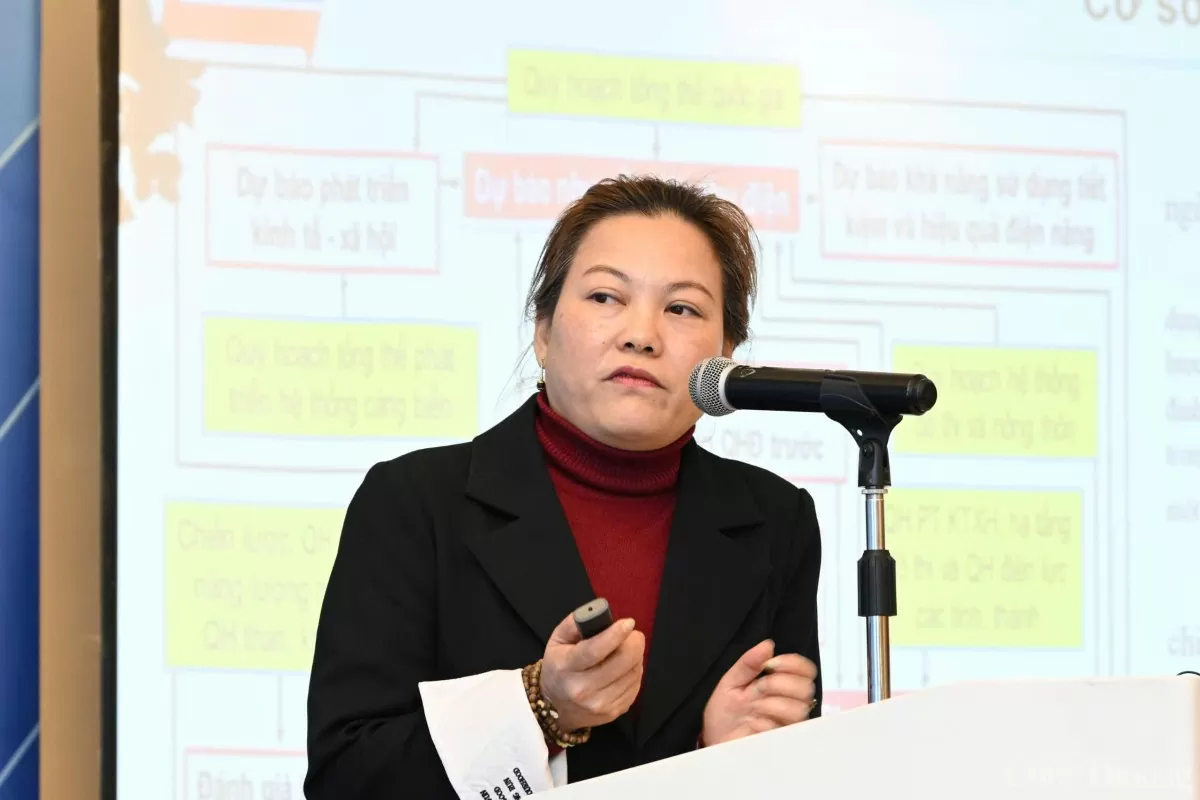 |
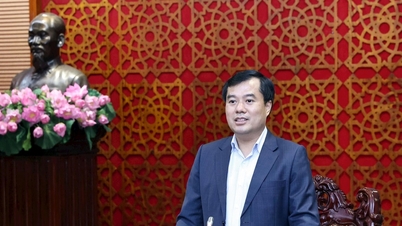
| Ms. Nguyen Thi Thu Huyen, Deputy Head of the Environment and Sustainable Development Department (Institute of Energy). Photo: Can Dung |
Ms. Huyen also noted that the power development plan needs flexible adjustments during implementation, especially regarding land requirements. Although land area has been allocated reasonably, careful consideration is needed to ensure feasibility in subsequent phases, particularly the period from 2031 to 2050.
Solutions to minimize environmental impact
Ms. Nguyen Thi Thu Huyen presented an analysis of the impact of power generation development on natural resources, cultural heritage, and the ecological environment. She emphasized that the development of power sources, especially hydropower, can directly affect water resources and natural heritage if not strictly controlled. Meanwhile, expansion and small-scale hydropower projects will continue to be implemented within the framework of the current power plan.
Regarding thermal power projects, the impact on natural resources is not too serious, but Ms. Huyen advised that factors such as scale, capacity, and environmental impact mitigation measures should be carefully considered during the project selection process. She also mentioned the significant risks from renewable energy projects, especially concentrated solar power and onshore wind power projects, due to the large land and water occupation that can alter natural ecosystems.
In the field of nuclear power, the impact on natural resources and natural heritage is negligible, but for power transmission projects, the risk of disrupting important ecological zones is a matter that needs to be considered. Ms. Nguyen Thi Thu Huyen stated that developing power transmission in the context of adjusted power planning may make it difficult to protect ecosystems.
The Deputy Head of the Department of Environment and Sustainable Development also mentioned concerns about environmental pollution, especially air, water, and soil pollution, due to the increasing scale of thermal power projects. However, adjustments to power planning have helped to minimize pollution and improve environmental quality in areas where power sources are developed.
Ms. Huyen also emphasized the issue of disaster risk management, especially in the context of climate change and natural disasters. The selection of projects and mitigation solutions must be done carefully to ensure adaptation and risk reduction for power infrastructure.
Regarding solutions to minimize environmental impacts during power development, Ms. Huyen stated that the Institute of Energy has researched and set national targets for environmental protection, especially in provinces and regions affected by the adjusted power plan. Specifically, these targets include reducing the proportion of toxic substances in the air and water, treating wastewater to meet national standards, and improving the proportion of renewable energy in primary energy consumption.
Furthermore, Ms. Huyen emphasized that Vietnam's sustainable development indicators need to be ensured, such as reducing dependence on fossil fuels, reducing greenhouse gas emissions, and protecting natural resources, especially forest ecosystems and water sources. She also proposed technological and management solutions related to wastewater and exhaust gas treatment at power plants to achieve environmental protection and sustainable development goals.
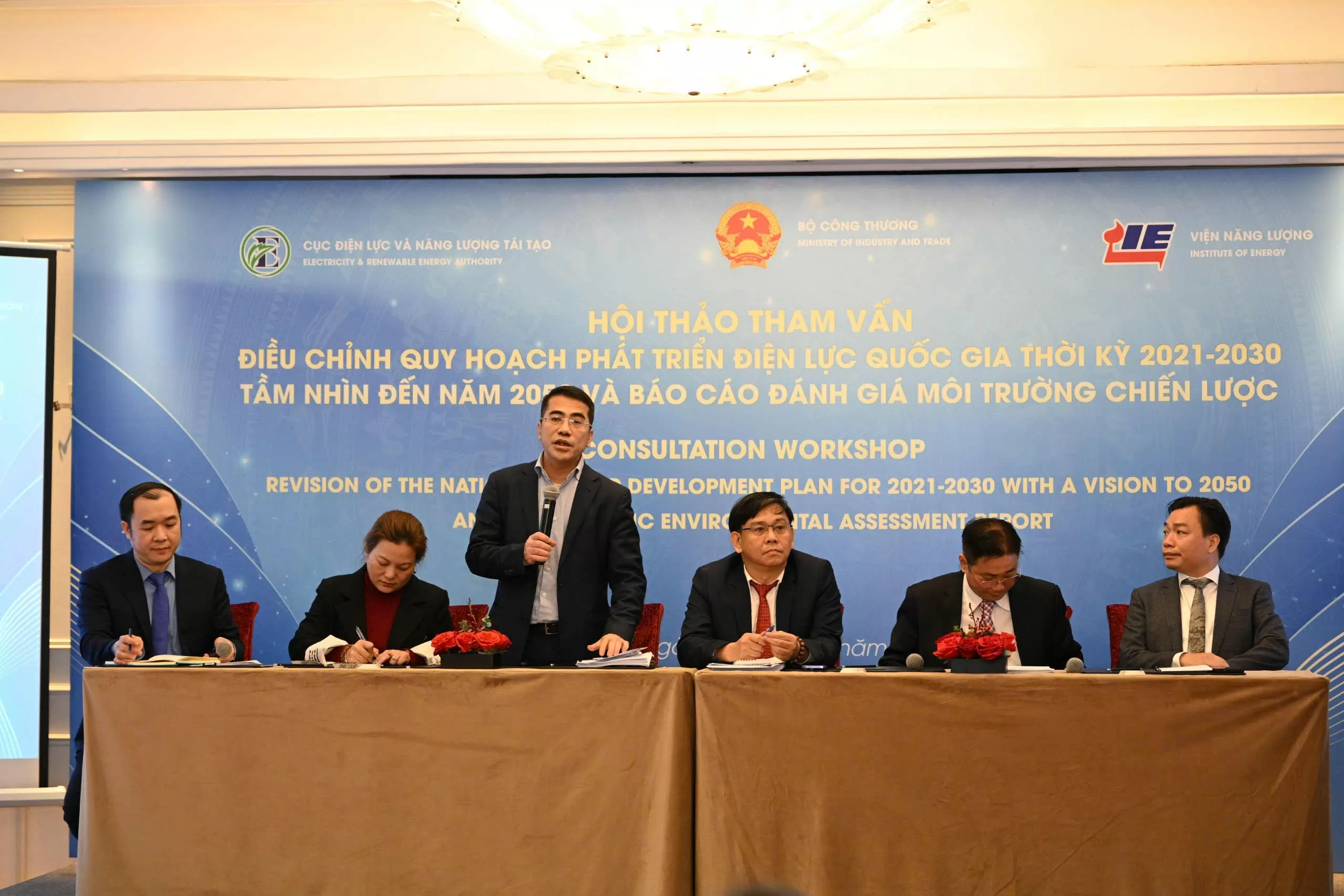 |
| Overview of the seminar. Photo: Can Dung |
At the same time, Ms. Huyen stated that during the implementation of the revised power plan, there will be scenarios for developing renewable energy sources, such as solar power, wind power, and nuclear power. These solutions aim to reduce pressure on land, water, and raw material resources, while simultaneously reducing greenhouse gas emissions and protecting the environment. However, the implementation of new nuclear power projects will also require a favorable investment mechanism and policy to meet international standards and commitments on environmental safety.
| Vietnam needs a large-scale investment plan to achieve environmental protection goals and meet international standards. At the same time, it needs to strengthen development cooperation and create a skilled workforce to cope with future technological changes and energy transitions. |
Source: https://congthuong.vn/dieu-chinh-quy-hoach-dien-viii-xu-ly-tac-dong-moi-truong-ra-sao-374193.html


















![[Photo] Prime Minister Pham Minh Chinh holds a phone call with the CEO of Russia's Rosatom Corporation.](/_next/image?url=https%3A%2F%2Fvphoto.vietnam.vn%2Fthumb%2F1200x675%2Fvietnam%2Fresource%2FIMAGE%2F2025%2F12%2F11%2F1765464552365_dsc-5295-jpg.webp&w=3840&q=75)














































Comment (0)