

Interesting culinary features
People in Quang Nam also make a clear distinction: "mid-morning meal" refers to a meal eaten in the morning, around 9 to 10 am. A meal eaten after 3 pm is called a "afternoon meal." Meanwhile, in Hue , it's generally referred to as a "mid-afternoon meal."
Although it's still Quang Nam province , many places, instead of calling it "mid-morning meal" to refer to the mealtime, use the phrase "eating and drinking water."
Sometimes, when I'm lost in thought, I wonder why our grandparents called the supplementary meal "eating and drinking water" since we have to drink water after eating anyway? Well, sometimes language is just a matter of habit, so the only way to understand things is to try to learn the Quang Nam dialect and way of speaking.
Interestingly, there's a clear distinction in portion sizes between the mid-morning and afternoon meals. The mid-morning meal is usually much more substantial and substantial than the afternoon meal.
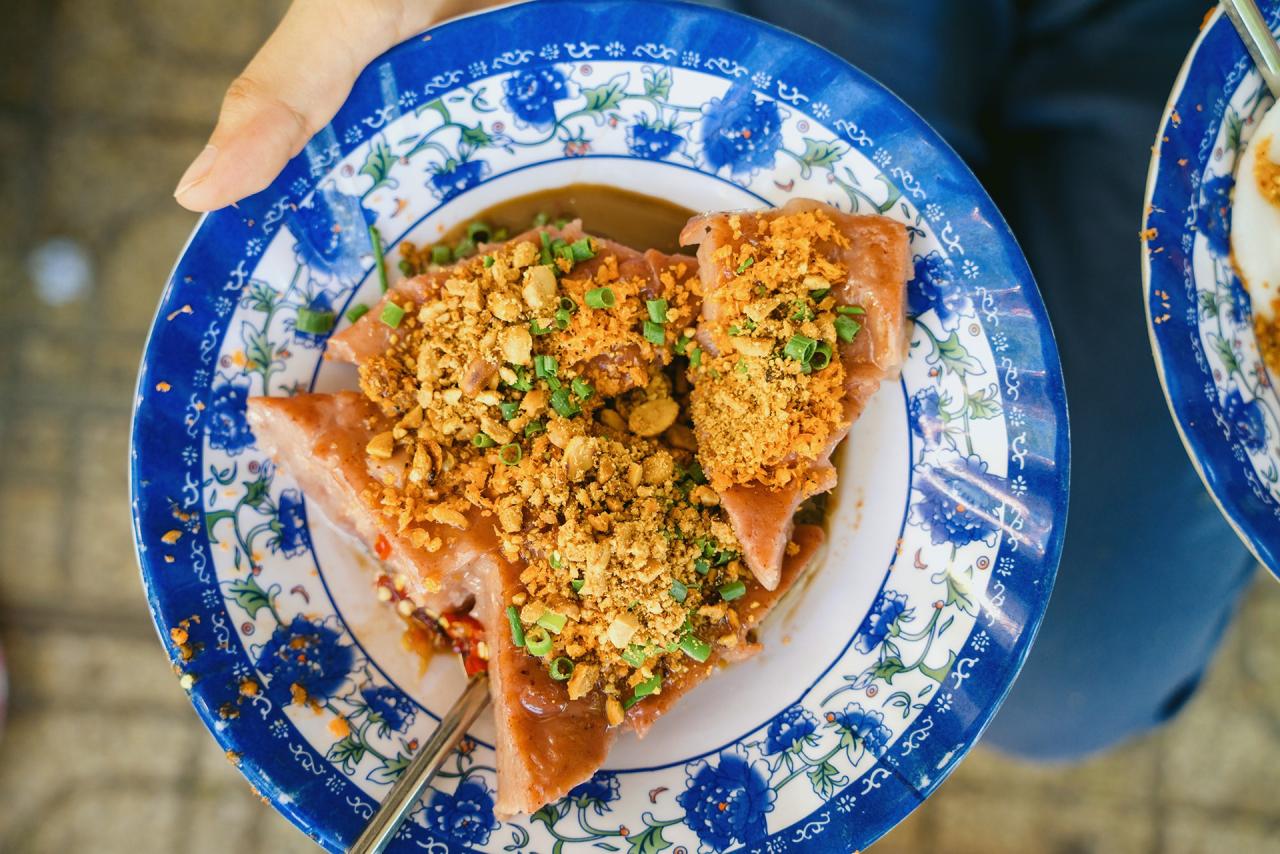
For example, while mid-morning snacks often feature savory dishes like Quang noodles, banh beo, banh duc, banh goi, etc., afternoon snacks tend to lean towards sweet treats like sweet soups, cassava, and sweet potato puree.
Even for laborers, an afternoon snack is nice to have, but it's not essential... The indispensable presence of this supplementary meal in rural life has become a rather interesting culinary cultural feature of the people of Quang Nam province.
In the old days, meals consisted only of vegetables and fish sauce, so those who worked as laborers, and even family members, looked forward to the day they went to work in the fields so they could have a satisfying mid-morning meal.
Just imagine, around mid-morning, the sun rising above the bamboo grove, those potatoes and cassava roots you ate for breakfast are gone in a flash while you're busy working in the fields.
My limbs were starting to ache, my body needed more energy to keep going… and there they were. From a distance, I could see a figure carrying two baskets covered with banana leaves, cautiously making their way along the narrow edge of the rice field. That was the signal that the homeowner was bringing the workers their mid-morning meal.
Rich in countryside colors
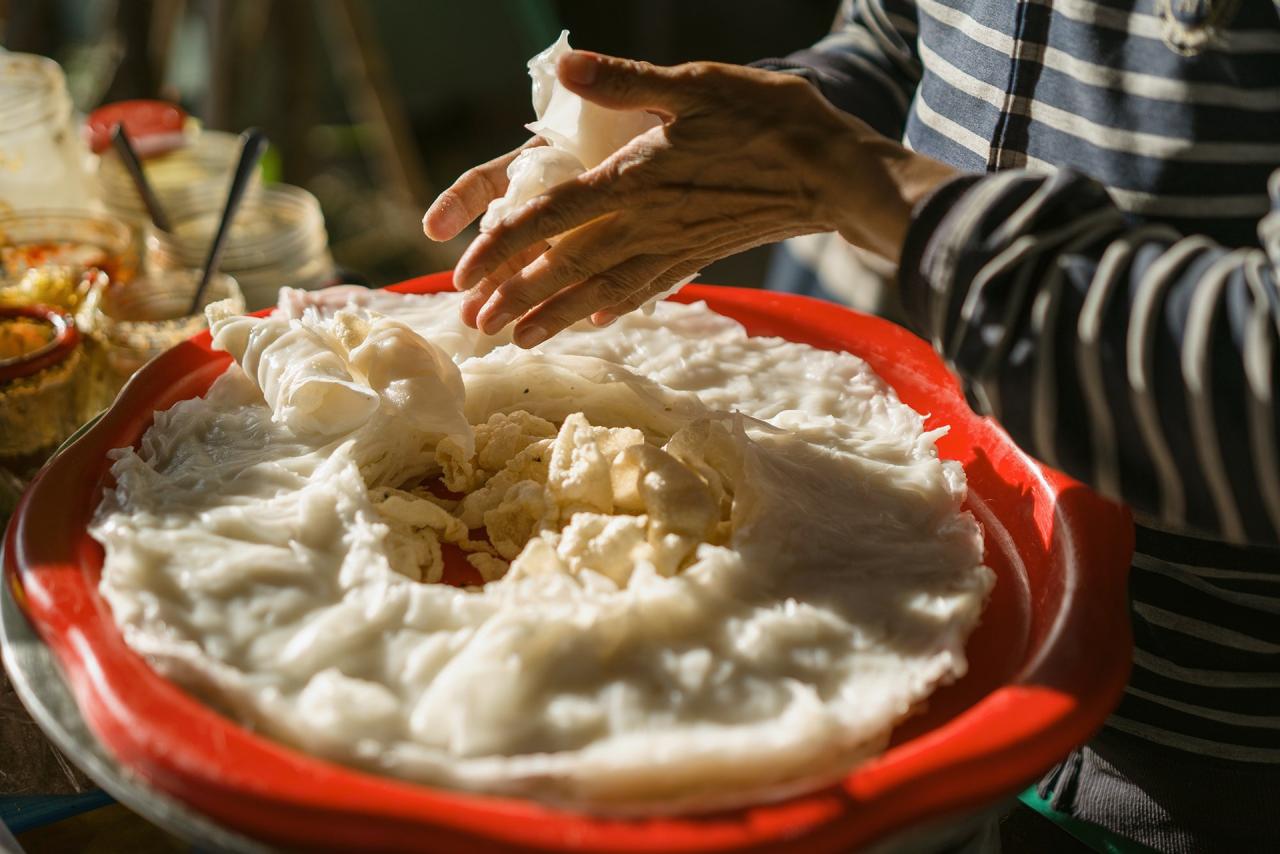
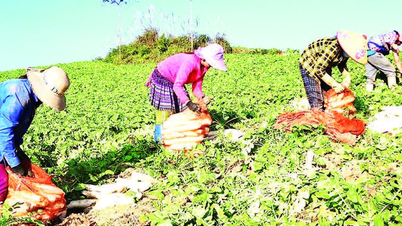
Those who have tasted meals in the fields will never forget the flavors steeped in the colors of the countryside. The feeling of sitting in the middle of a windy field, surrounded by the scent of ripening rice and mud, enjoying a bowl of Quang noodles, a couple of bowls of banh beo (rice cakes), or a few banh goi (wrapped rice cakes) or banh nam (steamed rice cakes)... with the harvesters from the village is truly delightful.
Back then, poverty meant that noodle soups like Quang-style noodles were made with flying fish, a delicious, nutritious, and inexpensive "national" fish, or snakehead fish freshly caught the day before. Well-off families would make noodle soup with shrimp and meat. But generally, there was more noodles than toppings, mainly to fill the rumbling stomachs of strong, muscular men who could easily overpower an ox.
Eating out in the fields is great because there are no formal greetings or polite gestures; no need for formality or politeness. With muddy hands and feet, you just need to quickly wash them in the ditch, or even wipe them on your pants a few times, before you can pick up your chopsticks.
After eating, have a bowl of green tea, rest a little to help digest the food, or gather around to listen to the village's comedians tell stories before heading back to the fields to continue working.
People say that farmers now have a very easy life. The new rural model has reached even the smallest villages. Plowing, hoeing, sowing, and harvesting are all done by machines, so farmers only have to do menial tasks. Because of this, plowmen, planters, and harvesters no longer have a place to live.
Even the custom of "sharing labor" has gradually disappeared, so landowners no longer need to treat their workers to lunch or afternoon snacks. As for the tractor and combine harvester drivers, during their breaks they just ride their motorbikes to the village's food stalls to eat beef noodle soup or rice noodle soup... hardly anyone brings their own food because it's too much trouble.
That's why those midday meals in the fields are now just a memory of the countryside. And even if you wanted to have a meal similar to that, it would be difficult to recreate the atmosphere of the past.
Those poignant memories stir within us the "country bumpkin," making us want to leave behind cramped eateries, luxurious restaurants, and air-conditioned spaces, and rediscover a taste of the past…
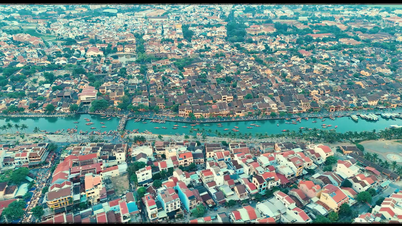
The trend of temporarily leaving the crowded city to return to the countryside with home-cooked meals has stimulated tourism and rural cuisine. In Hoi An alone, there are many cafes and restaurants with views of vast rice fields.
Here, visitors can sip coffee and enjoy authentic Quang Nam cuisine amidst the vast rice fields, feeling as if they've traveled back in time to a bygone era. There, elderly mothers stay up all night making noodles and wrapping rice cakes to prepare mid-morning meals for the harvesters and rice planters the next day…
Source: https://baoquangnam.vn/an-nua-buoi-giua-canh-dong-3140479.html




















































Comment (0)