

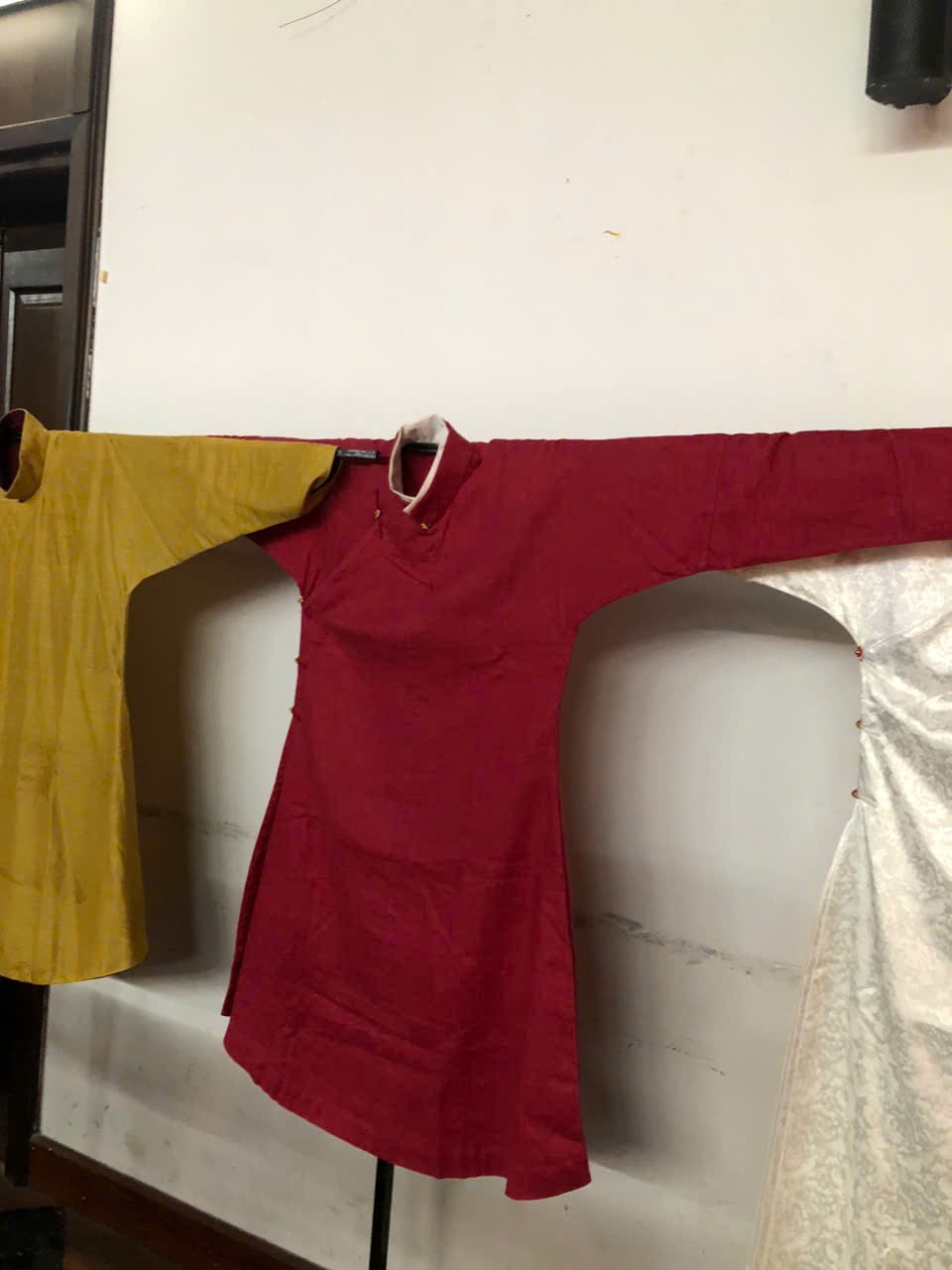
Over the past 10 years, the Vietnamese Village Temple Group has also been a pioneer in restoring the traditional five-panel áo ngũ thân (traditional Vietnamese tunic), which has existed for hundreds of years and possesses historical value, contributing to the identification of Vietnamese national identity, suitable for various age groups, social classes, and circumstances.

Researcher Tran Doan Lam affirms the necessity of a national costume, along with the national anthem, national flag, and national name of Vietnam… as the most concise, easily understandable, and expressive symbols of a nation and its people. In terms of culture, the ao dai also contributes to positioning the national culture within the colorful tapestry of world culture, and is suitable for ceremonial situations, especially diplomatic relations and cultural and artistic activities. According to Dr. Tran Doan Lam: The traditional ao dai, with its fitted or loose sleeves, inherited from the five-panel ao dai originating from Hue, is a suitable choice for both men and women.
The five-panel ao dai (traditional ao dai) originated during the reign of Lord Nguyen Phuc Khoat, and was highly valued and cherished, becoming the main attire of the people in the Dang Trong region, affirming cultural independence. During the reign of Emperor Minh Mang, with his decisive changes to clothing throughout the country, the five-panel ao dai was widely adopted and standardized nationwide.
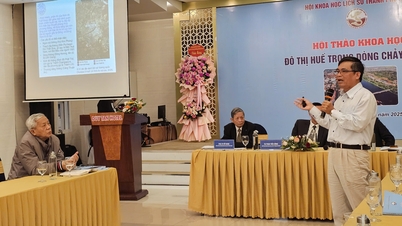
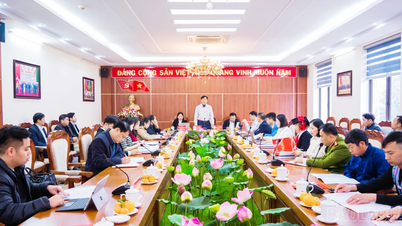
At the seminar, Associate Professor Bui Xuan Dinh, advisor of the Vietnamese Village Club, expressed his wish that men's Ao Dai would be worn regularly by officials and employees in offices, 2-3 times a week, and hoped that the Government would soon issue regulations on this matter, recognizing Ao Dai as the national costume.

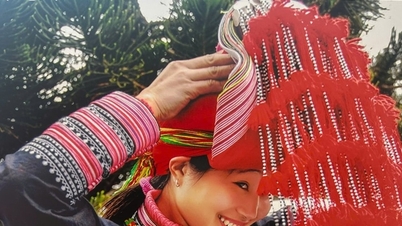
However, there are also concerns about the Ao Dai within the context of Vietnamese cultural diversity, as this culture is a harmonious blend of the cultures of 54 ethnic groups coexisting on the S-shaped land. Each ethnic group has its own traditional clothing, all worthy of respect and preservation, and policies have been implemented to promote them as cultural heritage. But when considering a potential national costume to represent Vietnamese culture at the national or international level, we must choose the most popular garment, one that effectively expresses the identity of the Vietnamese people when thinking of Vietnam as a unified community, or Vietnamese culture as a unified entity.

Dr. Le Thi Minh Ly, a member of the National Council for Cultural Heritage, believes that protecting the ao dai (Vietnamese traditional dress) is also about preserving Vietnamese cultural values, encompassing many meanings: family, lineage, rituals, customs, behavior, and performing arts. Accordingly, the ao dai is a creative product of intangible cultural heritage. Protecting the ao dai is also a way to identify who we are, wherever we are, at any time. However, according to Dr. Le Thi Minh Ly: “Protecting the ao dai is also about preserving diversity. Whether it's the five-panel dress or something else, it must still be the ao dai; we shouldn't be rigid about not developing it. We have many opportunities to express ourselves, but the core value of the ao dai remains unchanged. Tradition is not frozen; it must be used flexibly, respecting identity in diversity and equality in culture.”
Dr. Le Thi Minh Ly also affirmed that the five-panel ao dai (traditional Vietnamese dress) has historical significance and represents pride in the dynasty that invented it; it is convenient, dynamic, and widely used. While not yet proposing the ao dai as the national costume, Dr. Minh Ly believes that it should be worn by a large number of people, appearing in many places, thereby creating a ripple effect in the community. She also believes that in the not-too-distant future, the ao dai – a cultural creation of the Nguyen dynasty – will “shine,” starting from Hue. As evidence, she points out that not long ago, the Hue ao dai tailoring and wearing tradition was included in the National List of Intangible Cultural Heritage by the Ministry of Culture, Sports and Tourism.
Source: https://vov.vn/van-hoa/ao-dai-truyen-thong-lieu-co-the-tro-thanh-quoc-phuc-post1118202.vov










![[Video] Hue and Quang Ninh mark strong tourism growth](https://vphoto.vietnam.vn/thumb/402x226/vietnam/resource/IMAGE/2025/12/12/1765555481742_dung00-22-16-02still007-jpg.webp)






















































Comment (0)