

The soldiers without uniforms
In recent years, with the volatile situation at sea, the role of fishermen has been increasingly affirmed not only in economic terms but also as a symbol of courage and perseverance.
They were among the first to arrive in traditional fishing grounds, where Vietnam's sovereignty is affirmed not by maps, but by its unwavering daily presence.
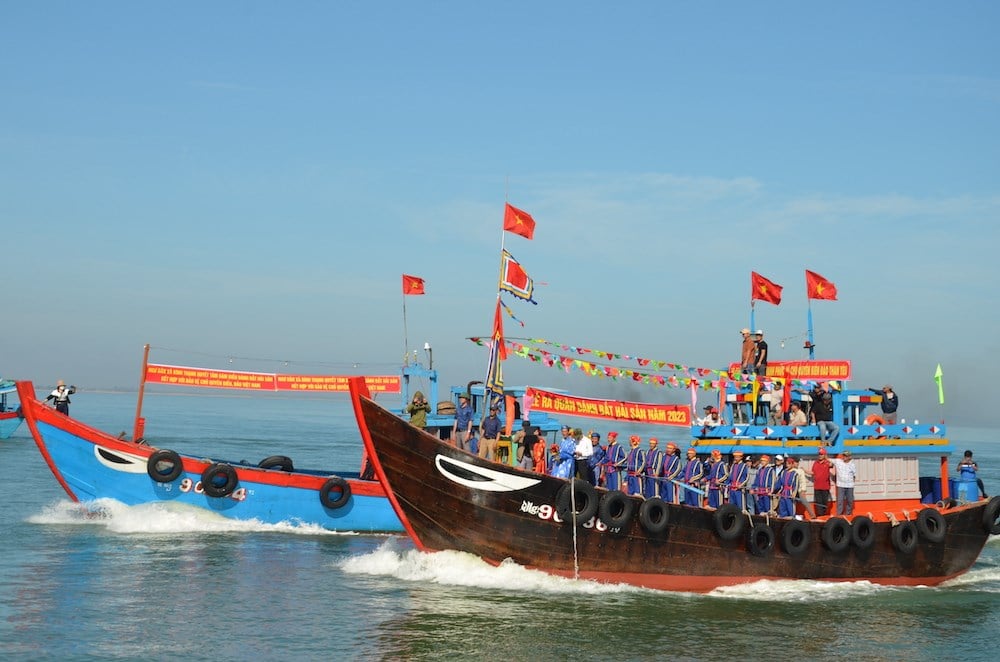
In Quang Ngai, the fishing villages of An Vinh and An Hai on Ly Son Island have a centuries-old tradition of going to the Paracel Islands. The stories of the heroic Paracel Islands troops of the 17th century are no longer distant historical records but are present in every fishing boat and every inscription on memorial stone tablets.
Mr. Truong Van Hong, a fisherman over 60 years old, shared: “Whenever we take our boats to Truong Sa and Hoang Sa to fish, the national flag is always flown on each vessel. We know there are risks, but that is the fishing ground of our ancestors; if we abandon it, who will protect it?”
Uncle Hong's story is not unique. Along the coast of Da Nang, hundreds of large fishing vessels regularly venture out to sea for extended periods.
Solidarity fishing teams have been formed at sea, not only to support each other but also to help monitor and report any foreign vessels entering the territorial waters. This presence, quiet but continuous, is a firm affirmation of our sacred maritime sovereignty.
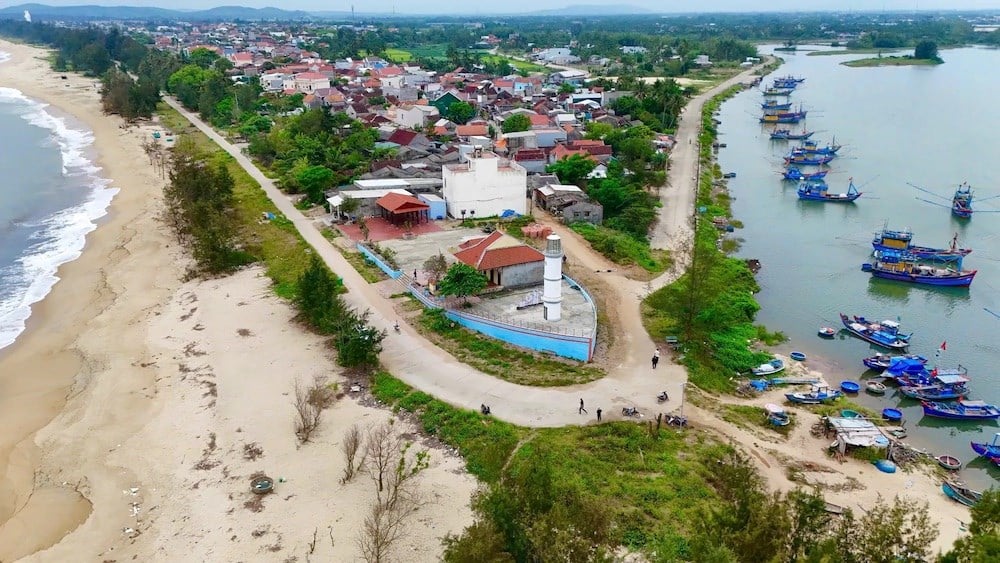
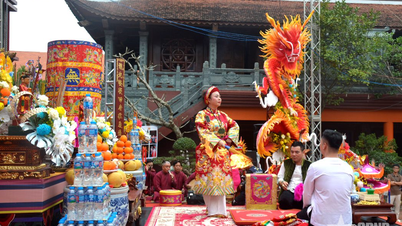
Beyond ships and sails, the spirit of protecting the sea is deeply ingrained in the coastal culture and beliefs of Central Vietnam. Shrines dedicated to the Whale God, fishing festivals, and traditional folk songs are ways for people to express their gratitude to the sea and also serve as a sacred oath to the nation.
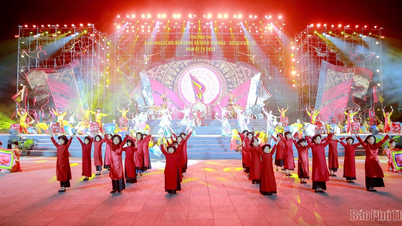
In Thuan An fishing village (Hue), during each fishing festival, the entire community gathers on the beach to carry the sacred statue of the Whale God, offer sacrifices, and perform traditional folk songs and dances. The atmosphere is both sacred and vibrant, a testament to the enduring maritime culture and strong community spirit passed down through generations.
The festival is not only a way to remember the sea, but also to remind each other that the sea is an integral part of the nation, inseparable from its very being.
In Quang Ngai, the Temple of the Departed Souls, built in the shape of a fishing boat, is a memorial to fishermen who lost their lives at sea. Amidst the solemn incense smoke, stories of their voyages to the open sea, of those who never returned, are told with both tears and pride. It is an epic that needs no glorification, only to be continued.
Preserving the sea – preserving the soul of the nation.
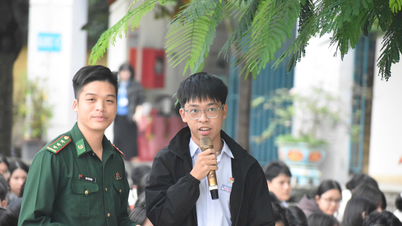
The good news is that the spirit of protecting the sea is not limited to the older generation. Many young people in Central Vietnam today are clearly aware of their role in continuing the tradition of protecting the sea and islands.
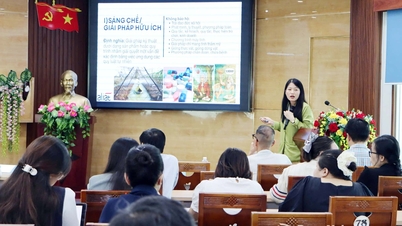
Schools in Da Nang organized the program "I Tell Stories About My Homeland's Islands and Seas," including competitions for writing reflections, composing music, and drawing pictures on the theme of Hoang Sa and Truong Sa. Many students expressed their desire to become naval soldiers, marine engineers, or oceanographers.
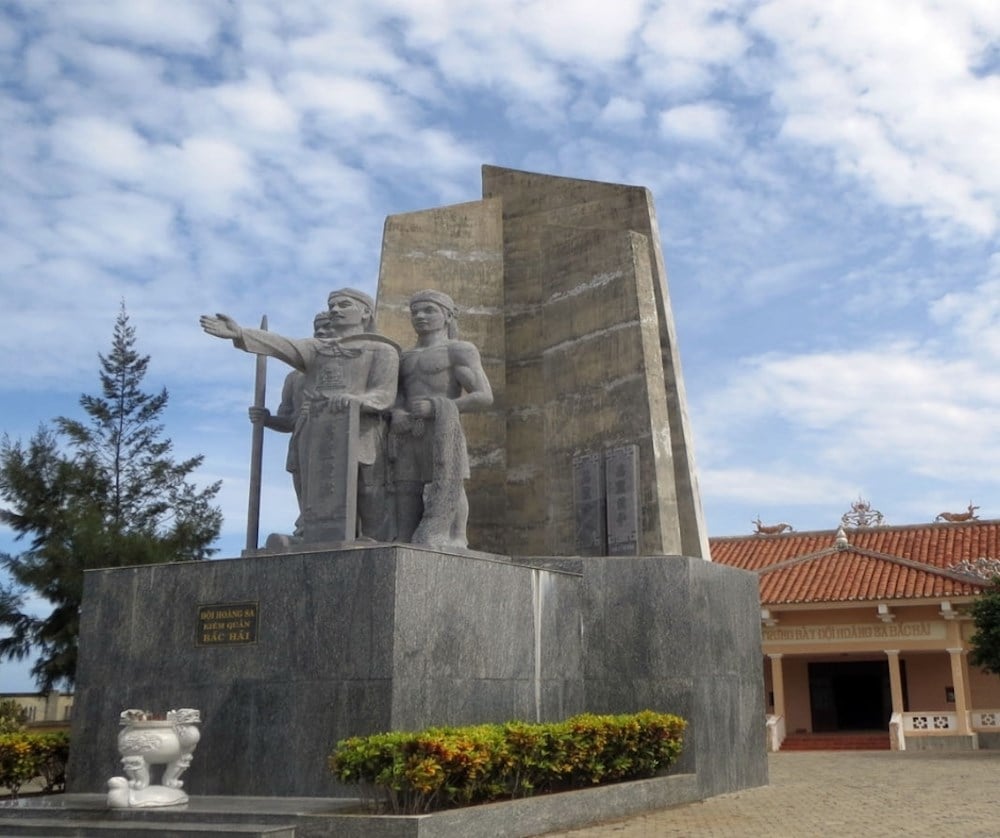
In Hue, the "Youth with the Sea and Islands" club has organized numerous visits, gift-giving events, and exchanges with the fisheries patrol and coast guard forces. Through these meetings, the young people learned to love the sea not only through words but also through concrete actions, from preserving the marine environment to promoting sovereignty on social media.
With all their love and courage, the fishermen of Central Vietnam have been fulfilling a great mission: guarding every inch of water and every wave of the Fatherland. In times of hardship and uncertainty, they remain steadfast and resolute, like living landmarks affirming undeniable sovereignty.
Protecting the seas is not only the responsibility of the navy and coast guard, but also a shared cause of the entire nation, from fishermen and cultural artisans to teachers and every student in school.
Every story, every festival, every photograph of the sea and islands, if preserved and disseminated properly, will become a powerful soft weapon in the cause of protecting sovereignty.
On those turbulent waves, there remain patriotic hearts, steady hands at the helm, and eyes always fixed on a single horizon: the East Sea – where the soul of the Vietnamese nation continues to surge.
Source: https://baovanhoa.vn/van-hoa/bai-1-tren-nhung-con-song-khong-lang-151592.html









































































Comment (0)