

Notes on lifestyle habits
According to the World Health Organization, obesity is a condition characterized by the excessive accumulation of body fat to the point where it negatively impacts a person's health and life.
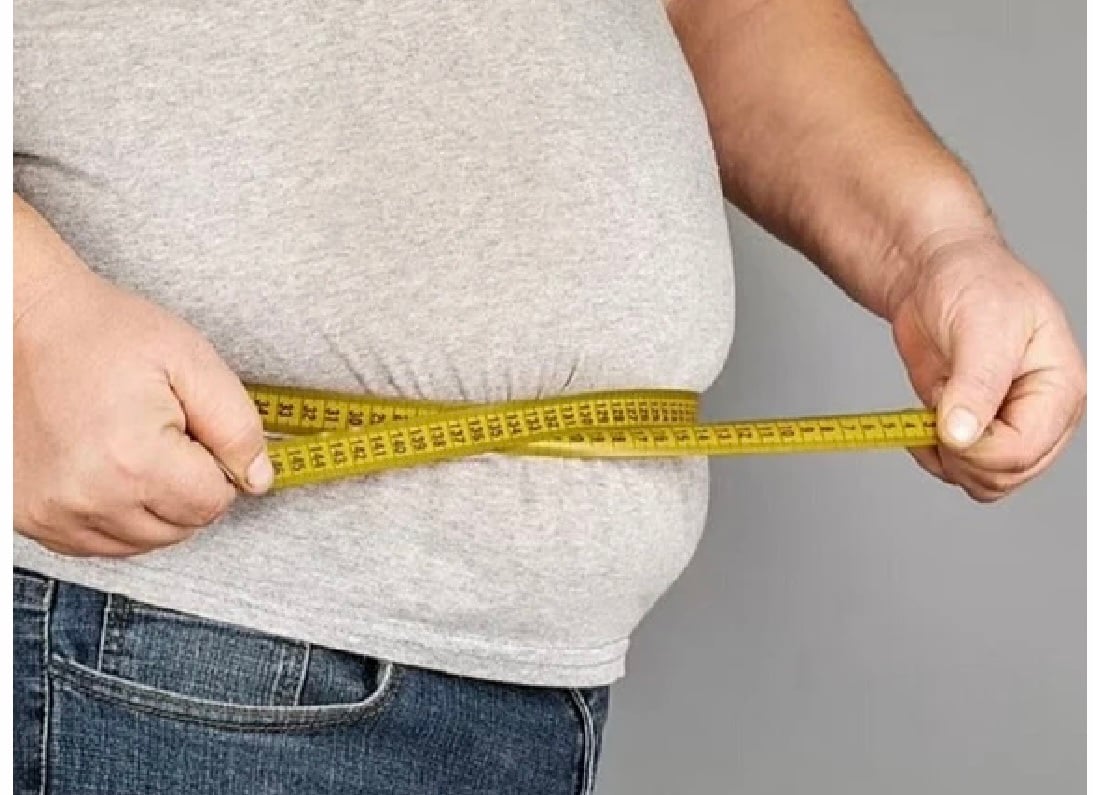
Overweight and obesity, especially abdominal obesity, are closely related to diet and exercise.
The fundamental cause of weight gain, leading to overweight and obesity, is an energy imbalance between calorie intake (energy from food and drinks) and calorie expenditure (physical activity). The best and most sustainable weight loss principle is knowing how to choose healthy foods and increasing regular physical activity.
The harmful effects of being overweight or obese include an increased risk of diabetes, hyperlipidemia, hyperuricemia, non-alcoholic fatty liver disease, polycystic ovary syndrome, kidney disease, and cancer.
According to the National Institute of Nutrition, through nutritional counseling, experts have received numerous complaints from office workers about uncontrolled weight gain and obesity, including abdominal fat.
Ms. Vuong Thi Ho Ngoc (National Institute of Nutrition), a Master's degree holder, shared that the main causes of overweight and obesity, especially abdominal obesity, among office workers are primarily due to prolonged sedentary lifestyles and lack of physical activity; the habit of sitting for long periods with a hunched posture; and frequent afternoon snack breaks with colleagues. Afternoon snacks are often high in sugar and fat, which are significant factors contributing to excess energy intake.
These factors are very common and contribute to weight gain, being overweight, and having belly fat.
Principles of weight loss
According to the Ministry of Health's guidelines on obesity treatment, lifestyle interventions are fundamental to ensuring sustainable and safe weight loss, including nutritional interventions, physical exercise, behavioral changes, and psychological support.
Losing weight abruptly can have very harmful effects on health; therefore, we can lose 5% of body weight within 3 months through lifestyle interventions. Following these guidelines, to ensure good health during weight loss, it is recommended to only lose 5-15% of body weight over a period of 6 months.

Snacks high in sugar and fat are a common cause of weight gain among office workers.
The energy requirements for office workers (light labor) are: 30 kcal/kg body weight for men and 25 kcal/kg body weight for women.
To maintain the results of weight loss, office workers should remember to maintain these habits: consistently exercise about 5 times a week, for about 30 minutes each time. At the office, try to take advantage of every opportunity to increase physical activity.
Maintaining good posture while sitting helps prevent the accumulation of belly fat (ideally, make it a habit to sit with your stomach tucked in).
Developing the habit of preparing nutritious lunches for yourself helps control energy intake. Limit fatty foods and sugary items.
Make it a habit to decline snacks at work and after work. These seemingly light snacks can actually contain a lot of calories.
You should only drink plain water and tea instead of sugary drinks, smoothies, coffee, or milk tea. Trying to drink enough water will help reduce your appetite. Eat all your meals and don't skip any main meals, because skipping meals will create cravings for the next meal.
A specific weight loss plan is necessary. Gradually increasing the goal and intensity allows the body to adapt, which helps maintain good health and the weight loss results achieved.
You should monitor your weight daily or weekly to help control and adjust it towards your ideal weight.
"Office workers often try various weight loss methods to regain a balanced and healthy physique; however, many struggle to maintain their results. If we can't control our eating habits, it will be difficult to successfully lose weight," the nutritionist noted.
To calculate the energy requirements for a meal plan for overweight individuals wanting to lose weight, you can use ideal body weight as follows:
Energy intake for obese individuals = ideal weight × (20 - 25 calories)
For example: a 1.7m tall male doing light work (office worker) who is overweight or obese.
The energy requirement for a weight-loss diet is: 63.6 x (20 - 25 calories) = 1,271 - 1,590 kcal/day.
In addition to a proper diet, office workers need appropriate physical activity. They should aim for an average of 30-40 minutes of physical activity per day (approximately 150 minutes per week). Alternatively, they can exercise several times a day, each time for at least 10 minutes.
You should exercise at least 5 days a week, ideally every day.
(National Institute of Nutrition)
Source link










































































Comment (0)