

In recent years, South Korean tourists have surpassed other countries to become the leading international visitors to Vietnam, thanks to the bilateral economic cooperation strategy and the appeal of unique destinations and tourism products. This is a "gold mine" for Vietnam's tourism industry to exploit.
Korean tourists are increasingly choosing to visit Vietnam.
According to information from the Vietnam National Tourism Administration, the number of South Korean tourists visiting Vietnam has recently achieved an average growth rate of 38% per year. In 2023, South Korea was Vietnam's largest source market with 3.6 million visitors. In the first six months of 2024 alone, the number of South Korean tourists to Vietnam surpassed China, taking first place with 2.2 million visitors (accounting for 25.8%).
Explaining the reasons behind the surge in South Korean tourists visiting Vietnam, tourism experts suggest that the increasing number of South Korean factories opening in Vietnam over the past few years has helped South Koreans become more aware of the country. In addition, the visa exemption policy for South Koreans is a primary reason why Vietnam has become a favorite destination.
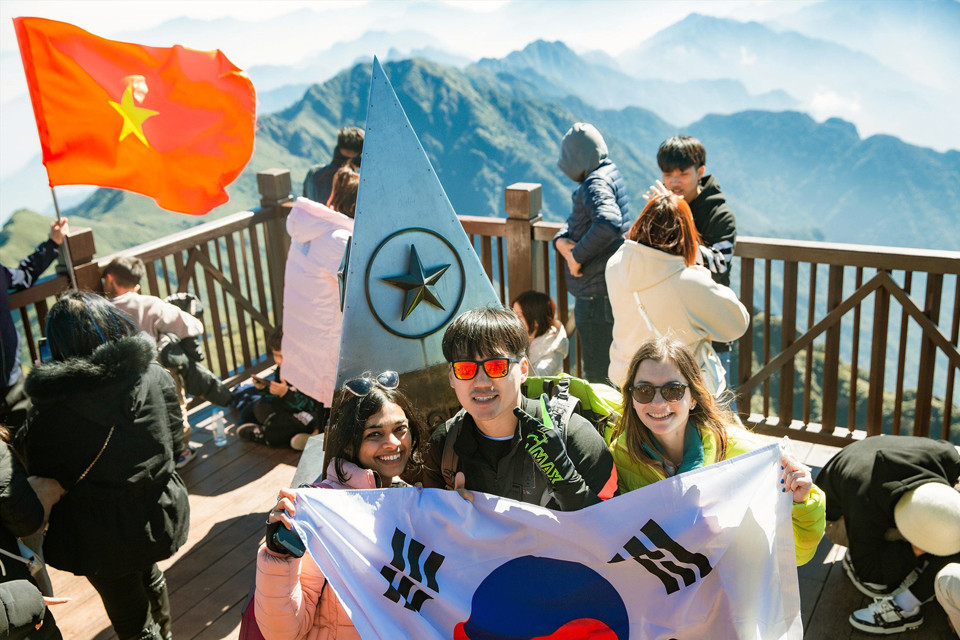
According to Huynh Phan Phuong Hoang, Deputy General Director of Vietravel Tourism Company, to attract Korean tourists, Vietnam has intensified its tourism promotion and marketing efforts through various media campaigns. In addition, Korean reality TV shows have repeatedly mentioned Vietnam.
"In the 'Battle Trip' program broadcast on KBS (one of the three largest television stations in South Korea), the trip to Da Nang by two female artists, Oh Hyun Kyung and Jung Si Ah, helped the city top the list of 10 favorite destinations for Korean viewers. This is one of the factors that encourages Koreans to travel to Vietnam," Ms. Hoang cited as an example.
According to Bamboo Airways CEO Luong Hoai Nam, due to their close geographical proximity, flights from South Korea to Vietnam are relatively inexpensive, ranging from 200 to 800 USD. Flights are also diverse, with many different routes such as from Seoul to Hanoi, Phu Quoc, and Nha Trang, giving tourists more choices. This is one of the reasons why many South Koreans choose Vietnam as their favorite travel destination.
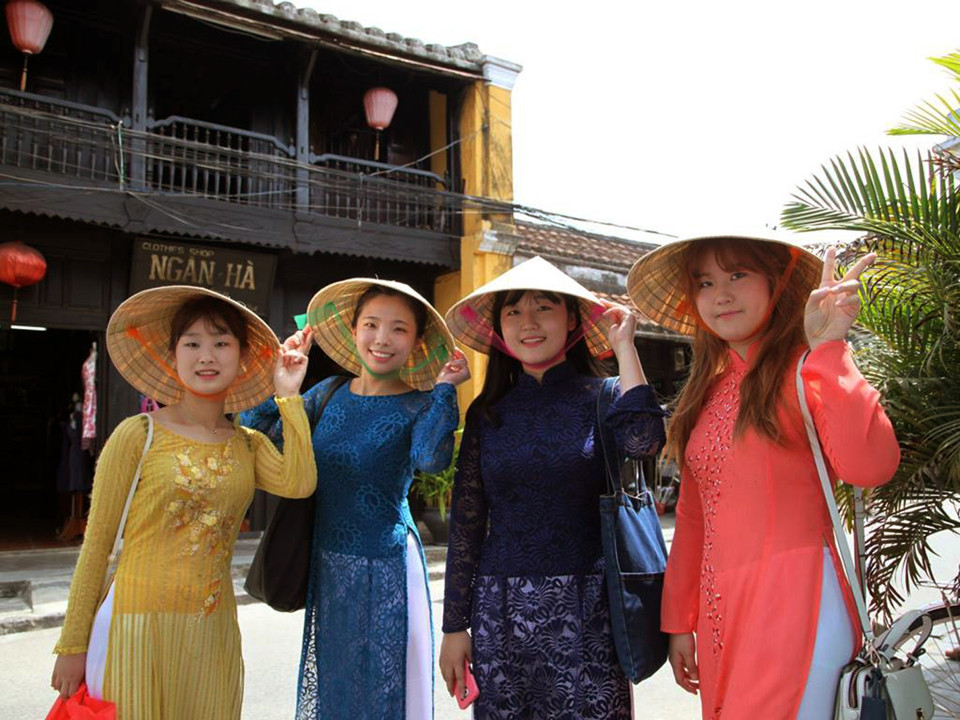
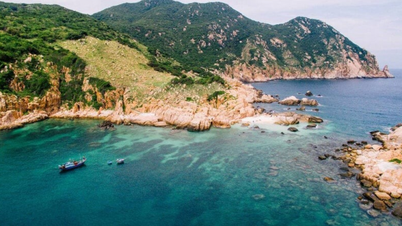
In fact, with its beautiful natural landscapes and diverse culture offering unique travel experiences, Vietnam has attracted many South Korean tourists. Its distinctive cuisine, featuring dishes like pho, banh mi, banh cuon (steamed rice rolls), and egg coffee, is also a major draw for Korean visitors. These simple, traditional dishes have even been shared on social media by many South Korean celebrities, spreading the influence of Vietnamese cuisine to the world.
There is still a lot of work to be done.
According to experts, attracting South Korean tourists back to Vietnam requires the tourism industry to upgrade the quality of services and promote the image of Vietnam and its people.
To attract Korean tourists back to Vietnam, at a meeting with the Vietnam National Tourism Administration, Counselor Park Jong Kyung of the Korean Embassy in Vietnam proposed that the Vietnamese tourism industry should provide signage in Korean to help tourists avoid getting lost while exploring landscapes and historical sites. He also suggested establishing a 24/7 hotline to assist tourists, implementing policies to support Korean tourists in particular, and international tourists in general, in cases of passport loss, and improving the passport reissuance process.
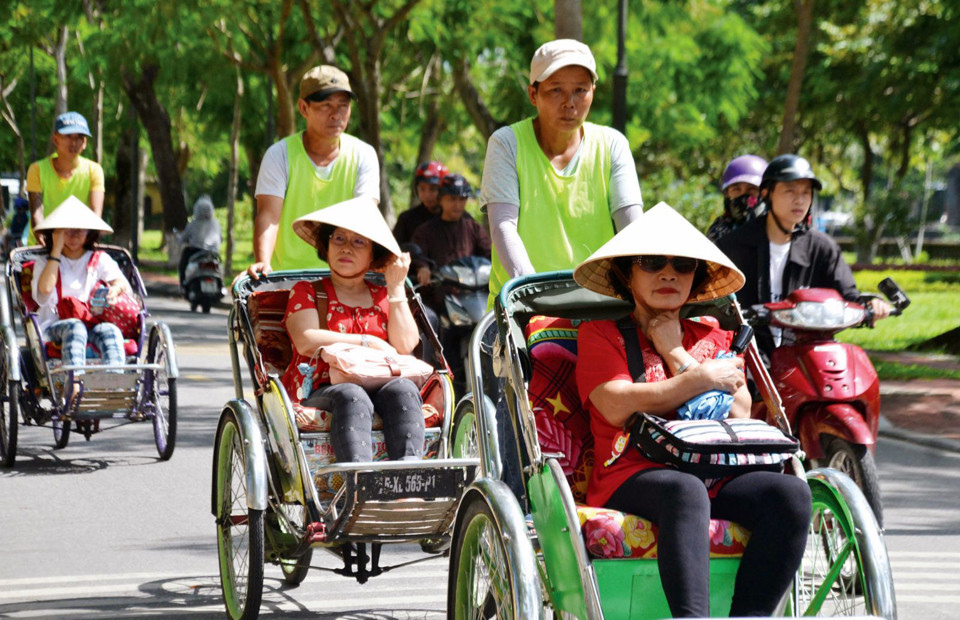
From an expert's perspective, the Chairman of the Vietnam Tourism Association, Vu The Binh, believes that for Korean tourists to return to Vietnam multiple times, attractive tourism products alone are not enough. The tourism industry needs to invest strategically and meticulously in product operation to create consistency and synergistic effects, thereby leveraging the destination's appeal.
“Thailand is considered a very successful country in terms of civility, politeness, and friendliness. At restaurants, hotels, and night markets, tourists almost don't have to worry about being overcharged. Most service providers there are very friendly and professional. The service sector needs to diversify, meet international standards, and suit many different target groups. In particular, Vietnam needs to invest in unique and innovative tourism models that are closely linked to local culture and the natural environment,” Mr. Binh suggested.
According to the Vietnam Tourism Advisory Board (TAB), although Vietnam's tourism is gradually attracting international visitors, including South Koreans, there are still not many places for tourists to spend their money.
Many tourists say they come to Vietnam mostly to sightsee, swim, stroll, and take photos. At tourist destinations, there are still not many places or services for tourists to enjoy entertainment, shopping, and recreation. Some places have improved the situation by opening more facilities and services for visitors to experience, but they are still not attractive enough to encourage repeat visits.
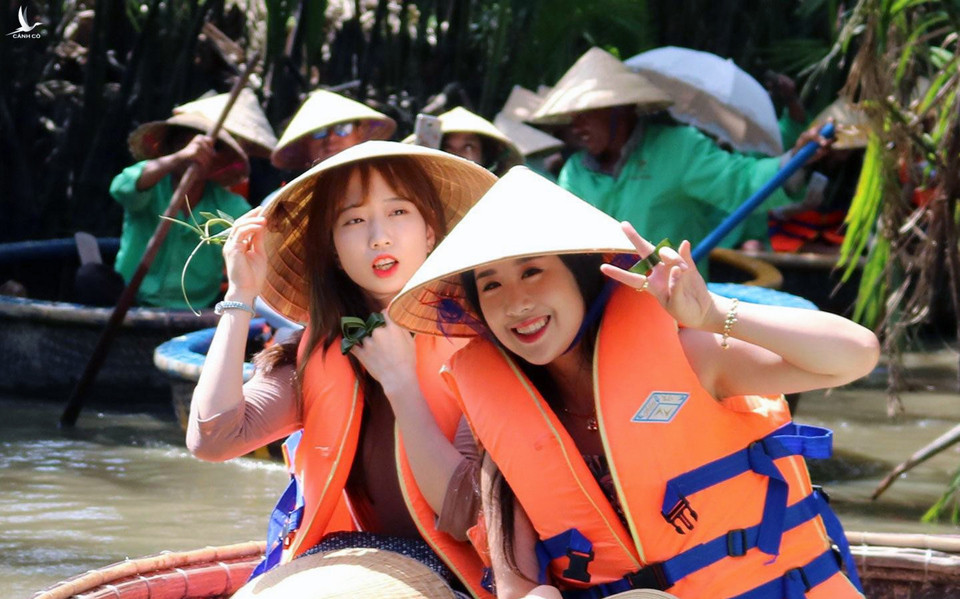
To attract tourists to return, localities and destinations need to expand and provide more service activities such as large-scale shopping areas. Traditional craft villages should produce handicrafts based on tourist demand instead of simply supplying the market with purely traditional products, which are unlikely to attract shoppers.
According to Cao Tri Dung, Chairman of the Da Nang Tourism Association, tourists often seek out new destinations to replace those they have visited before. The current trend shows that tourists are traveling individually or with family more often than in large groups. Therefore, the tourism industry in provinces and cities should invest in new tourism products with diverse services, especially nighttime services, to provide tourists with a wider range of experiences.
"The tourism industry should launch a strategy to attract Korean tourists who have previously visited Vietnam by calling on the tourism, service, and resort business community to offer appreciation programs and discounts for Korean tourists who return to Vietnam for a second or third time..." - Mr. Dung suggested.
Source








































































Comment (0)