

The development of transparenchymal electroencephalography (SEEG) and advances in modern neurosurgery are opening up opportunities for effective treatment for a group of patients who have been at a loss for many years.
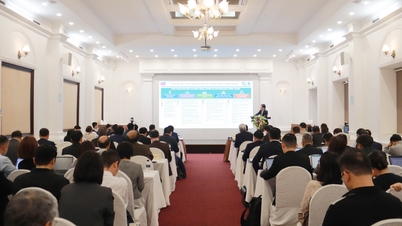
This information was presented at the International Conference on Epilepsy Surgery held on December 10th in Hanoi , with the participation of many leading experts from Vietnam and abroad.
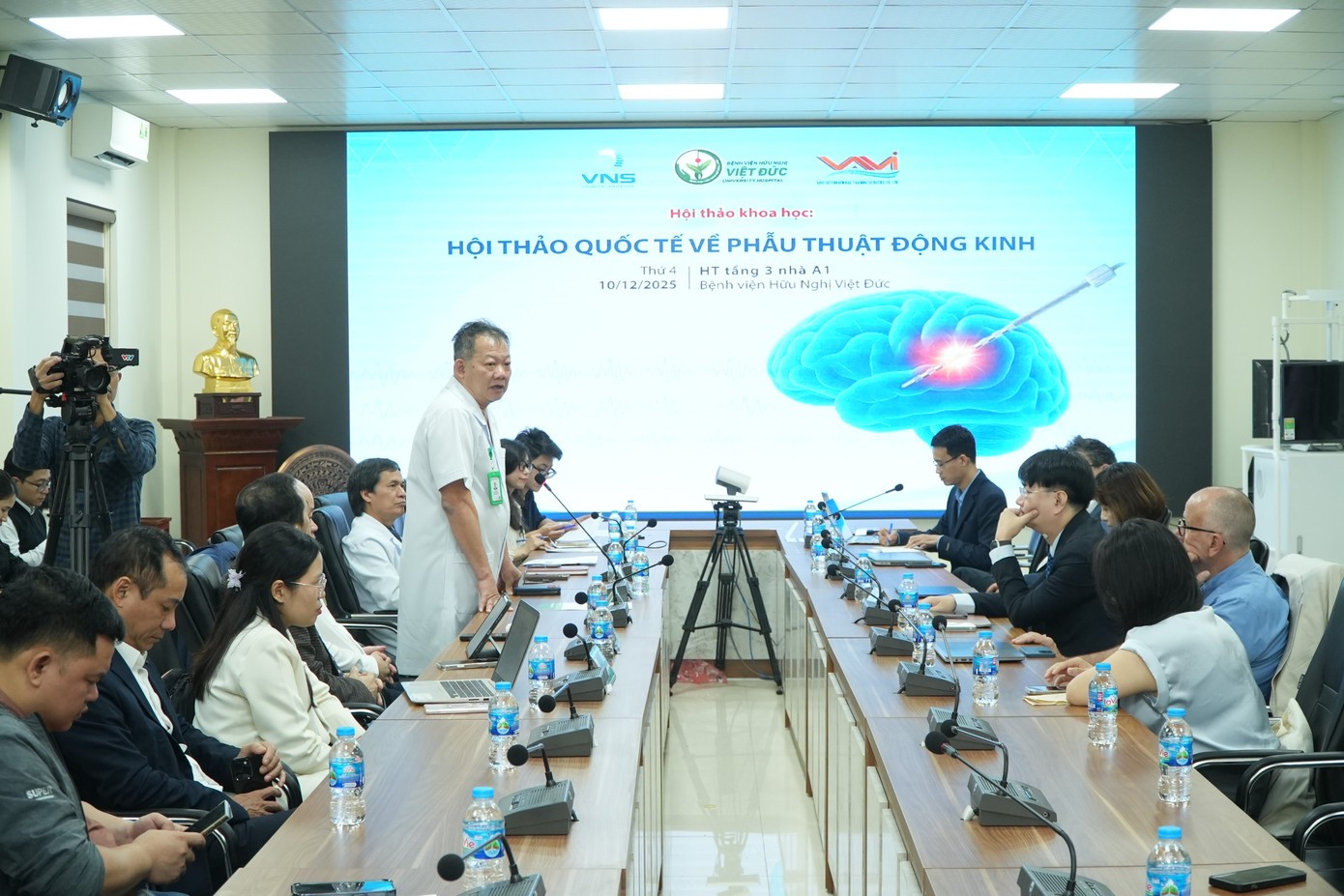
Associate Professor Dr. Duong Duc Hung, Director of Viet Duc Friendship Hospital, said that for many decades, the majority of epilepsy patients in Vietnam relied solely on medication to control seizures. However, for those resistant to medication, prolonged seizures seriously threaten cognitive function, mental health, and quality of life. "This is why epilepsy surgery and modern techniques like SEEG have become key solutions for hundreds of thousands of patients," Dr. Hung said.
This conference serves as a forum for Vietnamese doctors to access new techniques, share experiences, and expand cooperation with leading neurological centers worldwide .
SEEG: A breakthrough in diagnosis and treatment
According to Associate Professor Dr. Dong Van He, Deputy Director of Viet Duc Hospital and President of the Vietnam Neurosurgery Association, over the past 10 years, the hospital's Neurosurgery Center has performed more than 150 surgeries for drug-resistant epilepsy, achieving a seizure control rate of up to 80%.
Dr. Hệ stated that a significant breakthrough changing the landscape of drug-resistant epilepsy treatment worldwide is the SEEG technique. This method uses deep-penetrating electrodes, inserted through the skull into hard-to-reach brain structures such as the hippocampus, amygdala, insular lobe, or inner surface of the cerebral hemispheres. This allows doctors to continuously record three-dimensional brain activity over several days to accurately identify the seizure-triggering network.
When medication fails to control the condition, surgery is a crucial option for improving quality of life and reducing the risk of long-term complications.
However, one of the key conditions for successful surgery is accurately identifying the epileptogenic zone (EZ): the part of the brain responsible for initiating and propagating epileptic seizures.
If this area is removed or intervened in without significantly damaging normal functions, there is a very high chance that the patient will no longer have seizures or will experience a significant reduction in seizures.
In cases where there is suspicion of complex seizure origin – for example, seizures starting in the deep region, bilateral regions, or unclear magnetic resonance imaging findings – invasive deep electroencephalography (EEG) is necessary. This is where transparenchymal EEG (SEEG) becomes very valuable.
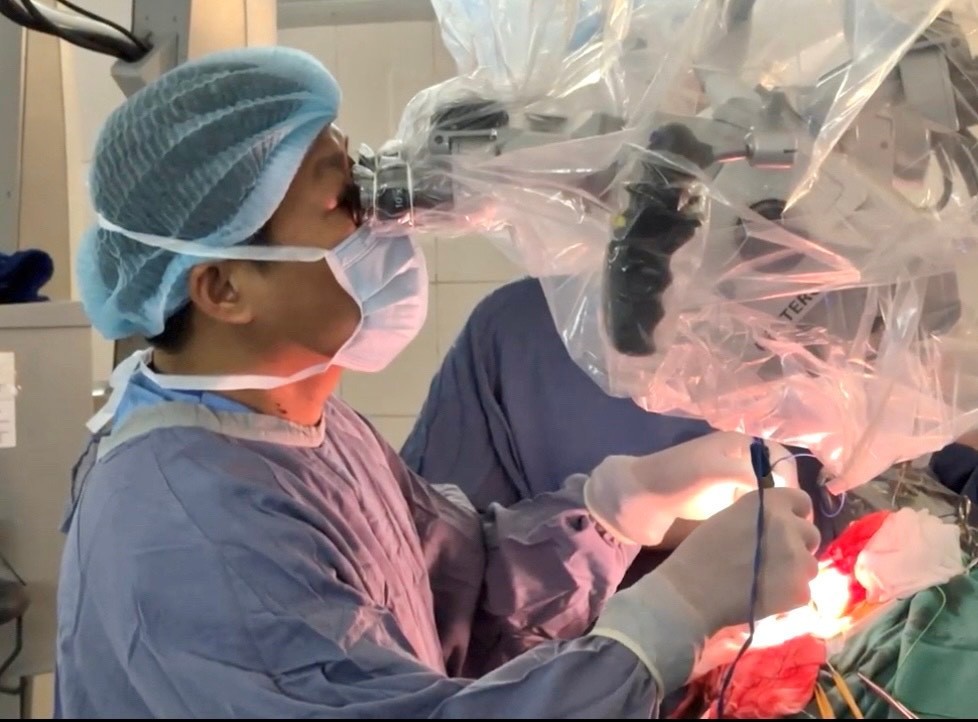
Hospitals in the North have not yet implemented SEEG. This workshop is considered an important preparatory step for training, standardizing procedures, and moving towards widespread application in Vietnam.
One of the major concerns is "is deep electrode placement safe?" According to information presented at the conference, current studies show that the complication rate of this method is low. For example, in a systematic analysis of 57 articles and over 2,500 patients: the bleeding rate was approximately 1% and the infection rate was approximately 0.8%. The overall complication rate was approximately 1.3%.
When performed at a center with experienced staff and standard equipment, SEEG is considered a safe and effective technique. However, experts also note that all invasive procedures carry risks, requiring patients to be thoroughly advised before choosing this surgery.
Over the past decade, Viet Duc Hospital has screened hundreds of thousands of epilepsy patients, including many complex cases. The hospital applies advanced diagnostic systems such as 3.0 Tesla MRI, PET/CT, video electroencephalography, and the international HARNESS protocol.
"Identifying the seizure-causing region correctly is a crucial factor in surgical success. SEEG helps us do this more accurately, opening up opportunities for patients who have been unable to control their seizures for many years," Assoc. Prof. Dr. Dong Van He emphasized.
He also stated that the trend of applying SEEG is rapidly increasing in the US, Europe, China, and India. Vietnam will soon join that trend as human resources and equipment are standardized.
Source: https://baolaocai.vn/hi-vong-moi-cho-hon-200000-benh-nhan-dong-kinh-khang-thuoc-post888646.html

























































































Comment (0)