

As part of the National Target Program for socio -economic development in ethnic minority and mountainous areas, Dak Plao commune, Dak Glong district, has implemented a project to support breeding rabbits for poor and near-poor households in the area.
The project is seen as a promising direction, helping disadvantaged people increase their income and stabilize their lives, gradually rising out of poverty.
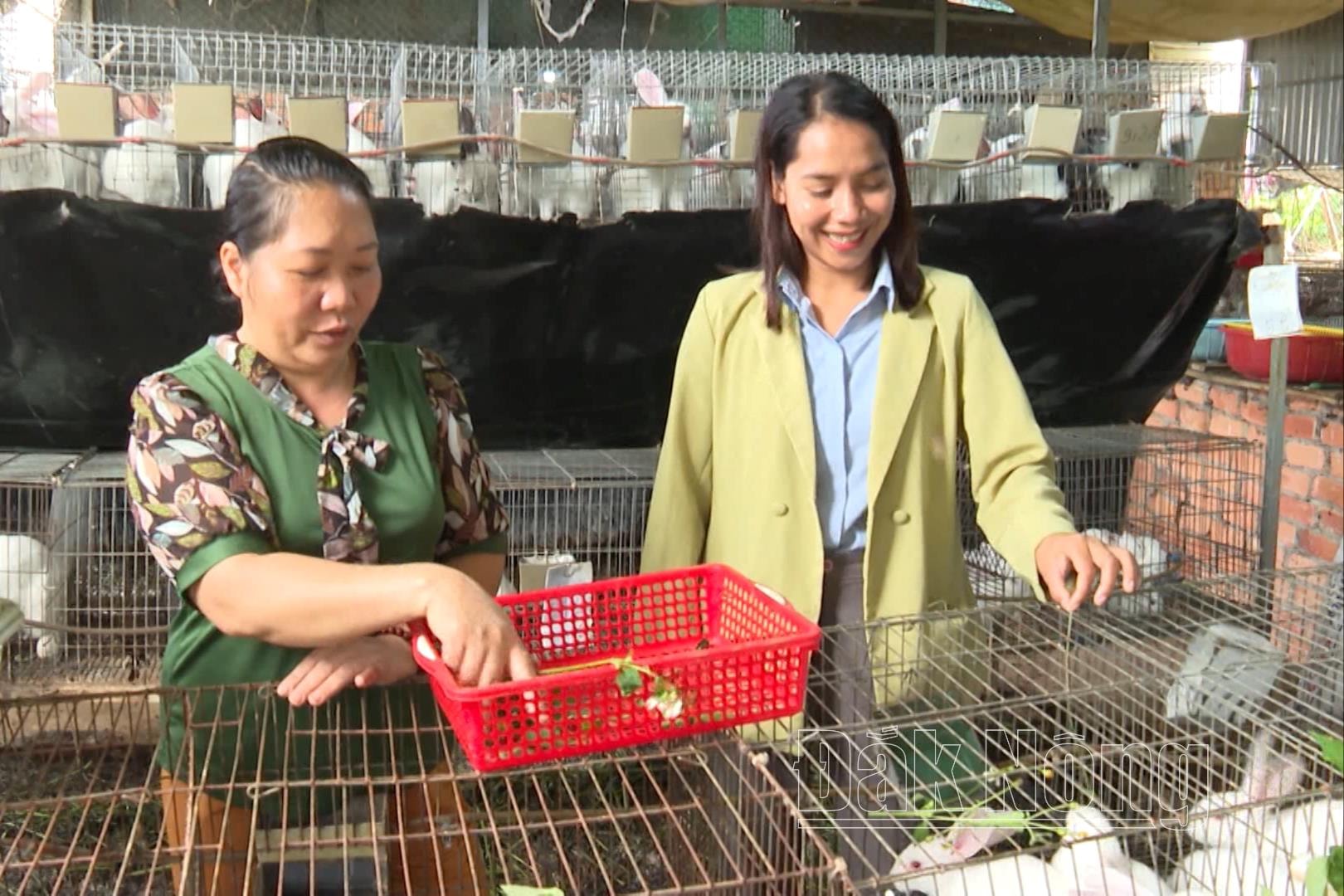
At the end of 2023, the family of Mr. Vi Dinh Thuong, from Dak Plao commune, Dak Glong district, was selected to join a rabbit farming group along with 7 other members. The group received support in the form of 147 breeding rabbits (parent rabbits), cages, and feed.
According to Mr. Thuong, his family, like several other poor households in the commune, has large garden plots suitable for livestock farming, but lacks the capital to invest.
Since the government provided each household with 21 breeding rabbits, his family and the members of the group have been very excited. Currently, the rabbit herd is thriving, the rabbits are reproducing regularly, and the villagers have rabbits to sell to support their lives.
Mr. Thuong said: “Previously, my family raised chickens, but every time there was an outbreak, we suffered huge losses. After switching to raising rabbits, it has been very convenient. Thanks to utilizing readily available food sources in nature, the investment costs are not very high. The income from rabbits has helped me improve my family's life.”
Meanwhile, the family of Mr. Bui Van Chinh in Dak Plao commune also received 21 breeding rabbits, cages, and initial feed. Before receiving the rabbits, he had received training and guidance on rabbit farming techniques, how to detect and prevent diseases in his livestock. Thanks to this, he has applied effective rabbit farming methods.
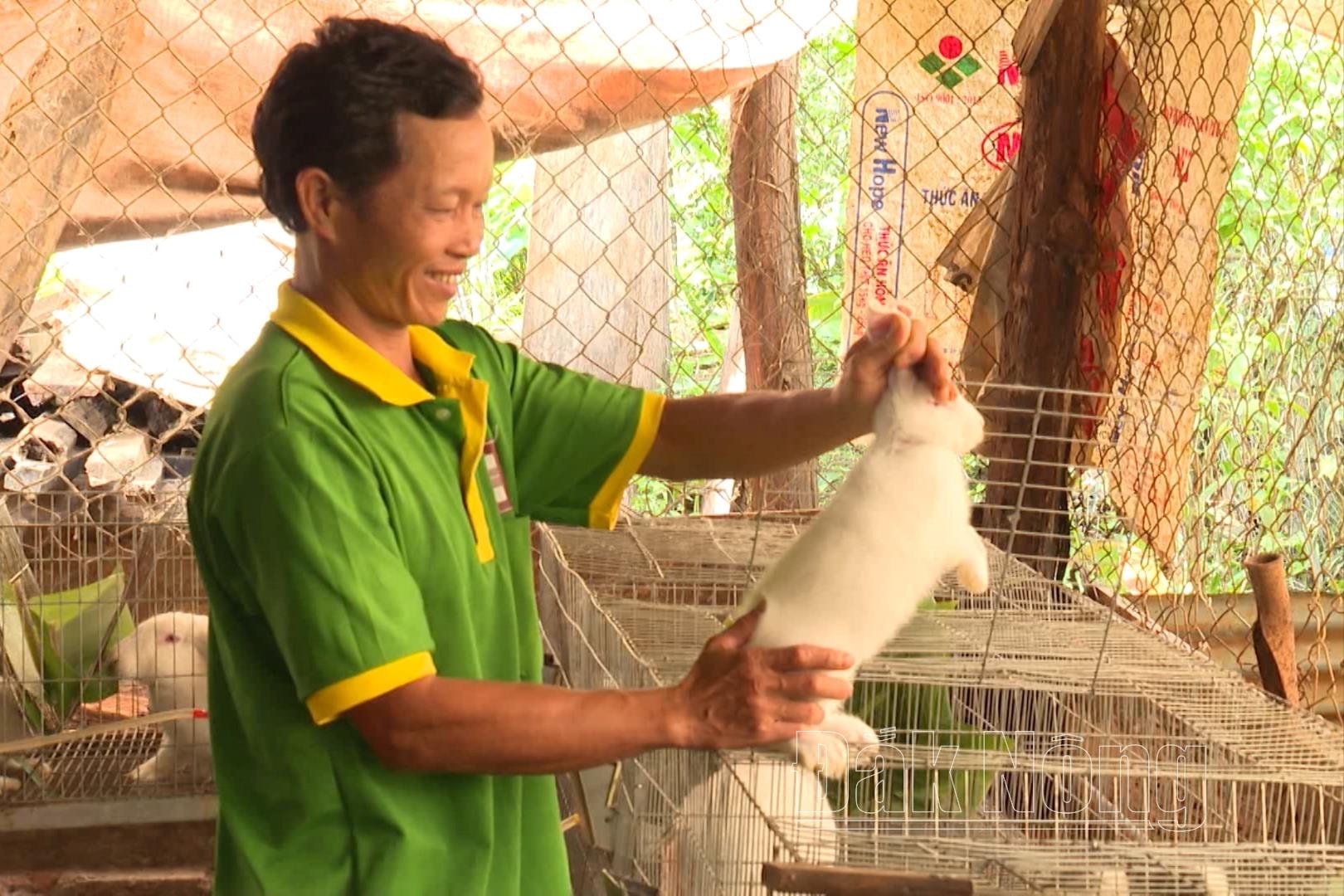
Mr. Chinh said: "From the initial 21 breeding rabbits, my family's rabbit herd has now increased to over 100. Raising rabbits isn't difficult because the food is easy to find, and rabbits reproduce quickly. Every 3 months, rabbits give birth to 2 litters, each litter with 5-10 offspring, so I continue to invest in cages to increase the number of rabbits in the herd."
According to Mr. Le Van Hao, Vice Chairman of the People's Committee of Dak Plao commune, Dak Glong district, in order for the rabbit farming model to achieve high results, before implementing the project, the commune requested the villages and hamlets to hold meetings with the people to review and select the target group and choose the animals to raise.
Based on the practical needs of the people, the commune proceeded to purchase breeding stock and animal feed, and supported the people in building barns for livestock farming.
Rabbit farming is organized systematically; local authorities regularly monitor, inspect, and guide people on breeding techniques and disease prevention.
According to the assessment of the People's Committee of Dak Glong district, the rabbit farming model in Dak Plao commune is proving effective. Young rabbits can reproduce after 4-5 months of raising.
Adult rabbits can reproduce for the second time within 3 months, with each litter containing 5-10 offspring; they can be sold at around 4 months old, each weighing nearly 3kg.
Currently, breeding rabbits are selling for 130,000 VND/kg, and meat rabbits for 80,000 VND/kg. Based on the initial results, the district assesses this as a suitable direction, creating livelihoods for poor ethnic minority households in the area and improving their lives.
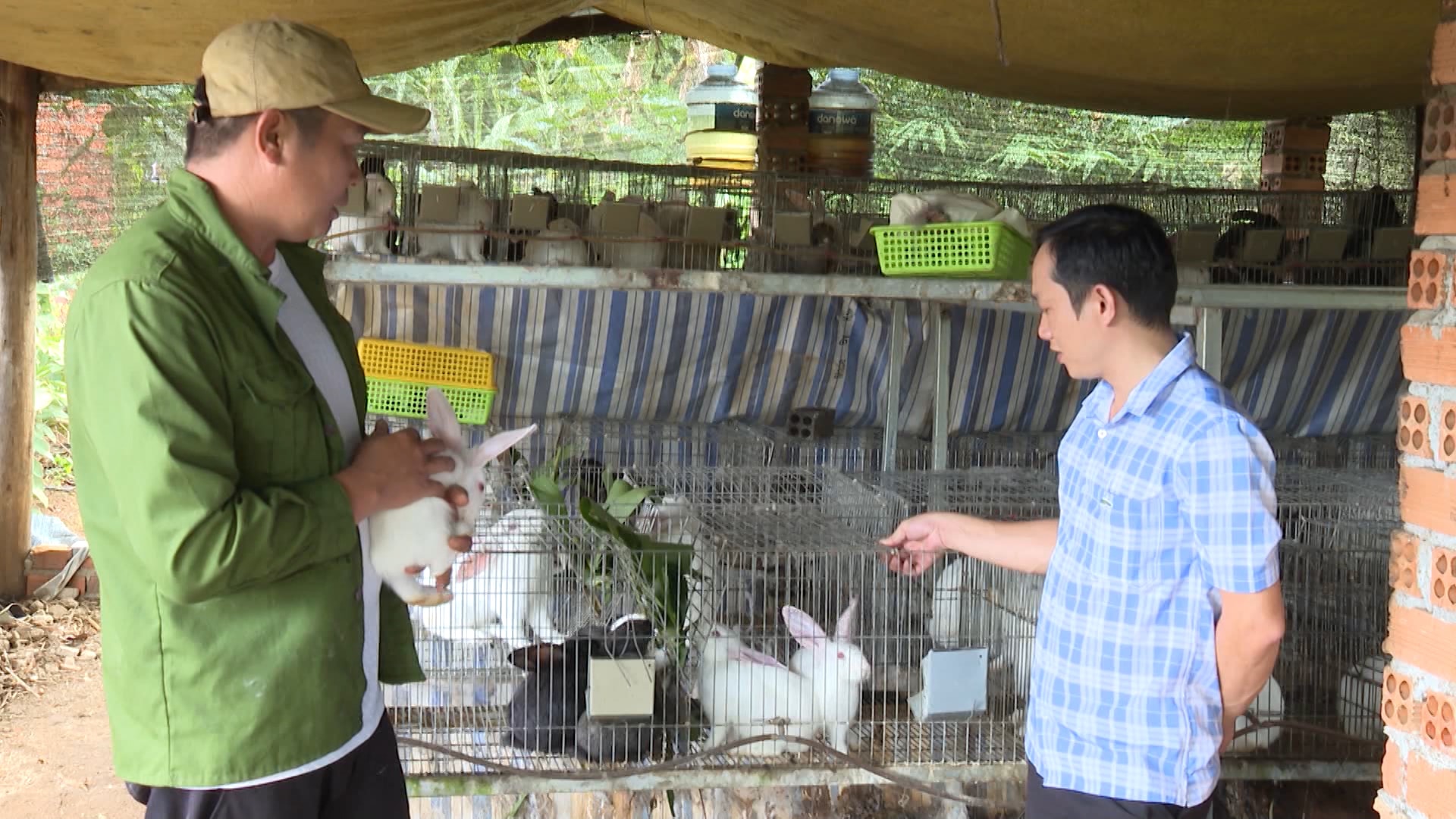
“Currently, the demand for rabbit meat is quite high, and the market is wide. However, for the model to develop sustainably and provide people with more choices for livestock, the locality urgently needs the attention of relevant agencies in stabilizing the output for the product,” added Le Van Hao, Vice Chairman of the People's Committee of Dak Plao commune.
Source: https://baodaknong.vn/trien-vong-mo-hinh-nuoi-tho-thoat-ngheo-o-xa-vung-xa-dak-nong-231362.html




























































































Comment (0)