

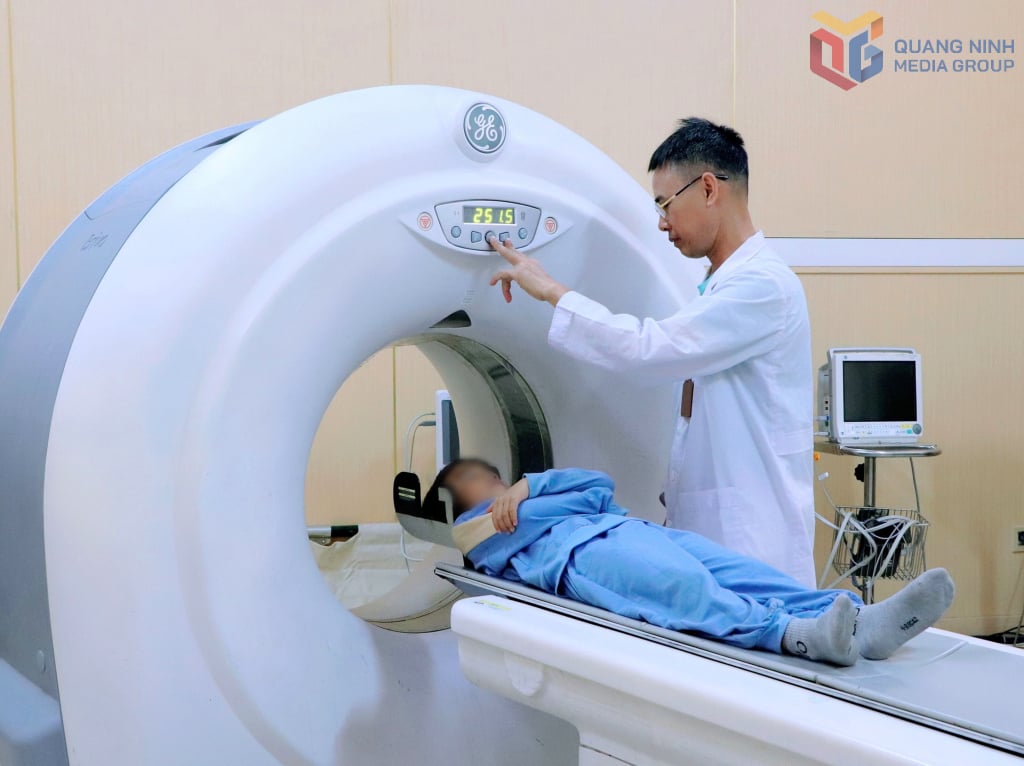
Restructure the system towards a leaner and more integrated approach.
Resolution No. 72-NQ/TW of the Politburo sets forth the requirement for strong and comprehensive reform of the health sector, emphasizing the task of improving the system's capacity and ensuring that all citizens receive convenient, equitable, effective, and sustainable healthcare. In line with this spirit, the Standing Committee of the Quang Ninh Provincial Party Committee issued Action Program No. 04-CTr/TU (dated October 13, 2025), clearly defining the direction for restructuring the health sector in conjunction with the two-tiered local government model.
Prior to the restructuring, the province's healthcare network was extensive but fragmented, comprising 10 general and specialized hospitals; 6 centers for preventive medicine, specialized fields, and forensic medicine; 3 social welfare units; 13 health centers; 171 commune-level health stations; and 7 regional polyclinics. While ensuring service coverage, the old model revealed many limitations, including a cumbersome organizational structure, difficulty in concentrating resources, and failure to meet the demands for improved healthcare quality for the people in the new era.
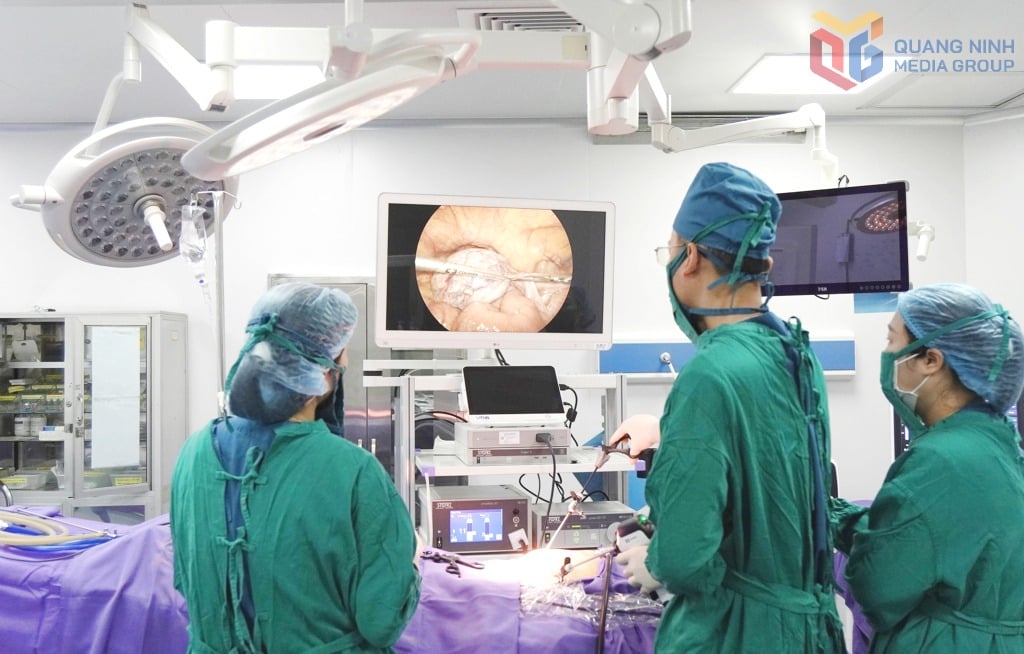
From November 1st, 2025, Quang Ninh will officially operate a streamlined healthcare system according to the "Overall Plan for Reorganizing the Quang Ninh Provincial Healthcare System under a Two-Tiered Local Government Model". Accordingly, 11 health centers will be reorganized into 5 regional general hospitals (Dong Trieu, Quang Yen, Van Don, Tien Yen, and Mong Cai); the Ha Long Health Center, Cao Xanh and Ha Tu Regional General Clinics will be merged into the Lung Hospital; the Cam Pha Health Center will be dissolved; the remaining 5 regional general clinics will be merged into regional general hospitals; 171 health stations and 2 sub-stations will be reorganized into 55 health stations and 92 sub-stations; the Ha Long General Hospital and the Provincial General Hospital will be merged into the Provincial General Hospital; and the Mental Health Support Center will be merged into the Mental Health Protection Hospital to form the Mental Health Hospital. Three units responsible for social work, social protection, and childcare were merged into the Quang Ninh Social Assistance Center; the Social Protection Department and the Department for Prevention of Social Evils were merged into the Social Protection Department.
Following the restructuring, the healthcare sector significantly reduced the number of units, departments, and leadership positions, streamlining the organizational structure without affecting professional operations. Conversely, this streamlining contributed to reduced administrative costs, focused resources on technological development, minimized duplication of tasks, and increased management efficiency. The implementation process was systematic, compliant with regulations, did not create new organizational units, did not increase staffing levels or budgets, and, most importantly, did not disrupt the provision of healthcare services to the public.
Improving the quality of service for the people.
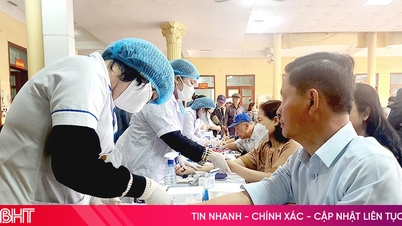
Shortly after implementing the new model, health units in the province quickly stabilized their organization and operated effectively. At the grassroots level, 55 health stations and 92 health station points were strategically located to suit the population and geographical conditions, ensuring that each commune and ward has at least one health station to perform primary healthcare, disease prevention, and implement targeted programs. The medical staff was reassigned rationally, with 253 doctors assigned to 55 health stations, averaging 4.6 doctors per station, essentially meeting the targets of Resolution No. 72-NQ/TW.
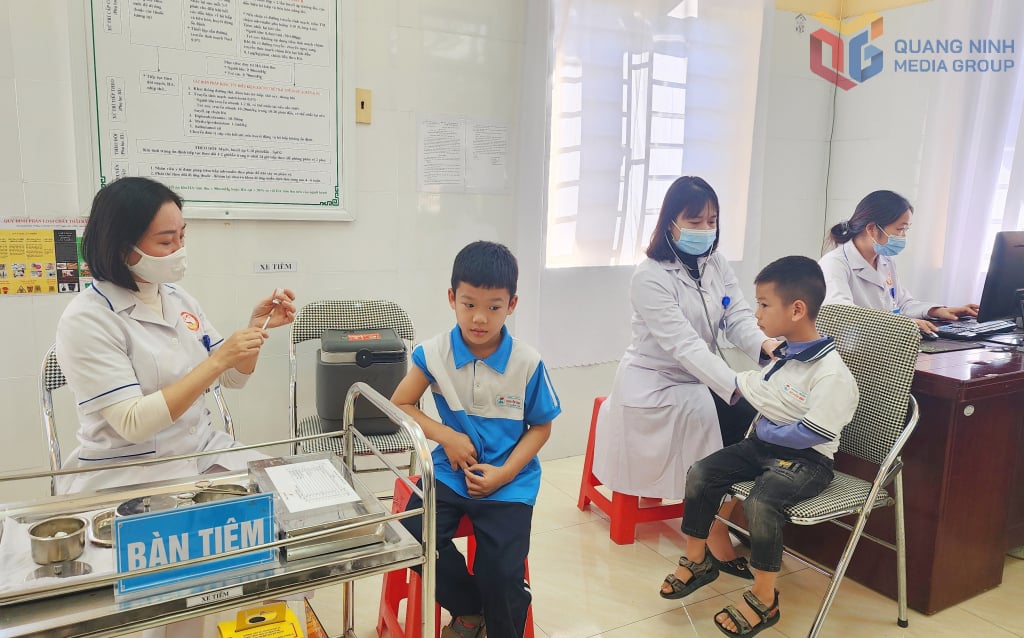
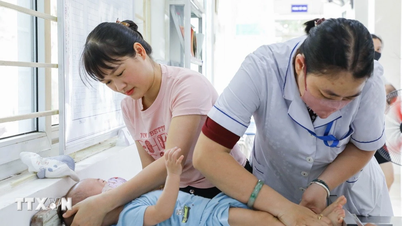
The new health station model is gradually proving effective. In Quang Yen ward, the expanded immunization program is maintained on schedule, with catch-up vaccinations provided to those who missed doses, ensuring no eligible individuals are left out. A 24/7 on-call team ensures timely reception and treatment of any emerging cases. Dr. Vu Ngoc Loan, Head of the Quang Yen Ward Health Station, said: "Although the station has just been reorganized, we still maintain stable activities in examination, consultation, and initial treatment. The timely service and comprehensive advice provided to the people are the motivation for us to strive harder."
Ms. Le Thi Dung (Kim Lang area, Quang Yen ward) shared: "The health officials provided complete information and clear instructions, and my child received all the necessary vaccinations on schedule. When I needed assistance, I went to the health station and was immediately assisted, which gave me great peace of mind."
Following the reorganization, despite the remaining challenges in facilities, the Dong Mai Ward Health Station, with its team of 3 doctors and 17 medical staff, has maintained stable medical examination and treatment services for the people. According to Dr. Tran Thi Thanh Huong, Head of the Dong Mai Ward Health Station, the unit continues to advise on training plans to improve the capacity of its medical staff; and proposes the addition of equipment such as ultrasound machines, electrocardiographs, and hematology, biochemistry, and urine testing equipment to enhance service quality. Regarding infrastructure, the Provincial People's Committee, the Department of Health, and the Ward People's Committee have approved the construction of a new health station with an area of approximately 7,000m², fully equipped with departments and wards as stipulated by the Ministry of Health. This will be an important condition for us to better serve the people in the future.
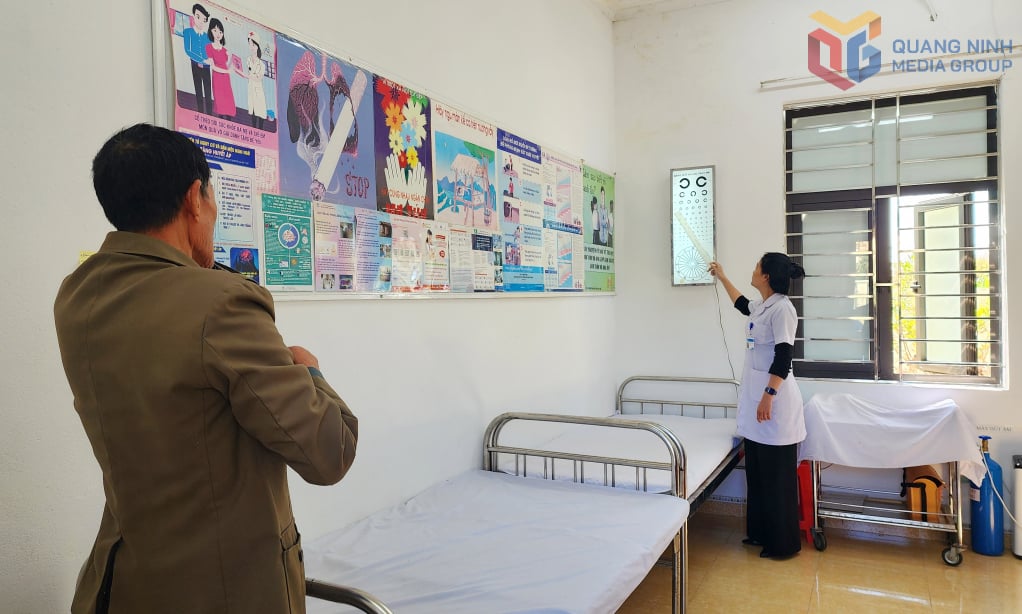
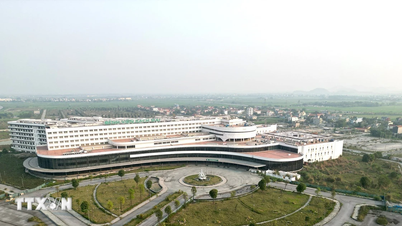
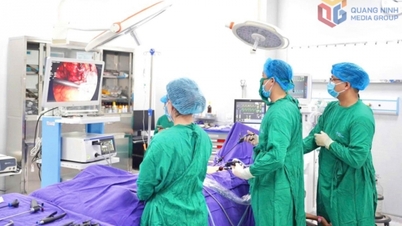
The reorganization of medical centers into regional general hospitals has also yielded significant results. A prime example is the Van Don Regional General Hospital, formed by merging the Van Don and Co To medical centers. This has ensured seamless medical services on both the mainland and the island, strengthened the support of skilled doctors at the second facility, and significantly reduced unnecessary patient transfers.
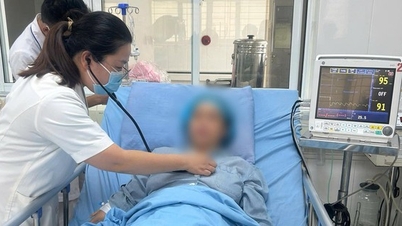
At the provincial level, the merged Provincial General Hospital has operated two unified facilities through online meetings, enhanced staff rotation, and improved professional support between departments. As a result, people can access high-quality medical services right near their homes.
Building upon a streamlined and synchronized organizational structure, Quang Ninh continues to set higher standards for quality and operational efficiency, especially at the grassroots level. In the coming period, the Department of Health will continue to advise on mechanisms and policies to attract and retain doctors and medical staff for long-term employment at the grassroots level; promote professional training and development; expand cooperation with universities and central-level hospitals in technology transfer; and invest in modern medical facilities and equipment.
Source: https://baoquangninh.vn/huong-den-muc-tieu-moi-nguoi-dan-deu-duoc-cham-soc-suc-khoe-3387736.html

























![[Video] The craft of making Dong Ho folk paintings has been inscribed by UNESCO on the List of Crafts in Need of Urgent Safeguarding.](https://vphoto.vietnam.vn/thumb/402x226/vietnam/resource/IMAGE/2025/12/10/1765350246533_tranh-dong-ho-734-jpg.webp)


























































Comment (0)