

The issue of salaries, bonuses, and staffing for full-time trade union officials was a topic of much discussion among delegates in the plenary session on the draft amended Trade Union Law on June 18th.
Receiving a salary from the company, do union officials dare to speak up to protect workers?
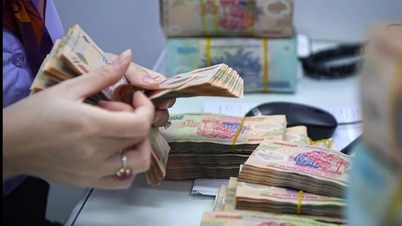
Emphasizing that trade unions in companies and enterprises protect the rights of workers, delegate Nguyen Huu Thong ( Binh Thuan delegation) expressed great concern that the salaries and expenses paid to trade union officials in these companies and enterprises are actually paid by the company or enterprise owner (the employer).
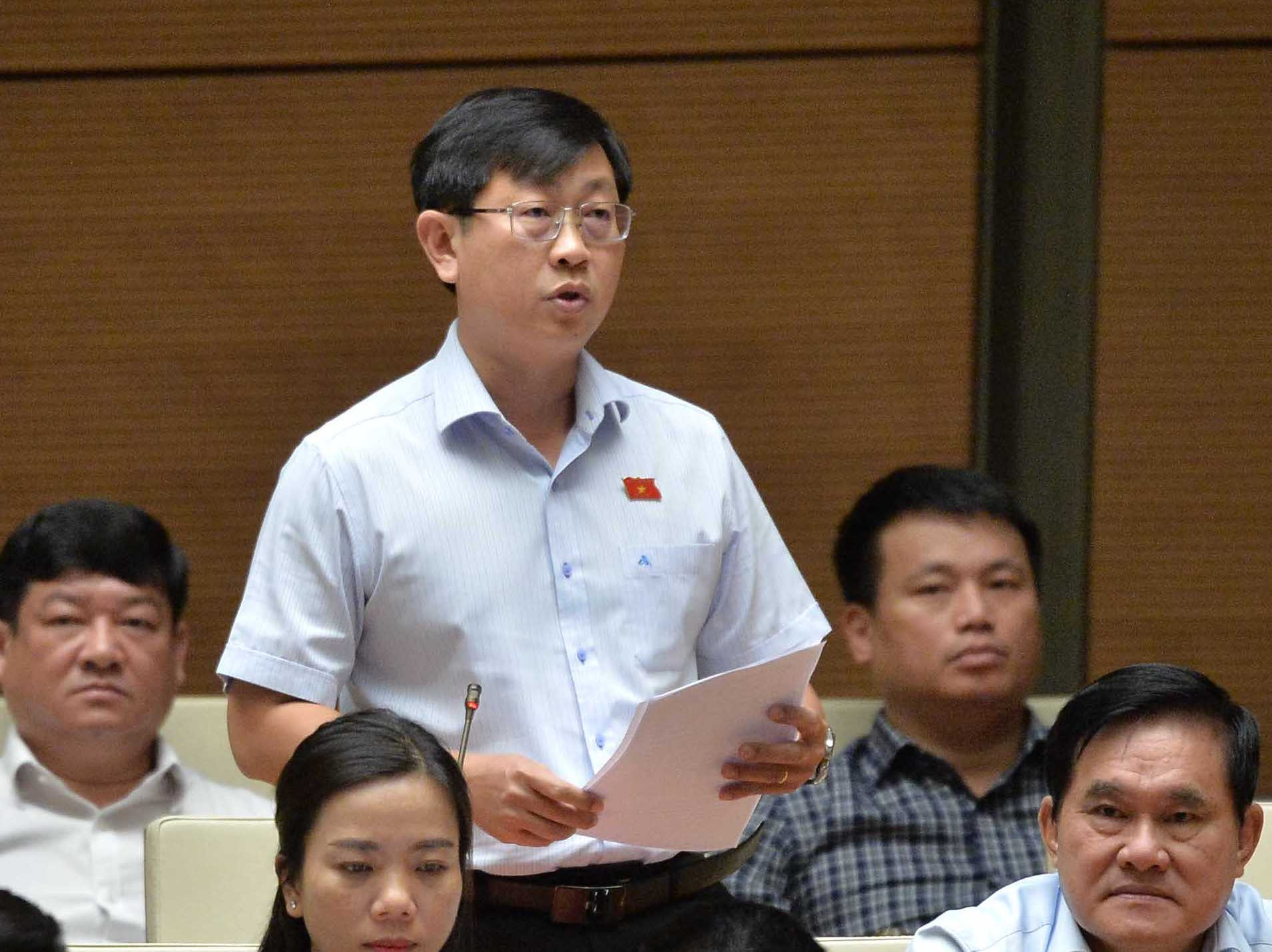
“So the question is, do trade union officials in those companies and businesses really dare to speak up to protect workers when their rights are violated? In practice, how many cases of complaints and grievances related to the legitimate rights and interests of workers in companies and businesses have we seen where the local trade union has represented and protected the workers? How effective has it been?”, Mr. Thong raised a series of issues.
Delegates suggested that funds should be sourced from higher-level trade unions to pay salaries, bonuses, and other allowances for full-time trade union officials in companies and enterprises.
This allows trade union officials to wholeheartedly focus on their duty of protecting the legitimate rights and interests of workers in that company or enterprise.
Delegate Nguyen Duy Minh (Chairman of the Da Nang City Federation of Labor) supports the regulation increasing the autonomy of trade unions in personnel management.
"In my opinion, this regulation is appropriate because amending and supplementing the regulation grants the Vietnam General Confederation of Labor the authority to proactively propose the number of trade union officials who are civil servants and public employees within the system, creating uniformity in staffing within the trade union system and overcoming the situation of equal distribution of staff," Mr. Minh said.
According to the Da Nang delegation, allocating personnel while balancing financial resources and ensuring administrative expenses and trade union operating costs will contribute to improving the efficiency of trade union financial management.
At the same time, this also enhances accountability in personnel management; management, utilization, and implementation of policies and regulations for trade union officials.
"To avoid 'civil servantization' of trade union officials and 'administrativeization' of trade union activities, granting the Vietnam General Confederation of Labor the autonomy to decide on the number of contract workers in specialized trade union agencies and grassroots trade unions will ensure flexible movement in the distribution of trade union officials, meet the requirements of membership development in each stage, and contribute to improving the operational capacity of trade union organizations," delegate Nguyen Duy Minh analyzed.
Businesses with 1,000 or more employees should have at least one full-time trade union officer.
Delegate Nguyen Phi Thuong ( Hanoi delegation) suggested that the responsibilities and powers of grassroots trade unions need to be more clearly defined. This is because grassroots trade unions play a particularly important role and position in the operation of the trade union system, as they are the place where resolutions and strategies are directly implemented and concretized.
He pointed out that the reality shows that grassroots trade union activities have been inconsistent and ineffective recently, and the position and voice of trade unions in enterprises remain weak.
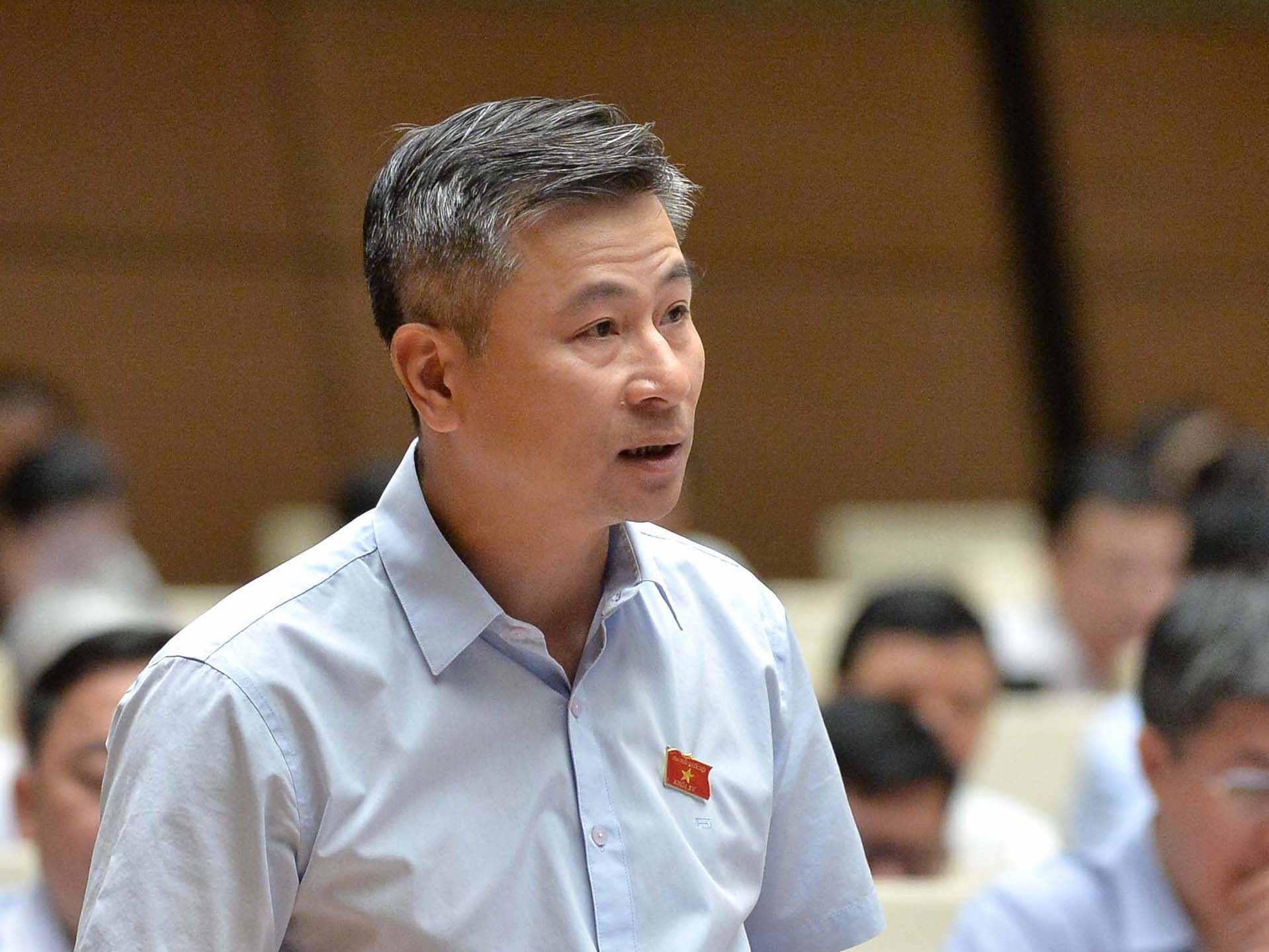
Among the causes of this situation, Mr. Thuong pointed out the lack of specific and clear legal regulations for grassroots trade unions. The general provisions regarding the powers and responsibilities of all levels and types of grassroots trade unions, as in the draft, are neither truly reasonable nor scientifically sound.
Therefore, delegates argued that the responsibilities and powers of grassroots trade unions in the public and private sectors should be separated due to their distinct characteristics. More importantly, trade unions need to be given mechanisms to effectively exercise those rights and responsibilities.
"In reality, grassroots trade unions are like tiny boys wearing clothes that are far too big. Trade union officials receive salaries from the company and are constantly under pressure from employers. This makes it very difficult to create equality," Mr. Thuong suggested that this mechanism needs to be formalized in law to make trade unions more independent from employers.
This requires creating organizational independence, financial autonomy, and policies to protect trade union officials.
Therefore, the Hanoi delegation proposed allowing the use of contract workers as full-time trade union officials at the grassroots level; and stipulating that enterprises with 1,000 or more employees must have at least one full-time trade union official.
In addition, appropriate salary scales and pay tables should be established to encourage, attract, and motivate trade union officials to wholeheartedly perform their duties, using financial resources from higher-level trade unions.
Responding to delegates' comments on this matter, the Chairman of the Vietnam General Confederation of Labor, Nguyen Dinh Khang, stated that the draft law stipulates that trade unions at all levels are guaranteed in terms of organization and the number of trade union officials. It also allows the General Confederation of Labor to decide on the number of full-time officials who are employed under labor contracts in specialized trade union agencies and grassroots trade unions.
"In the past, the staffing of trade union officials has been fraught with inadequacies, so we have proposed to the Central Steering Committee on Staffing a formula for calculation based on the number of union members in each sector and each locality," Mr. Khang said.
The Vietnam General Confederation of Labor proposes a number of contract staff for trade union-affiliated service units.
Regarding the opinion that businesses paying salaries to union officials would diminish their fighting spirit and commitment to protecting labor relations, Mr. Khang strongly desires a contractual mechanism to ensure the presence of full-time union officials at the grassroots level.
"In particular, in Ho Chi Minh City, even though there is no contract yet, the City Party Committee has allocated 22 personnel to the trade union to be assigned as full-time union chairpersons in facilities with a large number of workers and complex labor relations," Mr. Khang cited as an example.
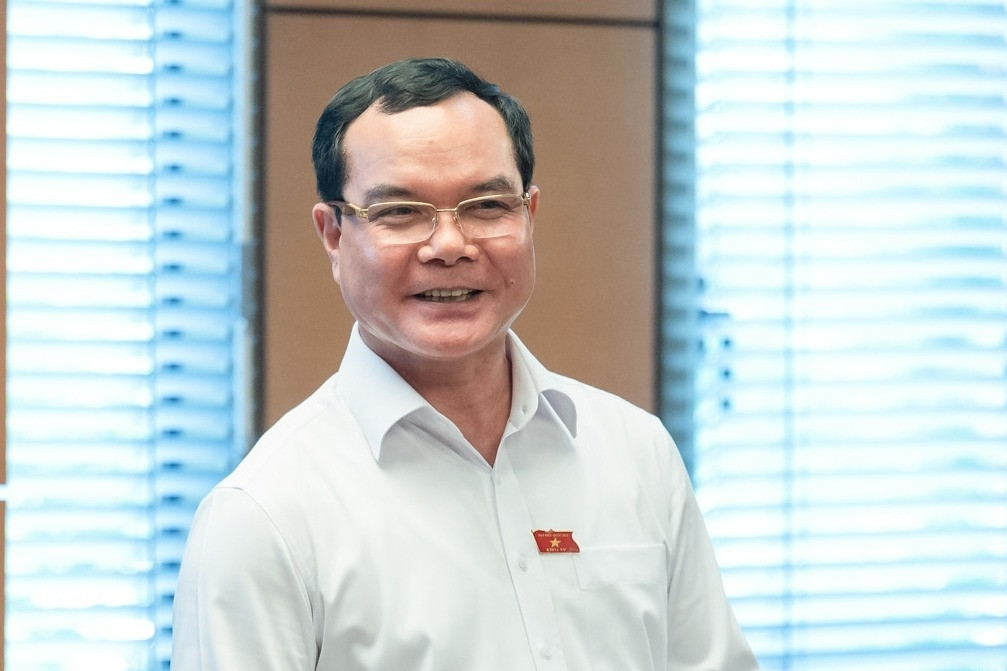
Mr. Nguyen Dinh Khang: 84% of trade union funds are directly disbursed to workers.
Source: https://vietnamnet.vn/nen-lay-kinh-phi-tu-cong-doan-cap-tren-tra-luong-thuong-cho-can-bo-cong-doan-2292728.html



















![[Photo] Prime Minister Pham Minh Chinh holds a phone call with the CEO of Russia's Rosatom Corporation.](/_next/image?url=https%3A%2F%2Fvphoto.vietnam.vn%2Fthumb%2F1200x675%2Fvietnam%2Fresource%2FIMAGE%2F2025%2F12%2F11%2F1765464552365_dsc-5295-jpg.webp&w=3840&q=75)










































Comment (0)