

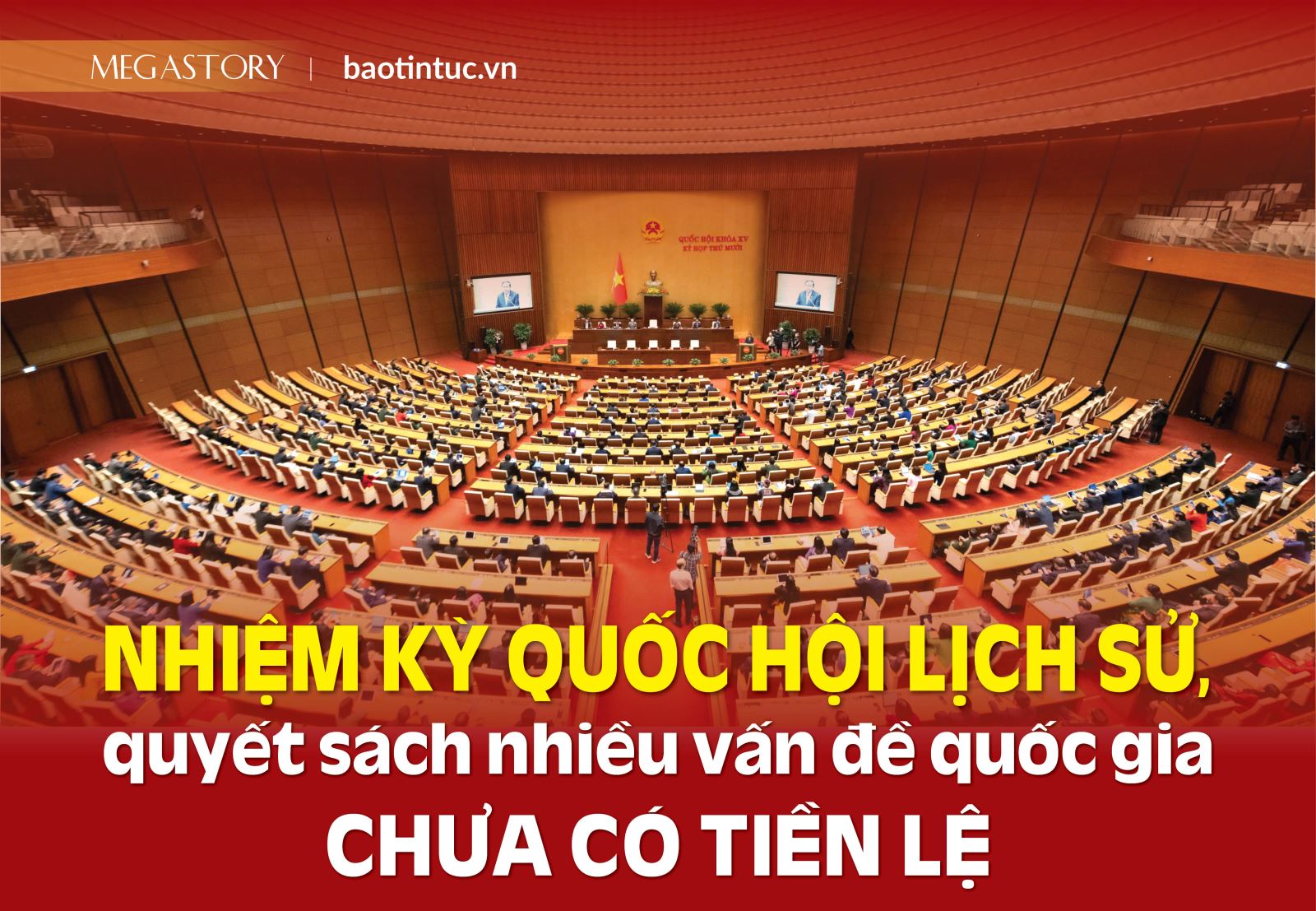


The majority of National Assembly deputies believe that the prominent legislative approach during the 15th National Assembly term was a shift in thinking, not merely focusing on management, but also on fostering development, thoroughly removing institutional barriers and bottlenecks to unlock resources for national development. This also reflects the spirit of innovation, practical thinking, and the aspiration to perfect the national legal system to embrace a new era for the nation.
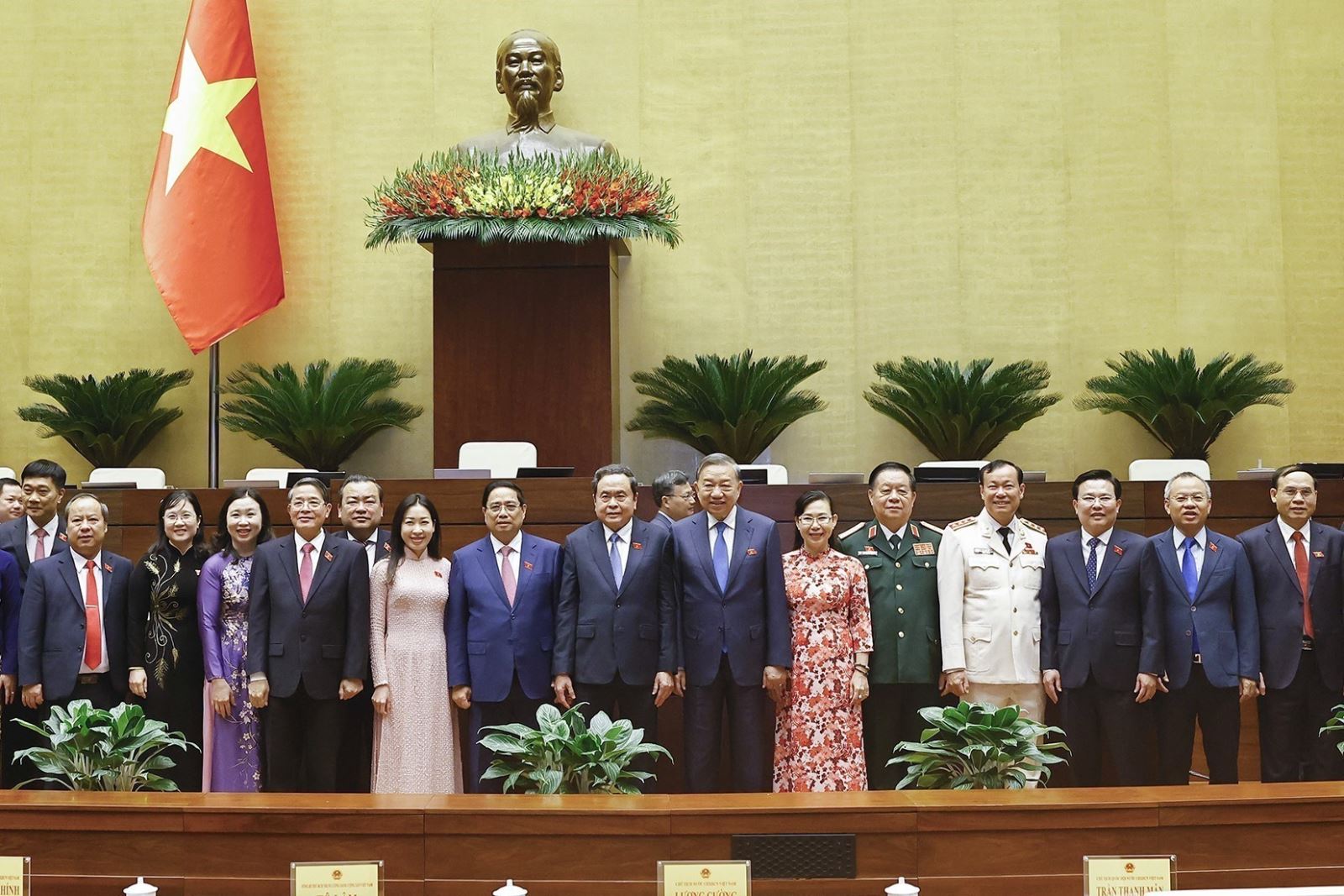
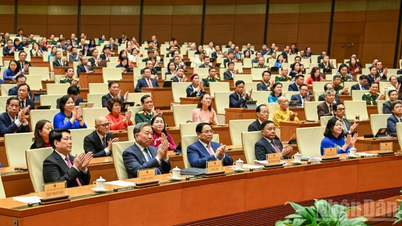
General Secretary To Lam , along with other Party and State leaders and delegates, attended the closing ceremony of the session.
The 10th session of the 15th National Assembly was one of the longest sessions ever, with the largest volume of legislative work. The National Assembly considered, discussed, and voted on 51 laws and 39 resolutions, including 8 normative legal resolutions. This volume of legislation accounted for nearly 30% of the total number of laws and normative resolutions enacted during the entire term.
In addition, the National Assembly also discussed 21 topics and groups of topics of concern to National Assembly deputies and voters. This demonstrates the National Assembly's urgent and highly responsible work ethic in accompanying the Government and promptly concretizing the policies of the Party and the State.
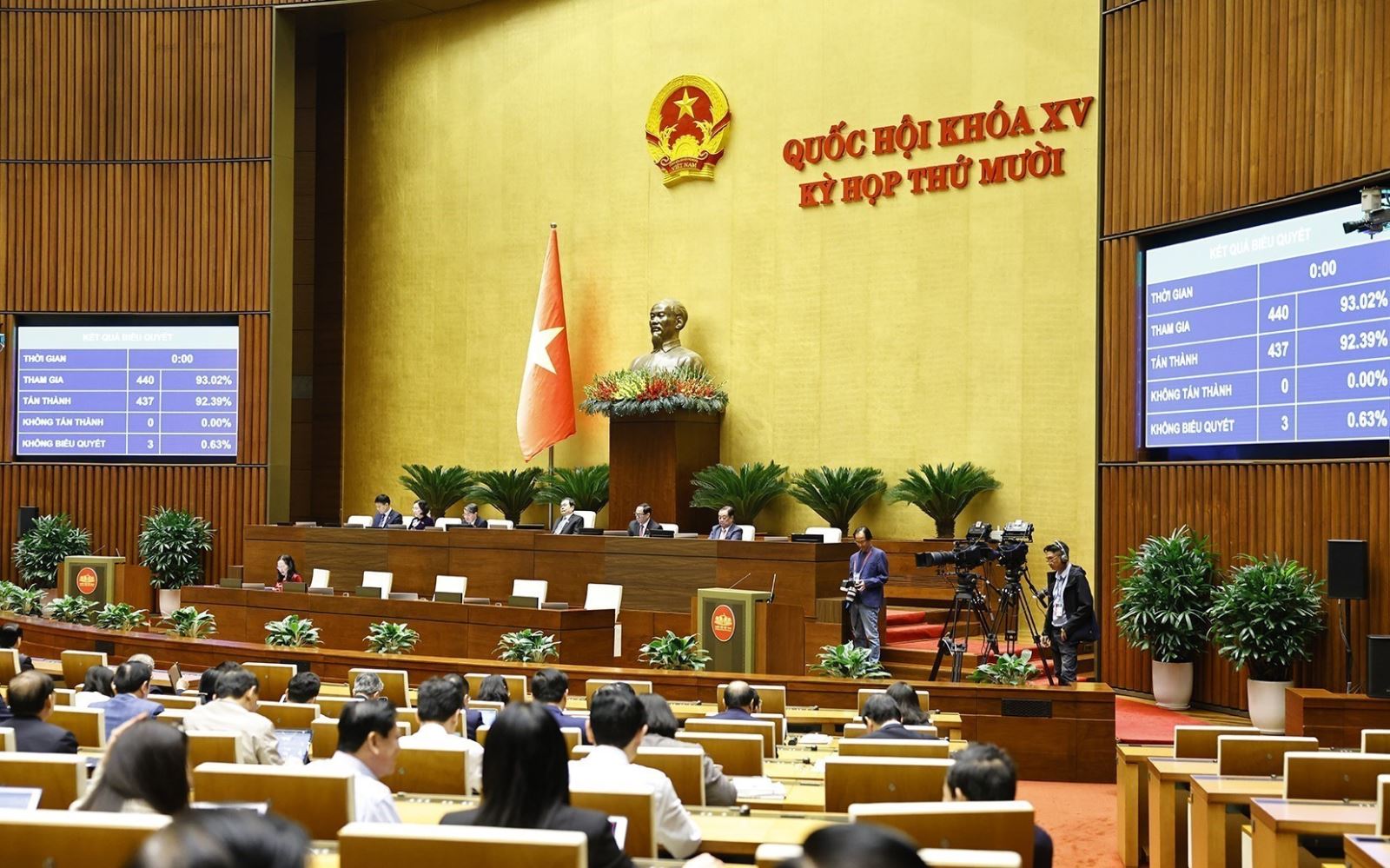
The National Assembly voted to pass the amended Press Law.
A prime example is the National Assembly's adoption of the amended Press Law, which aims to institutionalize the Party's viewpoint, meet the practical requirements of the digital age, and address the shortcomings of the current Press Law.
The amended Press Law incorporates many important revisions to adapt to technological advancements and the current state of journalism; it is expected to create a solid legal framework for building a professional, humane, and modern revolutionary Vietnamese press. Accordingly, the Law clearly distinguishes between "newspapers" and "magazines" to combat the phenomenon of "newspapers becoming magazines." Compared to the current law, the amended Press Law has five notable new points.
At the 10th session, the volume of legislative work considered and approved by the National Assembly was very large, accounting for 30% of the total number of laws and normative legal resolutions issued during the entire term.
Firstly, the law clearly defines the types of journalism in the new context. According to the law, there are four types of journalism in our country: print journalism, electronic journalism, radio, and television. Radio and television are two types currently referred to as "spoken journalism" and "visual journalism."
Secondly, the law supplements policies for the development of journalism and ensures the resources for implementation, from financial mechanisms to infrastructure investment and tax incentives, in a more feasible manner.
According to Article 9 of the amended Press Law, the State has a policy of investing in the development of the press, focusing on key areas such as training and developing human resources in professional skills, developing human resources for digital transformation in journalism and managing press activities, conducting scientific research, and applying modern technology to press agencies; a national digital press platform; digital press data infrastructure; and digital tools for monitoring press activities in cyberspace.
The State also has policies for assigning tasks, placing orders, conducting bidding processes, and providing support for transportation costs, publication, transmission, and broadcasting expenses for the press to serve political, security, defense, cultural, and informational purposes, including emergency information dissemination, foreign affairs information, policy communication, serving teenagers, children, the hearing impaired, the visually impaired, ethnic minorities, areas with particularly difficult socio-economic conditions, mountainous regions, border areas, islands, and other key tasks as decided by the Prime Minister; and has preferential tax policies as prescribed by law.
Tax incentives for the press are stipulated in the Corporate Income Tax Law. Accordingly, the press enjoys a tax rate of 10%. Previously, only print media enjoyed a 10% tax rate, while other forms of media were subject to a 20% tax rate.
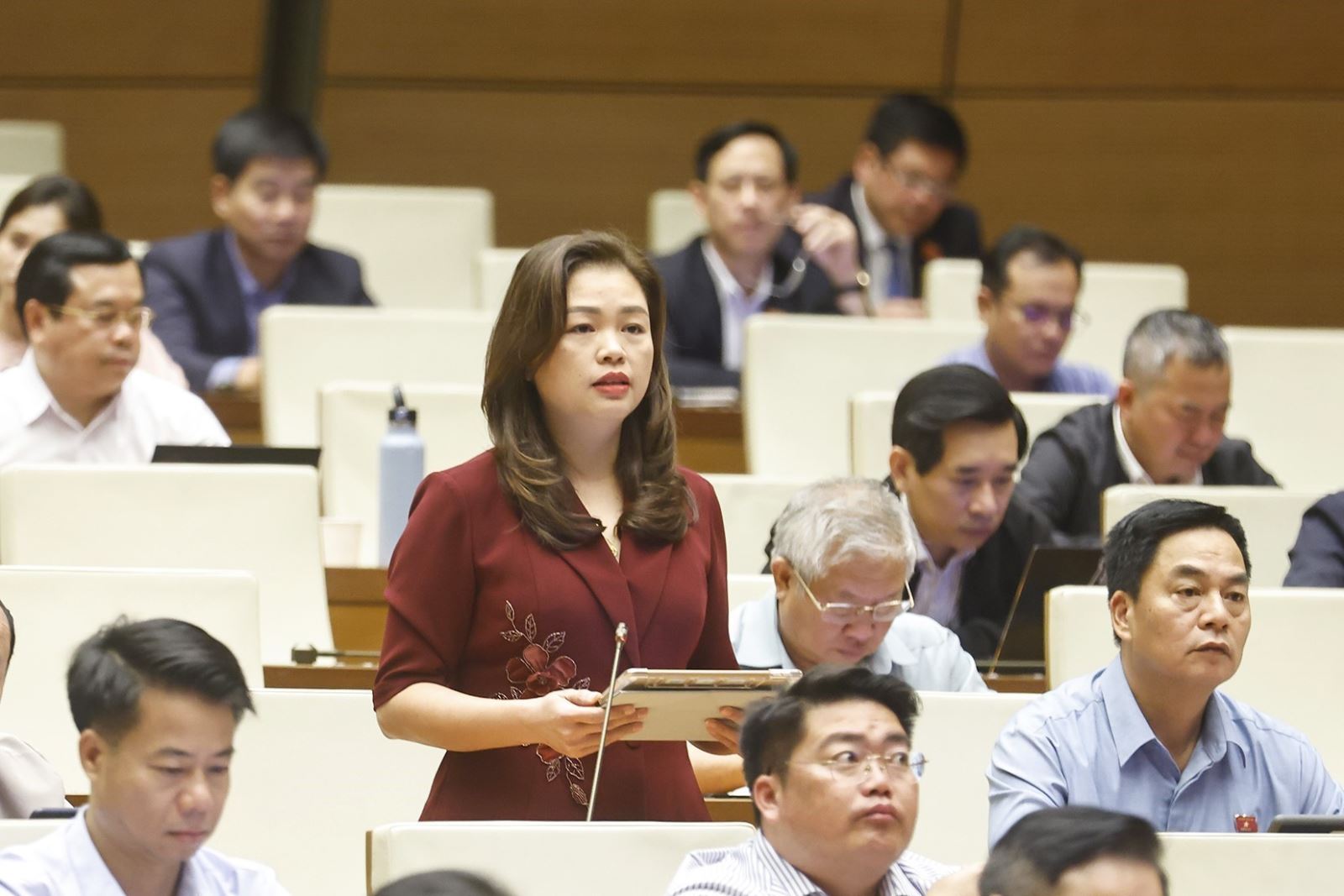
Representative Doan Thi Le An - Member of the National Assembly delegation from Cao Bang province, speaks in the assembly hall during the discussion on the amended Press Law.
Thirdly, the law clarifies the operating conditions of the press, the licensing mechanism, and the organizational structure; it identifies key multimedia press agencies, representative offices, and resident reporters. Specifically, Clause 5 of Article 15 stipulates that key multimedia press agencies encompass various types of media and affiliated press agencies; have a specific financial mechanism; and are established in accordance with the Strategy for the Development and Management of the Press System approved by the Prime Minister. According to Clause 4 of Article 26, the leaders of key multimedia press agencies may concurrently hold leadership positions in one or more affiliated press agencies. Clause 7 of Article 15 assigns the Government the task of specifying the detailed specific financial mechanism for each key multimedia press agency, in accordance with its level of autonomy.
Fourth, the law specifies regulations regarding journalist cards, legal responsibility for information content; and the right to request corrections and removal of infringing information on platforms.
Fifth, the law will refine regulations on managing journalistic activities in cyberspace and the application of new technologies, including regulating the use of artificial intelligence (AI).
A group of draft laws related to finance and economics, such as the Law on Tax Administration (amended); the Law on Personal Income Tax (amended); the Law on Saving and Combating Waste; and the Law on Planning (amended)... were passed and are expected to contribute to the completion of a comprehensive legal system, guiding and managing the development of new technology fields, laying the foundation for science, technology, innovation, and digital transformation to truly become the main driving force of socio-economic growth in the next phase.
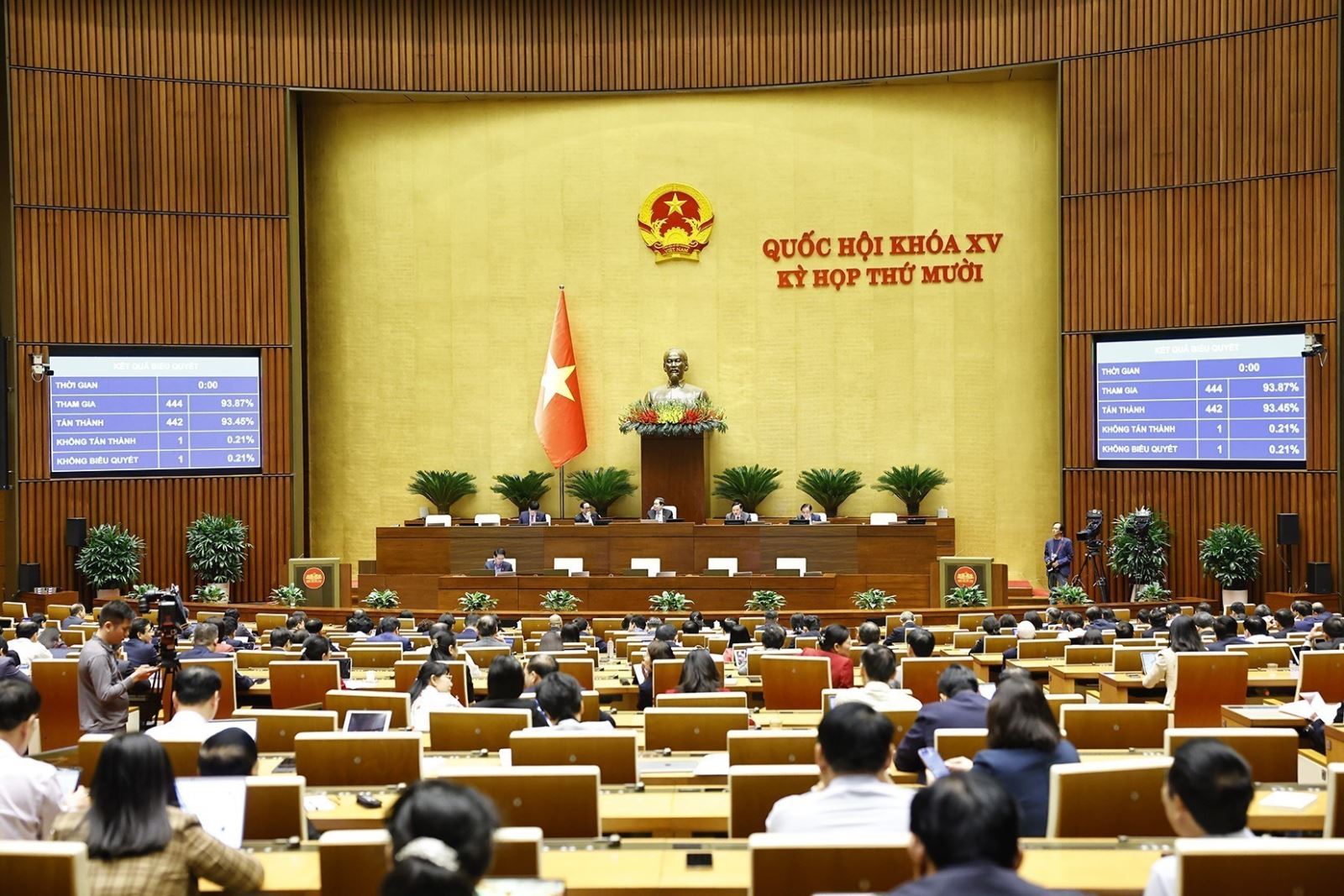
The National Assembly voted to pass the Law amending and supplementing a number of articles of the Law on Prevention and Combat of Corruption.
The group of draft laws promoting high-tech development and digital transformation, such as the Law on Artificial Intelligence (AI), the Law on Digital Transformation, the Law on Cybersecurity, the Law on High Technology (amended), and the Law amending and supplementing certain articles of the Law on Technology Transfer, create a new legal framework for key technology sectors, considered drivers of future growth. The Law on Artificial Intelligence marks the first time Vietnam has developed a separate law on AI, aiming to manage, promote the application, and develop this technology safely and sustainably. Along with the Law on AI, the draft Law on Digital Transformation provides a solid legal foundation for national digital transformation, aiming to build a digital economy and a digital society. The Law on Cybersecurity will complete the legal framework on cybersecurity, protecting the rights of citizens and businesses in the digital age.
The National Assembly also considered and passed the Extradition Law, the Law on Transfer of Persons Serving Prison Sentences, the Law on Mutual Legal Assistance in Criminal Matters, and the Law on Mutual Legal Assistance in Civil Matters. This ensures a legal basis for specific regulations in each area of mutual legal assistance, institutionalizes the Party's policy on promoting judicial reform and strengthening international integration; overcomes limitations and shortcomings from over 16 years of implementing the Law's provisions; continues to internalize the provisions of international treaties to which Vietnam is a party; ensures consistency and uniformity with related laws in the legal system; and facilitates the negotiation, signing, and implementation of international treaties.
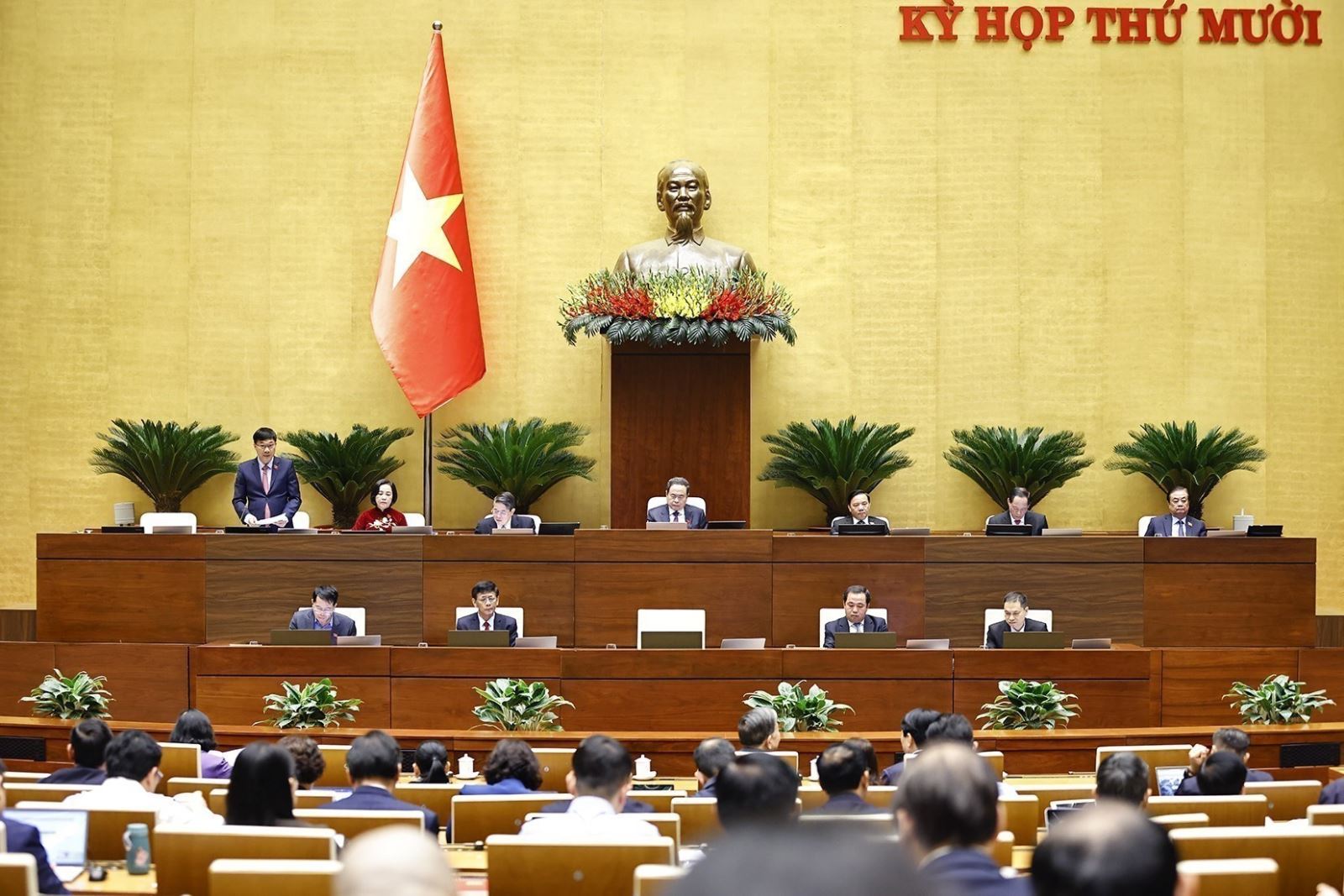
As assigned by the Speaker of the National Assembly, Deputy Speaker Vu Hong Thanh presided over the session.
Recognizing that high-quality human resources are a key factor in successfully implementing the country's socio-economic development goals and tasks in the new era, the National Assembly has passed: the Law amending and supplementing a number of articles of the Law on Education; the Law on Higher Education; the Law on Vocational Education; and the National Assembly Resolution on some specific and outstanding mechanisms and policies to achieve breakthroughs in education and training development… creating a complete legal basis for perfecting the legal framework of the national education system and creating breakthroughs in education and training development, promoting decentralization and decentralization to improve the effectiveness and efficiency of state management in education; removing institutional bottlenecks and obstacles for the development of higher education to become a center for training high-quality human resources, pioneering in promoting national science, technology and innovation, in line with the trend of international integration...
In addition, the National Assembly has passed resolutions amending and supplementing several articles of Resolution No. 98/2023/QH15 on piloting some specific mechanisms and policies for the development of Ho Chi Minh City; a resolution amending and supplementing several articles of Resolution No. 136/2024/QH15 on the organization of urban government and piloting some specific mechanisms and policies for the development of Da Nang City; and a resolution piloting some specific mechanisms and policies to implement large and important projects in Hanoi City. These aim to create a flexible legal framework to promote the rapid and sustainable development of special urban areas; strengthen decentralization and empower localities to take initiative, accelerate the implementation of important projects, effectively mobilize social resources, and improve the quality of urban governance. This is also a strategic step to form pilot models that can be replicated, contributing to creating new momentum for the socio-economic development of the whole country…
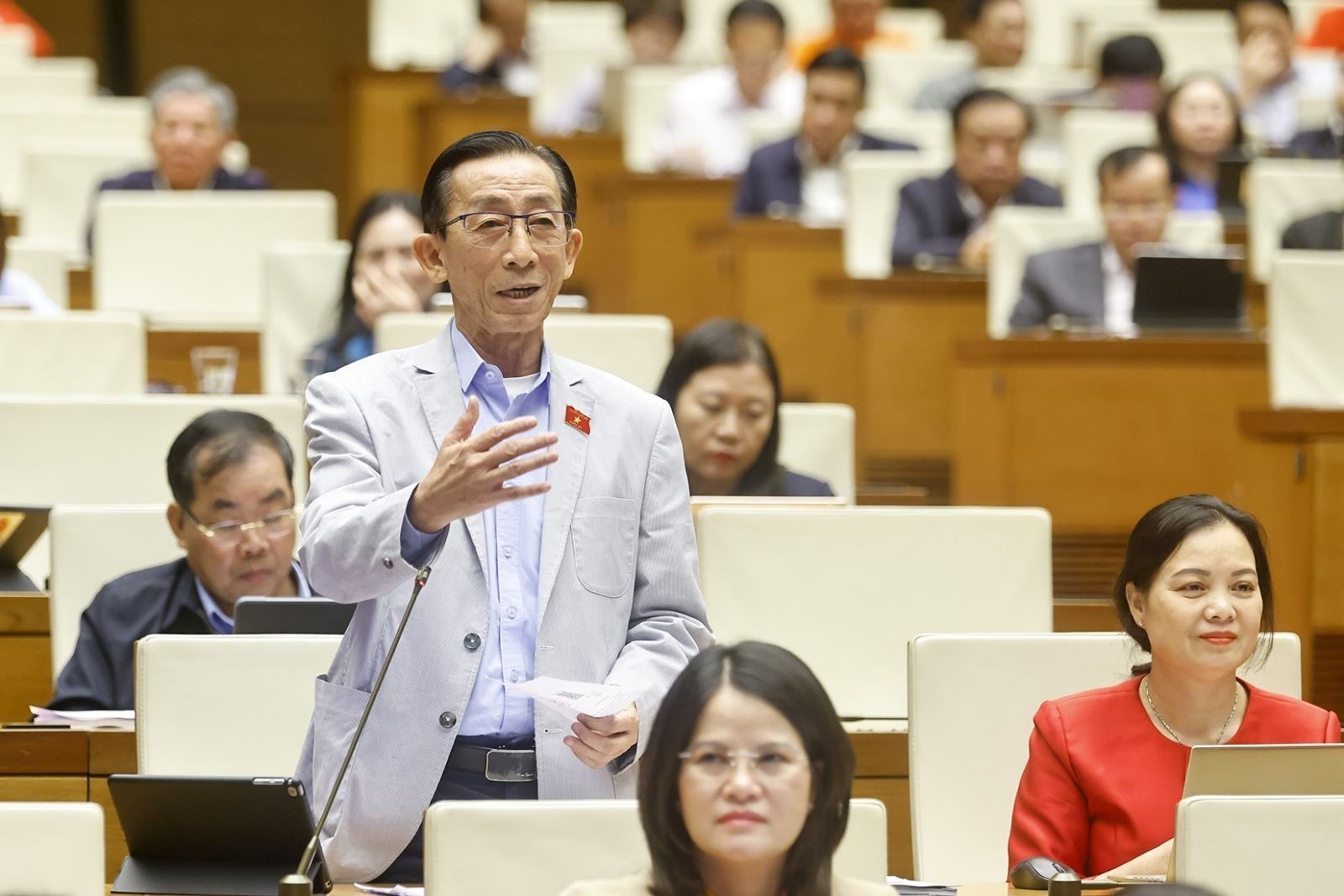
Representative Tran Hoang Ngan - Member of the National Assembly delegation from Ho Chi Minh City, delivered a speech.
Representative Tran Hoang Ngan (Ho Chi Minh City National Assembly Delegation) stated that the 15th National Assembly term and its 10th session have completed a large volume of work in the legislative and supervisory fields, especially in the context of the country's transformation to meet the requirements of higher-level development. Many fundamental policies have been considered and decided upon to remove institutional bottlenecks and expand the scope for growth and sustainable development.
Sharing the same view, National Assembly delegate Nguyen Thi Viet Nga (from the Hai Phong City National Assembly delegation) stated that the laws and resolutions passed by the National Assembly are closely related to people's lives, such as those concerning personal income tax, education, disease prevention, population, construction, land, and media. Notably, in education, the National Assembly's approval of a single set of textbooks, consideration of tuition fee exemption, provision of free textbooks for students, and policies on salaries and allowances for teachers are all issues of particular public interest. In the field of healthcare, proposals and decisions related to waiving hospital fees, strengthening primary healthcare, and ensuring healthcare for the people from the front lines are also highly appreciated by the people because they directly affect each family, helping people to have fuller access to education, healthcare, and social services.

The most notable aspects of the 15th National Assembly's term were its innovative thinking on legislative work; the promotion of a digital National Assembly and increased application of science and technology in the National Assembly's activities; and the important role of parliamentary diplomacy in the overall state foreign policy. The laws and resolutions passed by the National Assembly both promptly met practical requirements and created a legal framework for the new era.
One of the "new laws" considered and passed by the National Assembly for the first time is the Law on Specialized Courts in International Financial Centers. The National Assembly's approval of this law aims to create a complete legal basis for establishing a mechanism for quickly and effectively resolving disputes arising from investment and business activities in international financial centers, with modern and superior procedural processes that are consistent with international practices.
Furthermore, the National Assembly's enactment of the Law on Recovery and Bankruptcy contributes to resolving bottlenecks and shortcomings in practical implementation, creating a favorable legal framework for businesses and cooperatives to recover their production and business activities; contributing to improving the investment and business environment and enhancing national competitiveness; protecting the legitimate rights and interests of all parties, in accordance with international practices and the conditions of Vietnam.
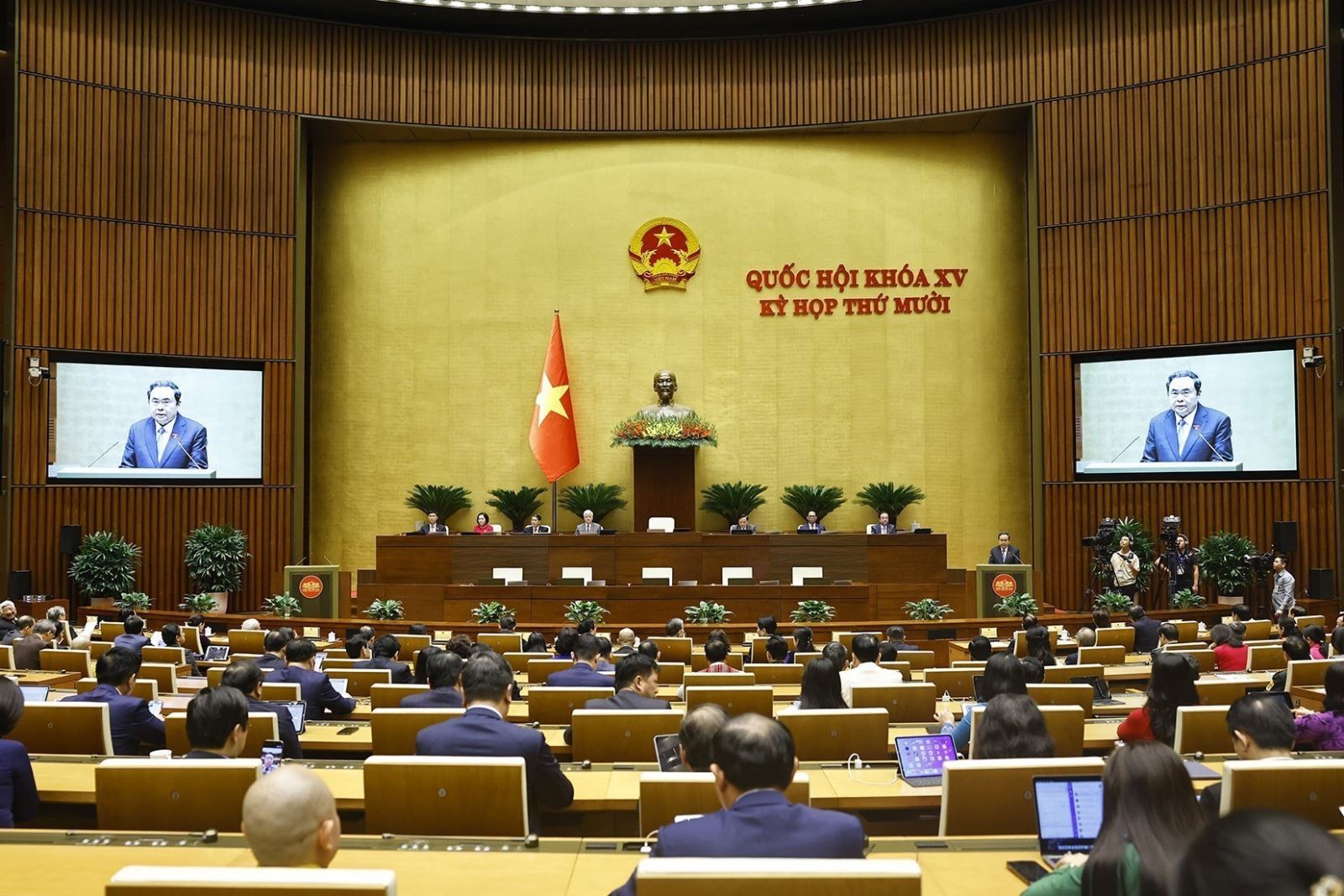
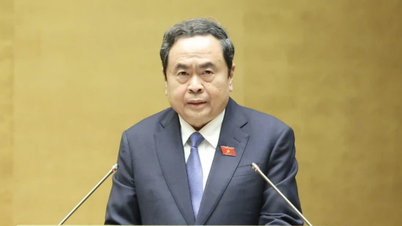
National Assembly Chairman Tran Thanh Man delivered the closing remarks at the 10th session.
Alongside the adoption of draft laws, the National Assembly also passed resolutions that form the foundation for socio-economic development. These include the Resolution of the National Assembly stipulating a number of mechanisms and policies to address difficulties and obstacles in the implementation of the Land Law and deciding on a number of financial and budgetary matters, expanding the application of some specific mechanisms and policies… aiming to fully and promptly institutionalize the views and policies of the Party and State on land policy; promptly resolve “bottlenecks” and new issues arising from practice, contributing to achieving socio-economic development goals, improving the effectiveness and efficiency of land management and use, and aligning with new management requirements.
National Assembly Chairman Tran Thanh Man affirmed: Along with legislative and supervisory work, the National Assembly has considered and decided on many strategic issues of great importance. In particular, at this session, the National Assembly has thoroughly and comprehensively reviewed the work of the 2021-2026 term of the state apparatus; considered and decided on personnel matters in accordance with the regulations of the Party and the laws of the State; and at the same time, carefully discussed the draft documents to be submitted to the 14th National Congress of the Party, contributing intellect, dedication, and ideas for the development of the country towards the goal of becoming a developing country with modern industry and high middle income by 2030, when the Party celebrates its 100th anniversary; and becoming a developed country with high income by 2045, the 100th anniversary of the nation's founding.
Along the corridors of the National Assembly, reporters from the Vietnam News Agency (VNA) recorded many opinions from National Assembly deputies assessing the professionalism and effectiveness of the session, clearly demonstrated by the expeditious work progress and close coordination between National Assembly agencies, drafting bodies, and individual deputies. Many sessions were held with a large number of items presented to the National Assembly for consideration and discussion, requiring thorough preparation, in-depth debate, and the ability to process information quickly but cautiously and systematically. This reflected the maturity in legislative skills of the deputies, especially their proactive approach in research, critical analysis, and contributions to policy improvement from the deputies, National Assembly agencies, and drafting bodies.
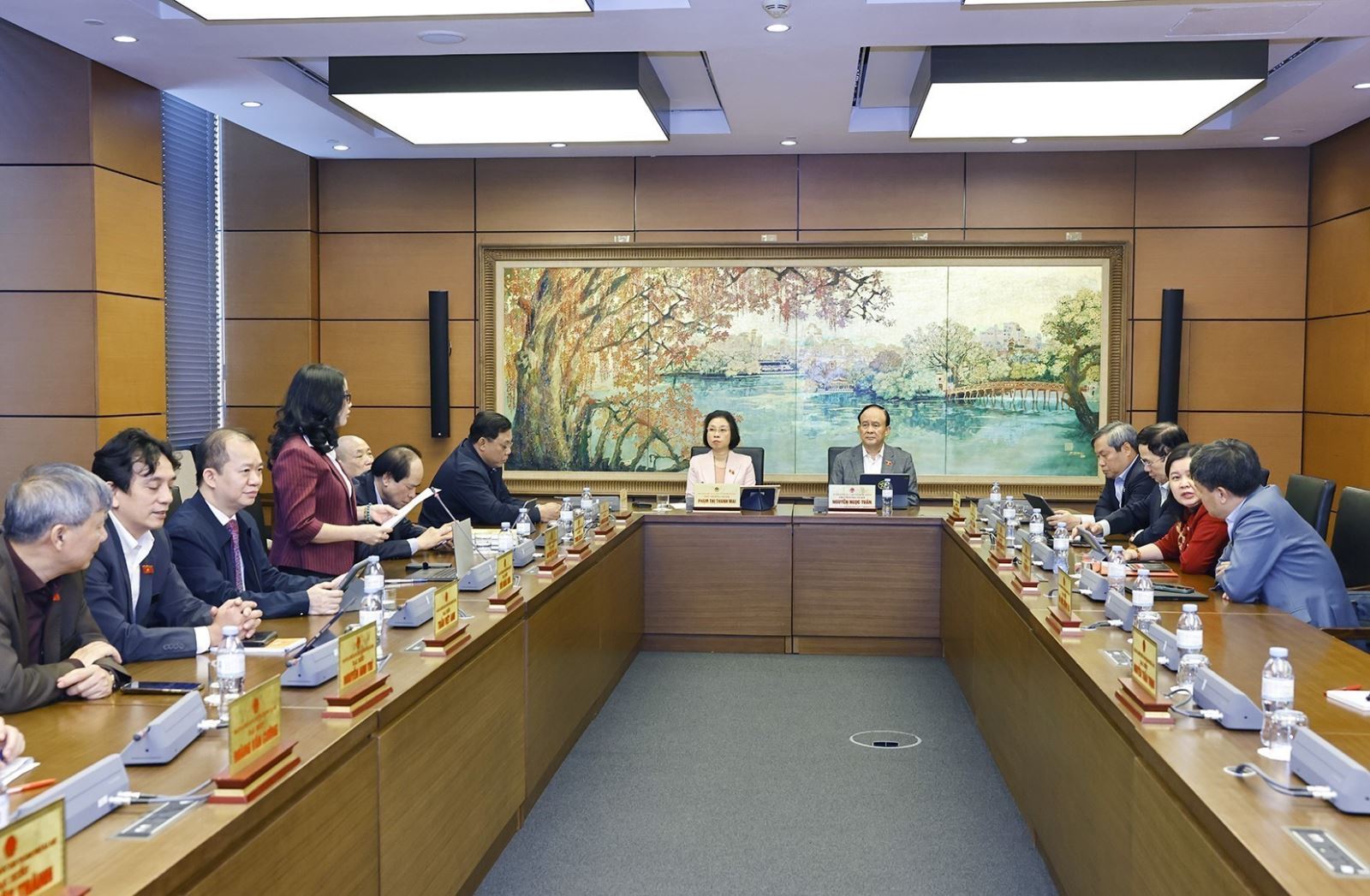
The delegation of National Assembly representatives from Hanoi City held discussions in their respective groups.
However, the large number of laws and resolutions passed at the Session, and the fact that most were considered and approved through the prescribed procedures within a single Session, places a significant responsibility on the Government, ministries, and localities in organizing their implementation to immediately promote the innovative and groundbreaking spirit of these laws and resolutions. In particular, the issuance of detailed regulations for laws and resolutions in emerging fields such as artificial intelligence, e-commerce, and cybersecurity requires extensive consultation with experts, the business community, and international experience to ensure feasibility, reduce compliance costs, streamline administrative procedures, and promptly adapt to the rapid changes in technology.
Therefore, the National Assembly and its Standing Committees, even after their terms have ended, still need appropriate mechanisms and methods to ensure uninterrupted oversight of the implementation of laws and resolutions, primarily the issuance of guiding documents for the implementation of laws and resolutions passed by the National Assembly.
The National Assembly may request the Government and relevant agencies to regularly review and report at sessions of the National Assembly Standing Committee on the progress and quality of detailed regulations and implementation roadmaps for each law and resolution, linking this to the accountability of the Government and each ministry and sector; and request agencies representing the voice of the people and the business community to provide feedback and assessments on the implementation of laws...
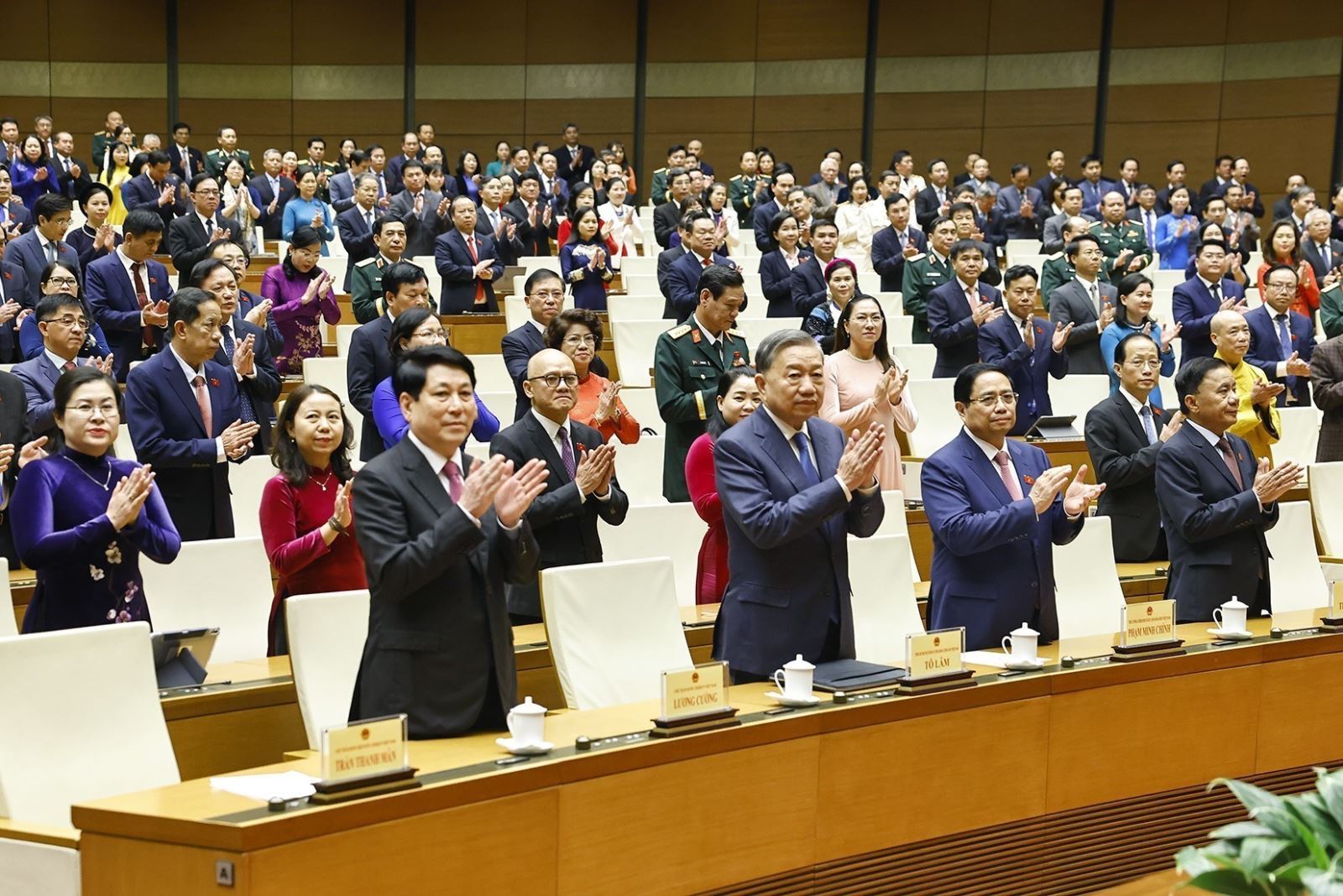
General Secretary To Lam, along with other leaders, former leaders of the Party and State, and delegates, performed the flag-raising ceremony to conclude the 10th Session of the 15th National Assembly.
Looking back at the entire term of the 15th National Assembly, the National Assembly amended and supplemented several articles of the Constitution; proactively reformed its thinking in lawmaking; actively and promptly institutionalized the Party's policies into law; affirmed its pioneering role in institutional development; promoted the application of digital technology, digital transformation, and artificial intelligence; and for the first time, successfully organized two forums on law and supervision.
The National Assembly has enacted many important laws on perfecting the socialist rule of law; streamlining the organizational structure and reorganizing administrative units; combating corruption, waste, and negative practices, especially in the fields of finance and budget, culture and society, health and education, ensuring social security; resources and environment; science and technology; innovation and digital transformation; national defense and security, foreign affairs, and international integration… creating an important foundation for our country to enter a new era of development.

Representative Nguyen Van Rien (Ho Chi Minh City National Assembly Delegation) assessed the 10th Session as significant in both depth and breadth. It was both a session summarizing the term with many new, democratic, and effective approaches, and an important preparatory step for the 16th National Assembly, in the context of the country facing the demands of comprehensive development and increasingly profound reforms.
According to Representative Nguyen Thanh Nam (Phu Tho National Assembly Delegation), the workload of the Session is enormous, encompassing many key areas of socio-economic life. Focusing on handling a large volume of legislative content clearly demonstrates the proactive spirit and actions of the National Assembly in its role as the highest state power organ, contributing to ensuring the consistency and timeliness of the legal system, and creating a stable legal foundation for the management and operation of the Government and all levels of government.
One of the notable innovations highlighted by many delegates at this session was the way the working sessions were organized and conducted. The National Assembly significantly reduced the time spent on presentations and reading reports, while increasing the time allocated for discussion and debate. As a result, the contributions of delegates were expressed more clearly and profoundly, reflecting the thoughts and aspirations of voters in a timely manner, as well as proposing solutions to address difficulties and obstacles arising from practice.
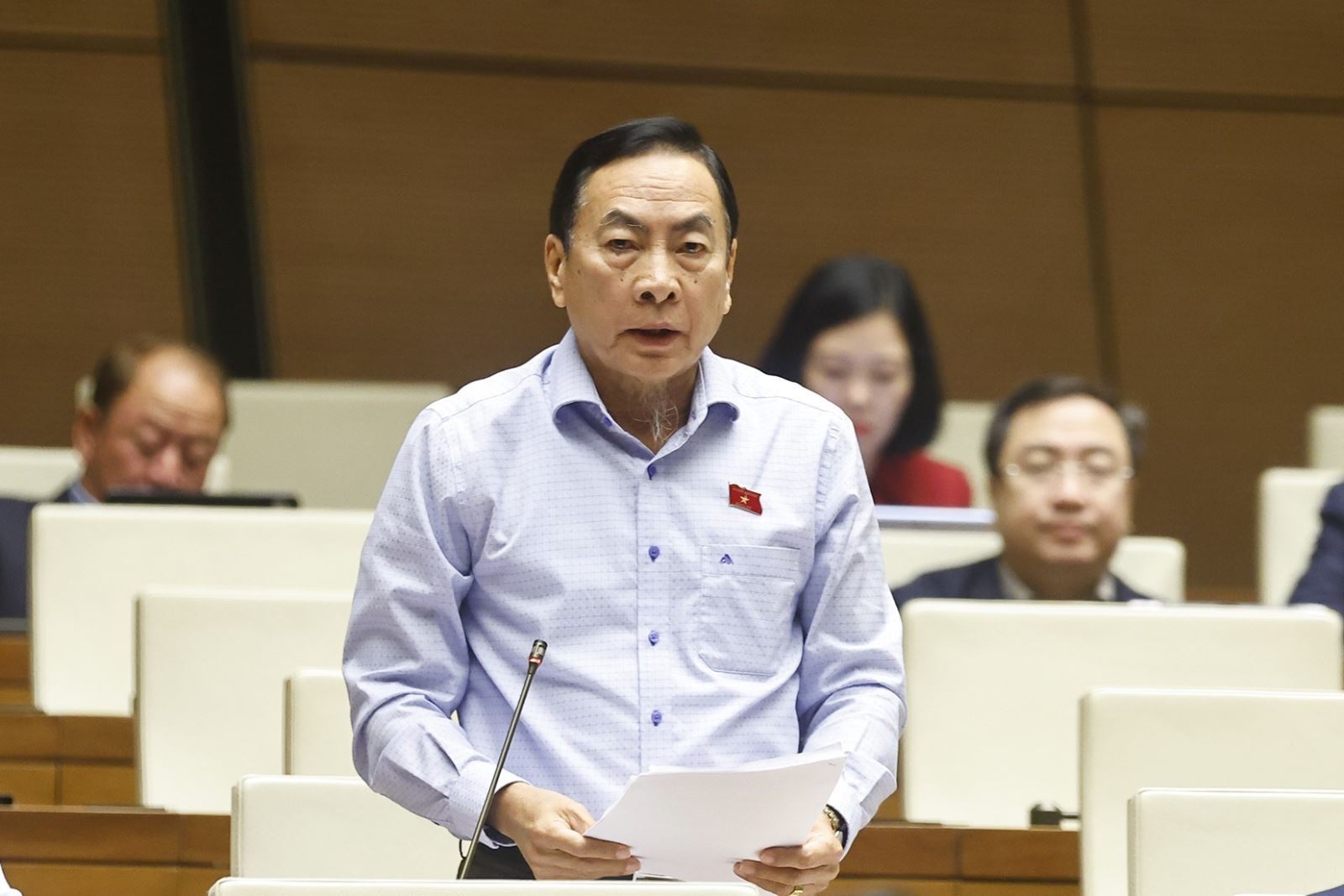
Representative Pham Van Hoa - Member of the National Assembly delegation from Dong Thap province, delivered a speech at the National Assembly.
Assessing the session from the perspective of practical participation in lawmaking, delegate Pham Van Hoa (Dong Thap delegation) stated that the session recorded many new and progressive points. In particular, the shift to written questioning instead of direct questioning saved time while ensuring that the questions and answers were clearly and fully presented, providing a basis for monitoring and supervision after the session.
In addition, delegate Pham Van Hoa highly appreciated the approach to lawmaking at the 10th session. The draft laws were meticulously prepared, adhering to the principle of only stipulating framework and directional issues, while leaving the detailed content to the Government to proactively manage. This approach creates flexibility in implementation and helps the laws maintain greater stability, avoiding the need for frequent amendments in response to rapidly changing circumstances.
The democratic and open working atmosphere was also considered a key highlight of the session. Delegates had ample time for group discussions, engaging in frank debates and contributing in-depth opinions on each draft law and resolution. The drafting agencies demonstrated a receptive spirit, listening to, absorbing, and promptly revising relevant opinions, thereby improving the quality of the documents passed by the National Assembly.
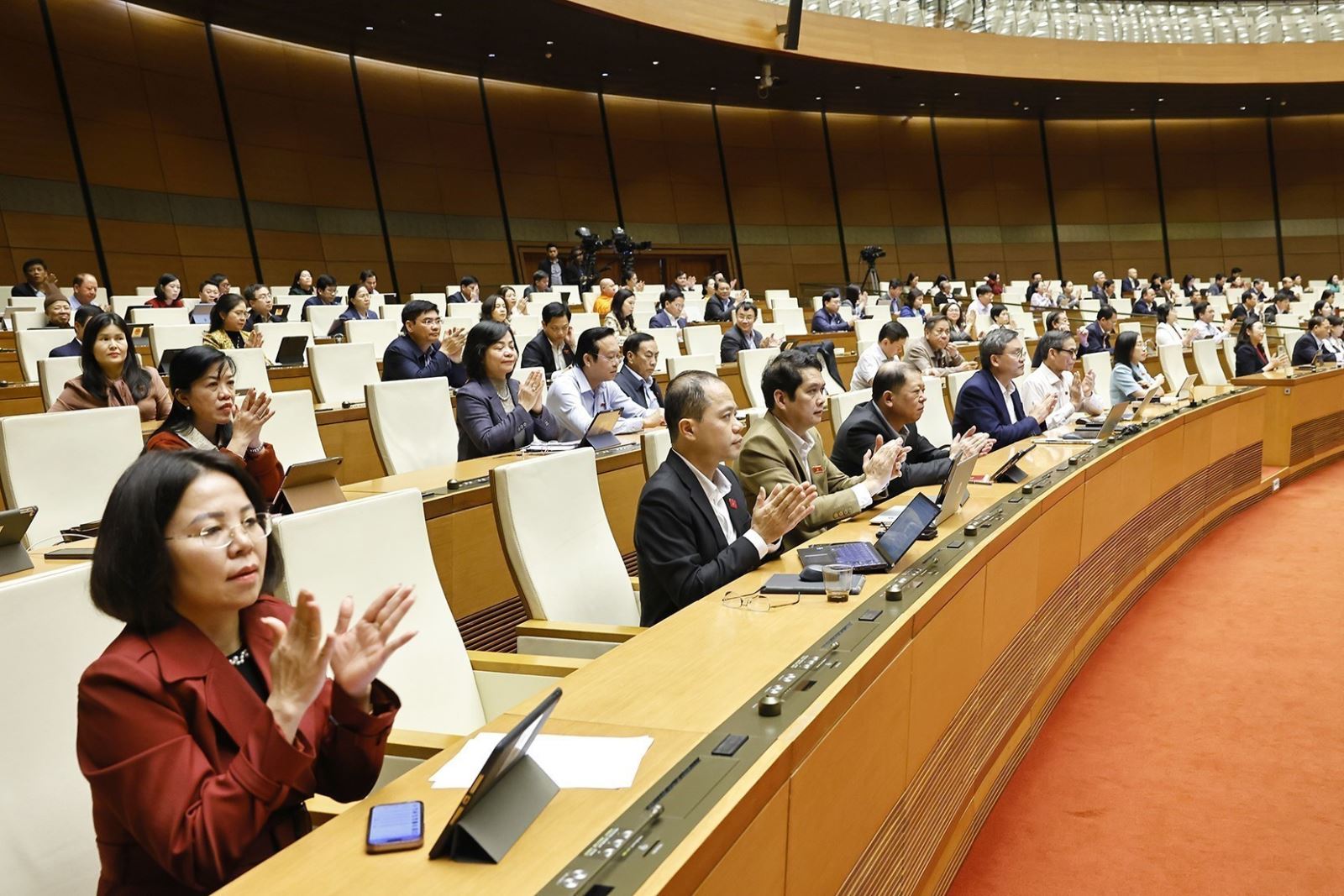
The National Assembly voted to pass the Law amending and supplementing a number of articles of the Law on Criminal Records.
Furthermore, the accountability of agencies submitting draft laws and reports is becoming increasingly evident. Most issues raised by delegates are explained specifically and transparently, building trust and consensus. This contributes to improving the effectiveness of legislative activities and encourages delegates to further fulfill their roles and responsibilities to the electorate and the country.
Many National Assembly deputies believe that the 10th session of the 15th National Assembly not only completed a large volume of work with increasingly improved quality, but also made a mark in terms of innovative thinking and working methods. The results achieved at the session have contributed to building a solid legal framework, meeting the development requirements of the country in the new period, with the goal of rapid, sustainable growth and improved national governance capacity.
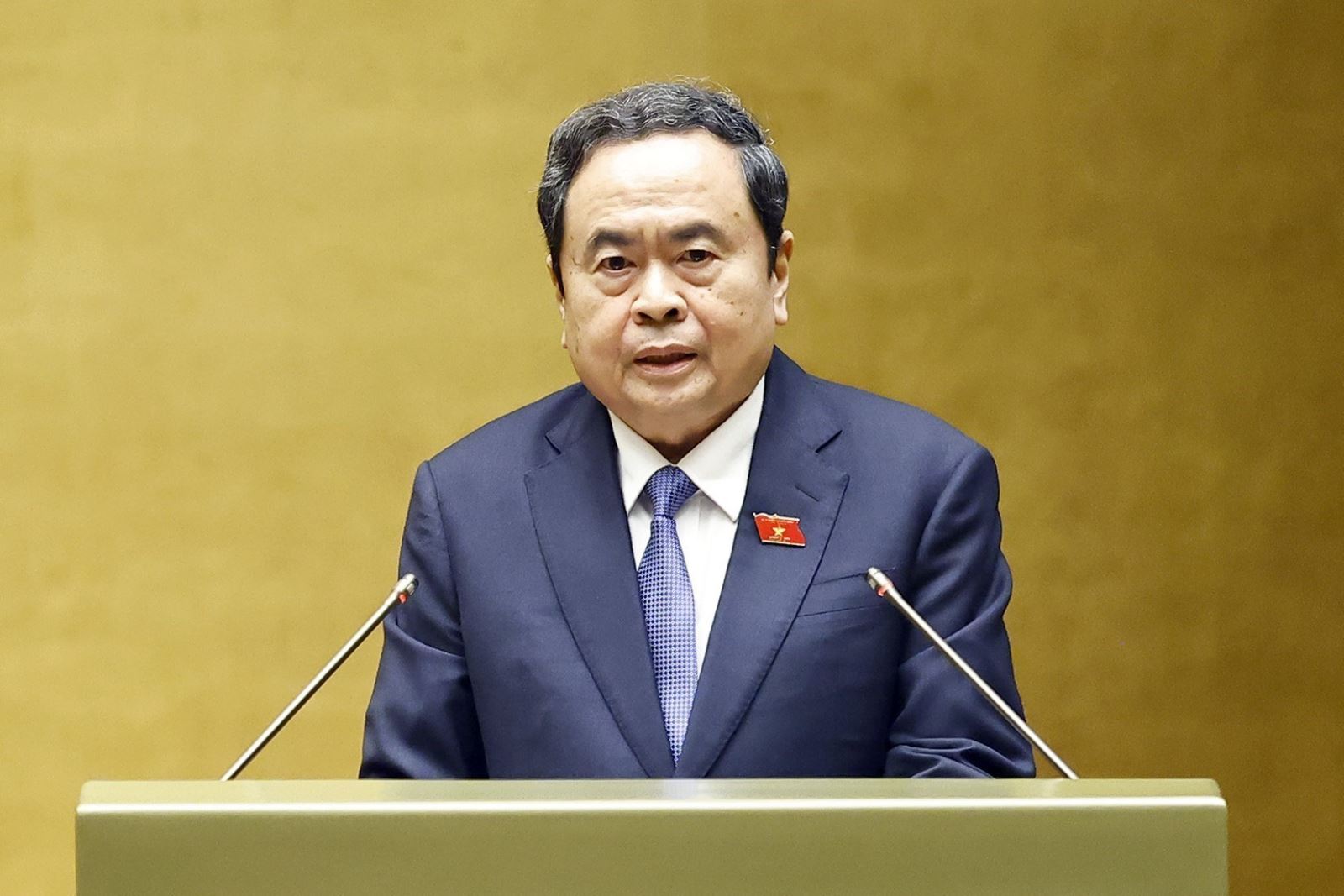
National Assembly Chairman Tran Thanh Man delivered the closing remarks at the 10th session.
At the closing session of the 10th session, the final session of the 15th National Assembly, on behalf of the Standing Committee of the National Assembly, National Assembly Chairman Tran Thanh Man respectfully thanked the National Assembly deputies, the National Assembly's agencies, and the National Assembly delegations for their positive, dedicated, and tireless contributions; for utilizing every minute and working day and night to research, discuss, and debate frankly and profoundly in all forums; for listening to and reflecting on the aspirations and wishes of the people as well as the pressing issues of reality to reflect and propose practical and fundamental solutions, placing the interests of the people at the center of all decisions, and promptly resolving obstacles and difficulties so that the country can enter a new era.
“I am particularly impressed by the emphasis on the role of law as a ‘lever’ to promote development rather than a ‘bottleneck’ hindering growth. To realize this requirement, a comprehensive and synchronized review of the legal system is absolutely essential. We need to boldly eliminate outdated regulations that are no longer relevant to reality; at the same time, we need to promptly supplement new regulations for rapidly developing fields such as the digital economy, data, artificial intelligence, green economy, and circular economy. Only in this way can the law create a solid foundation and sufficient openness to lead development in the new phase,” affirmed National Assembly Chairman Tran Thanh Man.
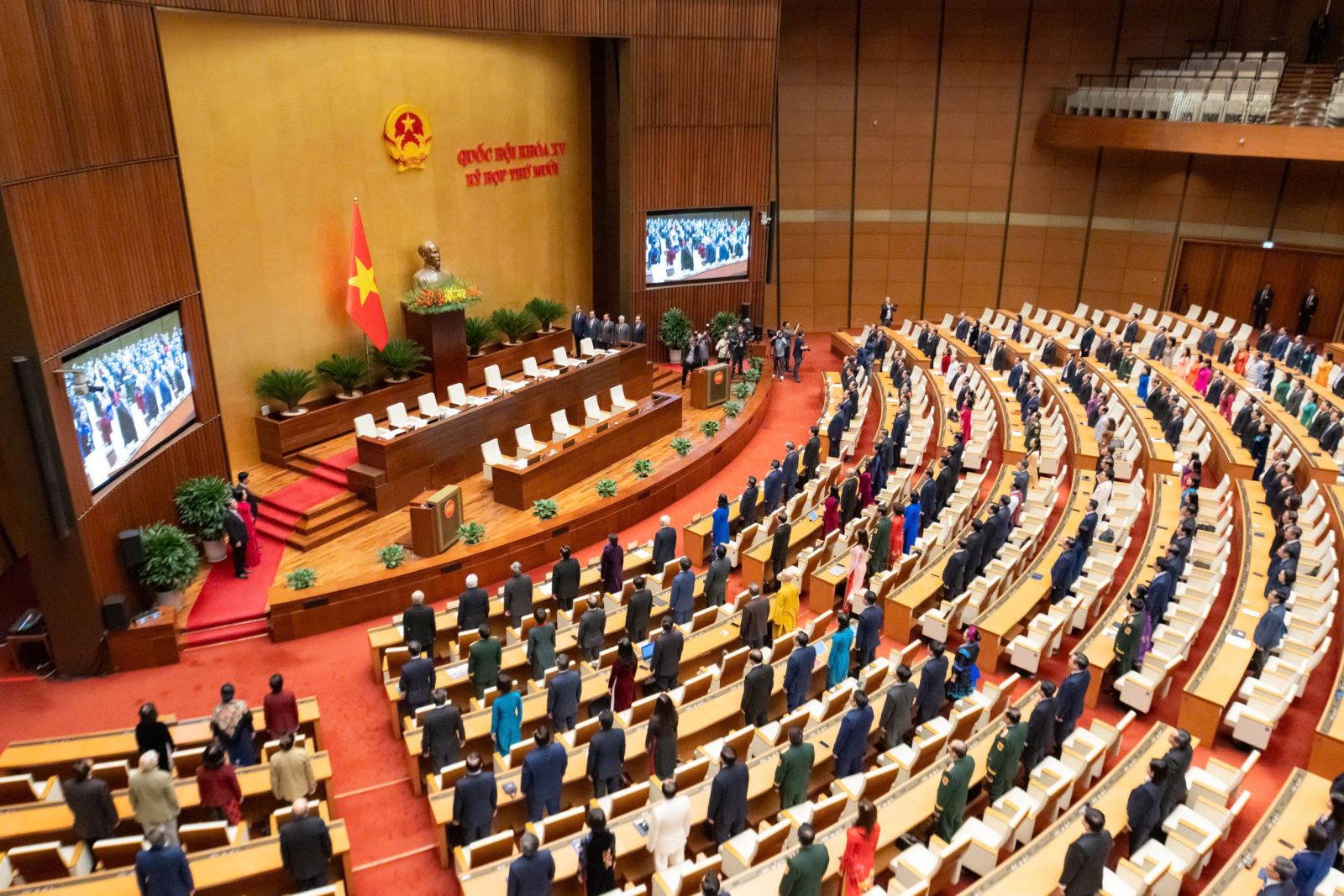
A view of the closing session of the 10th Session of the 15th National Assembly.
Produced by: The News and Ethnic Groups Newspaper Reporting Team
Presentation: V. Ton - Photo: VNA
Source: https://baotintuc.vn/long-form/thoi-su/nhiem-ky-quoc-hoi-lich-su-quyet-sach-nhieu-van-de-quoc-gia-chua-co-tien-le-20251212111600858.htm

















![[Photo] Prime Minister Pham Minh Chinh holds a phone call with the CEO of Russia's Rosatom Corporation.](/_next/image?url=https%3A%2F%2Fvphoto.vietnam.vn%2Fthumb%2F1200x675%2Fvietnam%2Fresource%2FIMAGE%2F2025%2F12%2F11%2F1765464552365_dsc-5295-jpg.webp&w=3840&q=75)















































Comment (0)