

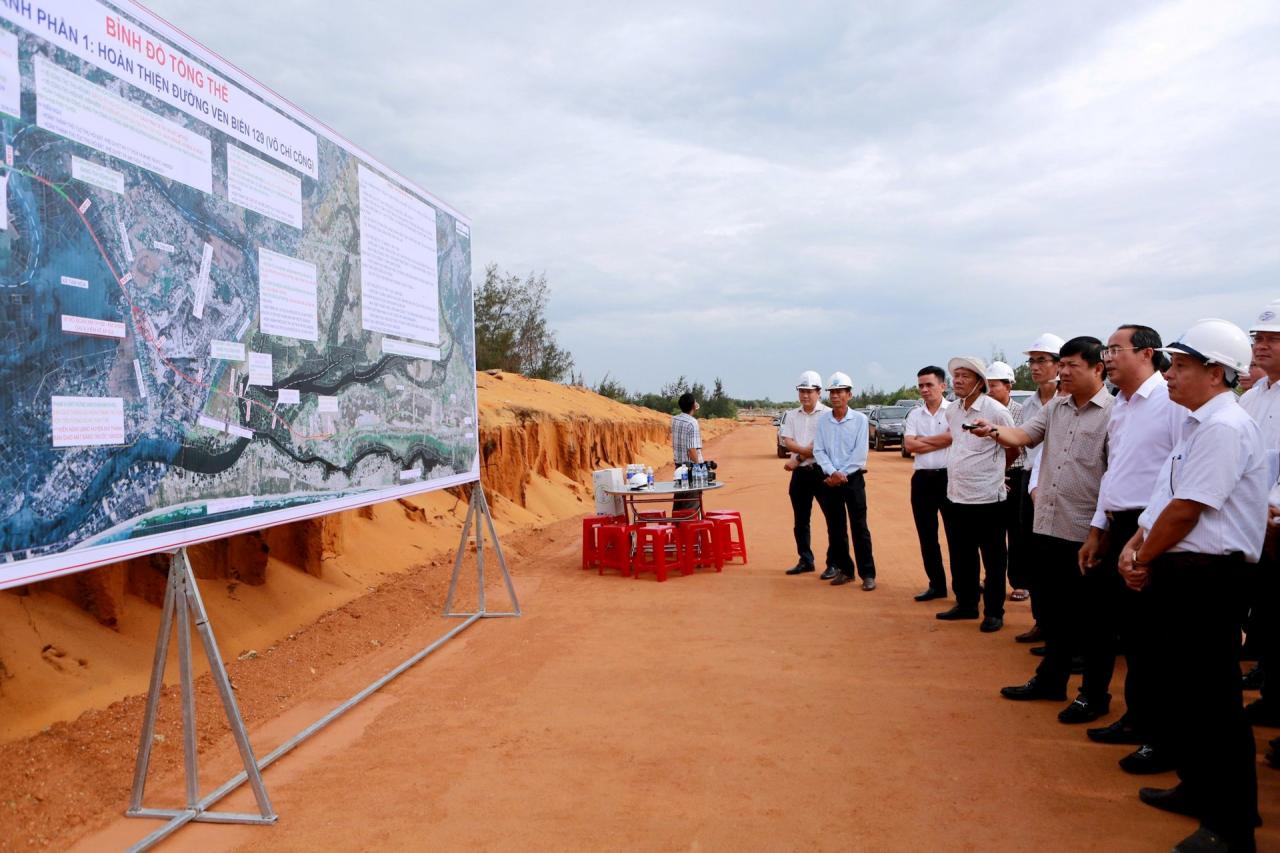
The political system gets involved.
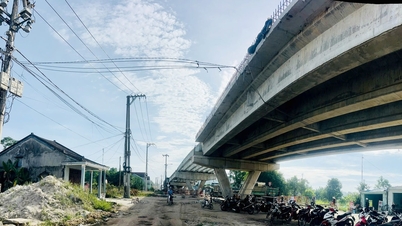
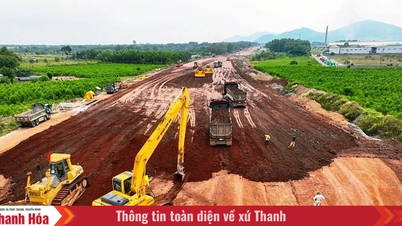
In reality, most road infrastructure construction projects in Quang Nam province currently require land clearance before construction can begin, even for completely new projects.
Taking a proactive approach, over the years, Quang Nam has separated land clearance into an independent sub-project, assigning responsibility for implementation to local authorities because they are directly involved in the local situation and can easily gain the consensus of the people.
Accordingly, the Steering Committee for Land Clearance of Key Projects in the 2021-2025 period of the province was established and restructured to provide leadership and direction throughout the entire political system to carry out the task.
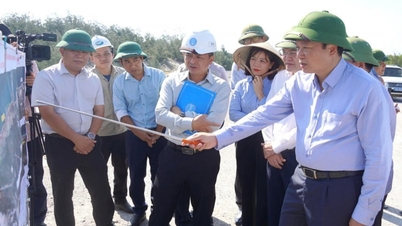
The district-level land clearance steering committee was also formed, mobilizing all levels, departments, and associations to participate. Each level, each department, and each association coordinated according to its role, position, and responsibility to achieve the common goal.
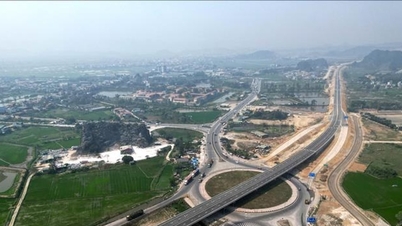
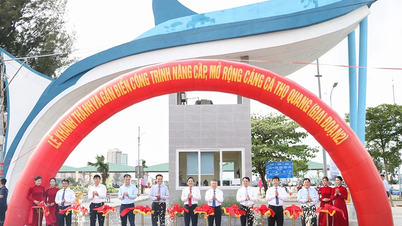
The upgraded and expanded section of National Highway 40B from Tam Thai commune (Phu Ninh district) to Tien Ky town (Tien Phuoc district) has been completed and put into use, serving as a prime example of mobilizing the entire political system for land clearance.
Notably, some officials and Party members are still hesitant to address the difficulties of land clearance, leading them to delay or doubt the progress of the project, creating a "negative psychological effect" among the people in the project area...
Therefore, local Party committees and authorities need to identify land clearance and resettlement as the "most important of all," thoroughly understand and strengthen responsibility, change the mindset and awareness of cadres and Party members, and prevent situations where "the drums beat in one direction and the trumpets blow in the opposite," causing people to lose trust.
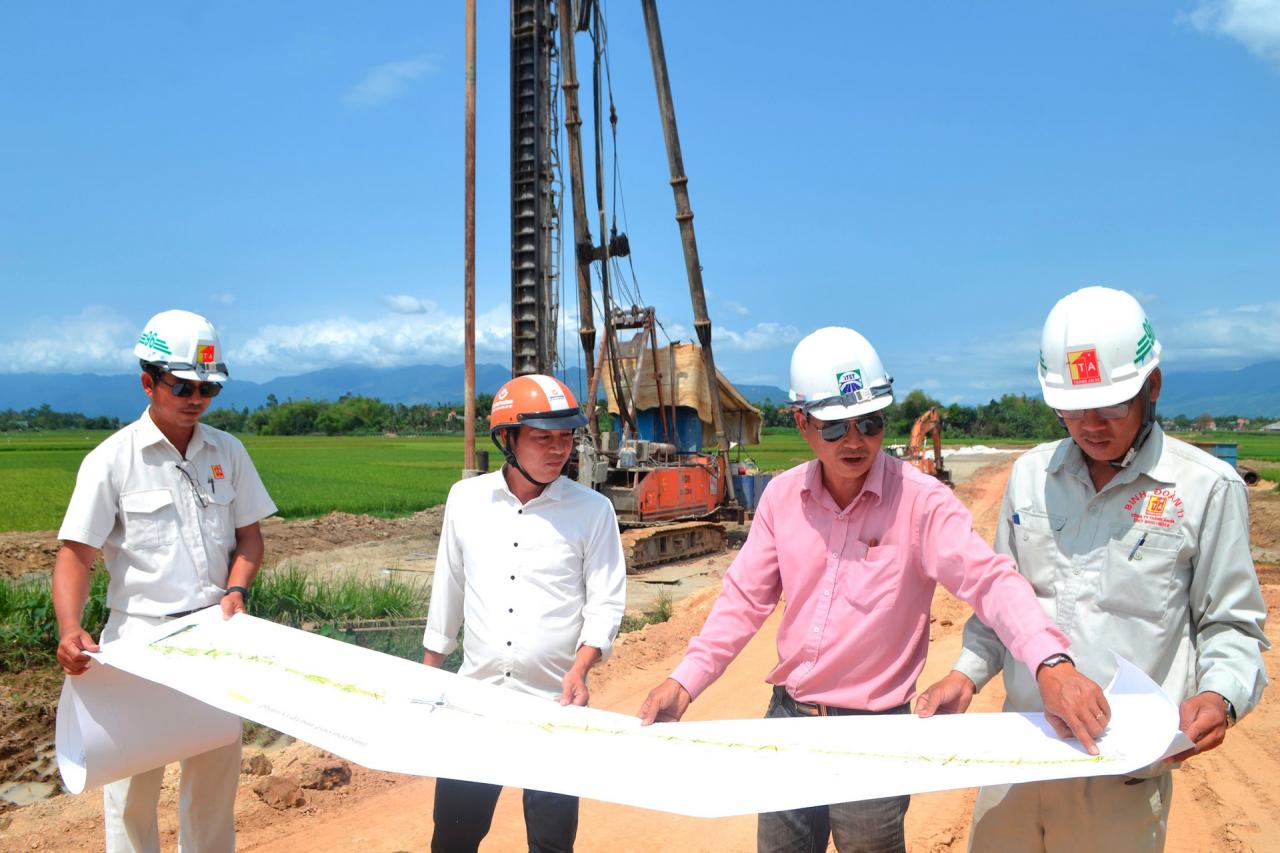
Another lesson learned from GPMB (General Project Management Board) relates to managing the status quo after an investment plan for transportation infrastructure projects has been approved. If management is poor, the status quo will change due to encroachment by some residents, affecting the project. The project will exceed its estimated costs, especially creating unfairness for households that strictly adhere to the general policy.
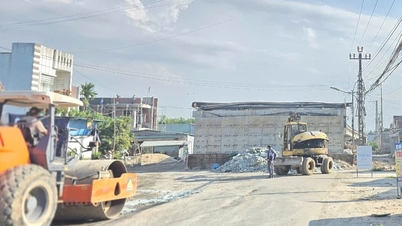
Thang Binh district has learned many valuable lessons regarding the aforementioned issue. Therefore, for infrastructure projects implemented in the area recently, such as the construction and upgrading of National Highway 14E, the district has taken photos and videos of the current state of the site before proceeding with land clearance on-site.
The essence of human beings
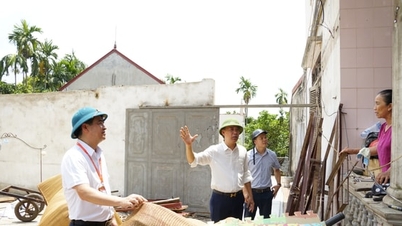
One resident shared that they were dissatisfied with the compensation, support, and resettlement rates for the project passing through their area. They recounted that when the consulting firm conducted the survey, their staff "propagated" that their family's property would be compensated and supported at a specific price.
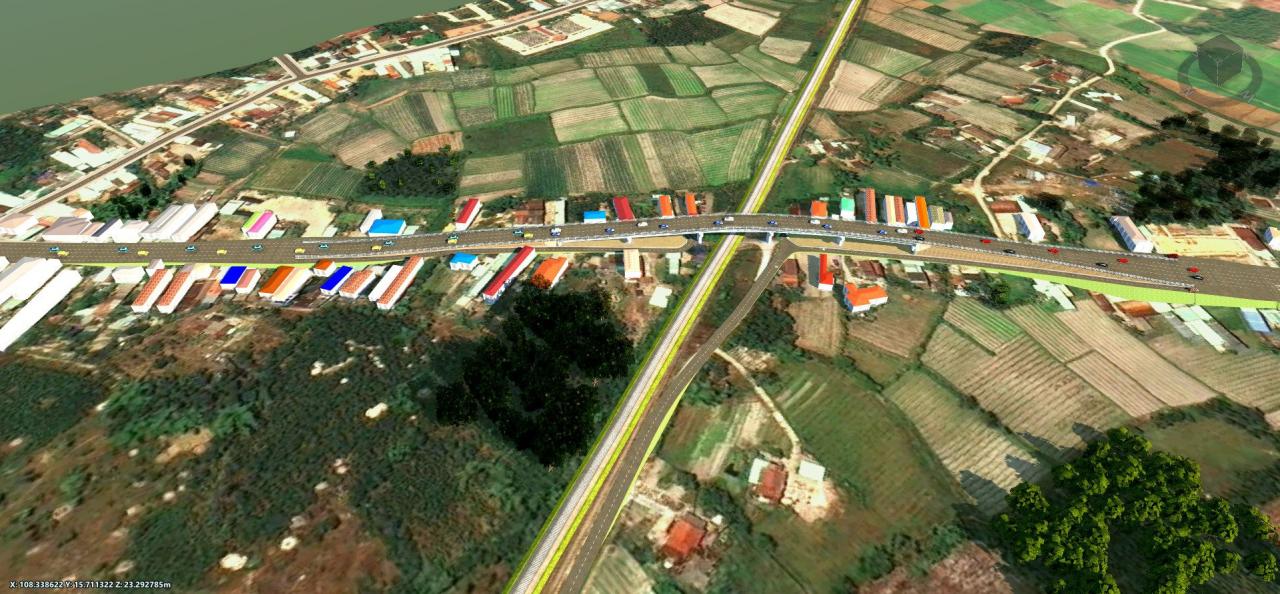
However, when the authorities applied the prices, the actual value was much lower than the information provided by the consulting firm's staff. This left people disappointed and distrustful of the prices set by the State.
To avoid the above situation, the investor needs to hold the consulting unit accountable and instruct their subordinates to focus on performing their professional duties well; at the same time, they should strictly deal with employees who intentionally make inaccurate statements that affect land clearance.
On the part of the responsible agencies and units, information regarding the relevant land clearance policy framework needs to be provided promptly and fully, so as not to create doubt among the people and to encourage their support for the project. Local authorities should not completely delegate the land clearance responsibility to the officials and staff of the assigned units.
In reality, during the initial stages of land clearance for the National Highway 14E renovation and upgrade project, some residents complained that only officials and staff from the compensation and land clearance unit came to work. They had never seen district-level leaders come down to directly meet with them for dialogue and persuasion, so they lacked trust and did not agree with the overall policy.
According to a professional, for land clearance to be successful, it is necessary to improve the effectiveness and efficiency of state management in the fields of land and basic construction. The implementation of land clearance must carefully consider and assess the impact on the people.
In exceptional cases, it may be necessary to study and combine relevant regulations, or mobilize resources outside the budget to help people stabilize their lives as soon as possible.
Timely rewards should be given to positive contributors to encourage the movement; conversely, cadres, Party members, civil servants, and public employees who lack a sense of responsibility or exemplary conduct should be resolutely dealt with. Review and propose adjustments and additions to regulations related to the policy framework that are still inadequate and affecting land clearance...
Source

![[Photo] Secretary of the National Assembly Party Committee, Chairman of the National Assembly presides over the meeting of the Standing Committee and Executive Committee of the National Assembly Party Committee.](https://vphoto.vietnam.vn/thumb/1200x675/vietnam/resource/IMAGE/2026/06/03/1780480353201_ndo_br_bnd-2585-jpg.webp)


![[Photo] General Secretary and President To Lam presides over a meeting with the Central Organizing Committee.](https://vphoto.vietnam.vn/thumb/1200x675/vietnam/resource/IMAGE/2026/06/03/1780482764658_a1-bnd-4741-3342-jpg.webp)

















![[Photo] General Secretary and President To Lam attends the 14th Congress of the Vietnam Trade Union](https://vphoto.vietnam.vn/thumb/1200x675/vietnam/resource/IMAGE/2026/06/04/1780543339765_anh-man-hinh-2026-06-04-luc-10-22-07.png)
























![[Video] Sunset at Lap An Lagoon – Where the sun sets over the fishing nets](https://vphoto.vietnam.vn/thumb/1200x675/vietnam/resource/IMAGE/2026/05/31/1780192137701_beach-landscape-sea-water-nature-grass-745871-pxhere-com.jpeg)




![[Photo] General Secretary and President To Lam attends the 14th Congress of the Vietnam Trade Union](https://vphoto.vietnam.vn/thumb/402x226/vietnam/resource/IMAGE/2026/06/04/1780543339765_anh-man-hinh-2026-06-04-luc-10-22-07.png)





























Comment (0)