

Popularize smart security solutions
Discussing the topic of promoting data sharing and building an open banking ecosystem, a representative of the Department of Information Technology (SBV) said that up to now, about 80-90% of commercial banks in the system have invested in API software applications to serve e-wallet linkage, payment initiation and customer information query.
Along with expanding connectivity, many commercial banks are also enhancing multiple layers of technical security. Most apply smart security techniques such as two-way authentication (mTLS), API call frequency limit (rate-limit), and IP whitelist to prevent unauthorized access from the outside. Real-time logging and monitoring systems help continuously monitor activities on the payment channel, promptly detect abnormalities for early intervention, and limit damage.
Thanks to the synchronous deployment of many digital technology solutions, major commercial banks such as Vietcombank, VietinBank, BIDV , VPBank have developed hundreds of connection services related to payment, account management, e-wallets and modern payment methods. Many banks have joined hands with the National Payment Corporation of Vietnam (Napas) to deploy the mobile payment solution Napas Tap and Pay on devices using the Android operating system, while integrating international payment platforms such as Apple Pay.
From the perspective of payment intermediaries, Napas representatives said that recently, this unit has coordinated with member credit institutions to deploy a warning tool for suspected fraudulent and counterfeit transactions based on data from the State Bank's SIMO system combined with data sources from the Ministry of Public Security . This warning system operates on a big data analysis mechanism, identifying unusual transaction patterns and sending real-time warnings for banks to proactively check, suspend or refuse transactions. At the same time, Napas also coordinated with the Vietnam Banking Association to issue a Fraud Prevention Handbook, helping banks have more professional tools to handle suspicious transactions, protect users and promote safe cashless payment habits.
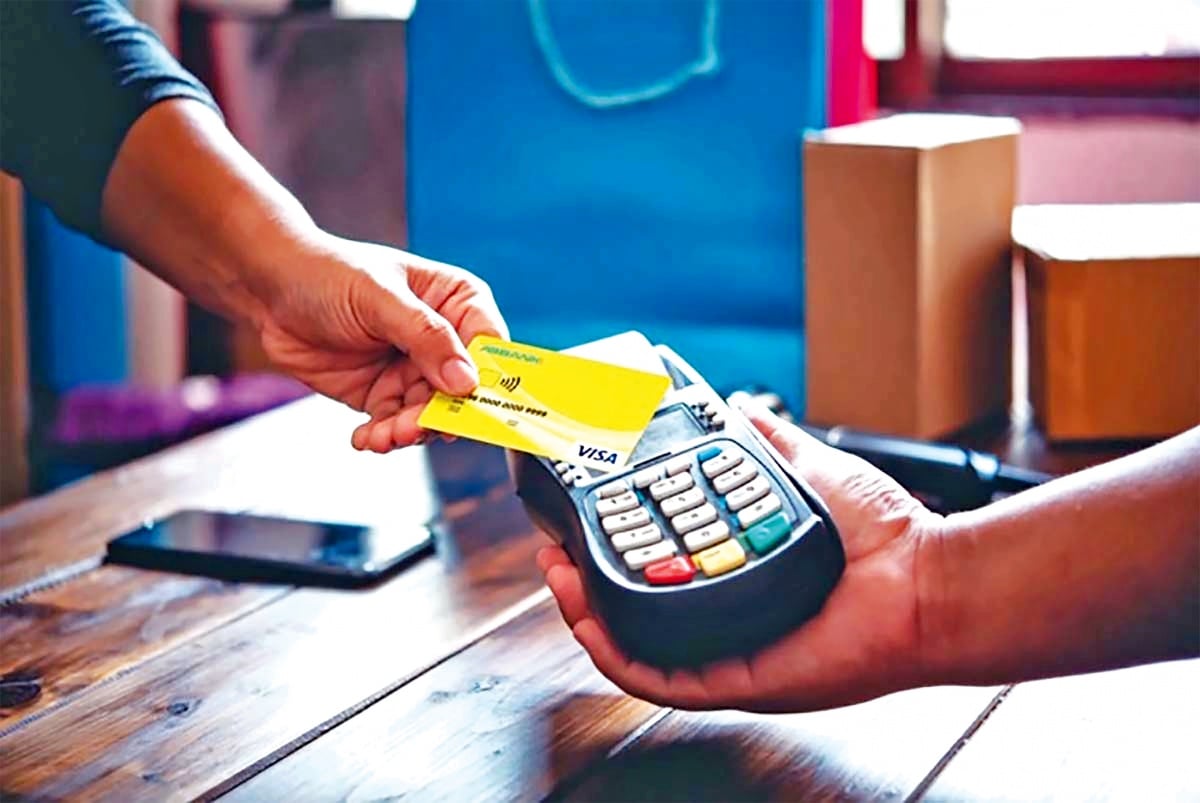
Promoting cross-border payment standardization
Visa Vietnam statistics also show that by mid-2025, the payment fraud rate in Vietnam is on a downward trend, especially in the card issuance side. In the last three quarters, the fraud rate on the issuance side has decreased sharply and is lower than the average of the Southeast Asia region.
In terms of payment acceptance (acquirer), according to a Visa representative, Vietnam is currently doing significantly better than many countries in Asia. This result is thanks to the issuers actively deploying advanced technologies such as card data tokenization, Apple Pay and Google Pay integration, and applying real-time risk management measures.
Regarding the trend of fraud and risk management in payment, Ms. Dang Tuyet Dung, Director of Visa Vietnam, said that currently, 93% of fraud in card issuance comes from online card payment transactions and the majority are cross-border transactions, mainly due to card information disclosure.
Visa believes that the risk of digital payment fraud is currently facing a situation where everything can be faked thanks to artificial intelligence (AI). Many fraudsters have become more sophisticated in joining the payment system by establishing legal businesses and registering to operate in fields such as marketing, consulting, and tourism ; from there, they build websites and prepare business profiles and professional, methodical operating procedures to overcome the initial compliance checks of payment organizations.
In order to proactively anticipate and respond to new risks in digital payments, especially cross-border payments, the Vietnam Banking Association has recently actively coordinated with commercial banks to draft and complete the "Unified Handbook for providing cross-border QR payment services in Vietnam". Contents related to the responsibility of banks when checking payment purposes, compliance with one-way money transfer limits from Vietnam to foreign countries according to Circular 20/2022/TT, regulations on minimum information in QR codes for reconciliation work... have all been thoroughly discussed and included in regulations.
In terms of infrastructure connectivity, Napas said that it has now coordinated with many commercial banks to complete QR code payment connections with Thailand, Cambodia and Laos. These connections help tourists and people on both sides of the border easily use their domestic banking applications to pay for goods and services in the neighboring country via QR codes, limiting the need to carry cash or exchange foreign currency. Early this December, Napas will continue to coordinate with UnionPay to officially deploy QR code payments between Vietnam and China, initially following the direction of Chinese customers using their payment applications to scan the code and pay at payment acceptance points in Vietnam.
In 2026, QR payment activities will continue to be expanded by Napas and commercial banks to connect to many other countries in the region such as Singapore, Korea, Japan, India, etc. Key services such as VIETQRPay, VIETQRGlobal, Tap and Pay will be promoted to serve the cross-border payment connection needs of people and businesses, while affirming the role of Vietnam's payment infrastructure in the regional network.
Source: https://thoibaonganhang.vn/quan-tri-rui-ro-thanh-toan-ngay-cang-chat-che-174508.html





























![[Photo] Parade to celebrate the 50th anniversary of Laos' National Day](/_next/image?url=https%3A%2F%2Fvphoto.vietnam.vn%2Fthumb%2F1200x675%2Fvietnam%2Fresource%2FIMAGE%2F2025%2F12%2F02%2F1764691918289_ndo_br_0-jpg.webp&w=3840&q=75)
![[Photo] Worshiping the Tuyet Son statue - a nearly 400-year-old treasure at Keo Pagoda](/_next/image?url=https%3A%2F%2Fvphoto.vietnam.vn%2Fthumb%2F1200x675%2Fvietnam%2Fresource%2FIMAGE%2F2025%2F12%2F02%2F1764679323086_ndo_br_tempimageomw0hi-4884-jpg.webp&w=3840&q=75)






































































Comment (0)