

Taking advantage of FTAs has not been as expected.
In late 2023 and the first months of 2024, Vietnam's rice and vegetable production and export activities took place quite smoothly, achieving many positive results. Rice and vegetable exports increased in both quantity and value.
According to data from the General Department of Customs, in the first four months of 2024, rice exports increased by 9.5% in volume and 33.6% in value over the same period last year; fruit and vegetable exports increased by 38.1% in value. Export results to key markets and potential markets all achieved encouraging growth.
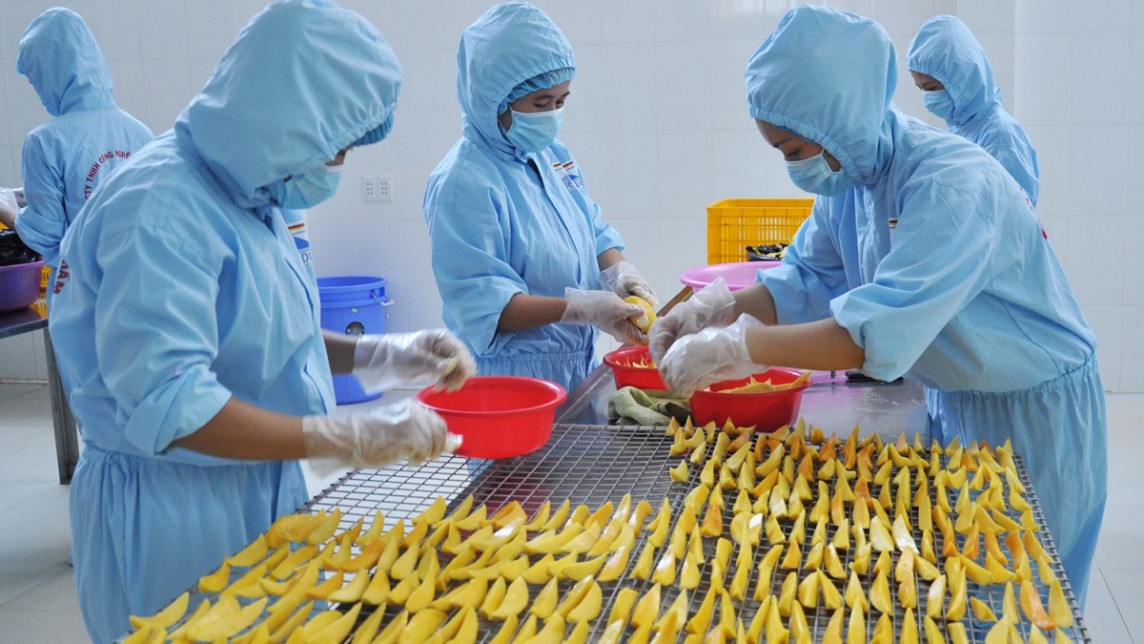 |
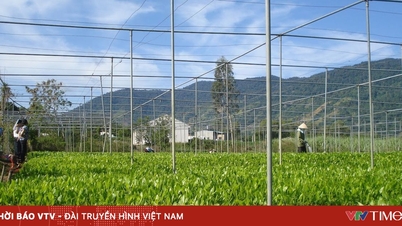
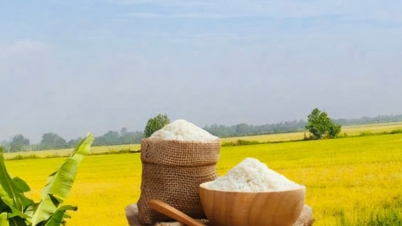
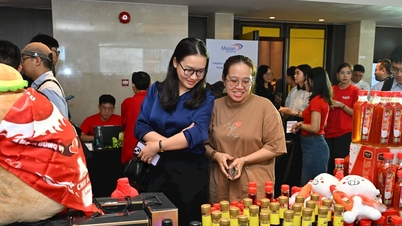
| In the first four months of 2024, Vietnam's rice and vegetable exports increased in both volume and value. Illustrative photo |
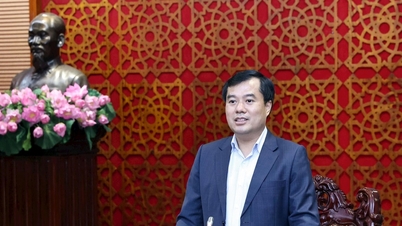
Mr. Nguyen Anh Son - Director of the Import-Export Department ( Ministry of Industry and Trade ) said that in the first 4 months of 2024, in addition to traditional export markets, businesses have also opened up many new and potential markets. The brand of rice and many Vietnamese fruit and vegetable products continues to be affirmed in the international market. Many businesses and producers have better accessed and exploited the advantages of Free Trade Agreements (FTAs) of which our country is a member.
However, despite the achievements, Vietnam's rice and vegetable production and export activities in the first four months of the year still faced some limitations, including inconsistent quality of exported goods; and significant obstacles in the linkage and coordination between associations, industries, and businesses. Notably, the utilization of preferential treatment from FTAs has not met expectations.
“Some businesses have not yet fully grasped the regulations and policies of the import market or the requirements that come with incentives from FTAs; some businesses have not focused on building brands and promoting products... ” - Director Nguyen Anh Son informed and added that in the first 4 months of 2024, the production and processing processes of production households and businesses have not fully complied with the regulations on quality, requirements on traceability, and growing area codes; the production scale is still small, scattered, lacking connections, the quality is not stable, the exported products are still in raw form, lacking deep processing...
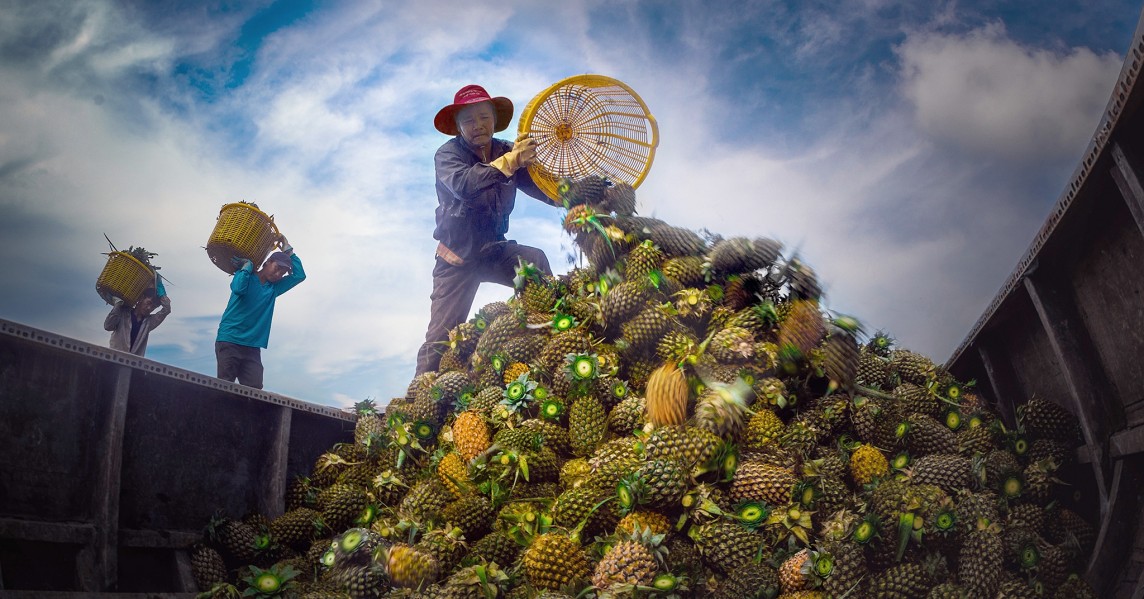 |
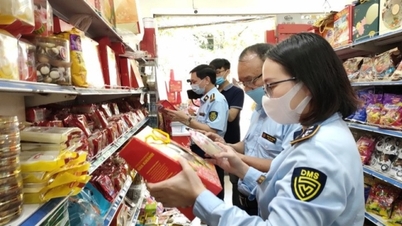
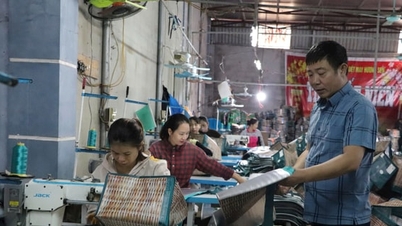
| However, rice and vegetable exports still face many obstacles, and many businesses have not yet fully grasped the regulations and policies of import markets or the requirements and incentives from FTAs. Photo: Hoang Giam |
Sharing this view, Mr. Nguyen Thanh Binh - Chairman of the Vietnam Fruit and Vegetable Association stated that the way businesses take advantage of incentives from FTAs in recent times has improved a lot, helping businesses gain more profits, but the results are still not as expected.
In the European market, the EVFTA Agreement helps Vietnamese fruits and vegetables to have up to 94% of tariffs removed when entering the EU, creating a competitive advantage compared to goods from Thailand and China. The EVFTA Agreement brings many advantages to the export of Vietnamese fruits and vegetables to the EU, but this is a market with the world's most demanding quality. They focus on food hygiene and safety, standard products, no pesticide residues...
However, in recent times, the quality of exported goods related to the production stage (from input materials, processing, preservation, implementation of growing area codes, packaging) has not been good; violations still occur..." - Mr. Binh stated the reality and suggested that the authorities need to coordinate with localities and associations to do a good job of inspection and supervision, especially of harvested products, and manage the trader force well, to avoid the phenomenon of fighting over buying and avoiding selling. Granting growing area codes correctly and effectively; promoting official export negotiations with avocados, fresh coconuts... to increase exports.
Currently, the European market is the third largest market in Vietnam's fruit and vegetable export turnover. This is a very important market. If Vietnam can penetrate the European market, it can help Vietnamese export enterprises to many neighboring markets.
Developing export markets with focus and key points
According to the Ministry of Industry and Trade, in the current context, Vietnam's rice and vegetable export activities are facing many difficulties due to the impact of the complex and unpredictable developments in the world and regional situation... Therefore, in order to continue to promote and improve the efficiency of rice and vegetable export activities in a sustainable manner and firmly ensure national food security, Minister of Industry and Trade Nguyen Hong Dien requested industry associations to focus on propaganda and support businesses in accessing information, making the most of incentives from FTAs and the requirements of each market, as well as the requirements (or policy changes) of importing countries; at the same time, support businesses to effectively respond to defense lawsuits and trade disputes (if any).
At the same time, the Ministry of Agriculture and Rural Development is requested to coordinate with the Ministry of Industry and Trade in handling violations by enterprises and organizations in import-export activities and FTA implementation. Handle according to authority or recommend handling of units violating in the production of products that do not ensure food safety and other related violations.
For the functional units of the Ministry of Industry and Trade, the Minister directed to continue supporting enterprises to promote trade promotion activities, build brands to develop the market for agricultural products in general and rice, fruit and vegetable products in particular in a focused and key manner; strengthen trade promotion activities, promote brands, use geographical indications, national brands... to increase market share in traditional markets and open up and effectively take advantage of opportunities from FTAs in new markets with much potential.
The head of the Ministry of Industry and Trade also emphasized that, in order to sustainably penetrate export markets and to maximize the benefits from FTAs, domestic export businesses must proactively learn about the export regulations for vegetables, fruits, and rice in export markets. This must begin from the early stages of production, not after the goods have been produced. Understanding market information not only helps Vietnamese agricultural products build credibility but also serves as a foundation for expanding and conquering more export markets worldwide, thereby enhancing the position of Vietnamese vegetables, fruits, and rice.
| "To achieve the export recovery target, increasing by about 6% compared to 2023, it is necessary to remove difficulties for businesses, support production; promote market information and trade promotion; effectively take advantage of opportunities from FTAs, negotiate market opening, respond to technical barriers and trade defense measures" - Mr. Nguyen Anh Son - Director of the Import-Export Department (Ministry of Industry and Trade). |
Source: https://congthuong.vn/tan-dung-tot-hon-nua-uu-dai-tu-cac-fta-de-day-manh-xuat-khau-gao-rau-qua-322994.html
![[Photo] The captivating scenery of the fragrant maple forest in Quang Tri](/_next/image?url=https%3A%2F%2Fvphoto.vietnam.vn%2Fthumb%2F1200x675%2Fvietnam%2Fresource%2FIMAGE%2F2025%2F12%2F10%2F1765353233198_lan09046-jpg.webp&w=3840&q=75)


![[Photo] Explore the US Navy's USS Robert Smalls warship](/_next/image?url=https%3A%2F%2Fvphoto.vietnam.vn%2Fthumb%2F1200x675%2Fvietnam%2Fresource%2FIMAGE%2F2025%2F12%2F10%2F1765341533272_11212121-8303-jpg.webp&w=3840&q=75)


























![[Video] The craft of making Dong Ho folk paintings has been inscribed by UNESCO on the List of Crafts in Need of Urgent Safeguarding.](https://vphoto.vietnam.vn/thumb/402x226/vietnam/resource/IMAGE/2025/12/10/1765350246533_tranh-dong-ho-734-jpg.webp)


























































Comment (0)