

Metro Line 1 Ben Thanh-Suoi Tien: Modern means of transportation
On December 22, 2024, metro line No. 1 Ben Thanh - Suoi Tien officially entered commercial operation, ending nearly 20 years of construction since its launch with the first item in February 2008. For the people of the City, this is not only a new means of transportation, but also a pride for the modernity of the City named after Uncle Ho.
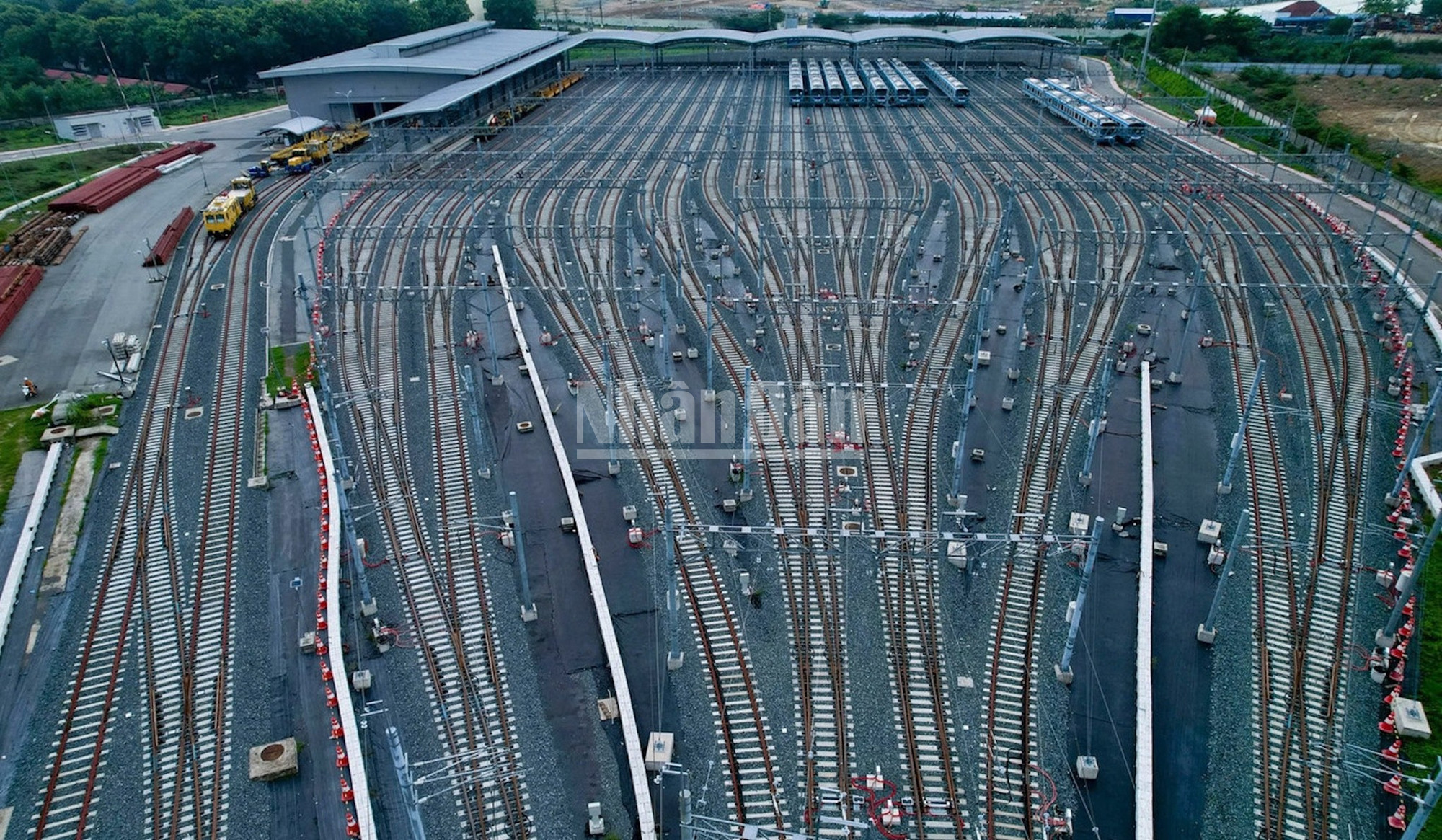
Green transportation is not just a suggestion but an urgent requirement in urban space. Understanding this, Ho Chi Minh City focuses on developing green transportation and the operation of the metro is a testament to the City's determination to create a living and working environment that meets international standards.
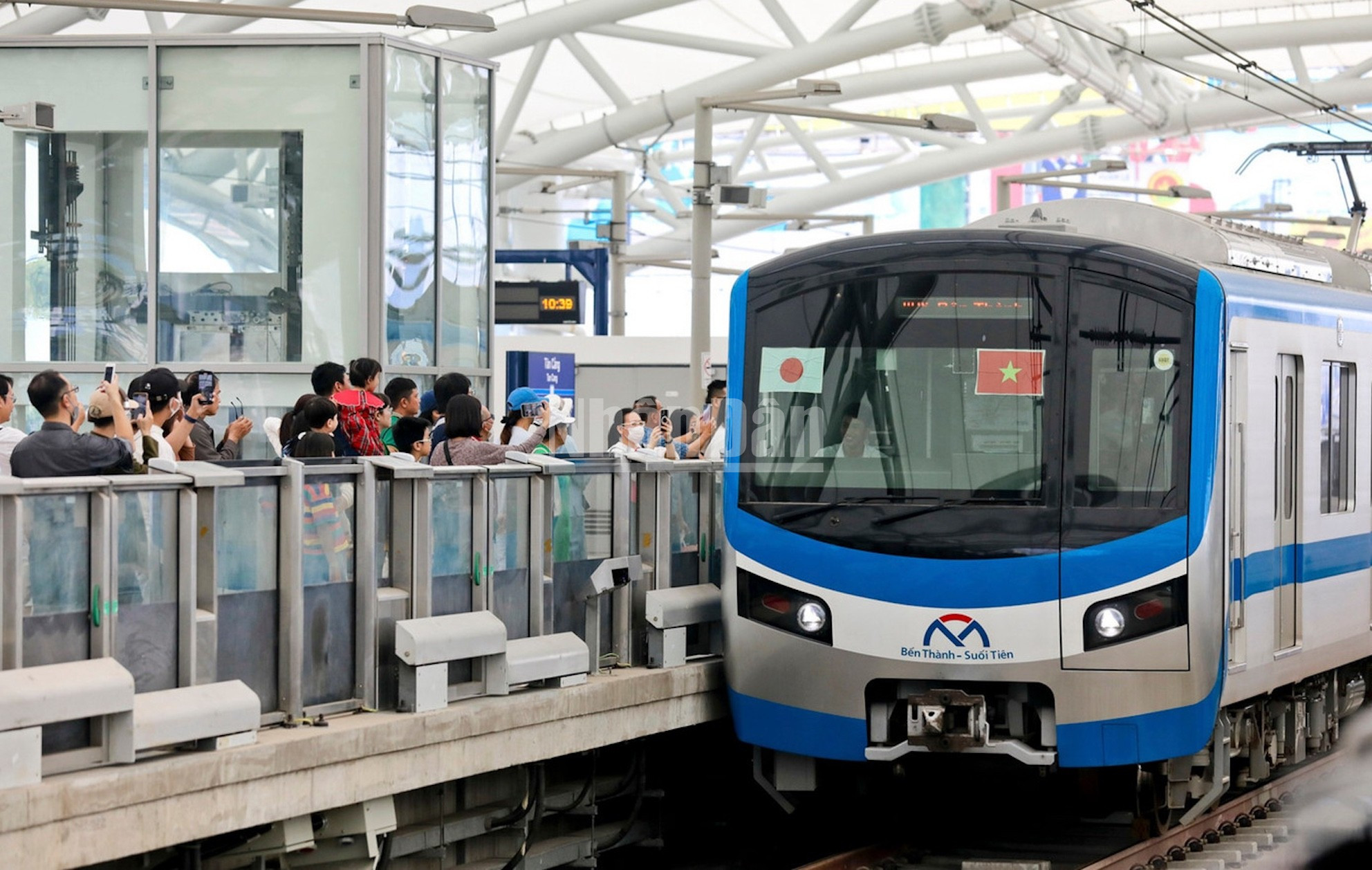
Construction began in August 2012, Metro Line 1 (Ben Thanh-Suoi Tien) is nearly 20km long with a total investment of more than VND43,700 billion, and is the first urban railway project in Ho Chi Minh City.
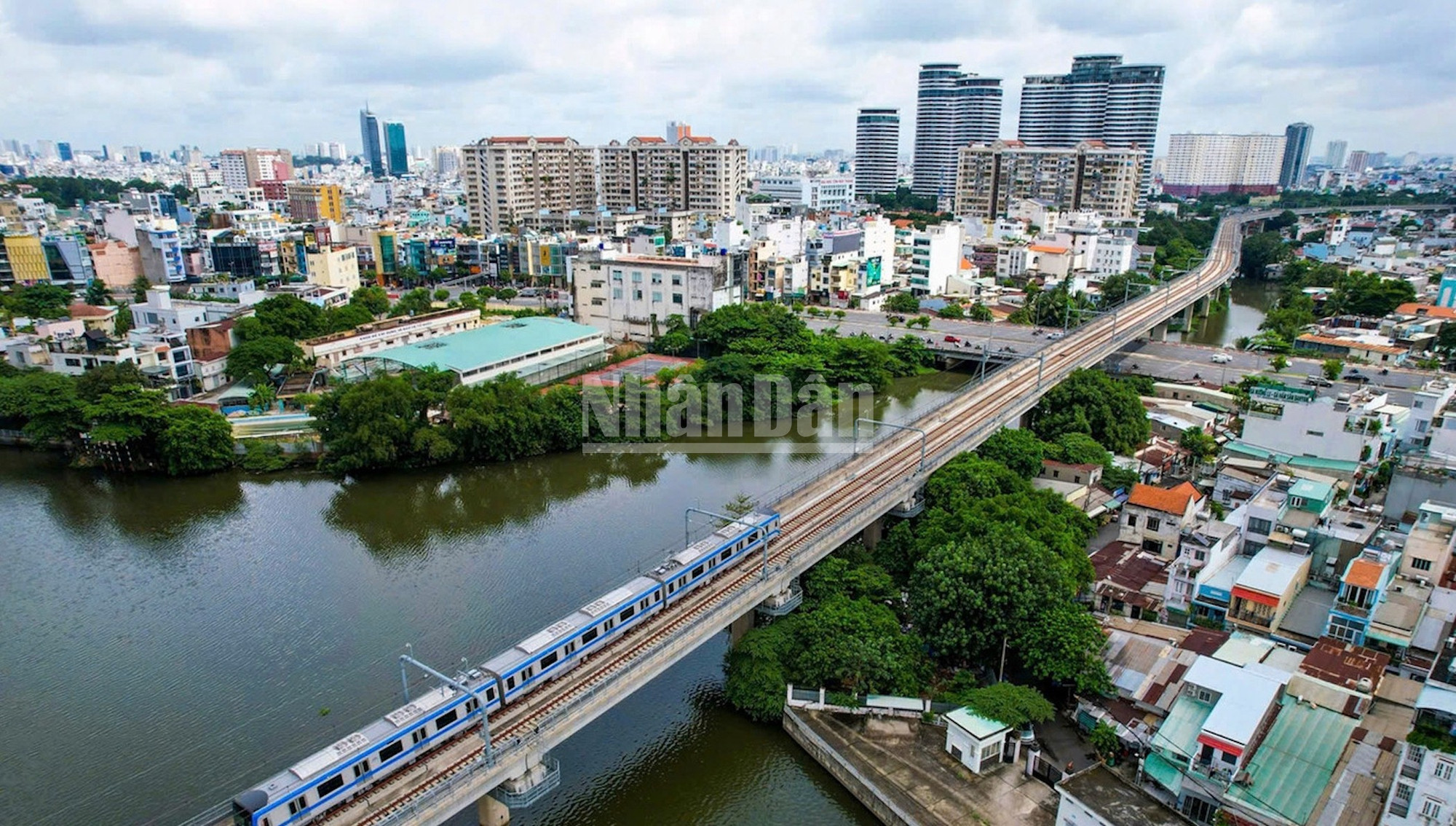
After nearly a year of operation, Metro Line 1 has become familiar to the people. Traveling from the eastern part of the city to the center of Ho Chi Minh City now takes less than 30 minutes, replacing the long traffic jams on Hanoi Highway.
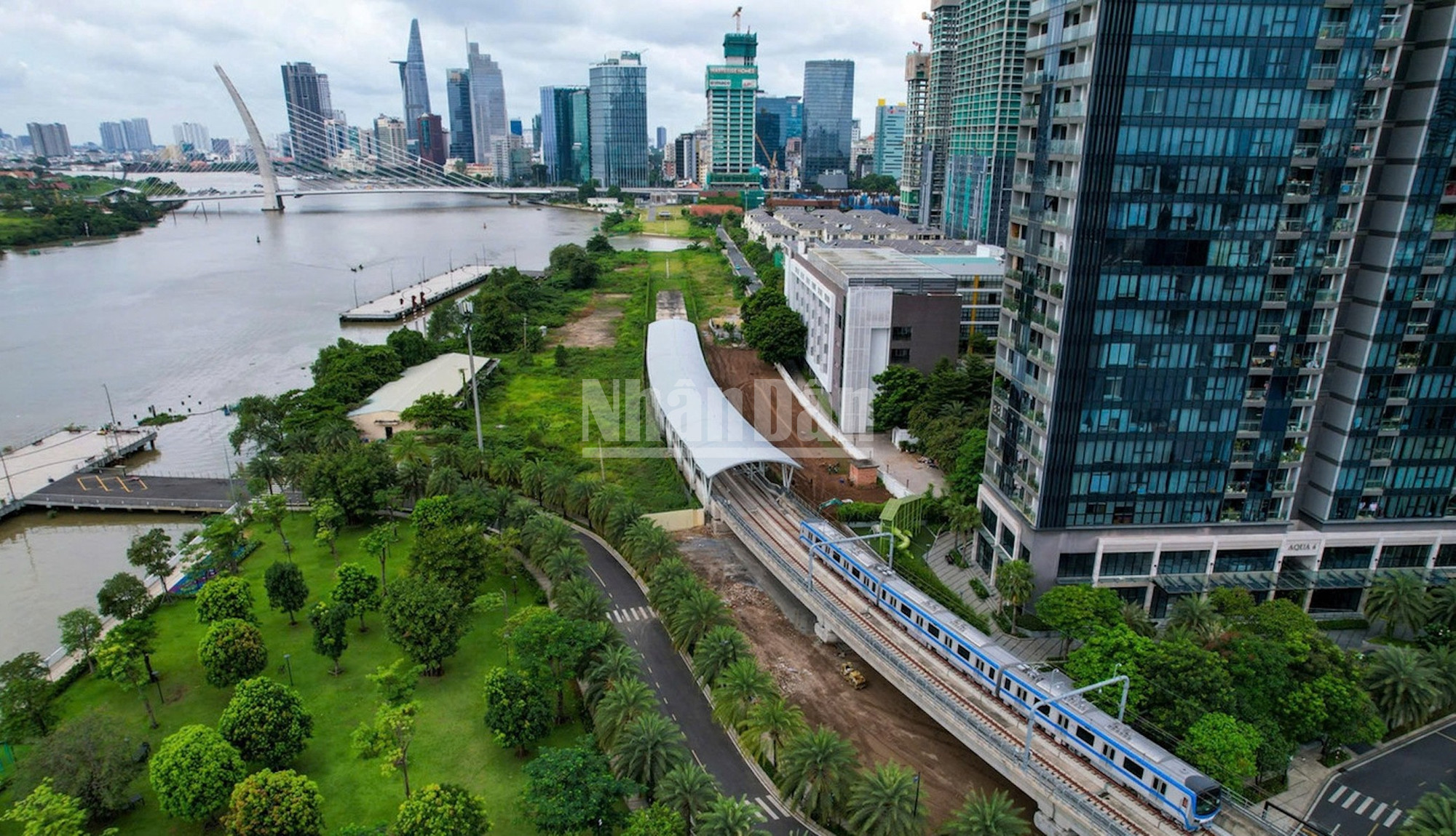
Metro lines passing through new residential areas also make it more convenient for people when the policy of expanding the city and decentralizing the population from the core area is being promoted.
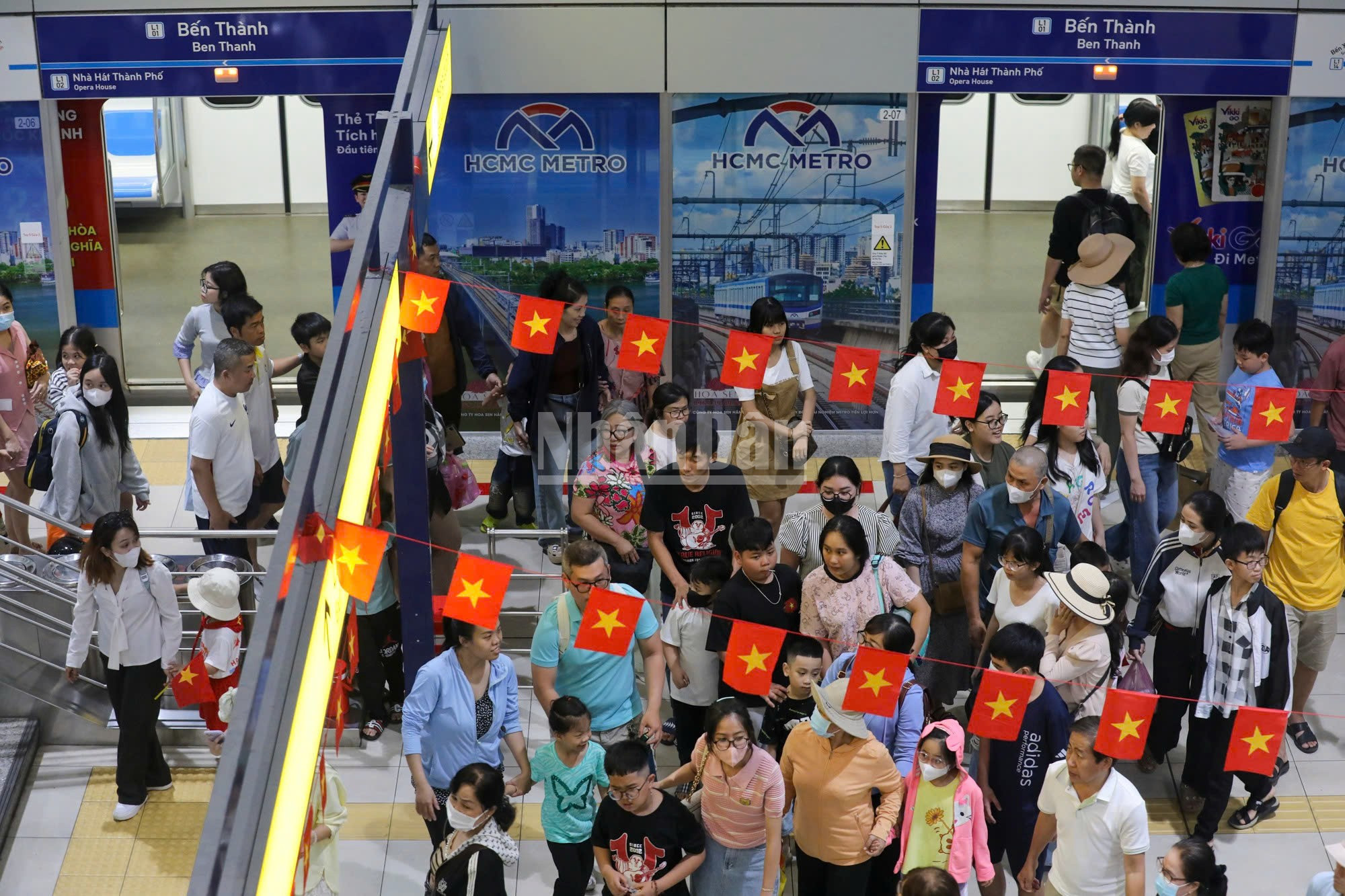
The number of passengers is increasing, sometimes on weekends and holidays, the number of passengers exceeds 100,000/day, showing the convenience of this modern public transport.
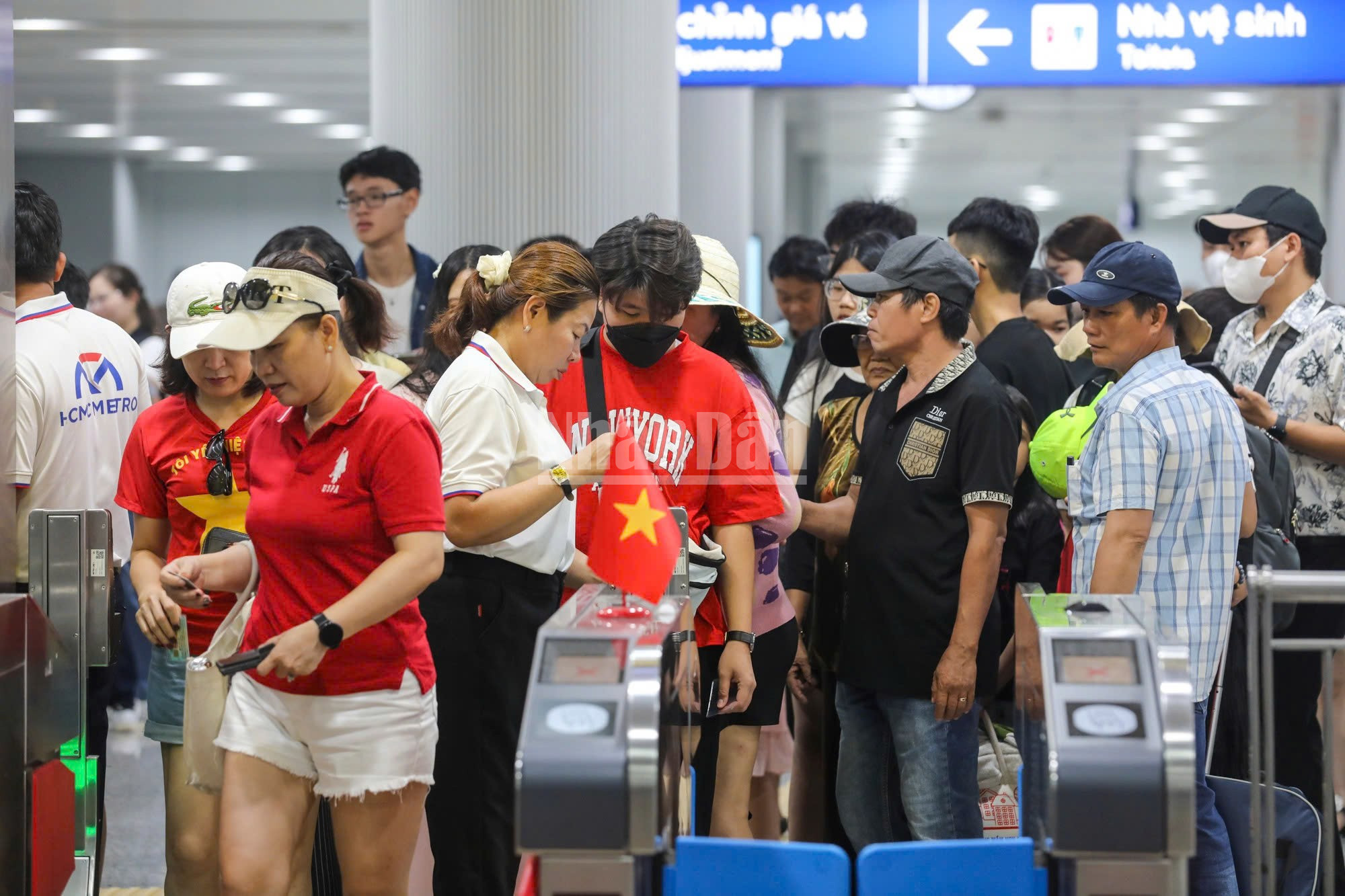
For many city residents, the metro is not only a means of transportation but also a source of pride for the modern city in which they live.
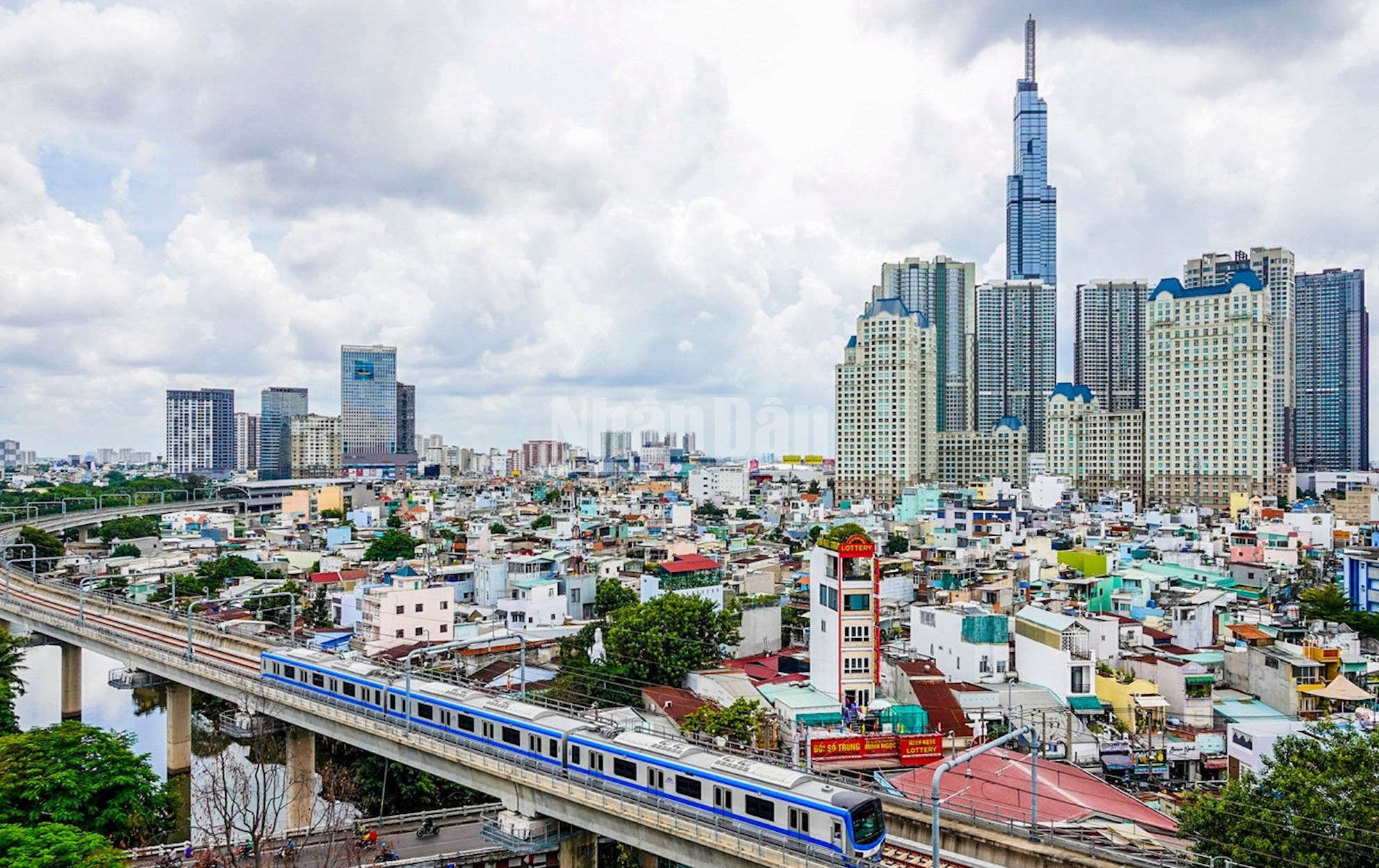
With its birth, the metro has contributed to reducing the pressure on ground traffic, improving air quality and promoting the development of trade and services along the route. Metro No. 1 has now become a part of the daily life of a dynamic, modern city.
Ba Son Bridge: Connecting the two banks of the Saigon River
For the people of the City, in the past, to get to Thu Thiem, people from the center of Ho Chi Minh City had to hitch a ride by boat, ferry, or choose to go around the Saigon River tunnel. Further away, they had to squeeze on the Saigon Bridge.
On April 28, 2022, Ba Son Bridge was officially inaugurated, becoming a symbol connecting the two banks of the Saigon River. It is no exaggeration to say that Ba Son Bridge has awakened a land full of promise.
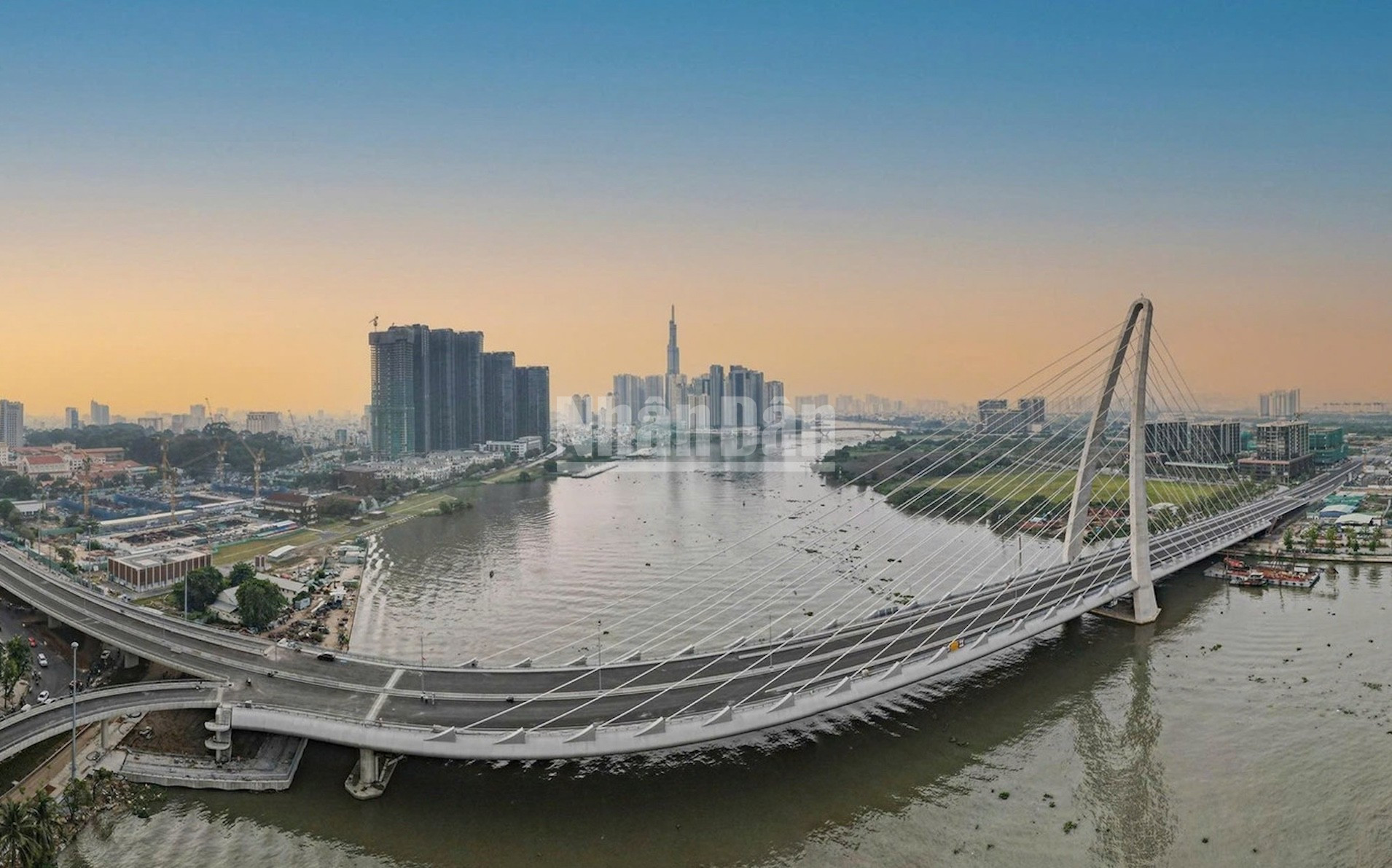
Ba Son Bridge started construction in February 2015, the project is nearly 1.5km long, with a total investment of more than 3,000 billion VND.
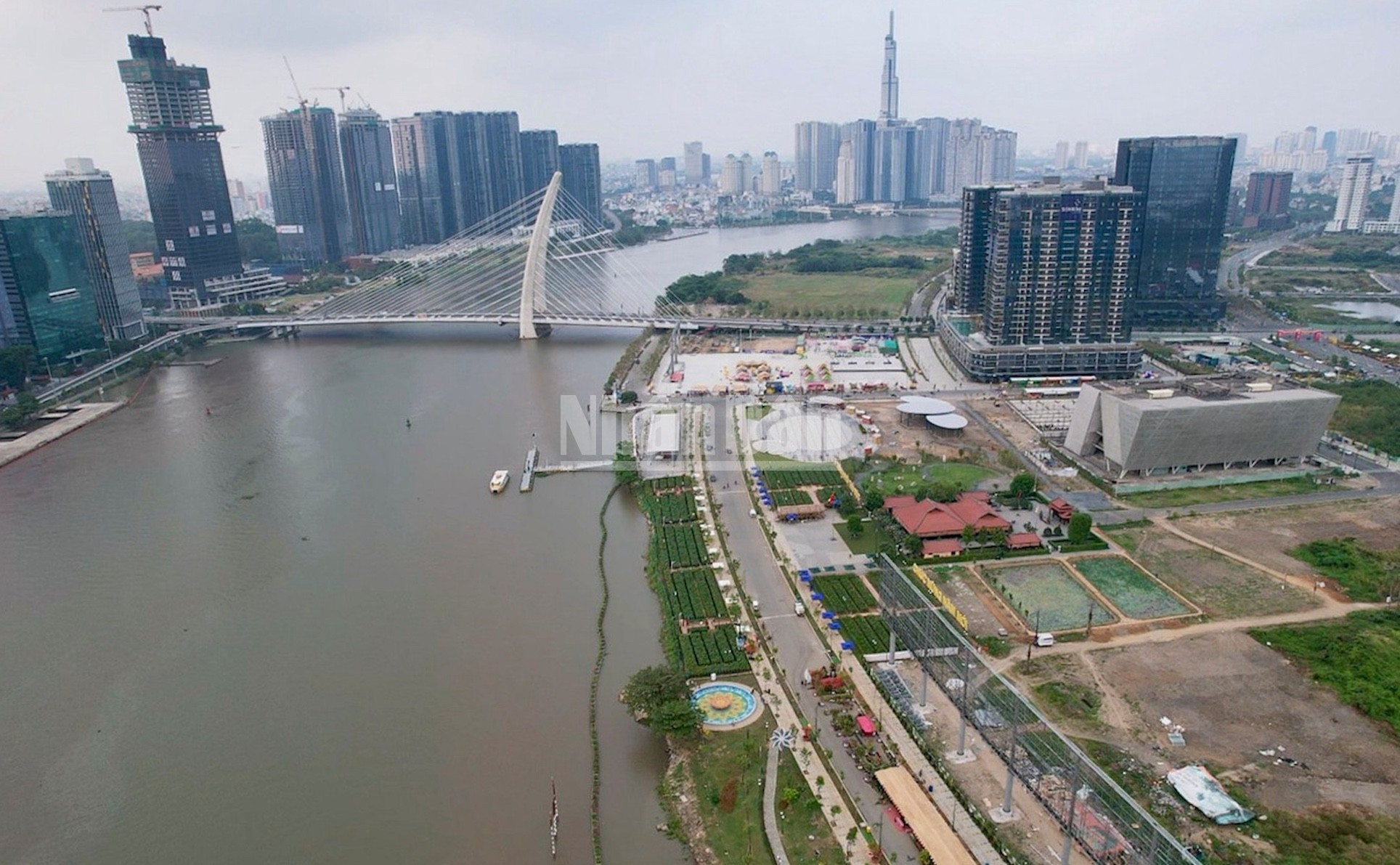
The bridge has a 200m long cable-stayed span and a 113m high dragon-shaped bridge tower. From the Ton Duc Thang-Le Duan intersection, the bridge connects directly to Mai Chi Tho axis, opening the door for development of the new urban area of Thu Thiem.
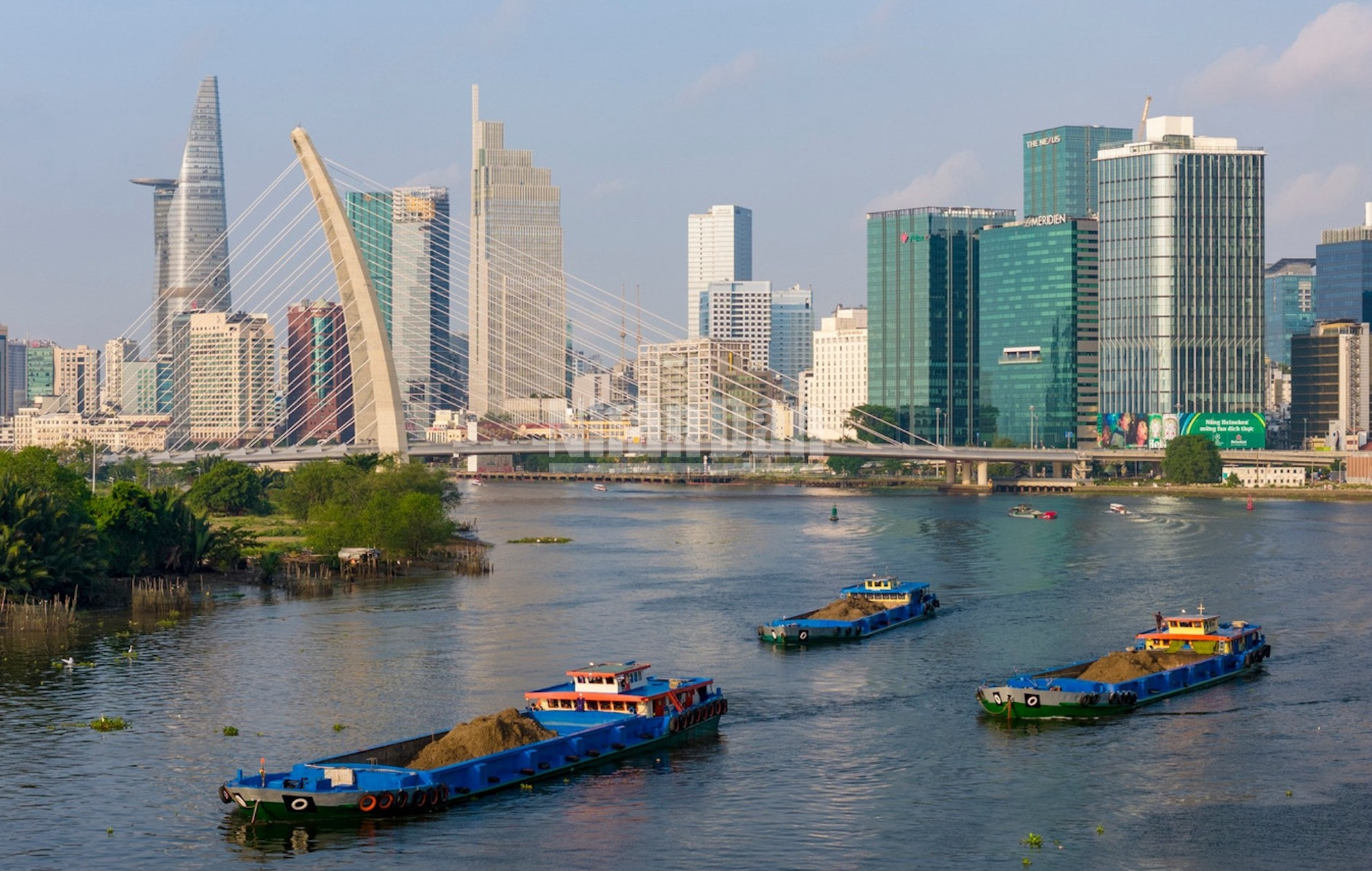
Not only does it help people travel more conveniently, Ba Son Bridge also gives a boost to Thu Thiem on its journey to becoming an international financial center. More than just an infrastructure project, the bridge opens a new chapter for the most dynamic city in the country.
Bach Dang Wharf - Saigon Riverside Park: New public space
After being renovated, Bach Dang wharf, which used to be a place for mooring ships and boats with old piers, has become a public space along the river. Formed and combined with Nguyen Hue walking street, Bach Dang wharf has created a complex of entertainment, relaxation and large events right in the center of Ho Chi Minh City.
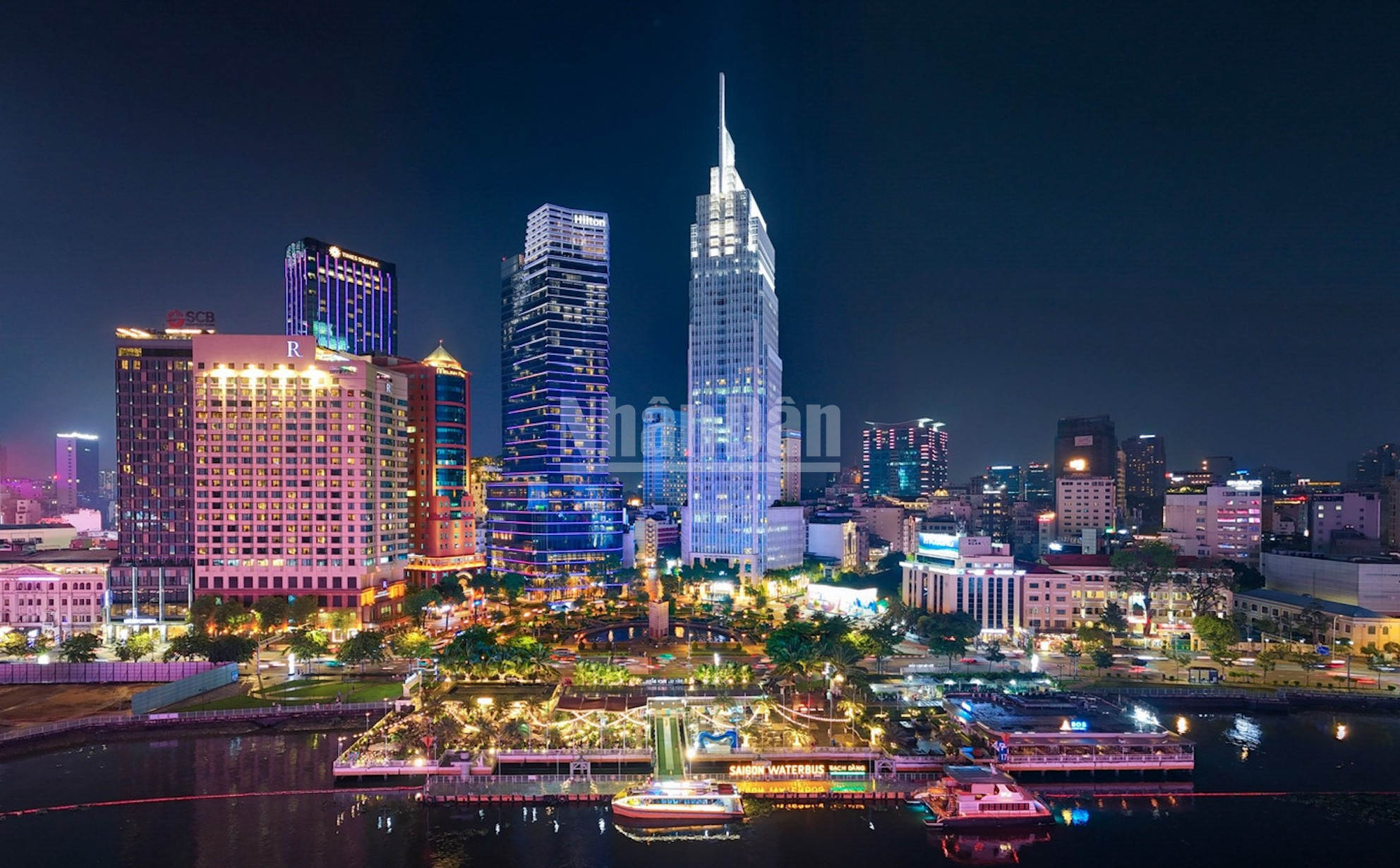
The project covers an area of over 23,000 square meters and has an investment capital of over VND100 billion. The city will retain most of the old trees, while also building granite-paved riverside walkways, adding lawns, benches, lighting systems and new piers to serve both passenger traffic and river tourism .
On the opposite side of the Saigon River Park (from Ba Son Bridge to Saigon River Tunnel, in the old Thu Duc City area) has also been completed and given a new look. This large, green public space has become a place for entertainment and relaxation for the city's residents.
The project covers an area of nearly 5 hectares, stretching more than 800 meters along the river bank, and is planned synchronously with many items: walking and bicycle paths, pedestrian bridges, wharfs, event squares, outdoor stages, stone parks, fountains, art lighting systems and LED screens.
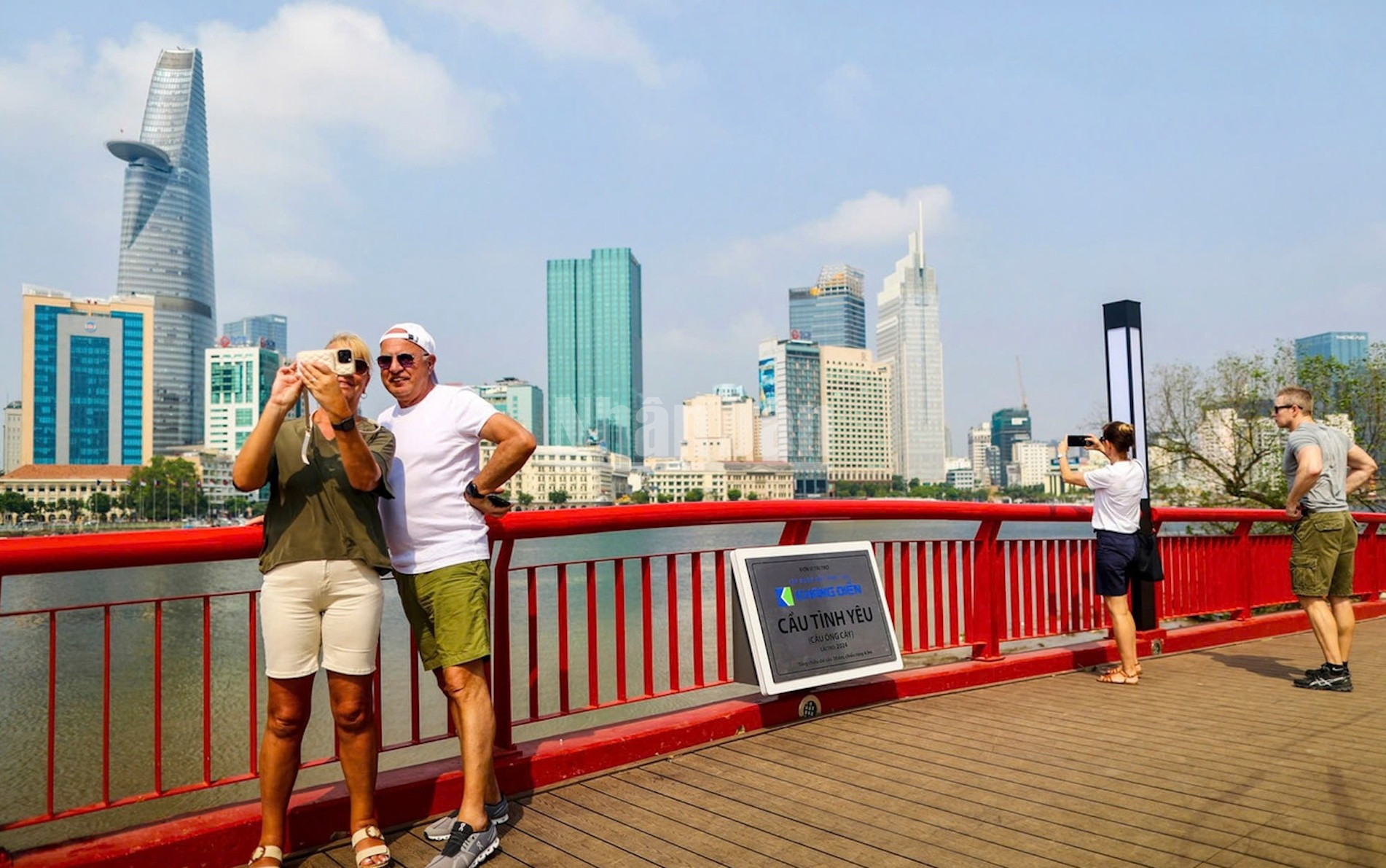
The park quickly became a favorite photography spot for tourists and young people. Not only did it bring a new landscape, the park also acted as a “green lung” for the area.
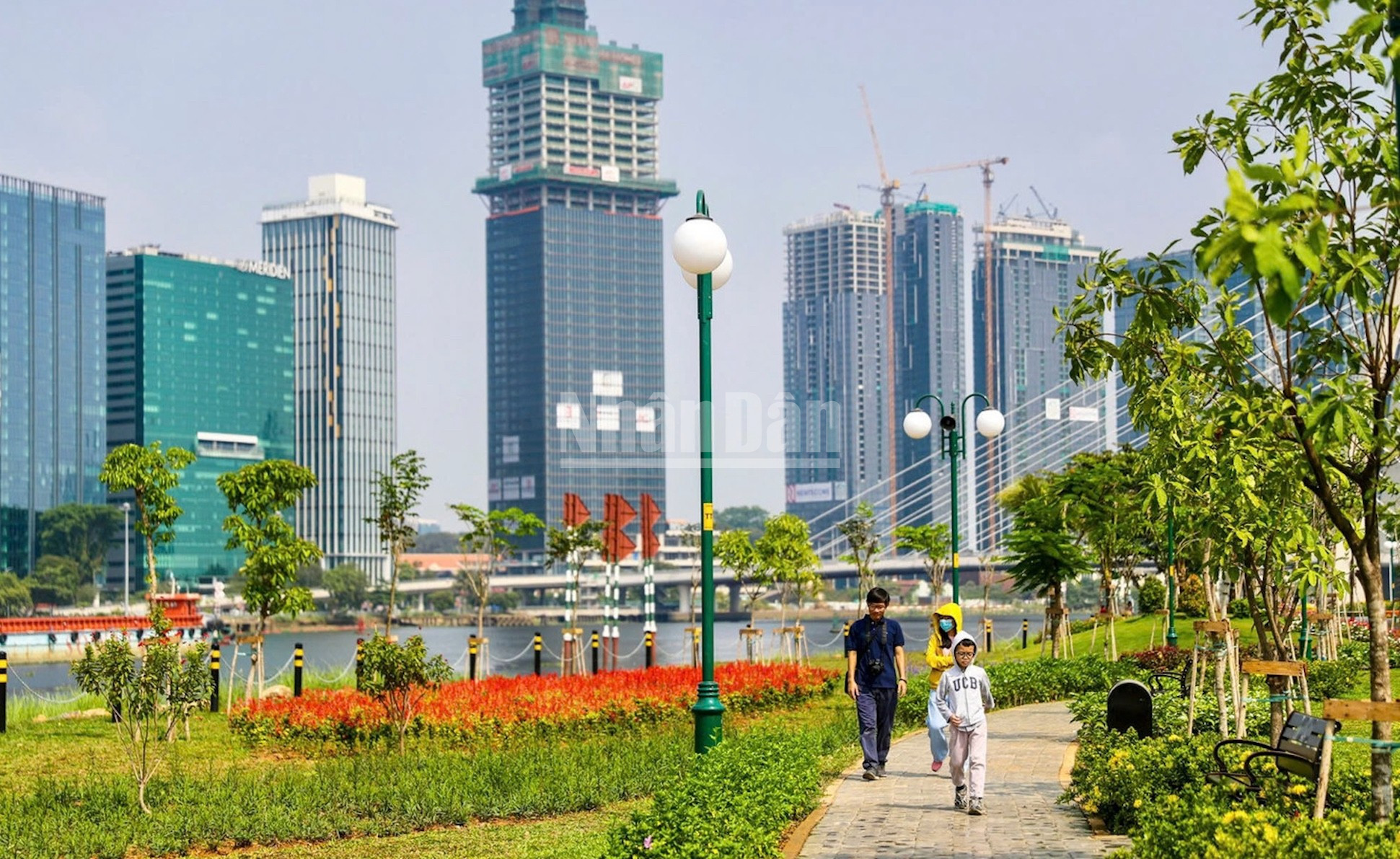
The appearance of the park has completely replaced the previous scene of wasteland, reeds and riverside garbage, creating a civilized and modern urban space.
New Eastern Bus Station - Terminal T3 Tan Son Nhat: Modern traffic gateway
The old Eastern Bus Station in Binh Thanh was built a long time ago and was overloaded, even creating a traffic "black spot" when a large number of vehicles continuously entered and exited the inner city. In response to the need for urban planning, the new Eastern Bus Station was built in Long Binh Ward, Ho Chi Minh City, becoming the largest inter-provincial bus station in the country.
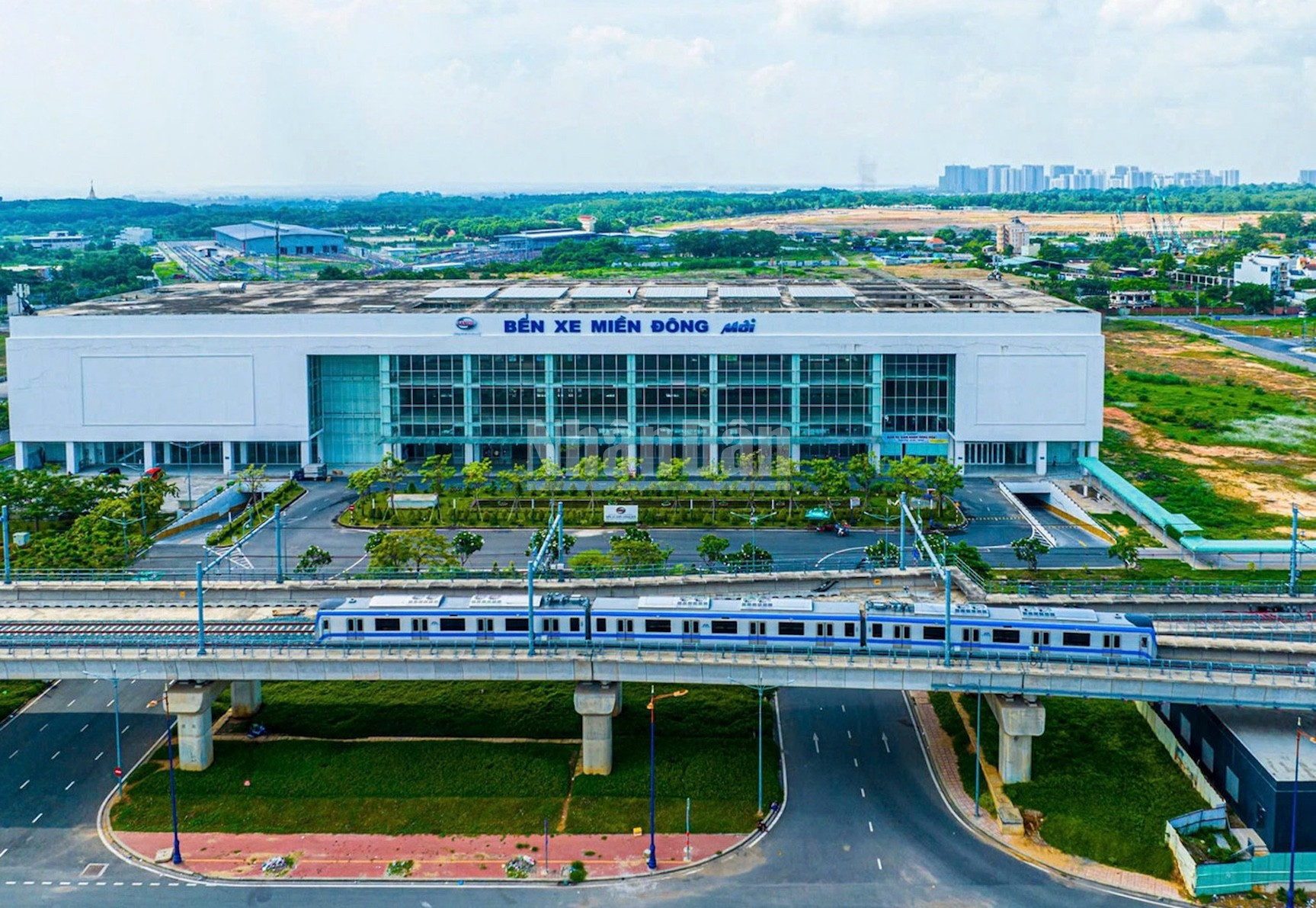
The new Eastern Bus Station is over 16 hectares wide, with a total investment of about 4,000 billion VND, and was put into operation in phase 1 from October 2020.
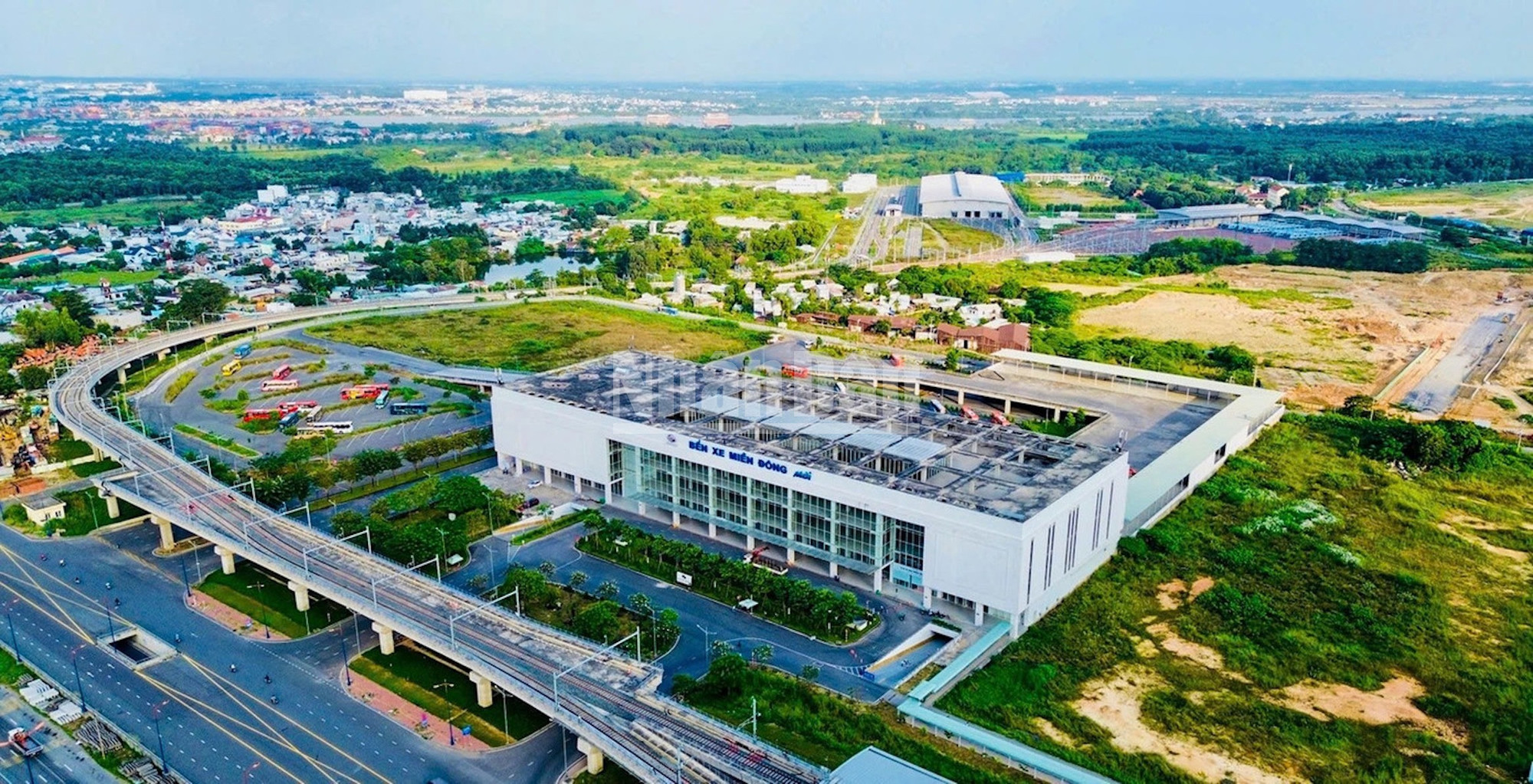
The bus station is designed in a modern style, including a passenger pick-up and drop-off area, parking lot, service center, and is directly connected to metro line 1 Ben Thanh-Suoi Tien and the bus network. The Eastern Bus Station has contributed to completing the public transport network and expanding the urban space of the City.
In order to reduce the load on terminals T1 and T2 of Tan Son Nhat airport, after drastic measures to clear the land and speed up construction progress, passengers arriving and departing from Ho Chi Minh City will have more options in April 2025 when terminal T3 of Tan Son Nhat airport comes into operation. This is the most modern aviation infrastructure project completed in the 2020-2025 term.
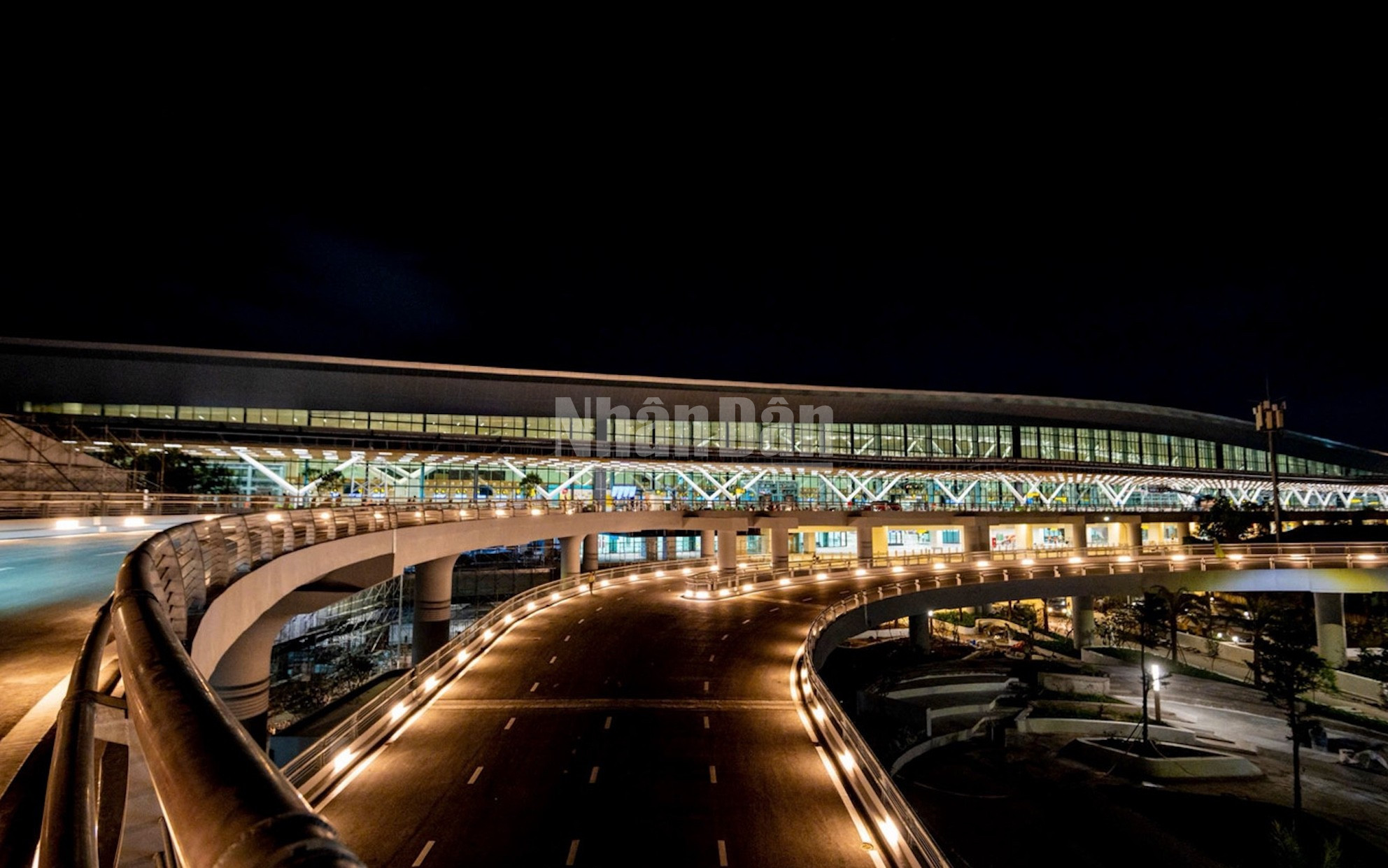
With a total investment of nearly 11,000 billion VND, a floor area of over 112,000 m², and a designed capacity of 20 million passengers/year, Terminal T3 will officially be put into commercial operation from April 2025.
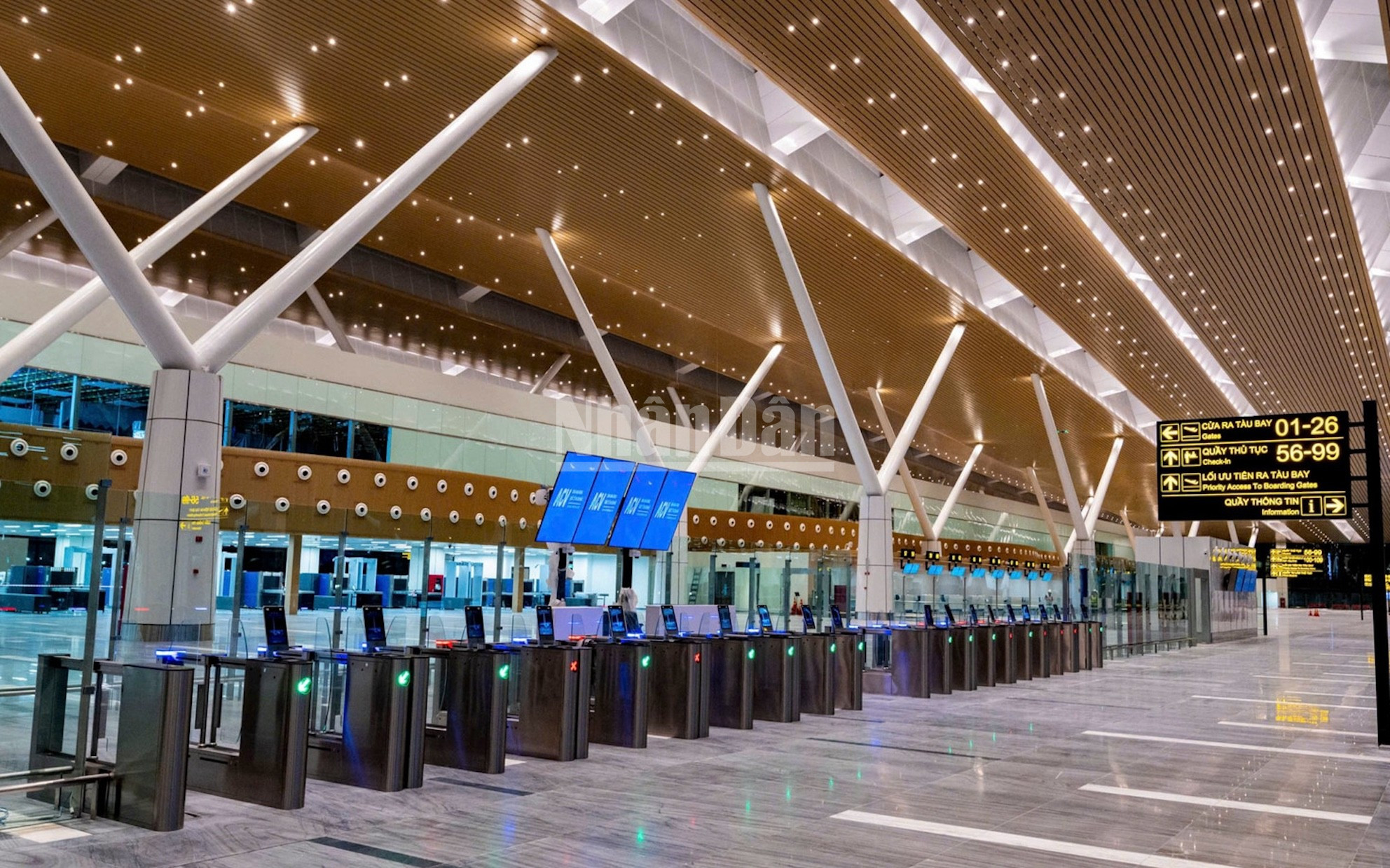
With 4 floors above ground, 1 basement, 90 traditional check-in counters, 20 automatic baggage drop counters, 42 check-in kiosks and 25 security control gates, Terminal T3 doubles the service capacity of Tan Son Nhat Airport.
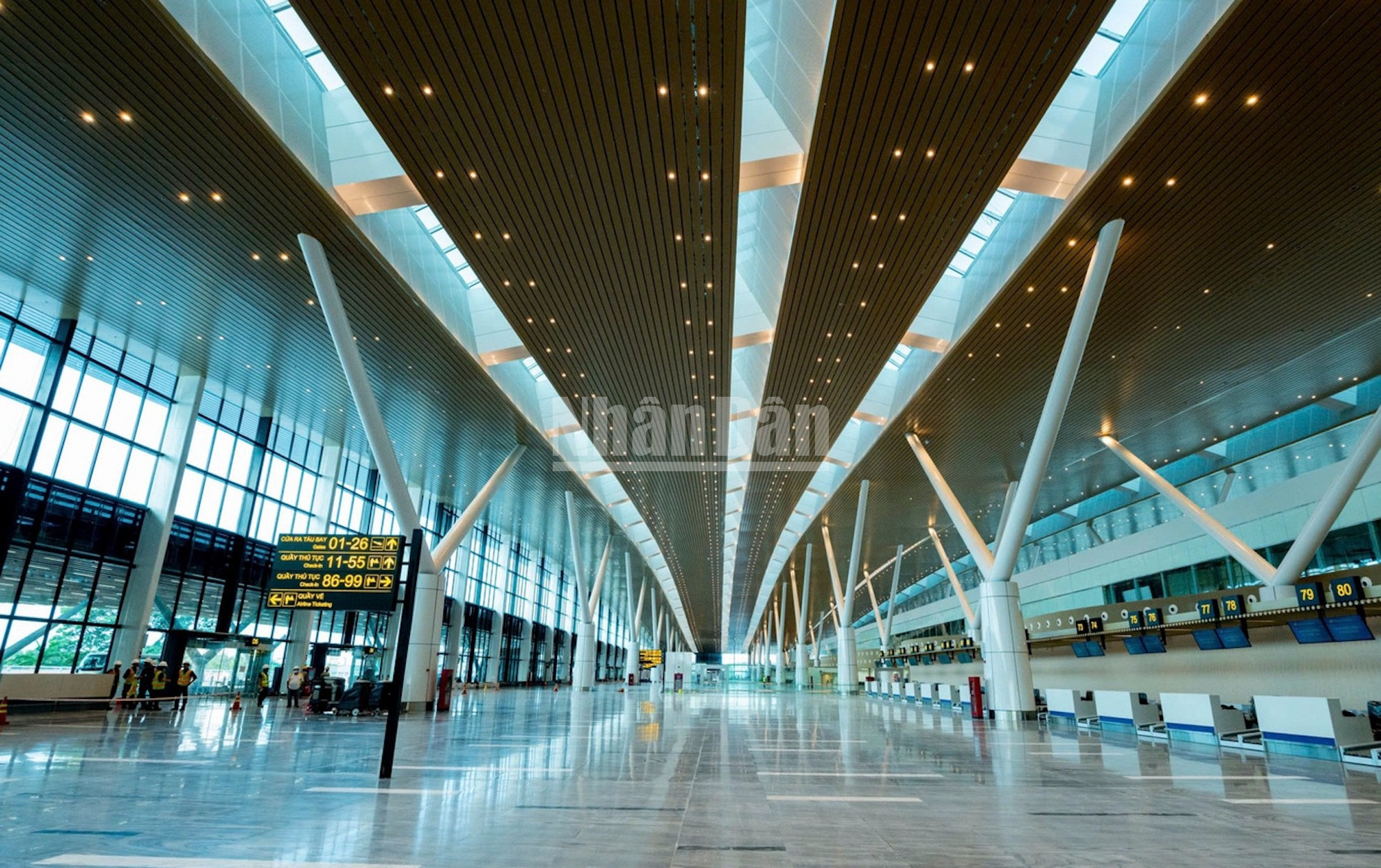
The opening of Terminal T3 at Tan Son Nhat Airport opens up new momentum for tourism and trade in Ho Chi Minh City and the entire Southeast region.
TAT DAT - TUAN ANH
Source: https://nhandan.vn/thanh-pho-ho-chi-minh-voi-nhung-dau-an-ha-tang-doi-thay-manh-me-post928659.html










































































Comment (0)