Dr. Tran Huu Son: 'Hung Temple Festival is a cultural symbol that will last forever'
Báo Dân trí•18/04/2024
(Dan Tri Newspaper) - "Despite changes brought about by the development and maturation of the country, the Hung Temple Festival will continue to exist, and will even grow stronger," said Dr. Tran Huu Son.
The Hung Kings Commemoration Day - Hung Temple Festival and the Ancestral Land Culture and Tourism Week in the Year of the Dragon - 2024 will take place from April 9th to April 18th (corresponding to the 1st to 10th day of the 3rd lunar month) in Viet Tri City, the Hung Temple Historical Site, and districts, towns, and cities in Phu Tho province. During its formation and development, what profound changes has the Hung Kings Commemoration Day - Hung Temple Festival undergone? What are the positive and negative impacts of these changes? What is the vitality and religious value of the Hung Kings Commemoration Day - Hung Temple Festival?... A reporter from Dan Tri newspaper had a conversation with Dr. Tran Huu Son, an expert at the Institute for Applied Cultural and Tourism Research, about this issue.
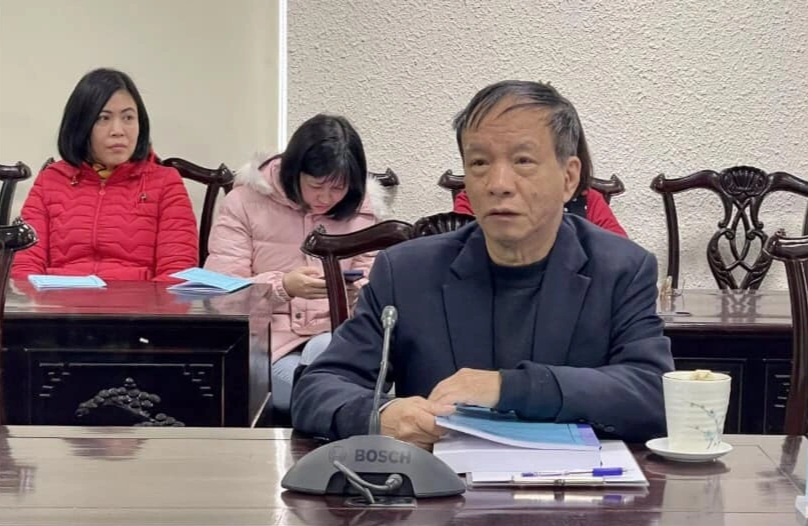
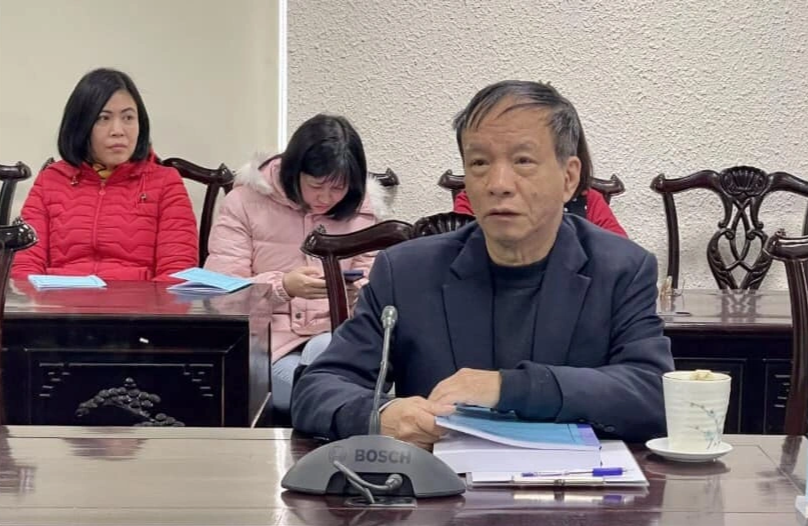
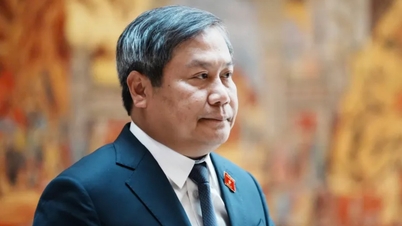
Dr. Tran Huu Son - Expert at the Institute for Applied Research in Culture and Tourism (Photo: Provided by the subject).
Hung Temple Festival and the anxieties of transformation
Sir, throughout history and the development of the country, how has the Hung Kings Commemoration Day - Hung Temple Festival changed?- From its inception until before 1917, the Hung Temple Festival took place in the 8th lunar month. From 1917 to the present, this event has shifted to the 3rd lunar month (spring) every year. At this time, the Hung Temple Festival takes place concurrently with the main festival day of the ancient Co Tich village. In recent years, although the main ceremony is held on the 10th of March, the Hung Temple Festival has also undergone many changes. Along with the development of tourism, after the Lunar New Year, people from all over the country flock here, no longer waiting until March as before. The space of the Hung Temple Festival has also shifted, both in terms of sacred space and geographical location. Instead of being confined to the Hung Temple area (Viet Tri, Phu Tho), the Hung Temple Festival has gradually expanded to include ancient villages near the foot of Hung Mountain. Currently, in the South, some provinces such as Ho Chi Minh City and Can Tho have built temples dedicated to the Hung Kings to make it easier and more convenient for people from neighboring provinces to visit. It can be seen that, from a village festival, the Hung Temple Festival has changed significantly in scale. During the Le Dynasty, and especially the Nguyen Dynasty, this event became a regional festival, and later became a national ancestral commemoration.
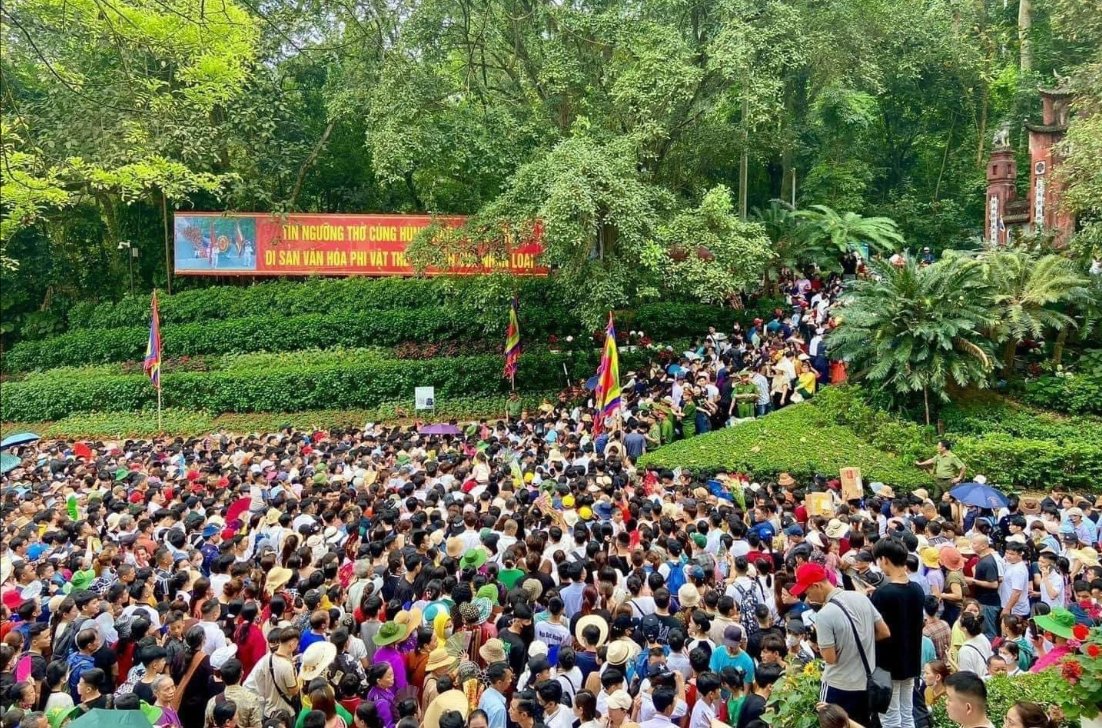
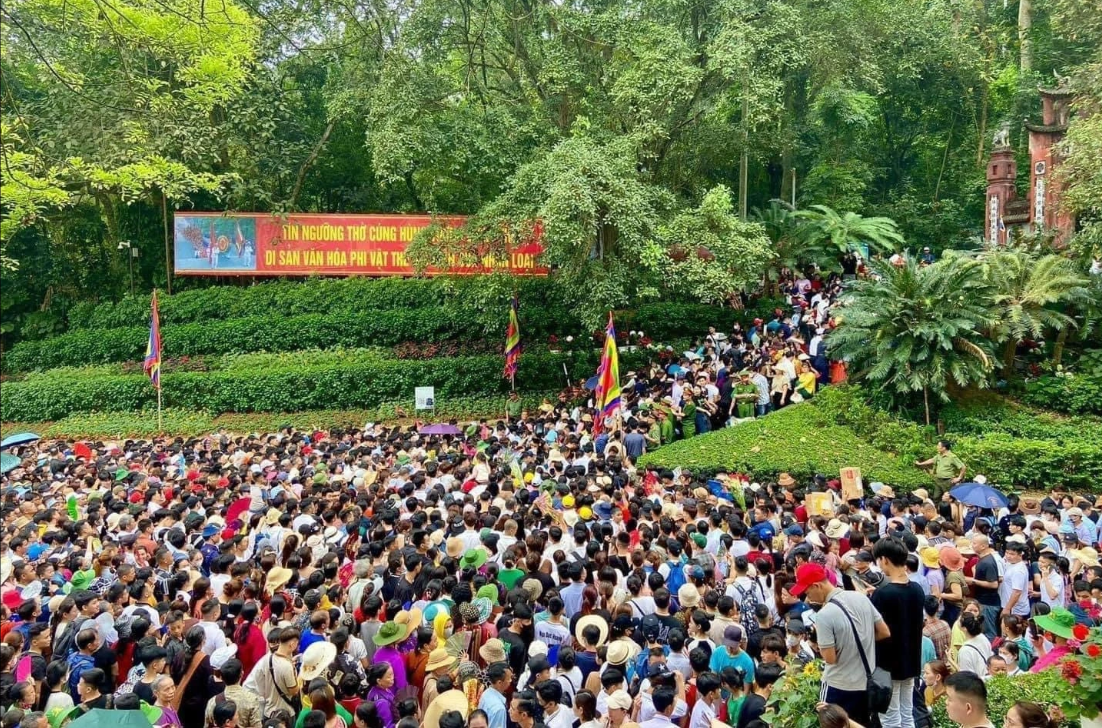
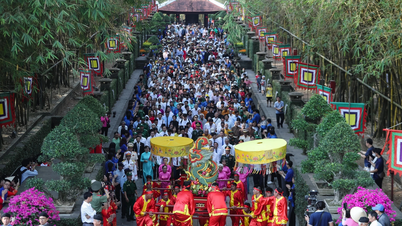
A sea of people flocked to the Hung Temple historical site on April 14 (Photo: Phu Tho TV).
From your perspective, what are the positive and negative impacts of the changes in the Hung Temple Festival? What are the causes of these changes?- On the positive side, this is a special festival, the largest in our country. I believe few countries have such a large-scale Ancestor Commemoration Day. This event once again honors the tradition of unity and solidarity of the Vietnamese people, which is also the strength that helps us defeat powerful enemies. The Hung Temple Festival carries great and important political and social significance. The trend of transformation from a village festival (He village festival) to a national ceremony (Hung Temple festival) and today to a national-level festival (Hung King Ancestor Commemoration Day - Hung Temple Festival) has contributed to gathering the strength of national unity and publicly asserting the sovereignty of our State throughout the periods from feudal society to the present day. The evolving trends in the Hung Temple Festival and the Hung King worship tradition create opportunities to educate Vietnamese ethnic communities across generations about their origins, patriotism, and gratitude to their ancestors. Simultaneously, it fosters a deeper understanding of the Hung Kings' contributions and raises awareness of their responsibilities in building and protecting the nation. In terms of culture, these changes in the Hung Temple Festival have created a vast cultural space for the Northeast and Phu Tho regions, bringing together the most distinctive cultural values of the country. This allows the culture of the ancestral land and the Northeast region to absorb and enrich its own cultural identity. Furthermore, these evolving trends in the Hung Temple Festival have generated significant economic benefits for Phu Tho province in particular and the State in general through substantial revenue from tourism and service activities. Because of these positive impacts, I consider this event to be the greatest success in preserving the heritage of Phu Tho province, and also an achievement of the whole country.
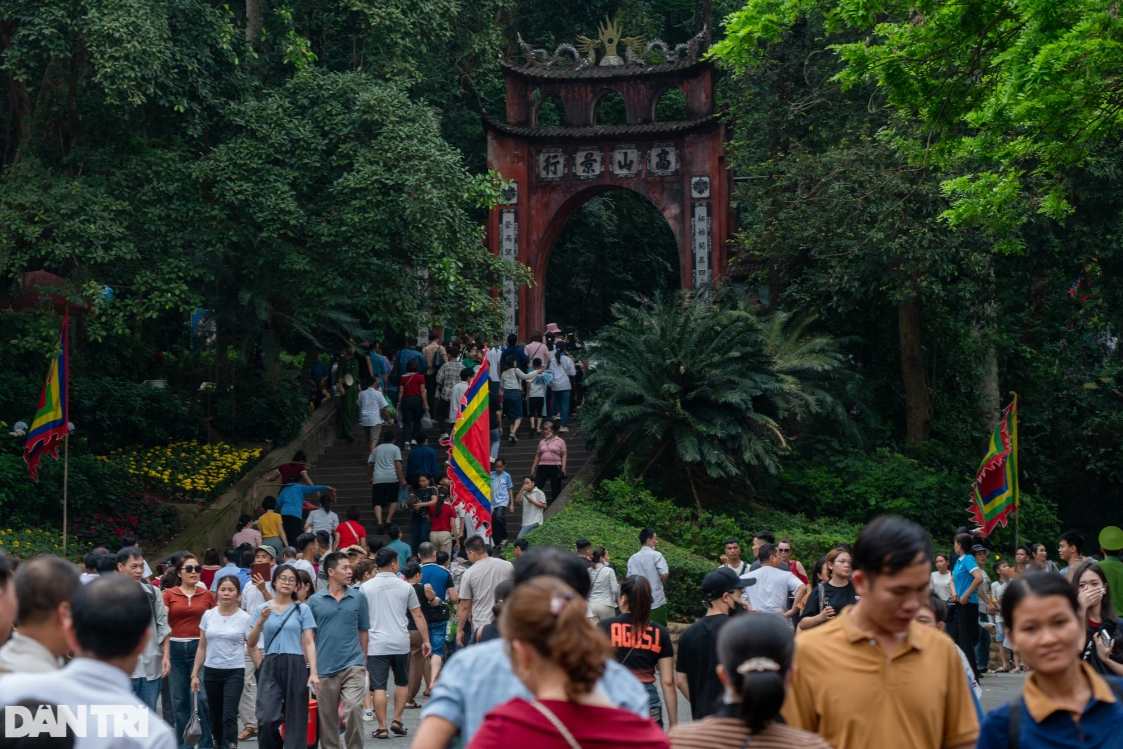
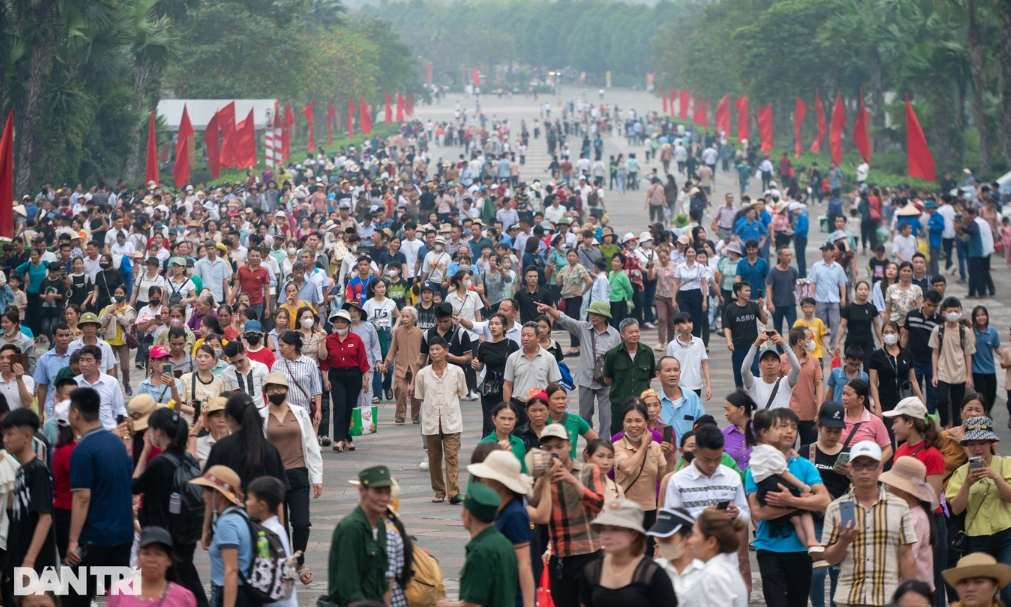
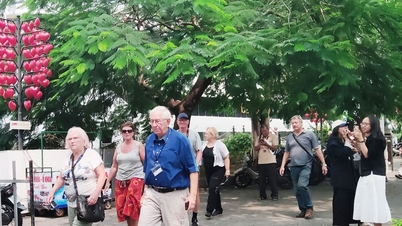
Crowds of tourists from all over the country flocked to the Hung Temple historical site to offer incense and admire the scenery on the afternoon of April 17 (Photo: Thanh Dong).
Regarding negative impacts, I see the most prominent one as the lack of preservation and development of the communal culture of the villages and the ancestral land communities at the Hung Temple Festival. What does the role of the village communities mean? It means that local cultural features, including the participation of village leaders, must be emphasized and create unique highlights in the festival. Festival management is also important; I see that this has been done very well in recent years, but if I were to propose it, I would like to link the Hung Temple Festival with other locations such as Xuan Son National Park and nearby tourist destinations to avoid overcrowding and excessive concentration at a single point. On the other hand, the trend of expanding the festival space and promoting the communal culture of ethnic groups may lead to the suppression, mixing, and distortion of the cultural values of the ancestral land, risking their disappearance. Folk games and performances, especially rituals, customs, and agricultural beliefs, are at risk of being distorted. Therefore, the issue of preserving the "Cultural Space of the Ancestral Land" festival space must be given special attention. Besides, I now see that the establishment of Hung King temples in many provinces and cities raises questions about the preservation of sacred spaces. If the sacred space is fake and too numerous and widespread, what meaning does the festival have? How do you assess the vitality and religious value of the Hung King Temple Festival, despite the many changes this intangible cultural heritage has undergone over time?- According to legend, Lac Long Quan and Au Co are considered the ancestors of the Vietnamese people, the parents of the Hung Kings. The Hung King Ancestral Commemoration Day - Hung King Temple Festival is the most concrete manifestation of the Hung King worship belief, demonstrating the community's bond, affirming that the Vietnamese people share a common origin, and the whole country worships one Ancestral King. "No matter where one goes, remember the Ancestral Commemoration Day on the tenth day of the third month / Throughout the land, the song is passed down / The country remains our country for a thousand years." That folk verse is ingrained in the hearts of many generations of Vietnamese people, reminding us to be grateful for the sacrifices of those who came before us, and to join hands in protecting and developing the country. With such meaning, I believe that the Hung Temple Festival, despite the changes it undergoes along with the development and maturation of the country, and its connection to the enduring existence of the nation throughout the ages, will continue to exist, and even grow stronger. The Hung Temple Festival will forever remain a beautiful and valuable cultural symbol of the Vietnamese people. From ancient times to the present day, every Vietnamese person has a patriotic heart, a longing for their ancestors and origins.
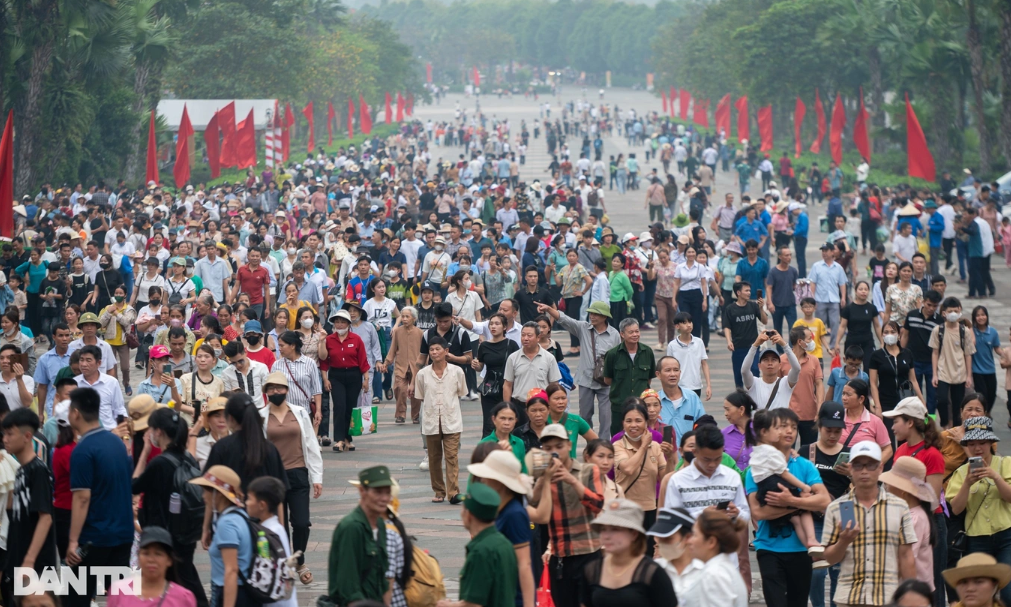
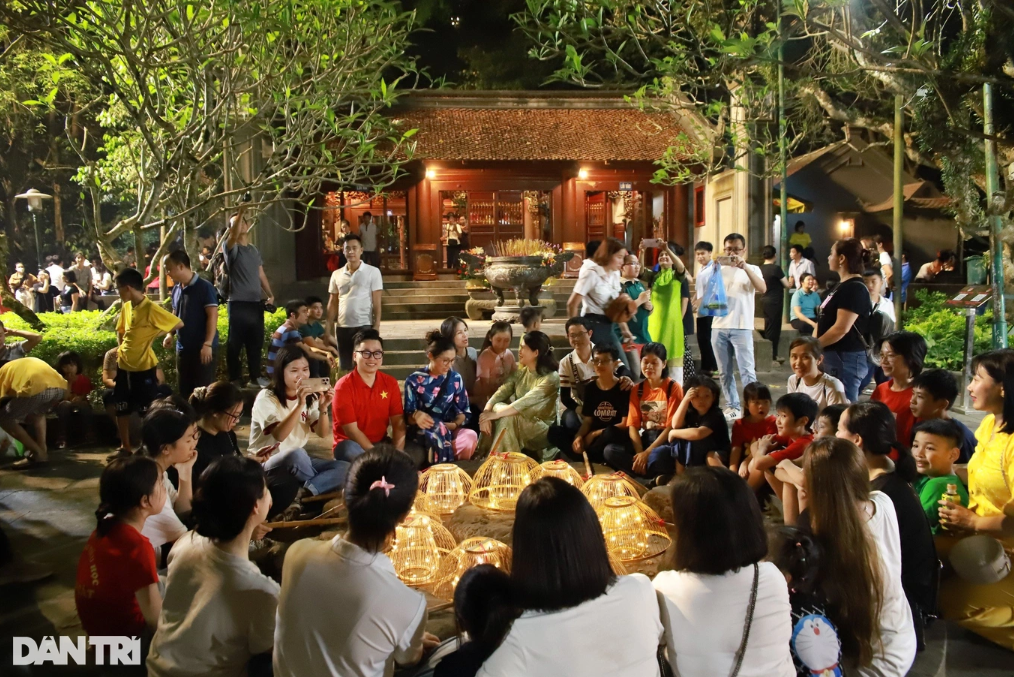
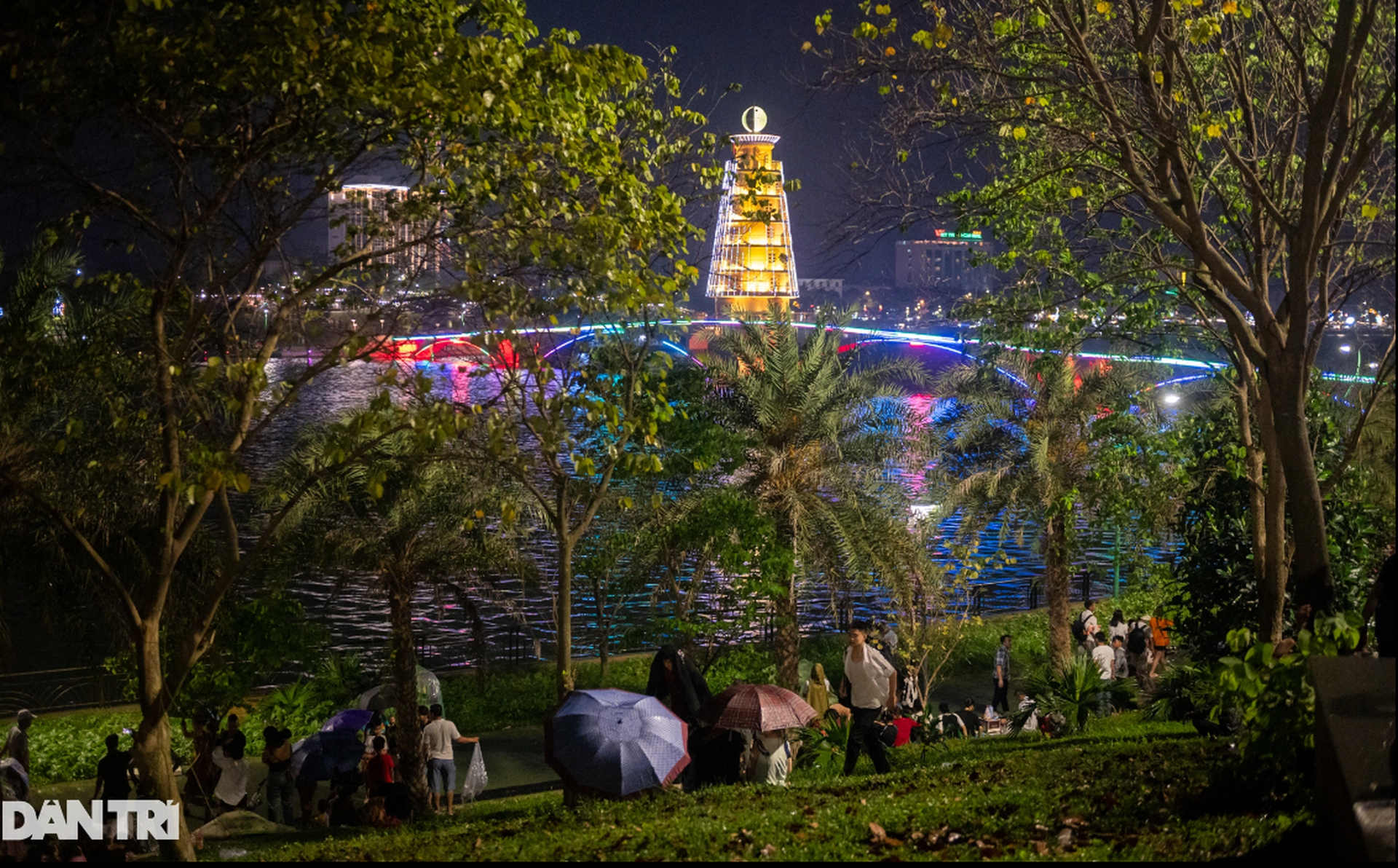
Tourists experience the mystical and solemn night tour of Hung Temple on April 13 (Photo: Thanh Thuy).
The Hung Temple Festival has evolved but has not been distorted.
Another issue raised is how to harmonize spiritual tourism and traditional historical tourism, such as at the Hung Temple relic site, sir?- Spiritual tourism and traditional tourism are always connected and intertwined. Vietnamese people make pilgrimages to Hung Temple to worship their ancestors; this is an act with a spiritual element. When participating in the Hung Temple Festival, they experience, return to their roots, and gain a better understanding of the nation's history; this is the traditional element. Therefore, I believe these two things are inseparable. - How do you assess the current activities of preserving and promoting the value of religious beliefs and cultural heritage? - First of all, it must be affirmed that preserving, promoting, and exploiting the values of cultural heritage is not the work of any single agency or organization, but rather the entire political system and the people working together. If done well, cultural heritage is both a "treasure" and a "fishing rod," a long-term and immediate economic resource for the people, local authorities, and the nation. In fact, in recent years, activities integrating heritage into cultural products in fields such as fashion, design, handicrafts, publishing, music, film, and architecture have been very active and have made significant contributions to the cultural industry. However, alongside these achievements, the overall work of preserving, promoting, and exploiting heritage values has not yet yielded the desired results. I believe that the process of preserving and promoting religious values through the Hung Temple Festival has many positive aspects and has been well-executed; however, there are still many shortcomings and limitations in the preservation process. Preserving relics, as well as preserving heritage, requires a method, and first and foremost, we must understand the structure of the heritage. There, the core of the relic is the most important, defining the role of the relic and heritage in social life. At the Hung Temple Festival, I believe the core of the relic is the unity of the entire nation; that is an immutable value that will never change. Secondly, there are the beliefs and practices that uphold that value, such as the annual incense offering ceremony, the literary and artistic elements, the cuisine, and the games that serve the festival. The value of Hung Temple is immutable and long-lasting, while preservation is about safeguarding its constituent elements. By carefully nurturing these elements, we will protect the heritage. A simple example is wearing the national costume during the Hung King's Ancestral Commemoration Ceremony; I believe this is currently lacking and needs consideration. Besides that, as mentioned, the contributions of villages and village chiefs to the festival are still weak. On the other hand, the Hung Temple Festival can promote elements of literature, art, cuisine, and games, but no matter how it is modified, it must serve the core values and not distort, damage, or diminish the fundamental cultural and religious values. Therefore, if preservation does not serve the values, it cannot be preserved.
In the future, what should we do to encourage more individuals to participate in exploiting and promoting the value of traditional culture? - We need to complete the system of legal documents and policies on protecting and promoting the value of cultural heritage, including regulations on subjects, timeframes, measures, etc., in a detailed and clear manner. We need to develop feasible policies and solutions for heritage management to both promote and preserve heritage effectively. In addition, we also need to strengthen communication and education to raise awareness, especially among those directly involved in exploiting the value of heritage, by opening more training courses on heritage. Regarding incentives, we currently have policies to reward folk artisans; however, we need to expand the scope of these incentives, paying more attention to those directly involved in protecting, preserving, and promoting heritage values, especially village elders, community leaders, and influential figures in villages and communes. For young people, we need to establish support funds and attract social capital so they have more opportunities to utilize their youthful energy and creativity in exploiting heritage resources. Thank you for your insights!




































































Comment (0)