

In the trend of sustainable agricultural development, the problem of utilizing by-products is becoming an important solution to help farmers reduce costs, improve the quality of agricultural products, and reduce pressure on the environment. In Lam Dong , many green and circular agricultural models have been proving that things that were once considered waste can become "valuable resources" if transformed correctly.
Green cycle
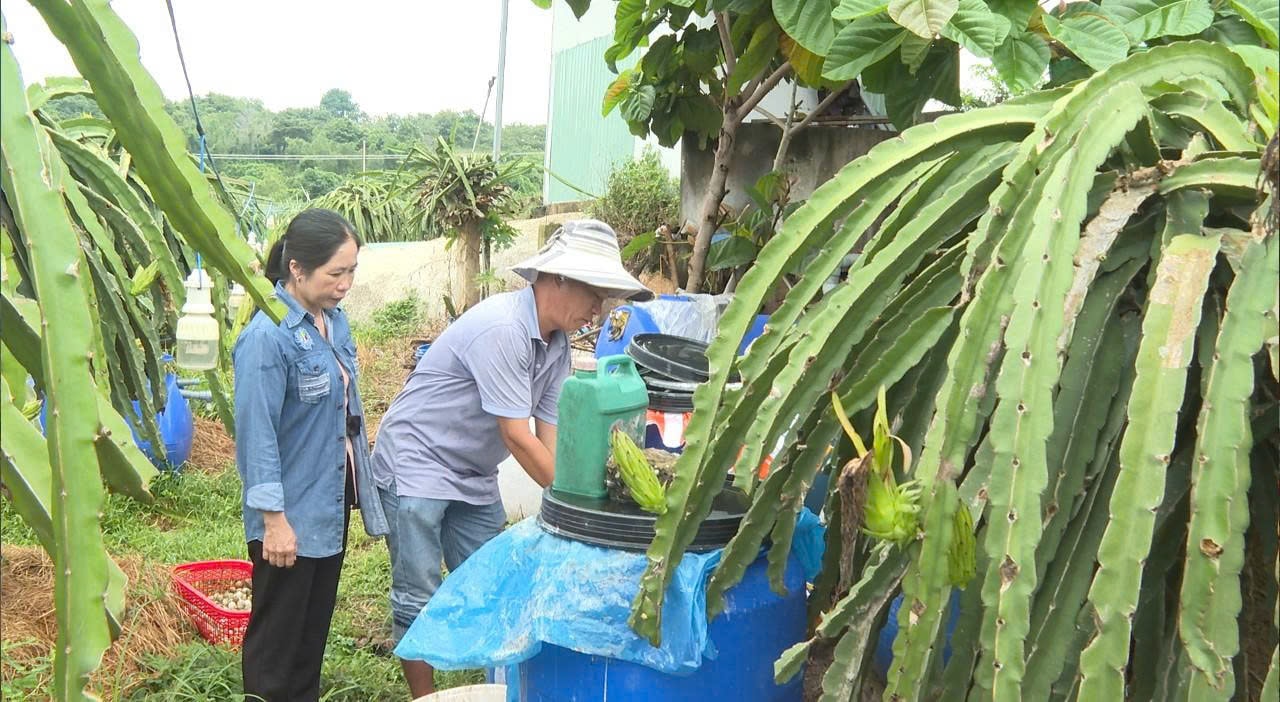
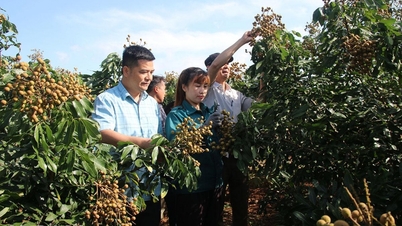
In An Vinh village, Tan Lap commune, Mr. Nguyen Ngoc Sieng is a pioneer in building a circular agriculture model. On his 3-hectare dragon fruit plantation, he has designed a unique production cycle combining organic farming, livestock raising, and processing; in which all waste products are returned to the soil and plants.
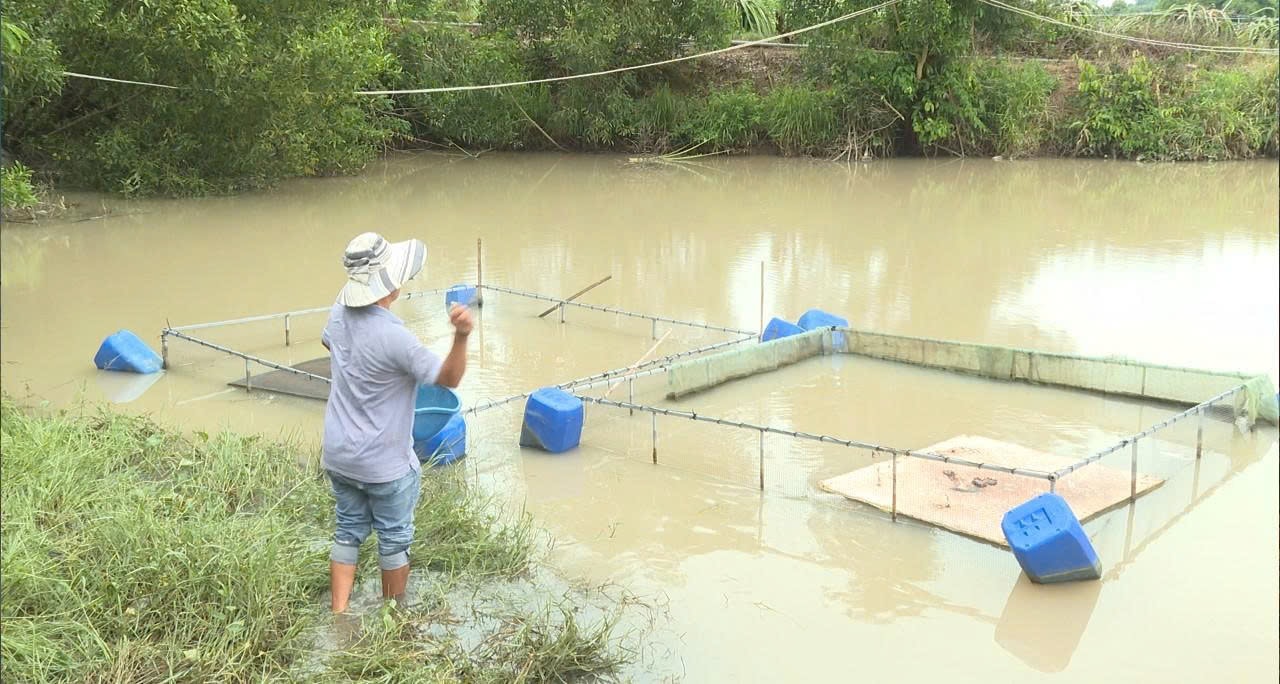
Accordingly, dragon fruit is sorted after harvesting. Any fruit that doesn't meet export standards is released into ponds to feed freshwater fish. By utilizing this natural food source, the fish thrive, significantly reducing the cost of industrial feed.
When the fish reach a certain weight, the meat is mixed with quail eggs and fermented with probiotics for several months to create fish protein, an organic fertilizer rich in amino acids, which is very good for plants.
This fish protein is then mixed into the irrigation system to provide direct nutrition to over 3,000 dragon fruit plants. Thanks to this natural nutrient flow, the soil becomes increasingly porous, the soil's microbial ecosystem recovers, and the dragon fruit plants grow healthily with fewer pests and diseases.
The dragon fruit has a deep red color, a glossy skin, and is especially free of chemical residues, meeting the requirements of clean fruit store chains and export markets.
What surprised many people is that for many years, Mr. Sieng hasn't spent a single penny on chemical fertilizers. Costs have decreased significantly, and profits have increased many times over. More importantly, his model creates a natural cycle, minimizing waste and wastewater, contributing to the environmental criteria, which are the most challenging in building new rural areas.
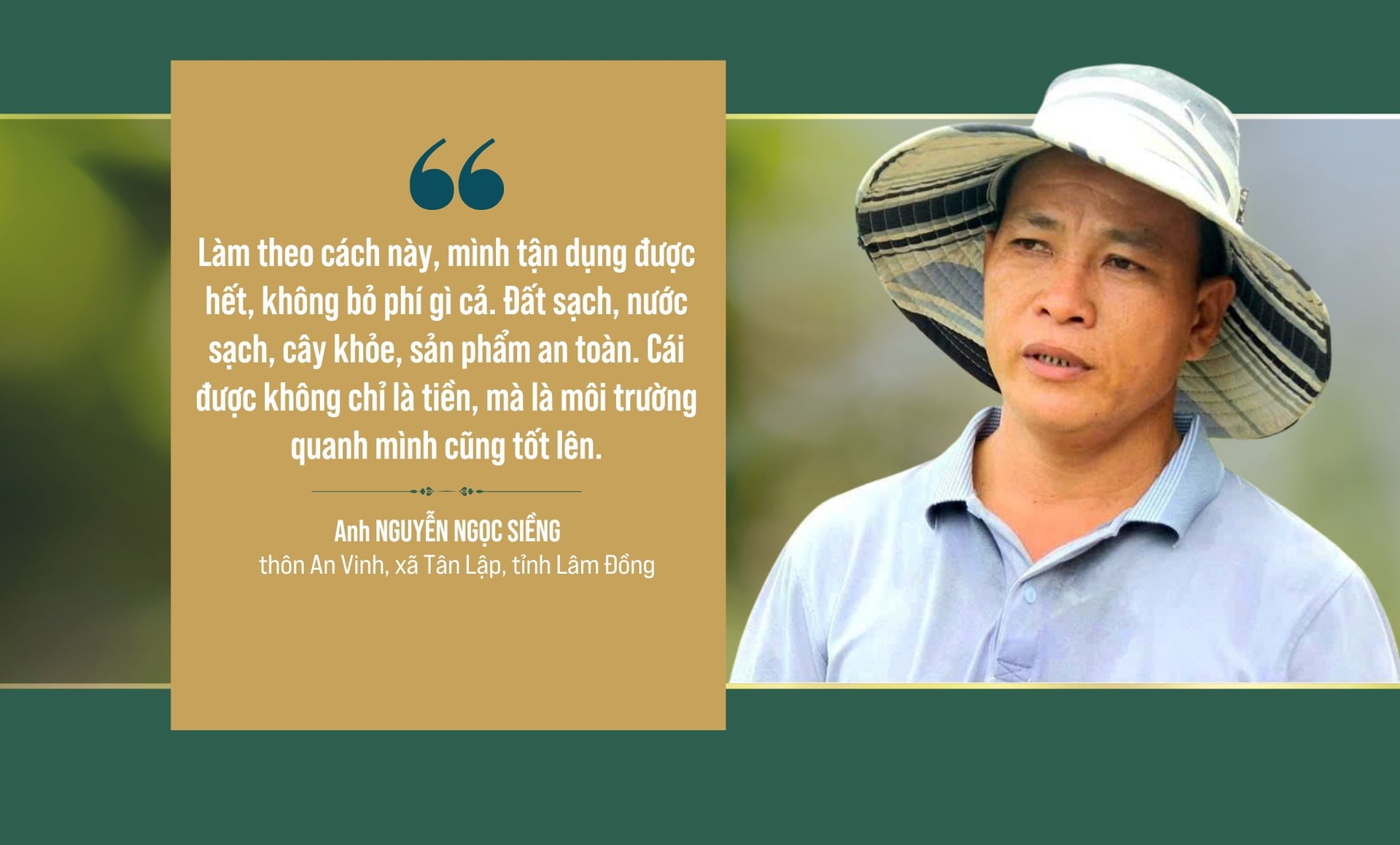
His model has become a practical learning resource for many local farmers and those in neighboring communes. This is also how the people of Lam Dong affirm a new approach: Agriculture is not just about production, but also about preserving and restoring the living environment.
Reduce costs, increase efficiency
Meanwhile, in Hamlet 1, Ham Liem Commune, Mr. Phan Viet Hung is also applying the circular agriculture model in his own way, adapted to his family's conditions.
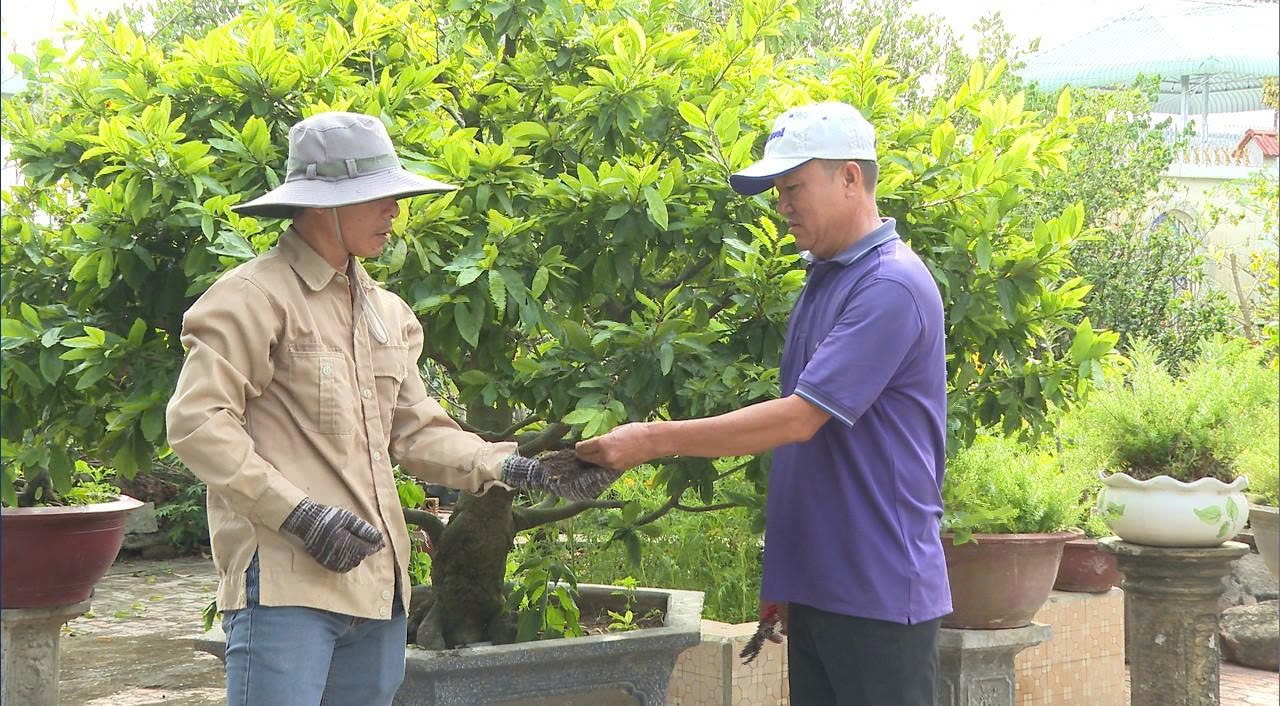
With over 10,000 apricot trees, Mr. Hung dug a pond to raise fish, combined with raising ducks and planting duckweed on the pond surface to both keep the fish cool and create a source of green food. The duckweed is harvested and mixed with fermented fish fertilizer to create organic fertilizer for the apricot garden.
Thanks to a stable supply of nutrients, the apricot blossom trees thrive, with thick leaves, sturdy trunks, and large, long-lasting buds. As a result, Mr. Hung's apricot blossom products are highly valued by traders, making him a major supplier of Tet apricot blossoms in the region.
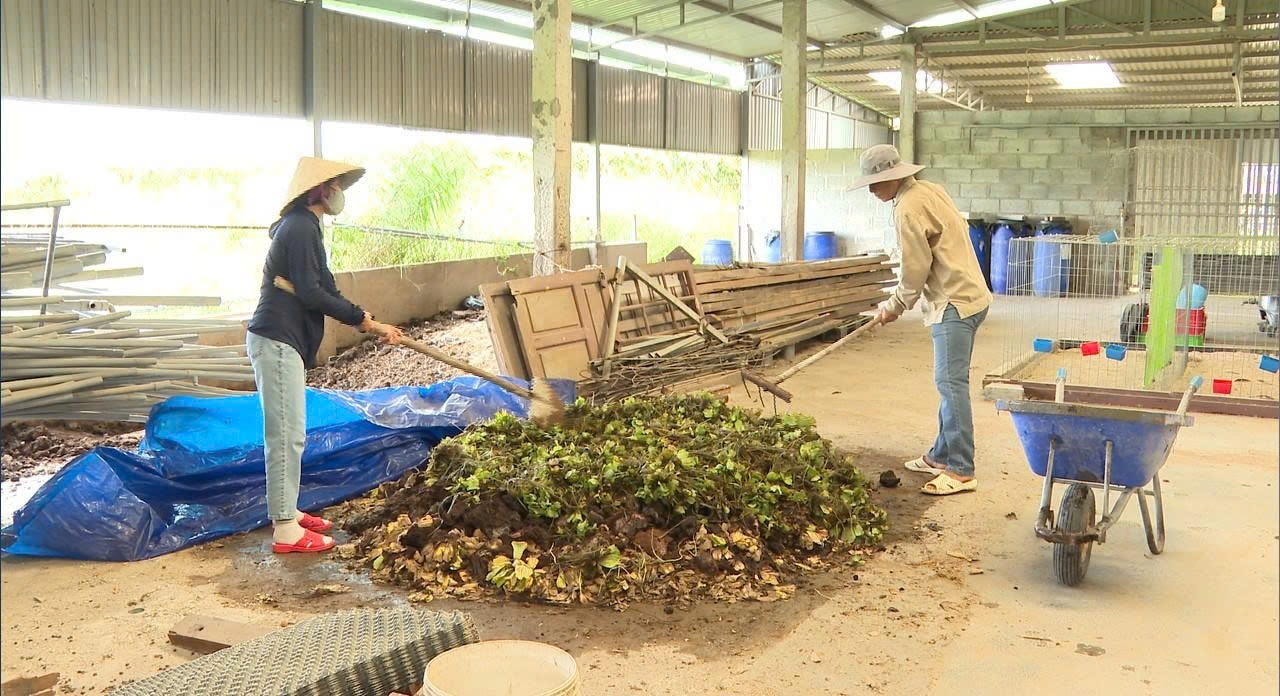
Notably, this model helps him save nearly 200 million VND on fertilizers each year, a figure that clearly demonstrates the economic efficiency of organic production based on waste products. At the same time, reducing the use of chemical fertilizers and pesticides significantly improves the soil and water environment in the surrounding area, aligning with the goal of reducing rural environmental pollution.
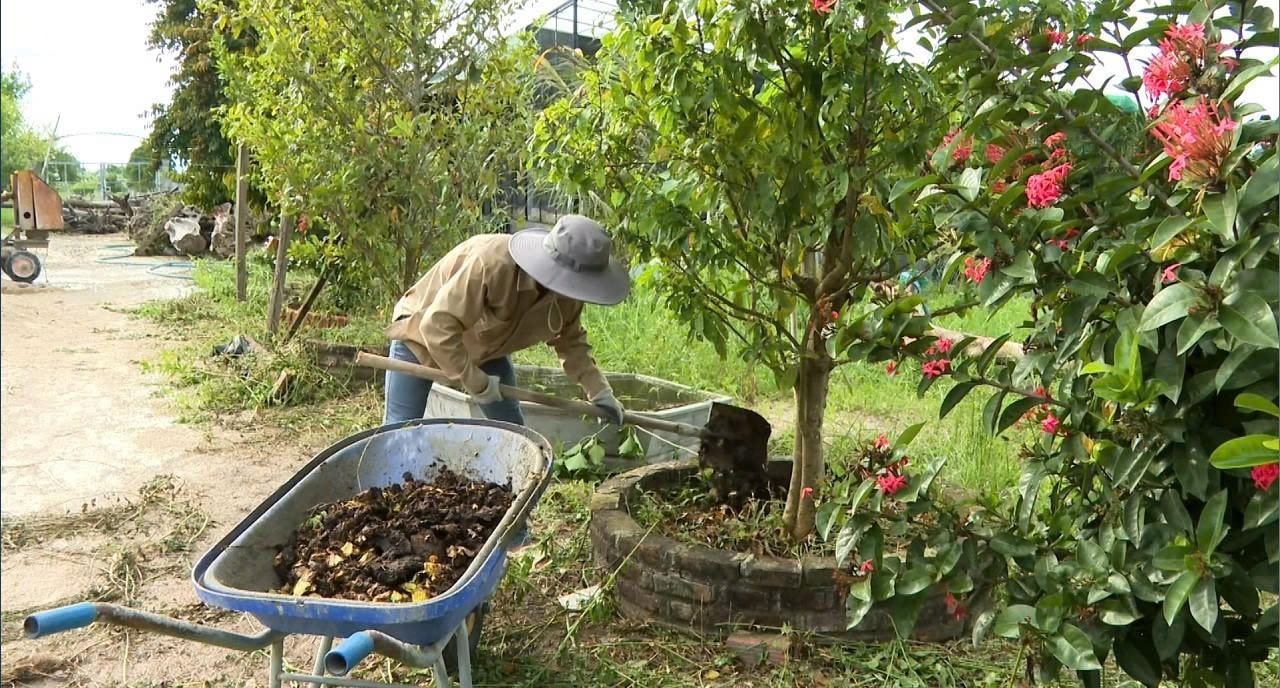
Mr. Nguyen Van Hoai Chinh, another farmer in Hamlet 1, shared: “Initially, I thought organic farming would be hard work, but when I saw the results for other farmers, I boldly followed suit. The more I do it, the better the soil becomes and the healthier the plants are. This new farming method requires patience, but it is sustainable and less costly in the long run.”
The spread of self-processing models for agricultural by-products has brought about a major change in agricultural production thinking in Ham Liem. Many households previously accustomed to chemical fertilizers have switched to composting organic fertilizers from straw, animal manure, duckweed, or combining it with earthworm farming.
The Provincial Agricultural Extension Center regularly organizes training courses on composting, using biological products, and designing circular economy models on a household scale.
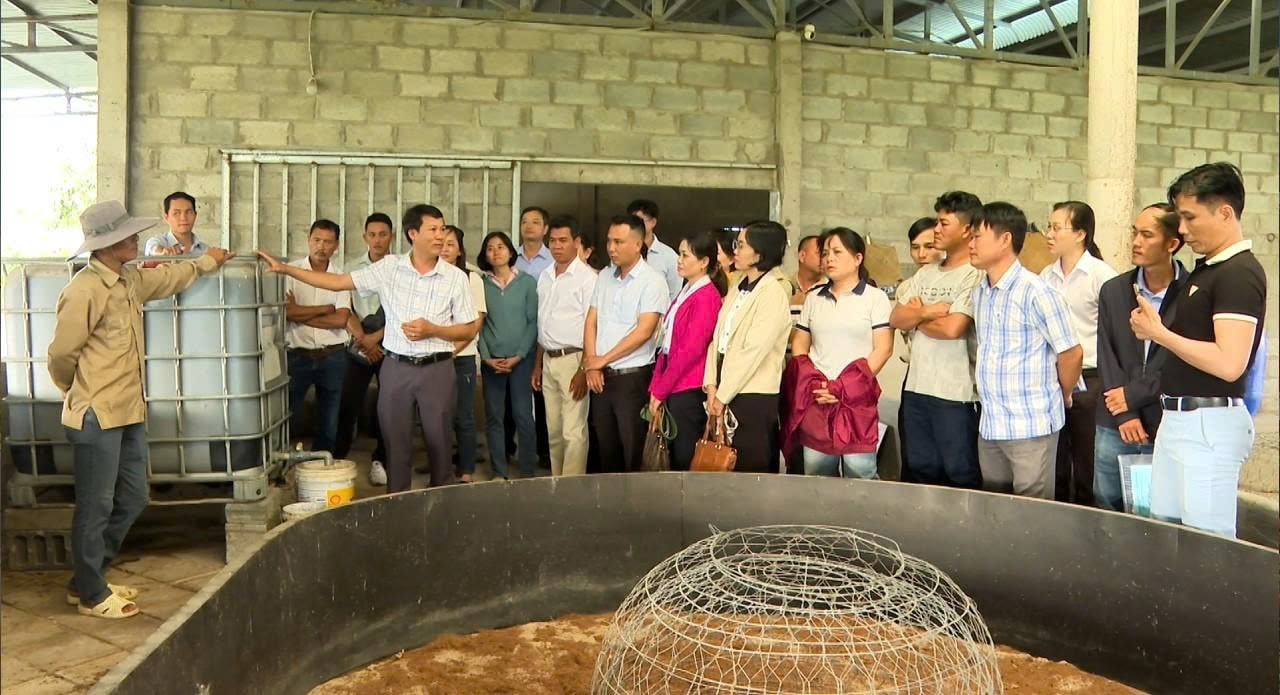
According to Master's degree holder Le Van Dac, Head of the Livestock and Fisheries Extension Department at the Provincial Agricultural Extension Center: "In circular agriculture, farmers only gain, they don't lose. Whether they gain a lot or a little depends on how each person knows how to operate and innovate." This approach is also consistent with the green agriculture and green economy development strategy that the province is aiming for.
Utilizing by-products to produce organic fertilizers helps farmers reduce input costs, improve the quality of agricultural products, revitalize the soil, protect water resources, and reduce emissions. This is a crucial foundation for building sustainable and modern new rural areas.
Circular production thinking has been contributing to shaping a new face for rural Lam Dong: greener, cleaner, and more economically efficient. The proactive approach of farmers, from learning and boldly innovating to persistent implementation, is the driving force for the locality to achieve the goal of developing green agriculture and model new rural areas in the coming time.
Source: https://baolamdong.vn/tu-phe-pham-den-gia-tri-xanh-cho-nong-thon-moi-409344.html





















![[Video] The craft of making Dong Ho folk paintings has been inscribed by UNESCO on the List of Crafts in Need of Urgent Safeguarding.](https://vphoto.vietnam.vn/thumb/402x226/vietnam/resource/IMAGE/2025/12/10/1765350246533_tranh-dong-ho-734-jpg.webp)













































Comment (0)