

On the morning of June 21st, the National Assembly discussed the amended Land Law after incorporating feedback from the public.
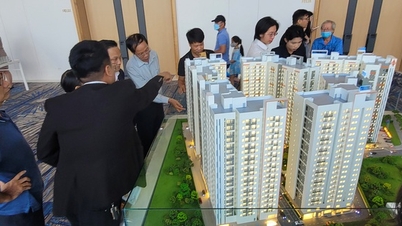
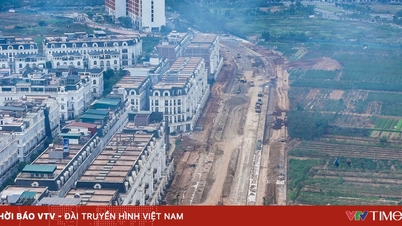
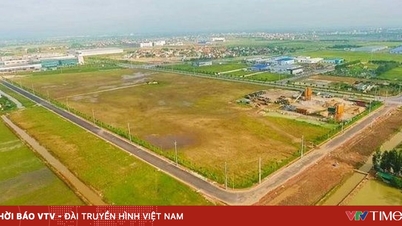
Buying up land at low prices and then converting it into land worth hundreds of times more.
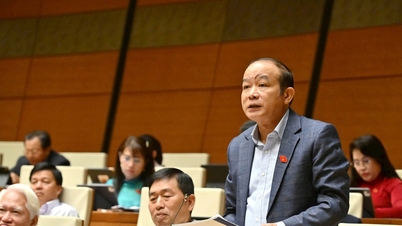
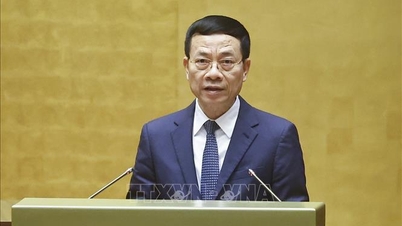
Expressing his opinion, delegate Tran Van Khai, Standing Member of the National Assembly's Committee on Science , Technology and Environment, stated that one of the tasks set out in Resolution 18 of the 13th Central Committee on land is "to research and develop policies to regulate land rent differentials, ensuring transparency and openness."
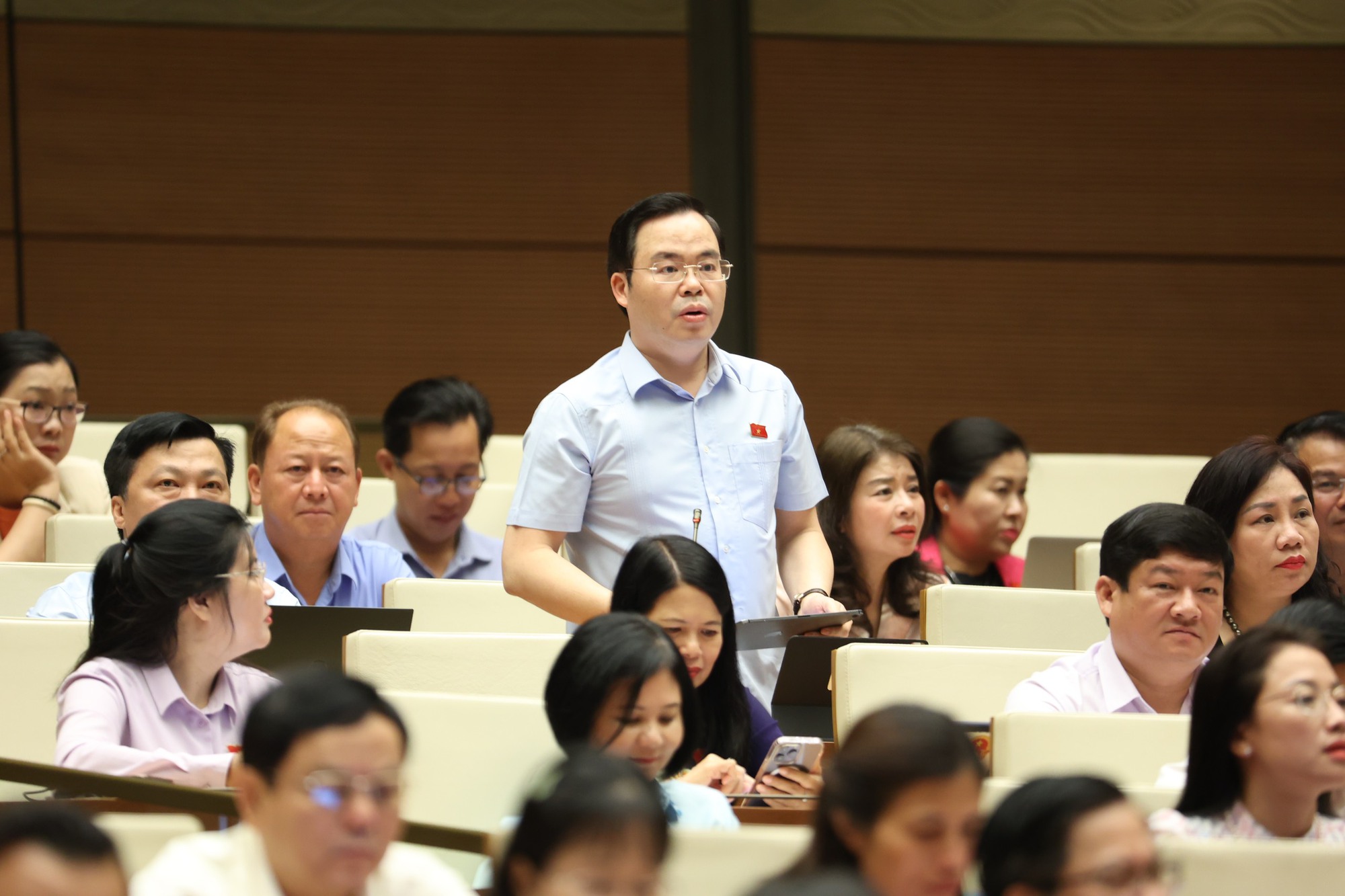
Representative Tran Van Khai presented his opinion during the discussion on the morning of June 21.
Mr. Khai believes that, in order to unleash the potential, maximize the value of land resources, overcome corruption, negative practices, land disputes, speculation, and wasteful land use, it is necessary to address two major issues: land rent differentials and land prices.
"Where does the land rent difference come from, where does it come from if not due to the effort and investment costs of land users?", Mr. Khai said. According to him, the land rent difference is formed from the change of land use purpose from low-value land to higher-value land.
The representative from Ha Nam also cited the reality that agricultural land is bought up, compensated at low prices, and then converted into residential and commercial/service land at prices ten times, or even a hundred times higher.
"The issue of handling land rent differentials for people's land is potentially creating many social injustices. Land belongs to the entire people; people have sacrificed and contributed, handing over their land use rights and assets to the State and investors to build and develop infrastructure and urban areas, contributing to overall development, so they should benefit from urban investment and development," Mr. Khai stated.
Therefore, Mr. Khai argued that the revised Land Law must eliminate injustices arising from land rent differentials and prevent the loss of land resources.
"Determining land prices that are close to market value remains unclear."
To achieve this goal, Mr. Khai believes that it is necessary to develop land finance policies, methods for determining land prices, and ensure a balance of interests in exploiting land rent differentials between the State, investors, and the people.
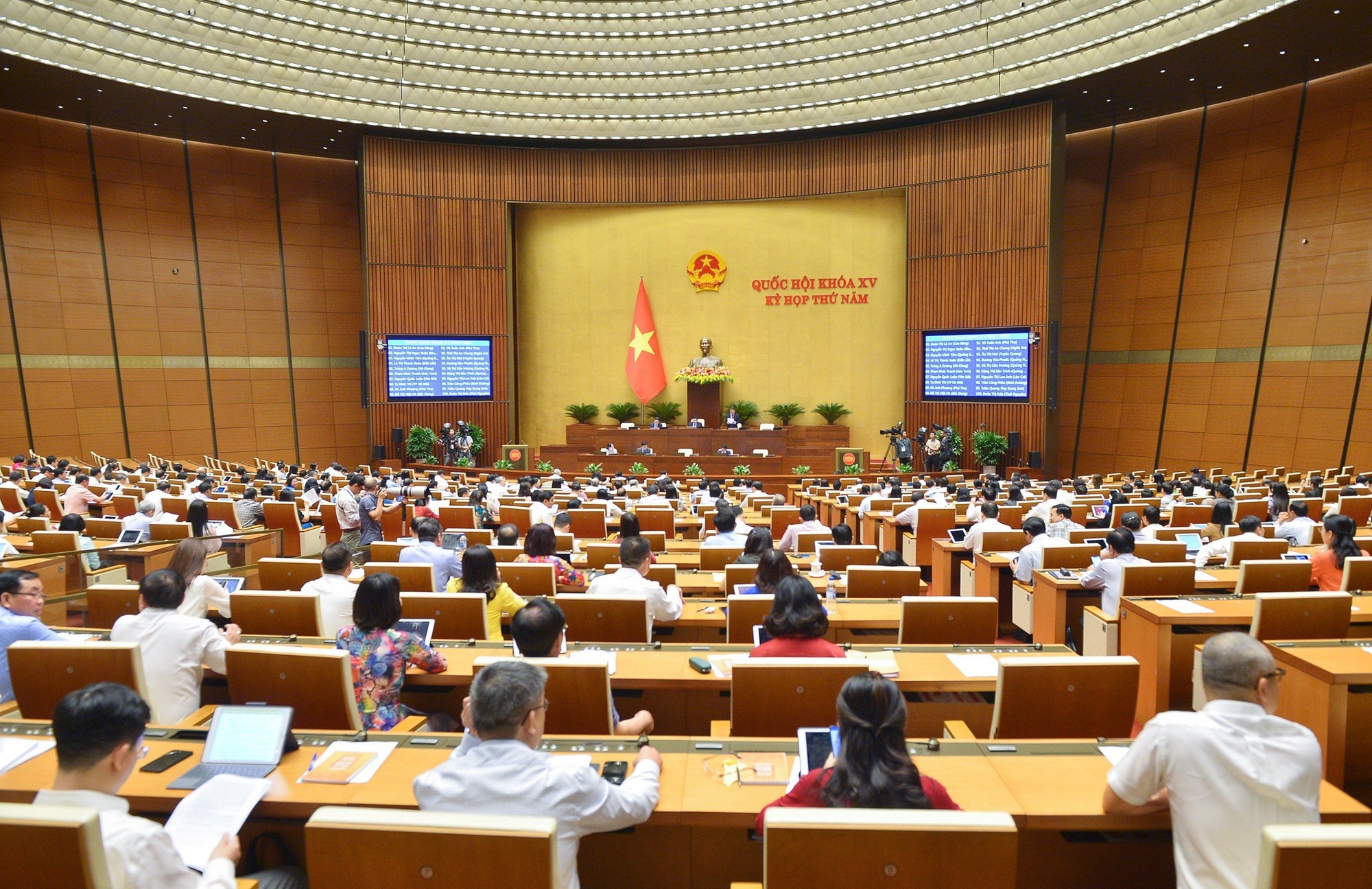
Seventeen delegates have registered to discuss the revised Land Law project. The National Assembly is dedicating the entire day of June 21st to discussing this draft law.
In a specific comment, Mr. Khai stated that the draft revised Land Law outlines four principles for land valuation, but he expressed concern that these principles are not sufficient for practical implementation in determining prices.
Mr. Khai analyzed that the basis for determining land prices close to market prices remains ambiguous. Land prices in 2023 were different from those in 2024, making it very difficult to determine how to avoid losses. Furthermore, the question is how to determine land prices in a way that harmonizes the interests of the State, investors, and the people.
"If we stick to the safe option, the compensation, support, and resettlement costs will be too high, making it difficult to attract investors to implement projects and contribute to socio-economic development," Mr. Khai stated.
Therefore, Mr. Khai suggested that the drafting agency finalize the "method for land valuation based on market principles".
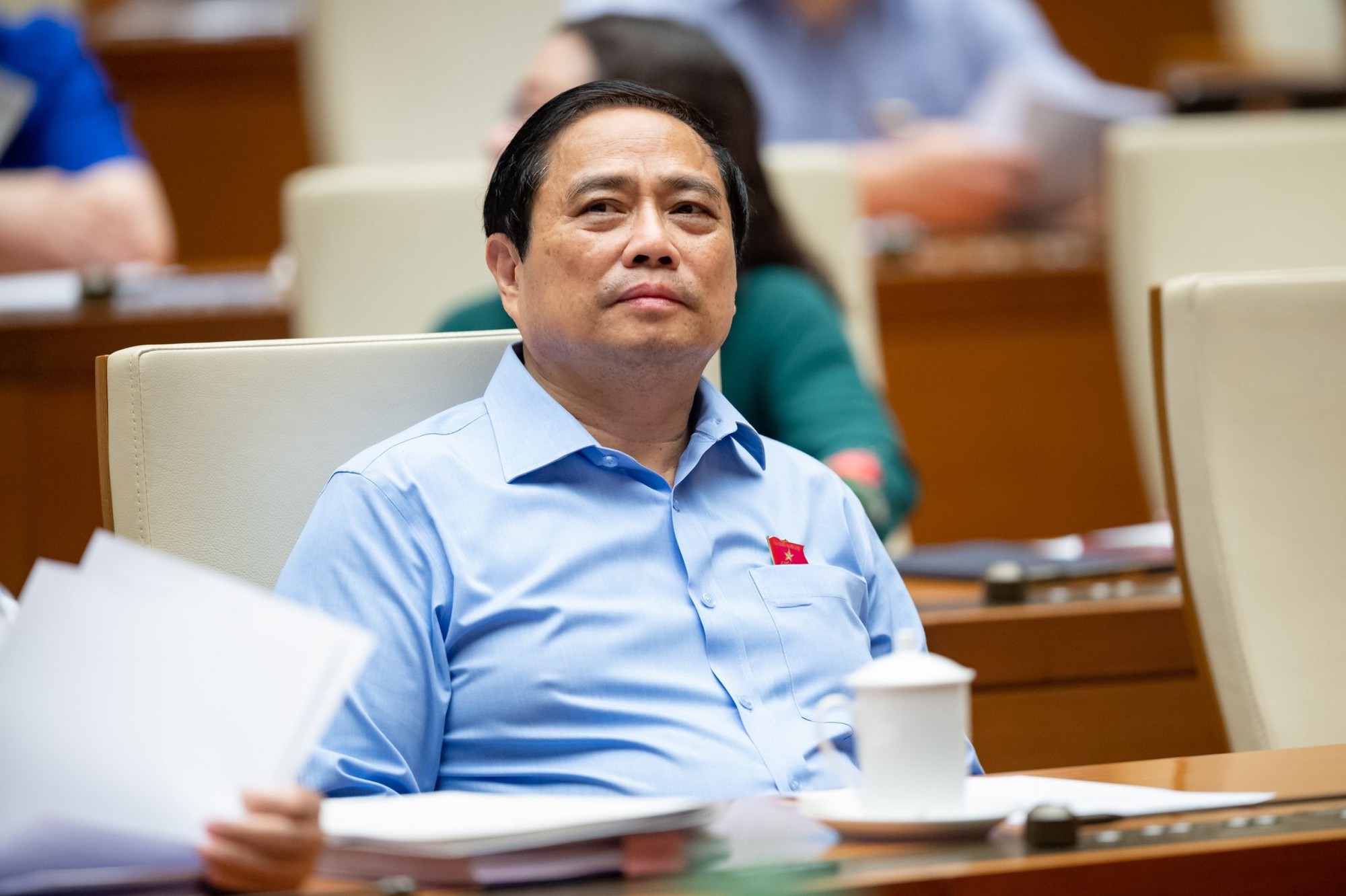
Prime Minister Pham Minh Chinh attended the discussion session on the amended Land Law.
Similarly, regarding the "input information for determining land prices" according to land valuation methods, Mr. Khai also expressed concern that the input information sources mentioned in the draft seem very broad but insufficient, lacking a reliable basis and becoming too complex to synthesize for land price determination.
"I believe that in order to determine land prices that are close to market value, we need reliable market data and a synchronized system for collecting market land price information based on specific legal regulations," Mr. Khai stated, and suggested further research into regulations related to input information for determining land prices.
Regarding land valuation methods, the draft lists four methods and assigns the Government to provide detailed regulations. Mr. Khai argued that the more methods the draft specifies, the more difficult it will be to apply them.
"If these four methods are applied to determine the price of the same plot of land, four different prices will be obtained. A simpler method for calculating land prices could be developed, avoiding the need to analyze and select from multiple methods as is currently the case," Mr. Khai emphasized.
Source link
![[Photo] Prime Minister Pham Minh Chinh holds a phone call with the CEO of Russia's Rosatom Corporation.](/_next/image?url=https%3A%2F%2Fvphoto.vietnam.vn%2Fthumb%2F1200x675%2Fvietnam%2Fresource%2FIMAGE%2F2025%2F12%2F11%2F1765464552365_dsc-5295-jpg.webp&w=3840&q=75)
![[Photo] Closing Ceremony of the 10th Session of the 15th National Assembly](/_next/image?url=https%3A%2F%2Fvphoto.vietnam.vn%2Fthumb%2F1200x675%2Fvietnam%2Fresource%2FIMAGE%2F2025%2F12%2F11%2F1765448959967_image-1437-jpg.webp&w=3840&q=75)













































![[OFFICIAL] MISA GROUP ANNOUNCES ITS PIONEERING BRAND POSITIONING IN BUILDING AGENTIC AI FOR BUSINESSES, HOUSEHOLDS, AND THE GOVERNMENT](https://vphoto.vietnam.vn/thumb/402x226/vietnam/resource/IMAGE/2025/12/11/1765444754256_agentic-ai_postfb-scaled.png)







































Comment (0)