

In the first seven months of 2024, rice exports to the Chinese market decreased by 68.4%, while pepper exports saw an 85% decrease compared to the same period.
Rice and pepper exports to China fell by double digits.
According to the report by According to the Ministry of Agriculture and Rural Development , in the first seven months of 2024, exports of agricultural, forestry, and aquatic products to the Chinese market reached US$7.04 billion, an increase of 11.3% compared to the same period last year. China continues to be the second largest market (after the United States), accounting for 20.5% of the total agricultural export turnover in the past seven months.
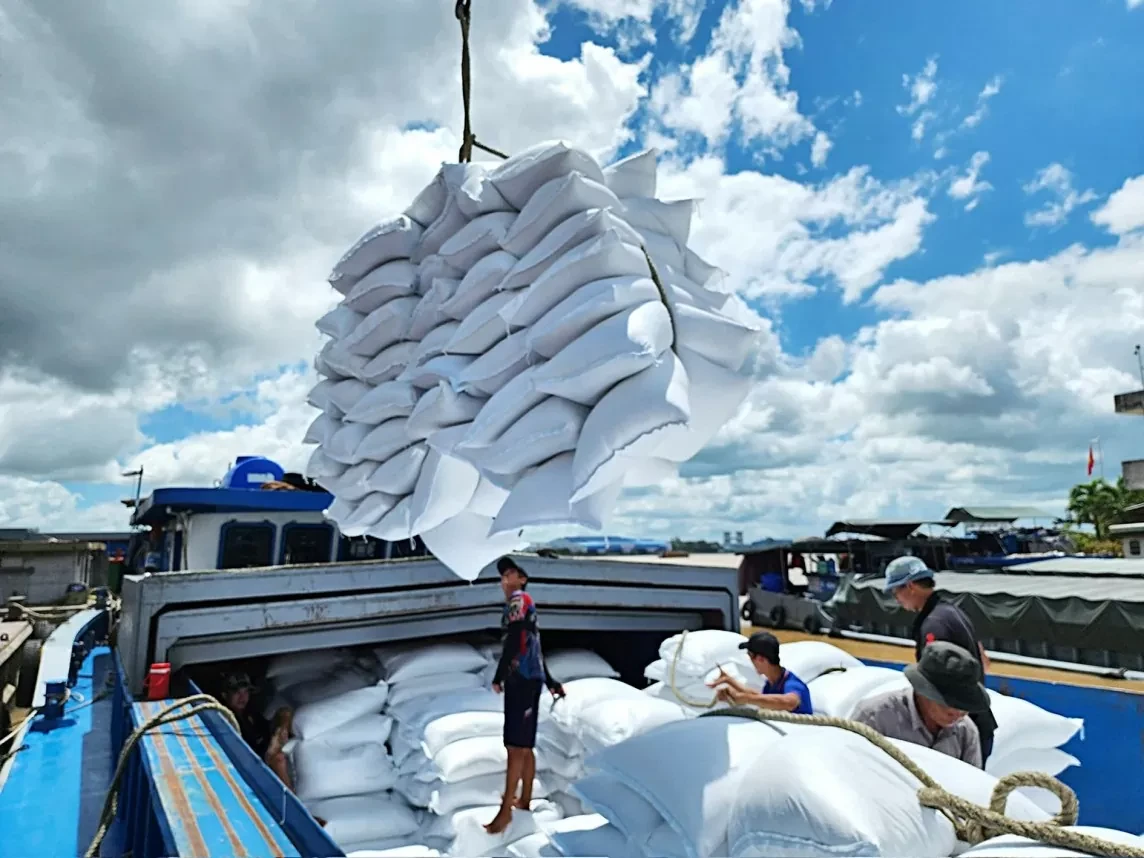
Many export items to China continue to grow strongly. For example, exports of fruits and vegetables to this market reached $2.5 billion, a 25% increase compared to the same period last year. Items such as seafood, cashew nuts, wood, coffee, etc., also recorded good growth rates in the first seven months of 2024.
While China increased its purchases of various Vietnamese agricultural products, it significantly reduced imports of rice and pepper from Vietnam in the first few months of this year. Specifically, by the end of July 2024, pepper exports to the Chinese market reached only 8,000 tons, a sharp decrease of nearly 85% compared to the same period last year. Similarly, rice exports Exports to this market of over a billion people reached $130.8 million in the first seven months of 2024, a sharp decrease of 68.4% compared to the same period last year.
According to statistics, in 2012, China was the largest customer for Vietnamese rice exports, with a turnover of 898 million USD, accounting for 27.5% of the total value of rice exports. The value of Vietnamese rice exports to China remained relatively stable during the period 2012-2016. In 2017, rice exports to this market increased dramatically, reaching nearly 1.03 billion USD, accounting for almost 40% of the total value of Vietnam's rice exports.
However, rice exports to the Chinese market plummeted, reaching only about $640 million in 2018. By 2019, export value had fallen to $240.3 million. With this figure, China dropped from being Vietnam's number one rice export market to number three. In 2021, China was among the top five rice export markets for Vietnam. However, this year, rice exports to this market have again decreased sharply.
Identifying the root causes of the decline in exports.
As a business exporting to the Chinese market, Mr. Pham Thai Binh - Chairman of the Board of Directors of Trung An High-Tech Agriculture Joint Stock Company - said that the decrease or increase in purchases is due to market supply and demand. For Trung An, the number of rice export orders to China is not as high as to other markets.
Notably, in recent years, China has raised its standards for product quality, including rice. In the premium rice segment, fragrant rice, glutinous rice, or ST24 rice... demand strict quality and packaging standards. Meanwhile, in the mid-range segment, Chinese importers prefer cheaper, broken rice for processing. They import large quantities but prioritize low prices, making it difficult for Vietnamese businesses to compete with rivals from other countries.
Regarding some of the difficulties hindering Vietnam's rice exports to the Chinese market, according to the Vietnamese Trade Office in China, every year, China China has imposed import quotas on rice. In recent years, China's rice import quota has not changed significantly. Specifically, in 2023, the country's rice import quota was 5.32 million tons, with 2.66 million tons allocated to long-grain rice and 2.66 million tons to short-grain rice. This figure has remained unchanged in recent years. Furthermore, currently, China only allows 21 enterprises to export rice to its market (out of approximately 200 licensed enterprises).
On the other hand, rice products currently available on the Chinese market are of relatively high quality, and exporting countries pay close attention to packaging. Through monitoring, the Trade Office has observed that rice from Thailand and Laos sold in Chinese supermarkets (even in northern China – a region with relatively strict product quality and packaging requirements) is packaged very securely, attractively, and suits the tastes of Chinese consumers. Notably, since the Russia-Ukraine conflict, global food supply has fluctuated significantly, impacting China's food import structure.
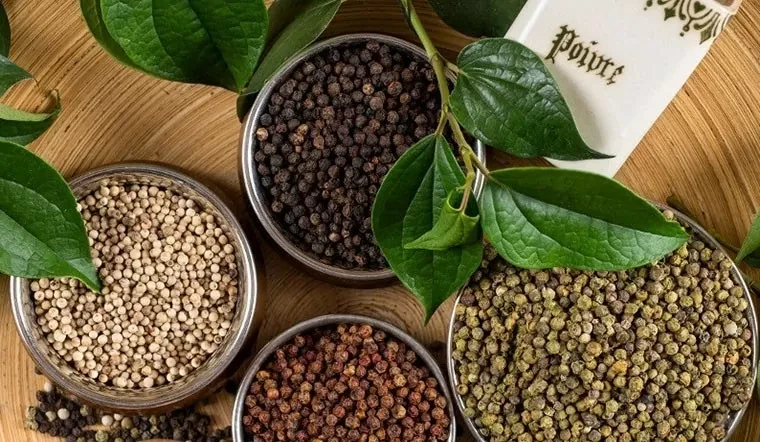
With the item According to the Vietnam Pepper and Spice Association (VPSA), China, once Vietnam's second-largest pepper export market, has now fallen to fifth place after the US, Germany, India, and the UAE.
Some businesses exporting this product have stated that, pepper prices China's domestic demand is lower than its import demand. Furthermore, the world's second-largest economy grew slower than expected in the first half of this year, leading to reduced consumer spending and sufficient inventory. These factors have resulted in a sharp decrease in pepper imports from Vietnam. VPSA forecasts that demand for this agricultural product will continue to decline. Chinese market It will be difficult to improve in the second half of the year.
Regarding China's reduced imports of Vietnamese pepper and increased purchases of Indonesian pepper, Mr. Hoang Phuoc Binh, Permanent Vice Chairman of the Chu Se Pepper Association (Gia Lai), raised the issue that Indonesian pepper prices are not lower than Vietnamese pepper prices, and are even higher. Therefore, this clearly doesn't stem from price differences. The question is: why is China increasing its purchases of Indonesian pepper? What type of pepper is it buying? Is it a product familiar to the Chinese market, trading partners, and consumer preferences?
Previously, China frequently purchased pepper produced using the soaking method, and they still accept this method. Meanwhile, many leading Vietnamese export businesses are focusing on producing white pepper (hulled pepper) – using steaming technology instead of the previous soaking method – and boosting exports to the US and EU markets. Could this be the reason? Another issue that could be raised is whether China is tightening regulations on informal pepper exports, which might be a factor preventing China from importing large quantities of pepper from Vietnam.
Returning to the topic of rice, Mr. Nong Duc Lai, Commercial Counselor in China, stated that China is a densely populated country where people have a habit of eating rice daily. This habit has become ingrained in Chinese culinary culture, therefore, the demand for rice in this market is very high. Furthermore, China is also the world's largest producer of rice.
To increase the chances rice exports Regarding the Chinese market, authorities advise businesses to closely monitor developments in the Chinese rice market, update market information, promptly grasp the latest developments in the importing country's market, respond promptly, and seize opportunities. Currently, fragrant rice, premium rice, and ST24 and ST25 rice varieties are popular in the Chinese market, so businesses need to maintain, develop, and expand their market share, while also building brands for Vietnamese rice products in this market.
Source


























































































Comment (0)