

The product designs still follow the same old patterns.
Speaking at the workshop "Consulting on improving the design capacity of packaging and product labeling for handicrafts to enhance competitiveness in the domestic and export markets," Dr. Do Nhu Chinh – Vice President of the Vietnam Handicraft Village Association – said that the export value of handicraft products reaches nearly 2 billion USD annually. This figure could be further increased if more attention is paid to the design and style of handicraft products.
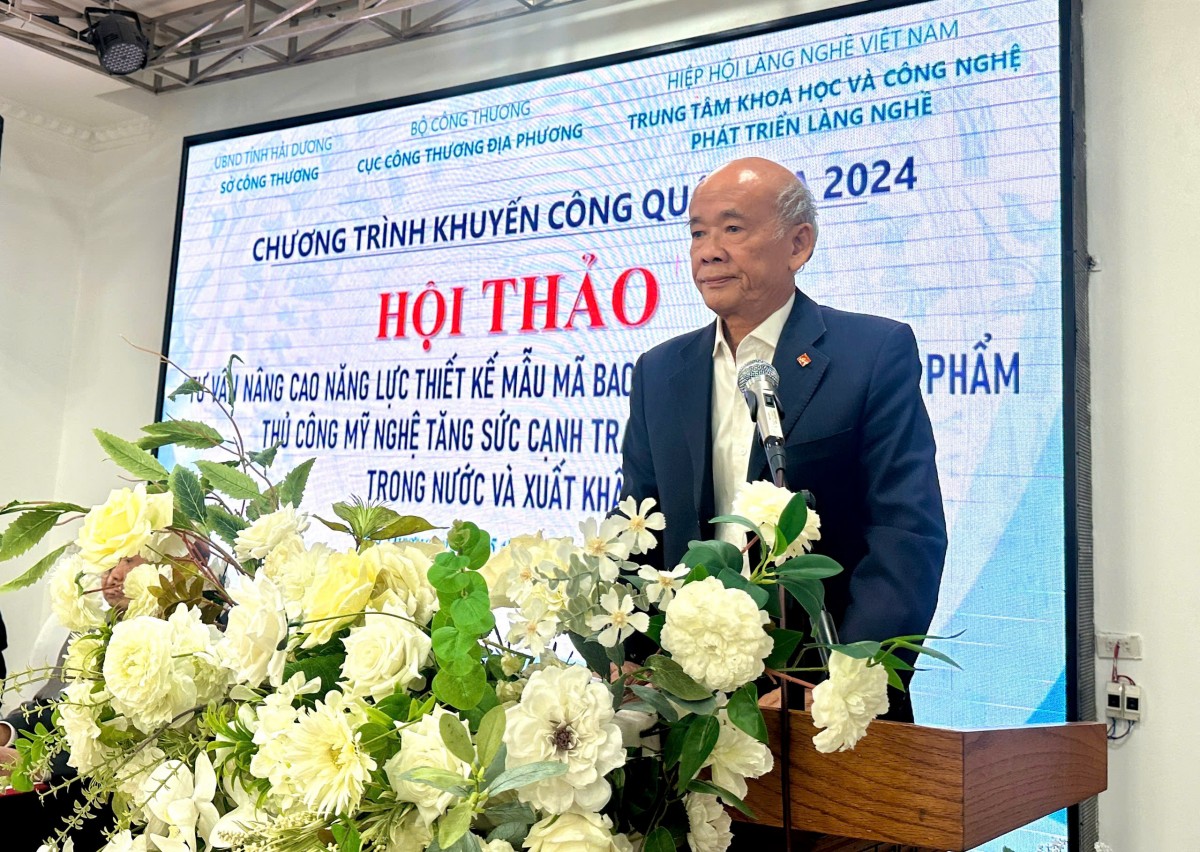 |
| Mr. Trinh Quoc Dat – Chairman of the Vietnam Handicraft Village Association – delivered the opening remarks at the workshop. Photo: Nguyen Van |
One of the reasons why the designs of products from traditional craft villages in general, and handicraft products in particular, are not diverse, according to the leaders of the Vietnam Craft Village Association, is that most craft village production facilities are small-scale (household), with limited capital, space, and infrastructure, making it impossible to invest in the in-depth design of new models.
On the other hand, in traditional craft villages today, the number of talented artisans with a deep understanding of traditional techniques and skills is dwindling. The older generation of artisans, frail and lacking in ability to grasp market trends and consumer preferences, are subconsciously dependent on traditional designs. Meanwhile, younger generations, while well-educated and dynamic, lack the necessary skills and expertise, have limited understanding of traditional values, and tend to chase novelty, imitating and copying existing designs with minor modifications to create something new.
" This also poses a certain limitation to the development of product designs, packaging, and styles of handicraft products today ," shared Dr. Nguyen Nhu Chinh.
Based on local realities, Ms. Nguyen Hong Chuyen – Deputy Head of the Industrial Management Department – Hai Duong Department of Industry and Trade – stated that the demands of modern life and global economic integration require handicraft products to be rich and diverse to meet the aesthetic tastes of customers. Meanwhile, traditional craft villages completely lack a crucial step: applying science and technology to production, which would create diversity in product designs.
Apart from a few dedicated professional designers passionate about traditional crafts, there is no professional design team conducting in-depth research on each individual handicraft product. Craft villages and businesses currently invest too little in market research, especially in the market for pattern making and design.
Despite progress with many beautiful and unique products, it can be seen that most newly designed products only offer minor improvements, mainly differences in structure and materials, rather than truly unique designs.
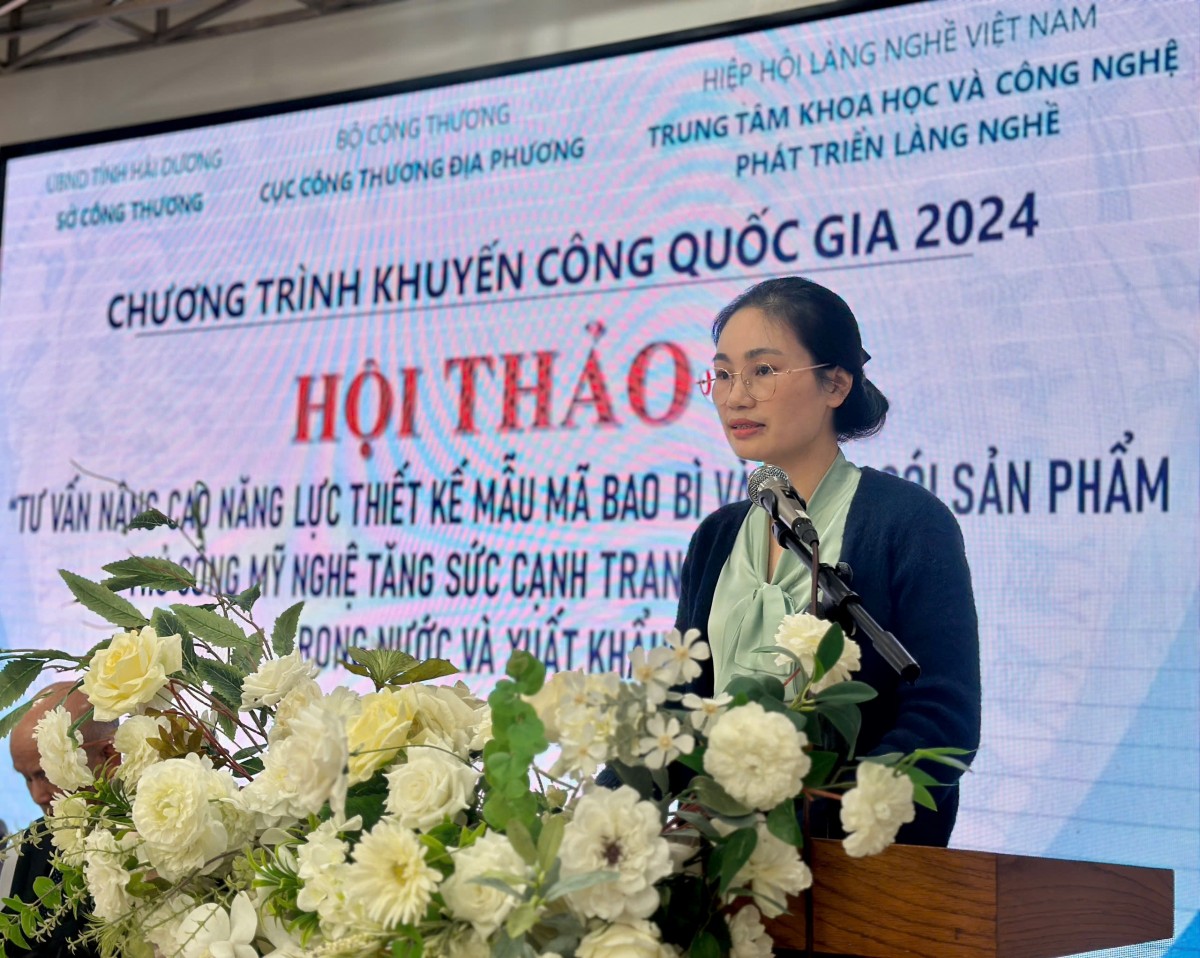 |
| Ms. Nguyen Hong Chuyen – Deputy Head of the Industrial Management Department – Hai Duong Department of Industry and Trade. Photo: Nguyen Van |
The reason why the designs and styles of handicraft products in Hai Duong are still poor and monotonous is because the current handicraft production facilities are small-scale and have weak financial capacity, thus lacking the resources to invest in improving designs. Meanwhile, the coordination between artisans and businesses is still weak, so the process of improving designs is slow and does not meet the demand for innovative styles.
A collaboration between designers and manufacturers is much needed.
Given the current situation, Dr. Nguyen Nhu Chinh believes that for handicraft products to develop more strongly, they must break free from traditional thinking to truly penetrate the market. However, the essence of Vietnamese culture is a crucial factor in exploiting materials to create new designs and styles for handicraft products that suit market demands.
" Therefore, tradition needs to be promoted to highlight its strengths instead of being conservative and rigidly clinging to traditional designs that are no longer suitable for the market ," emphasized Dr. Nguyen Nhu Chinh.
He also emphasized that, in order to develop suitable designs for traditional craft products and handicrafts, collaboration between designers and manufacturers is necessary.
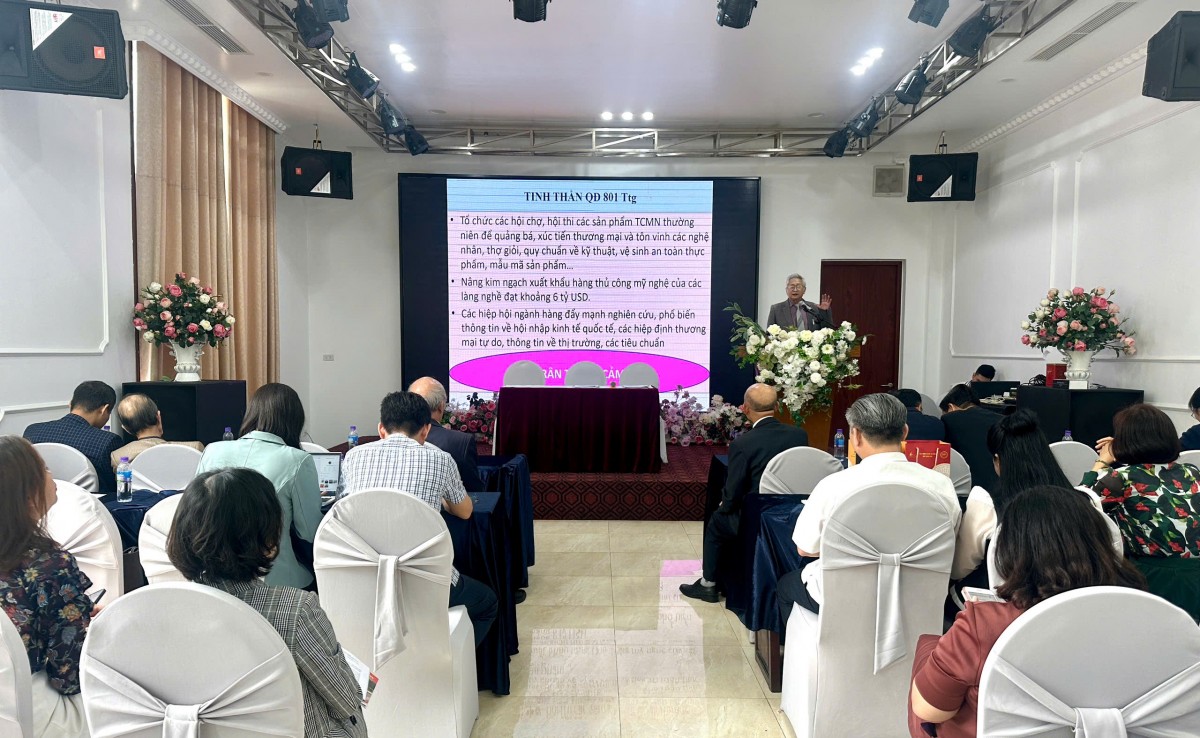 |
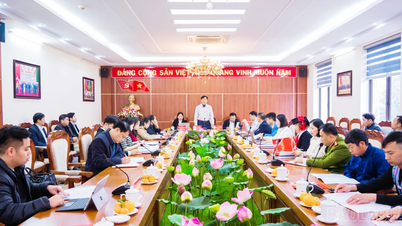
| Workshop "Consulting on improving the design capacity of packaging and product labeling for handicrafts to enhance competitiveness in the domestic and export markets". Photo: Nguyen Van |
For designers, it's essential to have the practicality of a manufacturer so that product designs and packaging still reflect national identity and regional characteristics; utilize traditional elements while incorporating new technologies; are easy to produce and meet large-scale demands; and ensure that the size, quality, materials, and cost of the finished product are suitable for the target customer. The product should be both a work of pure art and an applied art product…
For manufacturers, providing designers with sufficient data and fostering creativity requires maximum sharing, collaboration, and support. Furthermore, at each stage of the creative process, both designers and manufacturers must continuously discuss and evaluate to arrive at the best possible options, preparing for the next step. Manufacturers should even test their initial sketches in the market to assess the future potential of the new design and model.
On behalf of Hai Duong province, Ms. Nguyen Hong Chuyen informed that, to promote creativity and enrich product designs, the locality organized the "Hai Duong Province Souvenir and Tourist Gift Product Design Competition." This is also a responsible approach by Hai Duong province in promoting the development and preservation of traditional crafts. " This needs to be continued regularly, continuously, and extensively, even including design competitions for handicraft products at the district level, to stimulate creativity and create new, sophisticated products with high economic value from artisans and craftspeople in Hai Duong's craft villages, " said Ms. Nguyen Hong Chuyen.


































































Comment (0)