

Both type 1 and type 2 diabetes affect the feet and other parts of the body by reducing blood supply to these areas, leading to unpredictable consequences.
How does diabetes affect the feet?
According to the British podiatrist Matthew Fitzpatrick, diabetes can affect various organs or parts of the body, as reported by Patient .
“When you have diabetes, your body loses its ability to control glucose. High glucose levels affect the complex and sensitive interactions of chemicals and enzymes in the blood vessel walls, leading to a lot of damage in the body. Small blood vessels are vulnerable, meaning that blood supply to the feet and other areas – including the kidneys and eyes – can be restricted,” Fitzpatrick explains.

Foot care is very important when you have diabetes.
When blood vessels in the feet are damaged, patients often lose sensation, starting with a tingling feeling in the toes that then spreads to the foot.
Impaired blood supply also causes wounds on the feet to heal more slowly, increasing the risk of infection.
BaDan Howarth, from the British diabetes organization Diabetes UK, said: “Foot infections in people with diabetes are a serious concern and a significant issue, as if left uncontrolled, they carry a high risk of amputation of the foot or limb.”
Everyone with diabetes is at risk of developing foot problems. However, effectively managing the condition can reduce this risk.
Taking care of healthy feet
In addition to following their doctor's advice and taking prescribed medication, people with diabetes need to pay attention to their feet so they can address any potential problems before they become more serious.
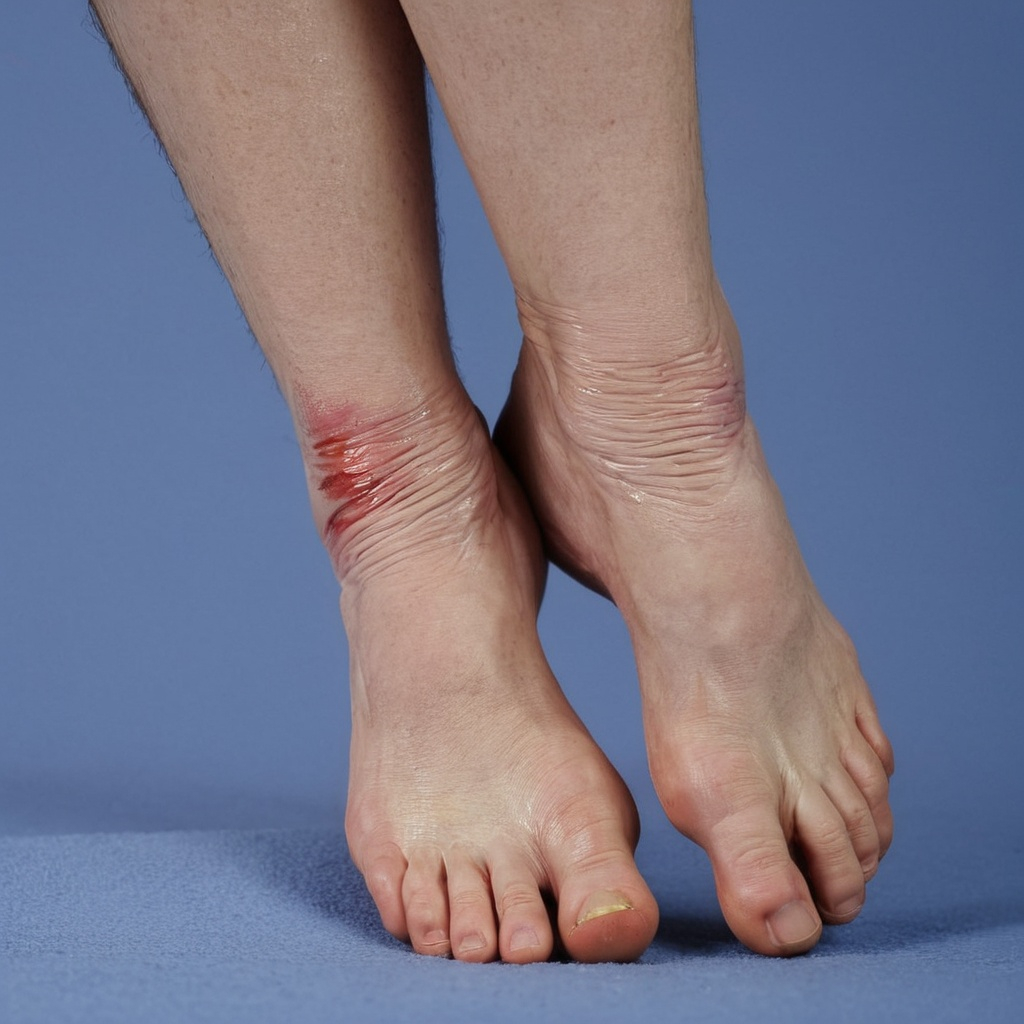
In people with diabetes, even small wounds can become infected if not properly cared for.
Dr. Fitzpatrick advises that people with diabetes should check their feet every day.
"Carefully examine the top, bottom, between the toes, around the soles of the feet, and behind the heels for any minor injuries such as cuts, bumps, thickened skin, bruises, or trauma," says Dr. Fitzpatrick.
Wash and dry properly : Wash your feet with soap and warm water. Dry your feet thoroughly, especially between the toes. Proper drying will prevent infections and the formation of athlete's foot.
Careful moisturizing : Dr. Fitzpatrick points out that patients need to keep their skin soft by moisturizing their feet. “Loss of blood supply and nerve damage reduce moisture, causing the feet to become dry and rough. This leads to cracking and can become a breeding ground for infection,” Dr. Fitzpatrick explains.
Another important aspect of foot care is ensuring that patients wear appropriate footwear. Ill-fitting shoes can lead to nail damage, blisters, calluses, or other foot problems, which can then cause infection. It's important to measure the feet and choose shoes that fit properly.
"If you have diabetes and experience numbness in your feet, or have a wound on your foot, you should see a doctor immediately to prevent more serious problems from occurring," advises Dr. Fitzpatrick.
Source: https://thanhnien.vn/chuyen-gia-luu-y-viec-cham-care-ban-chan-o-nguoi-tieu-duong-185250304230137245.htm








































































































Comment (0)