

The proposal to provide tuition and living expense support for medical students equivalent to that for education students is attracting public attention.
The Ministry of Health has proposed that the Government study providing tuition and living expense support for medical students equivalent to that for teacher training students.
Accordingly, the Ministry of Health proposes that medical and pharmaceutical students receive financial support from the State to cover tuition fees, equivalent to the tuition fees charged by the training institution where they are studying.
Currently, tuition fees for medical and pharmaceutical training programs are among the highest, ranging from approximately 15 million to nearly 200 million VND per year, depending on the school.
Some public universities offering health science programs currently have the highest tuition fees, such as the Ho Chi Minh City University of Medicine and Pharmacy, with two doctor training programs costing over 80 million VND per year. Specifically, the Dentistry program costs 84.7 million VND per year and the Medical program costs 82.2 million VND per year.
The University of Health Sciences (Vietnam National University Ho Chi Minh City) has tuition fees of 60 million VND/year for the Medical program and 55.2 million VND/year for other medical training programs.
For the 2024-2025 academic year, the tuition fees for Hanoi Medical University's programs are expected to range from 15 to 55.2 million VND per academic year.
The majors with the highest tuition fees, at 55.2 million VND/academic year, are: Medicine, Thanh Hoa branch of Medicine, Traditional Medicine, and Dentistry.
According to experts, high tuition fees, coupled with the long duration of medical school—from enrollment to the point of being able to practice—are significant barriers for many students who want to pursue this field.
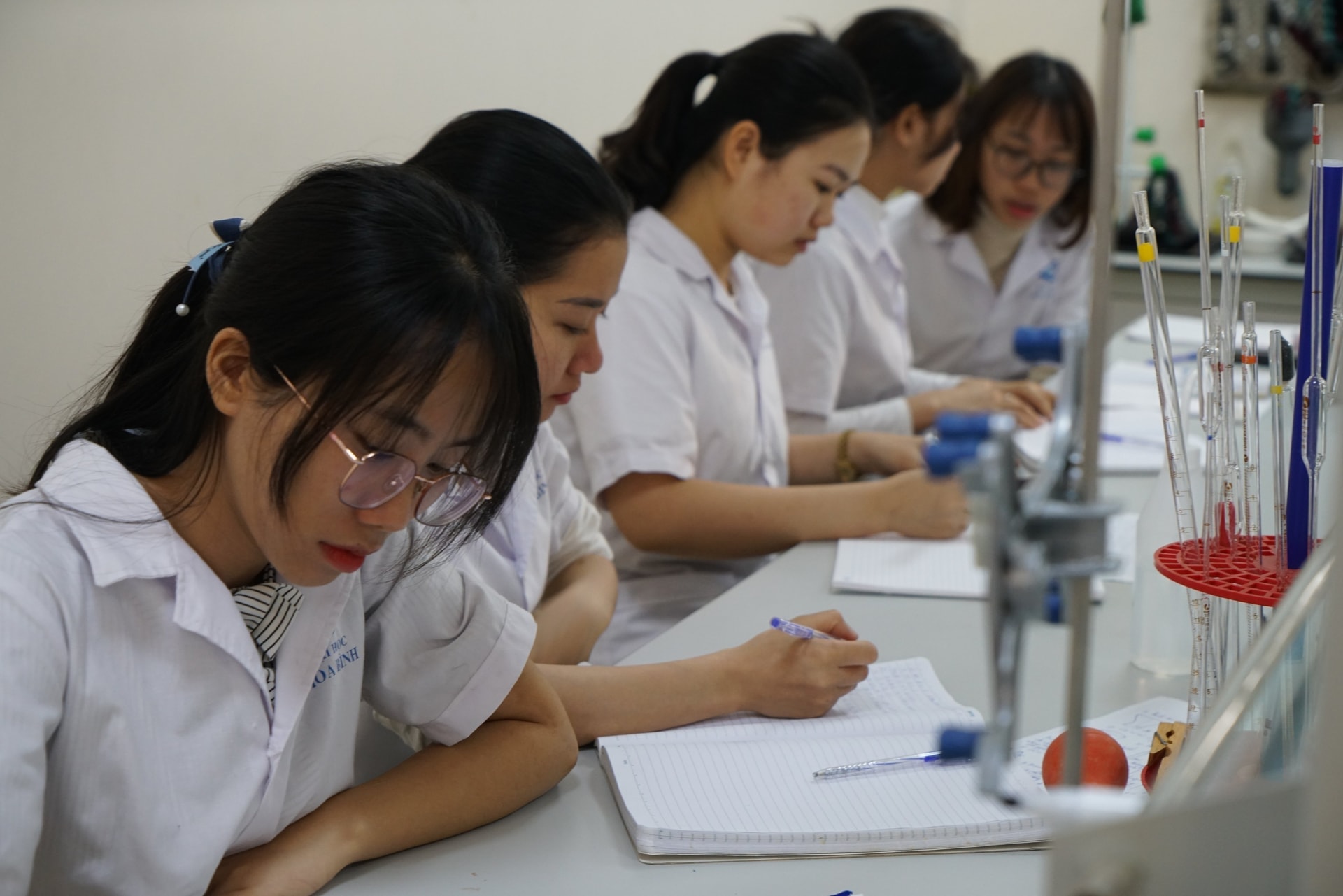
Speaking with a reporter from Dai Doan Ket Newspaper, Associate Professor Phan Tuy, former Vice Rector of Hanoi University of Pharmacy and Head of the Faculty of Pharmacy at Hoa Binh University, assessed that the Ministry of Health's proposal is humane and aims to attract students in the medical and pharmaceutical fields.
According to Associate Professor Phan Tuy, in countries around the world, tuition fees for medical and pharmaceutical training are also very high. Vietnamese students studying medicine abroad are also very rare. Many students from disadvantaged families who want to pursue a career in medicine cannot afford it.
From the perspective of an educator, Associate Professor Phan Tuy believes that training a doctor to be a good, highly skilled professional requires arduous and costly efforts. He argues that mass training in the medical and pedagogical fields, without regard for quality, poses a potential danger. Therefore, Associate Professor Phan Tuy believes that investment in medical and pharmaceutical training is necessary to alleviate the shortage of healthcare personnel.
The president of a university argued that the medical field is unique, with a heavy workload and high training costs. While the proposal to waive tuition fees for medical students aims to attract students amidst a shortage of healthcare professionals, it would not be feasible due to limited budget for education. Instead of waiving tuition, a scholarship program for students from disadvantaged backgrounds should be considered.
According to statistics from the Ministry of Health, there are 214 medical training institutions nationwide, including 66 higher education institutions, 139 vocational education institutions, and 9 research institutes offering doctoral programs. The Ministry of Health manages 22 schools and institutes. The number of doctors graduating in 2023 was 11,297; the number of pharmacists graduating was 8,470; and the number of nurses graduating was 18,178.
The Ministry of Health also assessed that the quality of medical personnel training has not met actual needs and has not strengthened or supplemented specific policies for medical personnel training.
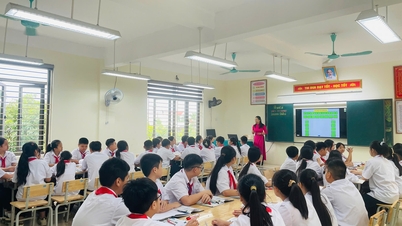
According to current regulations, teacher training students receive financial support to cover tuition fees equivalent to the tuition fee charged by the teacher training institution where they study. They also receive 3.63 million VND per month to cover living expenses during their studies.
This funding comes from the budgets of local authorities, ministries, and departments, through a commissioning system. However, students must reimburse the funds if they do not work in the field for the required time (6-8 years), switch to another field, drop out, fail to complete the program, or are expelled.
Source: https://daidoanket.vn/co-nen-mien-hoc-phi-cho-sinh-vien-nganh-y-nhu-sinh-vien-su-pham-10297469.html








































































Comment (0)