

Unlocking the potential of a unique heritage.
The Ly Son Special Economic Zone covers an area of 10,390 km² , with a population of over 22,000 people, located 15 nautical miles from the mainland. It takes approximately 40 minutes by boat from Sa Ky port to Ly Son port. The area possesses unique natural heritage potential in terms of geology and geomorphology.
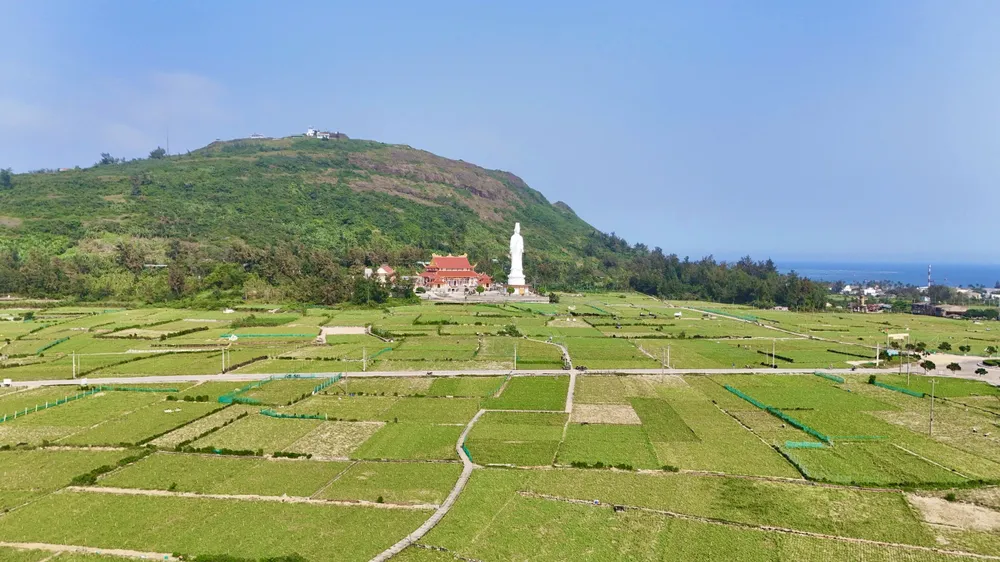
Ly Son Island has five large extinct volcanoes: Thoi Loi Mountain (peak 169m above sea level), Gieng Tien Mountain, Vung Island, Soi Island, and Tai Island. These were formed by volcanic eruptions approximately 25-30 million years ago, with volcanic terrain covering up to 70% of the island's area. Ly Son also has several underwater craters, particularly a large underwater crater in the south of the island, nearly the same size as the peak of Thoi Loi Mountain above sea level. This crater lies about 40-50m below sea level. There is also an underwater volcano on the west side of the island, near the Gieng Tien area.
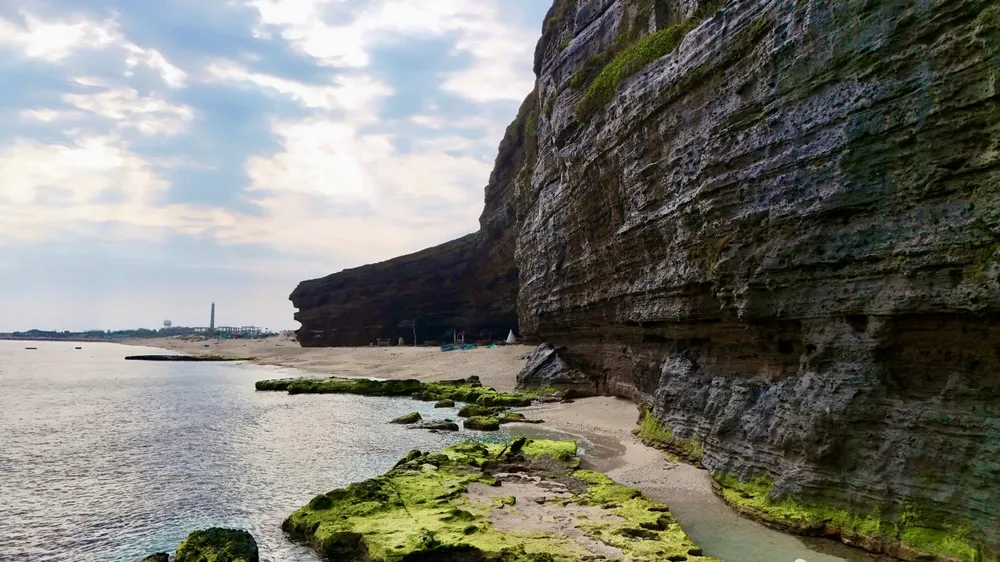
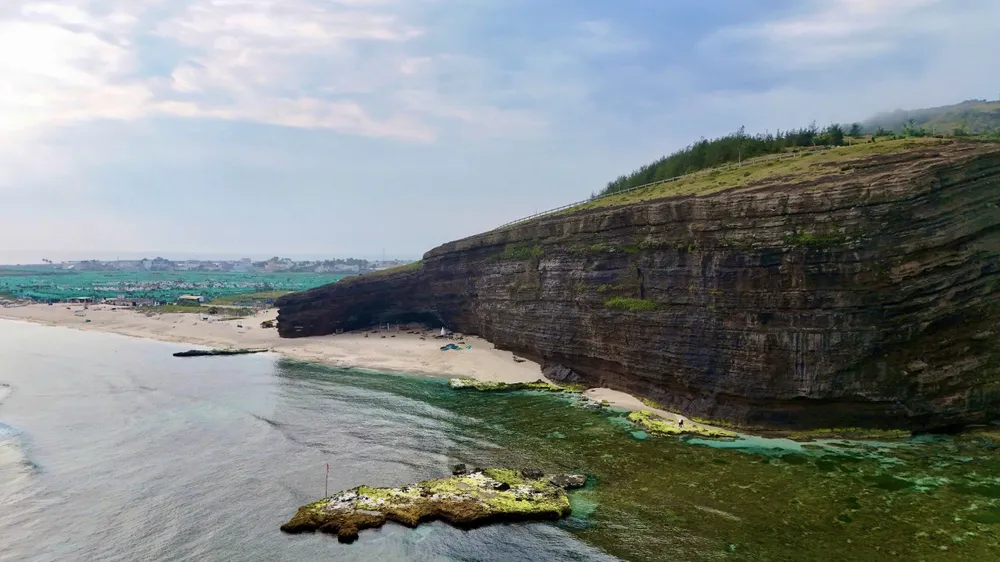
The geological structure of the volcanoes creates erosional ridges on the cliffs, typically seen in the large, hundreds-of-meters-long, towering, and massive cliffs at Hang Cau, Chua Hang, and Gieng Tien.
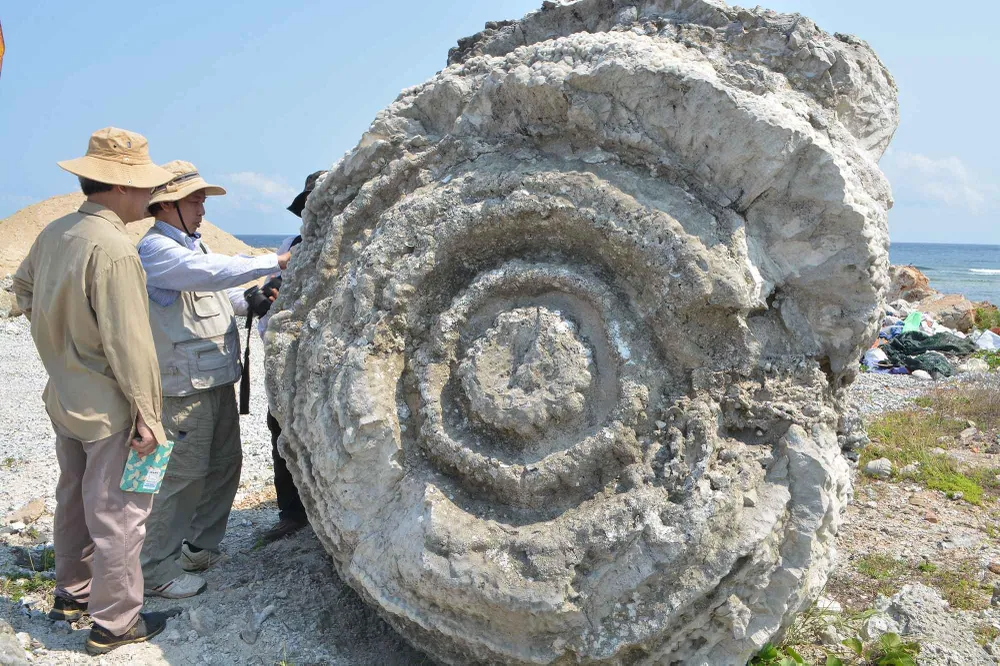
In late January 2018, a team of experts from the Institute of Geological Sciences and Minerals (then under the Ministry of Natural Resources and Environment ) published the results of their research on a unique paleontological heritage: a "graveyard" of fossilized coral formations shaped like millstones near the Hang Cau scenic area in An Hai commune (Ly Son island district). In addition, there were also diverse fossilized coral formations with magnificent ring-shaped patterns. Experts estimated that these fossils date back 5,000-6,000 years and are considered unique not only in Vietnam but also globally.
Ly Son Island boasts two famous Sa Huynh relics: Oc Hamlet and Suoi Chinh, dating back approximately 3,000-2,500 years BCE. These relics not only serve as evidence of the Sa Huynh culture but also reflect the continuous development, cultural exchange, and adaptation to the island's environment. Current farmers utilize the land around the Suoi Chinh site to cultivate onions and garlic, combining this with the lush green coconut groves and terraced white sand fields to create an attractive photo spot for tourists.
The Ly Son Special Economic Zone "owns" more than 50 historical and cultural relics, including 6 national relics, 2 national intangible cultural heritage sites, and 19 provincial relics. Thus, there are 5 relics per kilometer on the island, a density rarely found anywhere else, even on the mainland.
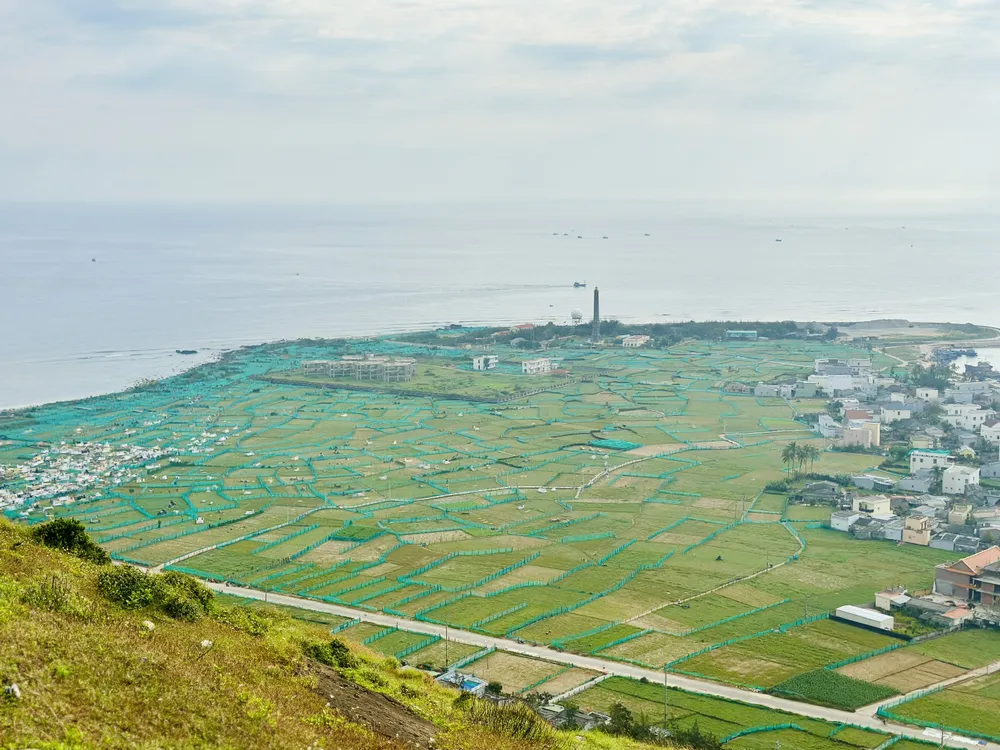
Over the years, Ly Son has leveraged its strengths as the "garlic kingdom," the birthplace of the Hoang Sa Fleet, and a paradise of blue seas to develop community-based tourism. Locals organize tours on the island themselves, with teams of basket boats and electric vehicle transport to take tourists to visit beaches like Bai Hang, Bai Sau, and Bai Tay… In a short time, from an island region whose main source of income was fishing, the people have developed services, trade, product consumption, and tourism… helping to improve the economic lives of the local population.
To become a national center for coastal and island tourism .
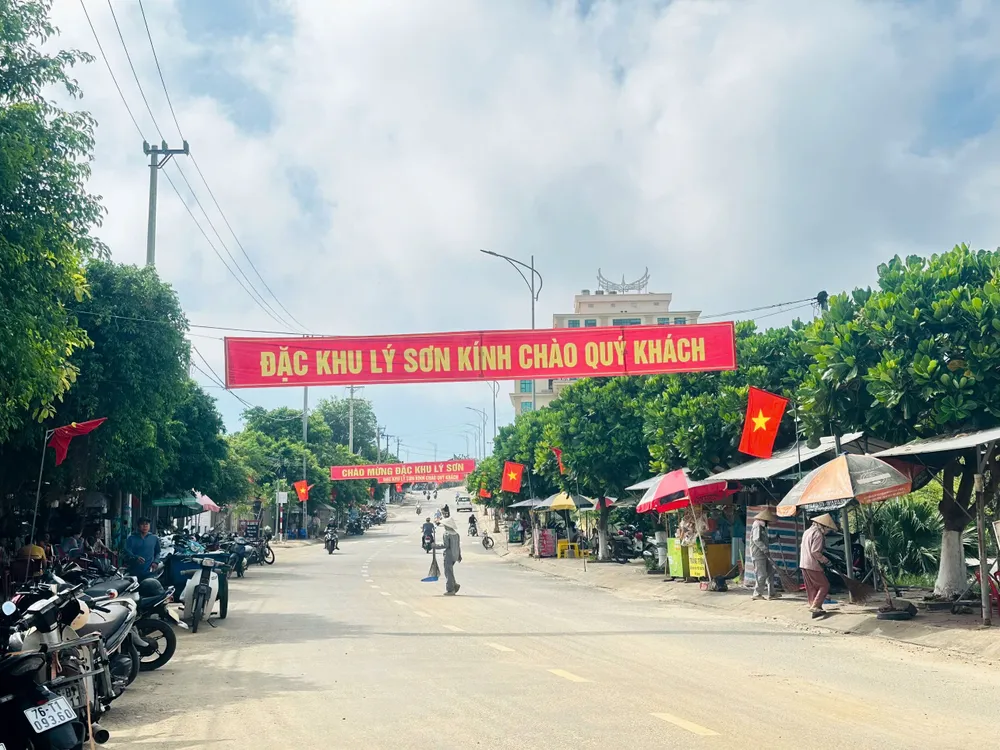
Ly Son is transforming from an "island district" into a "Ly Son Special Economic Zone," with a two-tiered local government structure effective July 1st, and continues to develop the island with the aim of becoming a national marine and island tourism center. The provincial planning for the period 2021-2030, with a vision to 2050, approved by the Prime Minister, aims to develop Ly Son into a marine and island tourism center.
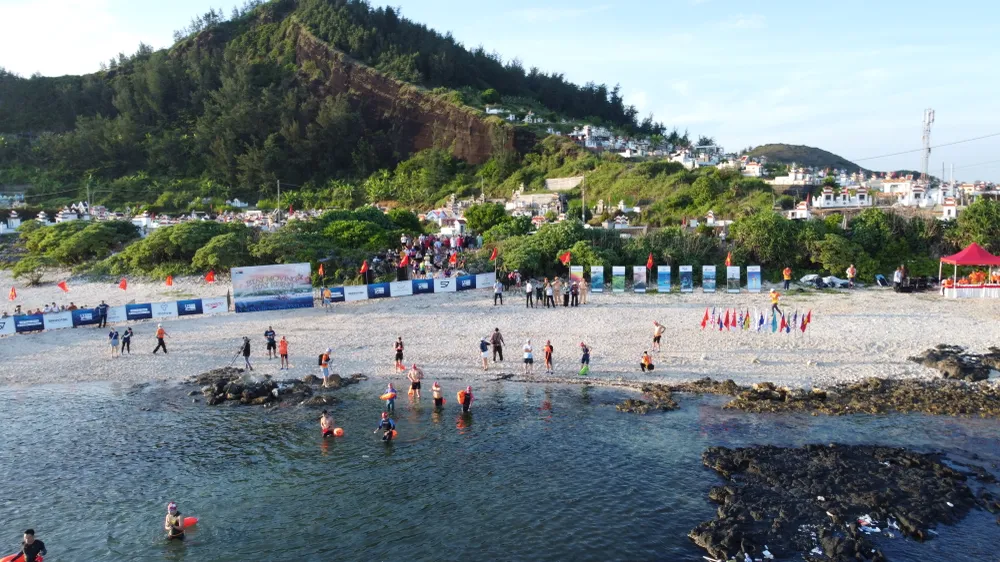
Besides leveraging its natural and cultural heritage, Ly Son has made its mark by organizing a series of cultural and sporting events to stimulate tourism. In April 2025, Ly Son will host the Ly Son Cross Island 2025 swimming competition on a national scale. In addition, there will be other activities such as the Hoang Sa Soldiers' Commemoration Ceremony, the traditional Four Sacred Animals boat race, the Vietnam Open Paragliding Precision Landing Championship, and the "Ly Son – Following the Footsteps of the Frontline" cross-country race.
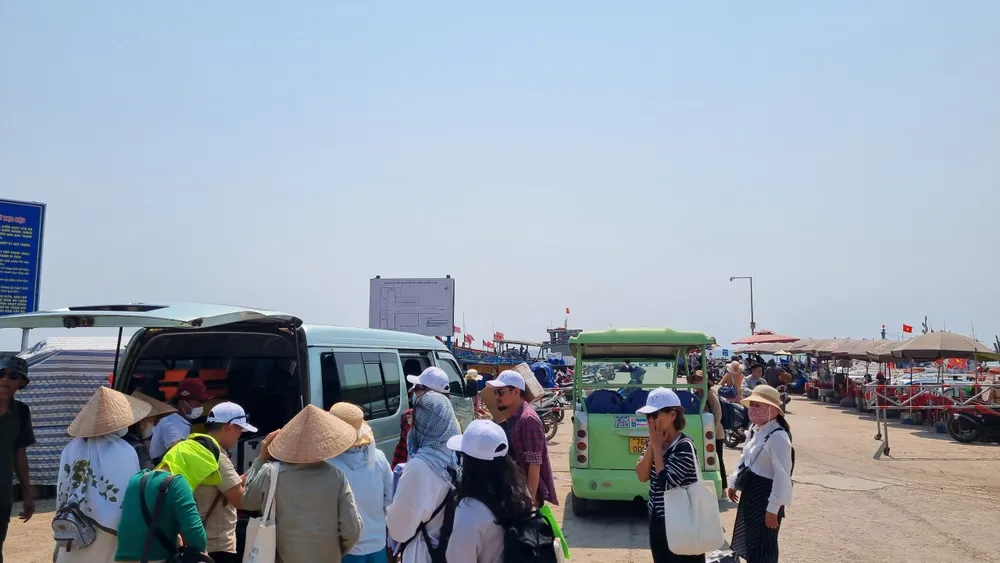
In just the first six months of 2025, Ly Son welcomed nearly 82,000 visitors, a 12.3% increase compared to the same period last year, including more than 1,170 international tourists. This positive figure demonstrates the growing appeal of island and coastal tourism in the area.
Along with infrastructure development, Ly Son now has nearly 50 homestays serving tourists, providing not only accommodation but also unique experiential activities related to the island's life, such as: a day as a farmer planting garlic on volcanic soil, a day as a fisherman harvesting seafood along the coast, fishing, preparing dishes from fish, snorkeling to admire coral reefs, etc., helping tourists discover the beauty of the island and its local culture.
Mr. Nguyen Minh Tri, Secretary of the Ly Son Special Economic Zone Party Committee, stated: "The development orientation for tourism in Ly Son is to develop the economy with tourism as the central focus. Most importantly, the special economic zone government will be more proactive in transforming people's perceptions, especially their thinking about tourism development within the community. It will no longer be about propaganda, but rather about concrete activities and models such as homestays, experiential tourism focusing on onion and garlic farming, and promoting specialties related to Ly Son."
In the first six months of 2025, the total value of production across all economic sectors in Ly Son is estimated at 1,300 billion VND, an increase of nearly 7% compared to the same period last year, reaching nearly 50% of the annual plan. Of this, trade and services are estimated at over 572 billion VND, an increase of 7.62%; agriculture at nearly 515 billion VND, an increase of over 7%; and industry, handicrafts, and construction at nearly 212 billion VND, an increase of 4.54% compared to the same period last year.
The agricultural sector, with its two main crops being onions and garlic, has already harvested 314 hectares of garlic during the 2024-2025 winter-spring season, yielding over 88 quintals per hectare and producing nearly 2,800 tons, a 12% increase compared to the same period in 2024.
Source: https://www.sggp.org.vn/dac-khu-ly-son-xay-dung-trung-tam-du-lich-bien-dao-quoc-gia-post802225.html

















![[Photo] Prime Minister Pham Minh Chinh holds a phone call with the CEO of Russia's Rosatom Corporation.](/_next/image?url=https%3A%2F%2Fvphoto.vietnam.vn%2Fthumb%2F1200x675%2Fvietnam%2Fresource%2FIMAGE%2F2025%2F12%2F11%2F1765464552365_dsc-5295-jpg.webp&w=3840&q=75)










































Comment (0)