

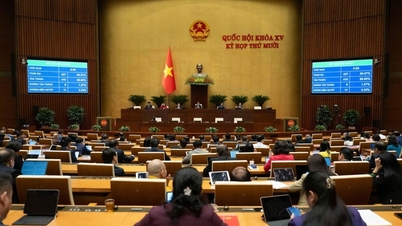
The Law on Thrift and Anti-Waste consists of 6 chapters and 38 articles, effective from July 1, 2026.
The law stipulates that checking for savings and combating waste is a regular task of agencies, organizations, and units, including the following activities: self-inspection by agencies, organizations, and units; inspection by superior agencies, organizations, and units of subordinate agencies, organizations, and units and relevant individuals; and inspection by state agencies in each area of savings and waste prevention.
The content of the inspection of thrift and anti-waste includes: the implementation of the National Strategy on waste prevention and control, the Plan for organizing the implementation of the National Strategy on waste prevention and control; the promulgation and implementation of the Thrift and anti-waste Program as prescribed in Article 13 of this Law; the implementation of the regime for reporting results of thrift and anti-waste work; the publicity of thrift and anti-waste; the implementation of standards, norms and regimes in each field as prescribed by law; the updating of the national database on thrift and anti-waste; the implementation of other regulations on thrift and anti-waste.
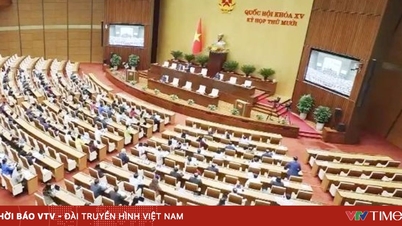
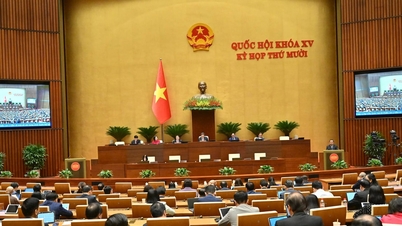
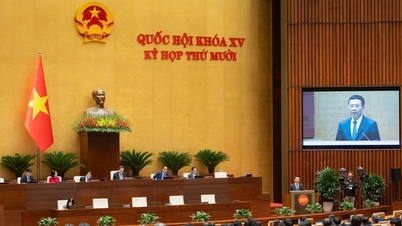
According to the Report on receiving, explaining, revising and perfecting the draft Law, the Government has reviewed, received and fully explained the concluding opinions of the National Assembly Standing Committee, opinions of National Assembly deputies, and opinions of the appraisal agency.
Accordingly, the Government has reviewed the content of the draft Law, ensuring that all provisions correctly reflect the spirit of thrift and anti-waste in the state sector as mandatory regulations and thrift and anti-waste in production, business and consumption activities of the people as regulations of encouragement and mobilization, not interfering with or managing production, business and consumption activities of the people.
The Draft Law has specified wasteful acts in Article 4, thereby clearly showing that only entities assigned to manage state resources (public assets, public finance, resources, energy, etc.) will be handled when they commit wasteful acts when managing and using these resources.
In response to comments from the Economic and Financial Committee, the Government has reviewed and revised the concept of "waste" in Clause 2, Article 3 of the draft Law to be consistent with Instruction No. 63-HD/BCĐTW and to further clarify the relationship between "waste" and "wasteful behavior" stipulated in this Law.
Accordingly, the concept of "waste" serves as the basis for detailing "wasteful acts" in this Law, and wasteful acts are those specifically defined in this Law (acts not specifically defined in this Law are not considered wasteful acts).
In addition, the concept of "saving" has been broadened to include "using within the prescribed limits, standards, and regulations but exceeding the set targets," encompassing cases that can be identified as saving based on an assessment of operational efficiency.
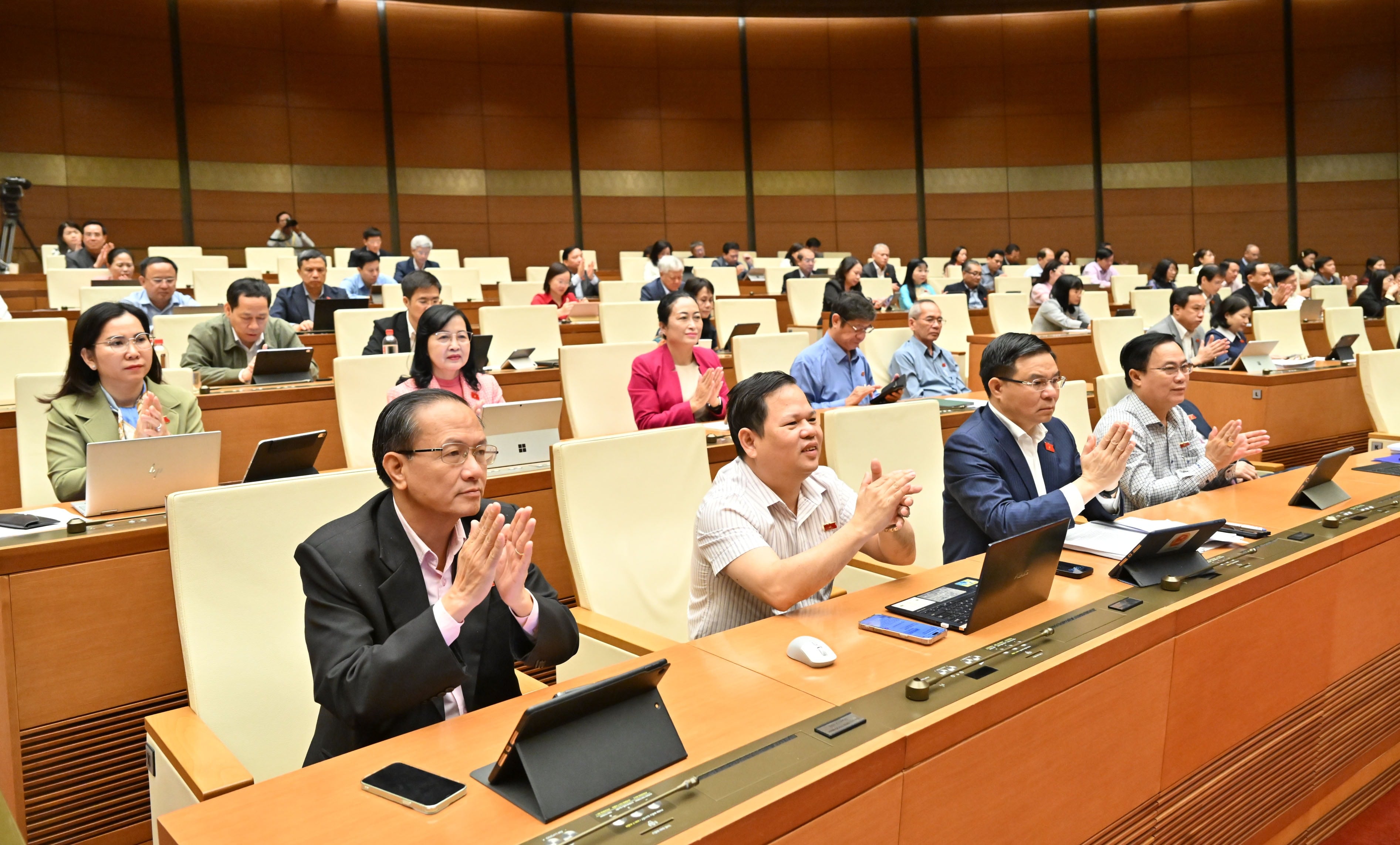
The draft law proposes choosing May 31st each year as "National Day for Saving and Combating Waste," based on the date of the article "What is Saving?" published in the Cuu Quoc newspaper (May 31, 1949), in order to spread President Ho Chi Minh's ideas on saving and combating waste, contributing to building a culture of saving throughout society.
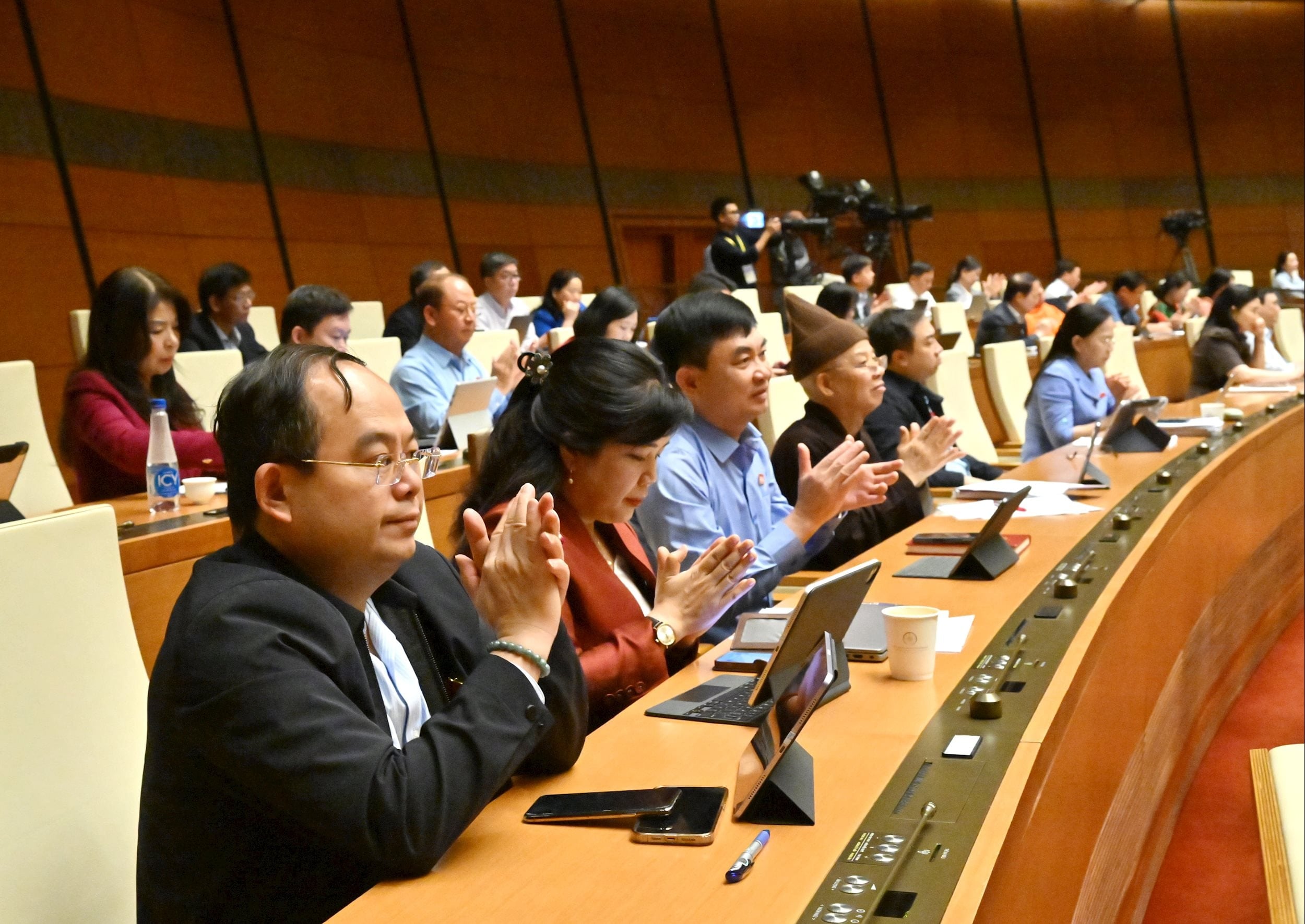
The provision in the draft Law to launch and maintain the annual "National Day of Saving and Anti-Waste" is necessary, contributing to making the practice of saving and anti-waste become "voluntary", "self-conscious", "daily food, water, clothes" as mentioned in the article "Practicing Saving" by General Secretary To Lam.
Source: https://daibieunhandan.vn/ngay-31-5-hang-nam-la-ngay-toan-dan-tiet-kiem-chong-lang-phi-10399872.html













































































Comment (0)