


In 1965, answering the call of the Fatherland, the village school teacher from Hung Yen province packed his bags and went to the battlefield in Zone B - the Truong Son Command - Ho Chi Minh Trail (formerly known as Unit 559). He entered the battlefield as an engineering soldier on the fierce Truong Son Trail.
In late 1967, due to declining health, he was considered for a position as a reporter for the newspaper "Truong Son Steel and Iron" - later upgraded to "Truong Son" newspaper.
Hoang Kim Dang became one of the first journalists of the "Truong Son" newspaper, along with Lieutenant Cao Can, who served as Editor-in-Chief, and three reporters: Hoang Kim Dang, Pham Thi Ngoc Hue, and Nguyen Vinh Phuc, who specialized in illustration.
He recounted that the newspaper's editorial office back then consisted of only a small shack and a bomb shelter, but the location constantly changed depending on the demands of the war. Without the technical means to print photos, reporters had to write articles and draw illustrations on tracing paper before sending them to the printer.
But during that period, although not published regularly, the "Truong Son Steel" newspaper still published fairly consistently, 1-2 issues per month with a circulation of over 1,000 copies to distribute to company-level units, providing valuable information to soldiers on the front lines. It wasn't until 1969, when the "Truong Son Steel" newspaper changed its name to "Truong Son" newspaper, that it began to be printed using typeface.
Journalist Luc Van Thao (at that time the Head of the Military Department of the "People's Army" newspaper, assigned to Truong Son) became the first and only Editor-in-Chief of the Truong Son newspaper.

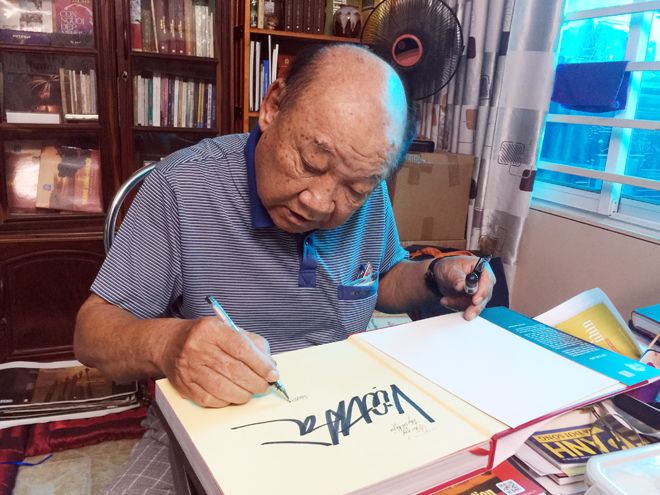
Journalist and photographer Hoang Kim Dang.
Despite the harsh conditions of wartime journalism, the Truong Son newspaper was truly cherished by the soldiers. For journalist Hoang Kim Dang, those were memorable years in his life.
From the moment he was assigned to work in journalism, realizing that his writing skills were only "average," Hoang Kim Dang thought about learning photography.
He sought out experienced battlefield photographers to learn from, and then studied painting to gain a better understanding of light and composition.
For 10 years, he was deeply involved in the Trường Sơn battlefield, working as a war correspondent, venturing into the war zone to write breaking news reports and taking thousands of photographs of Trường Sơn.
One of his most notable works is a photograph of four combat engineers on duty amidst the majestic Trường Sơn mountain range, with a makeshift pontoon bridge they built themselves in the background. This photograph embodies the resilience and creativity of soldiers under harsh wartime conditions.
Recounting the circumstances surrounding the photograph's creation, photographer Hoang Kim Dang said: "That afternoon, while marching deep into the battlefield with my comrades, I encountered a group of engineering soldiers happily walking together back to the regimental headquarters after a morning of enthusiastically breaking rocks and building roads."
After the workday, despite my calloused and bleeding hands, I saw the joy, optimism, and confidence in the bright smiles of the soldiers, and I pressed the shutter button with overwhelming emotion.” He placed the image of the four combat engineers in the frame against the backdrop of the majestic Truong Son mountain range, with the temporary pontoon bridge recently built by the 30th Regiment in the background.
In 1974, when he transferred to work at the Literature and Arts newspaper, he handed over his valuable photographs of the battlefield to the Truong Son Command. Photographs such as "The Ho Chi Minh Trail in Campaign" and "Marching Through Truong Son" are full of epic and majestic qualities, capturing historical moments and are considered precious works about Truong Son in the past.
Despite the harsh conditions of wartime journalism, the Truong Son newspaper was truly cherished by the soldiers. For journalist Hoang Kim Dang, those were memorable years in his life.

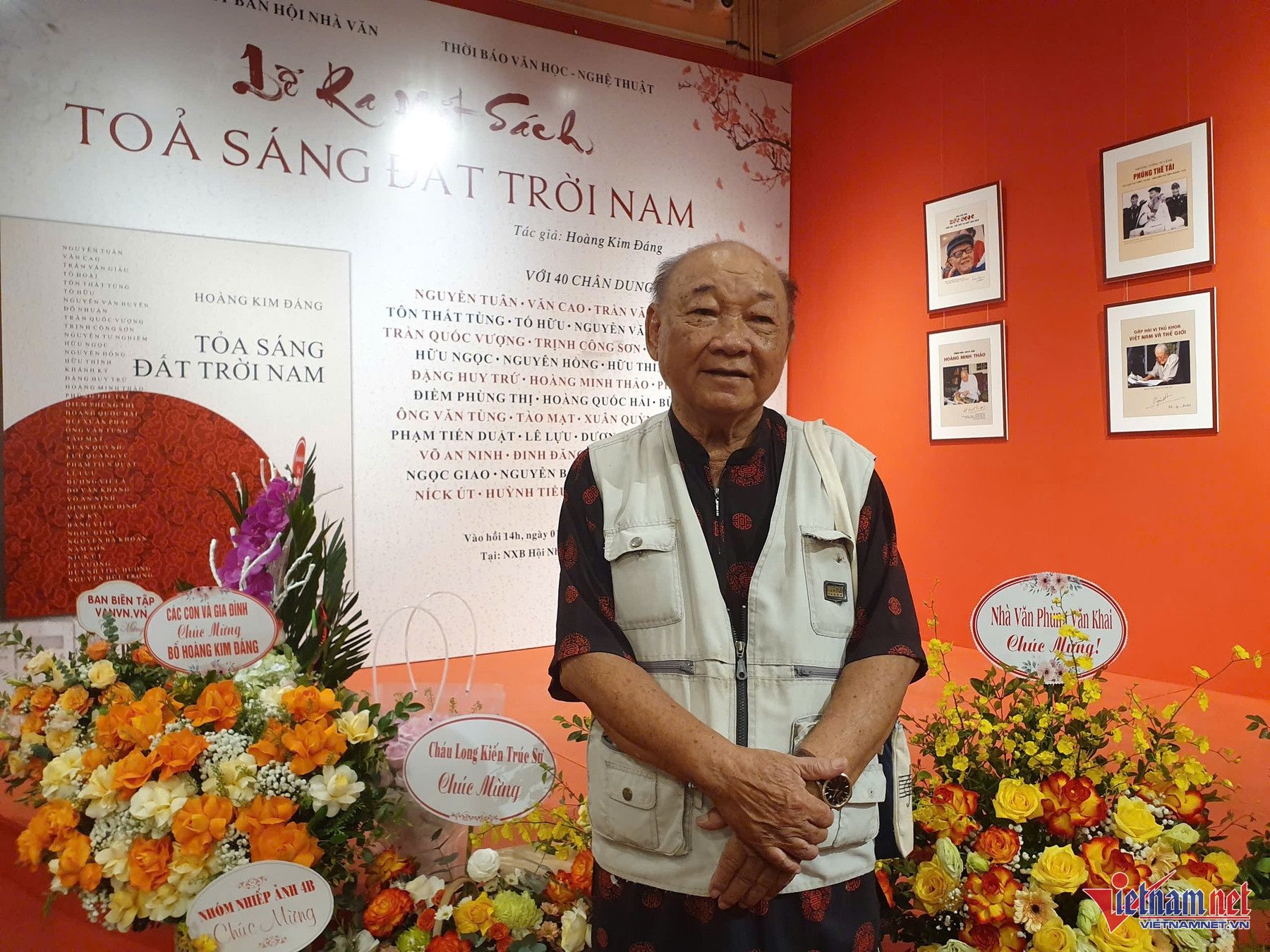
At over 80 years old, journalist and photographer Hoang Kim Dang is still publishing books.


Although he became a renowned photographer of the Truong Son battlefield, Hoang Kim Dang's name is most deeply etched in his memory from his years working at literary newspapers in Hanoi and his extensive collection of portraits of famous writers, poets, and intellectuals.
That was also the reason he chose to work at the Literature and Arts newspaper after leaving the military, because it offered many opportunities to meet writers, artists, intellectuals, etc., to learn and improve his understanding of the field he was passionate about and deeply committed to. He had the good fortune to meet the writer To Hoai and learned many valuable experiences from the great writer. He wrote in his article "Mr. To taught us how to do journalism" that: "Writer To Hoai often confided that doing journalism is like 'serving a hundred masters,' as busy as a newborn baby, but it's also fun..."
His journalistic career was closely intertwined with his photography career, capturing moments of famous people. He worked for various media outlets such as the Literature and Arts Newspaper, the Hanoi People's Newspaper, and served as Deputy Editor-in-Chief of the Photography Magazine. This gave him the opportunity to travel throughout the country, exploring and discovering the beauty of people and the land through the lens of a talented artist.

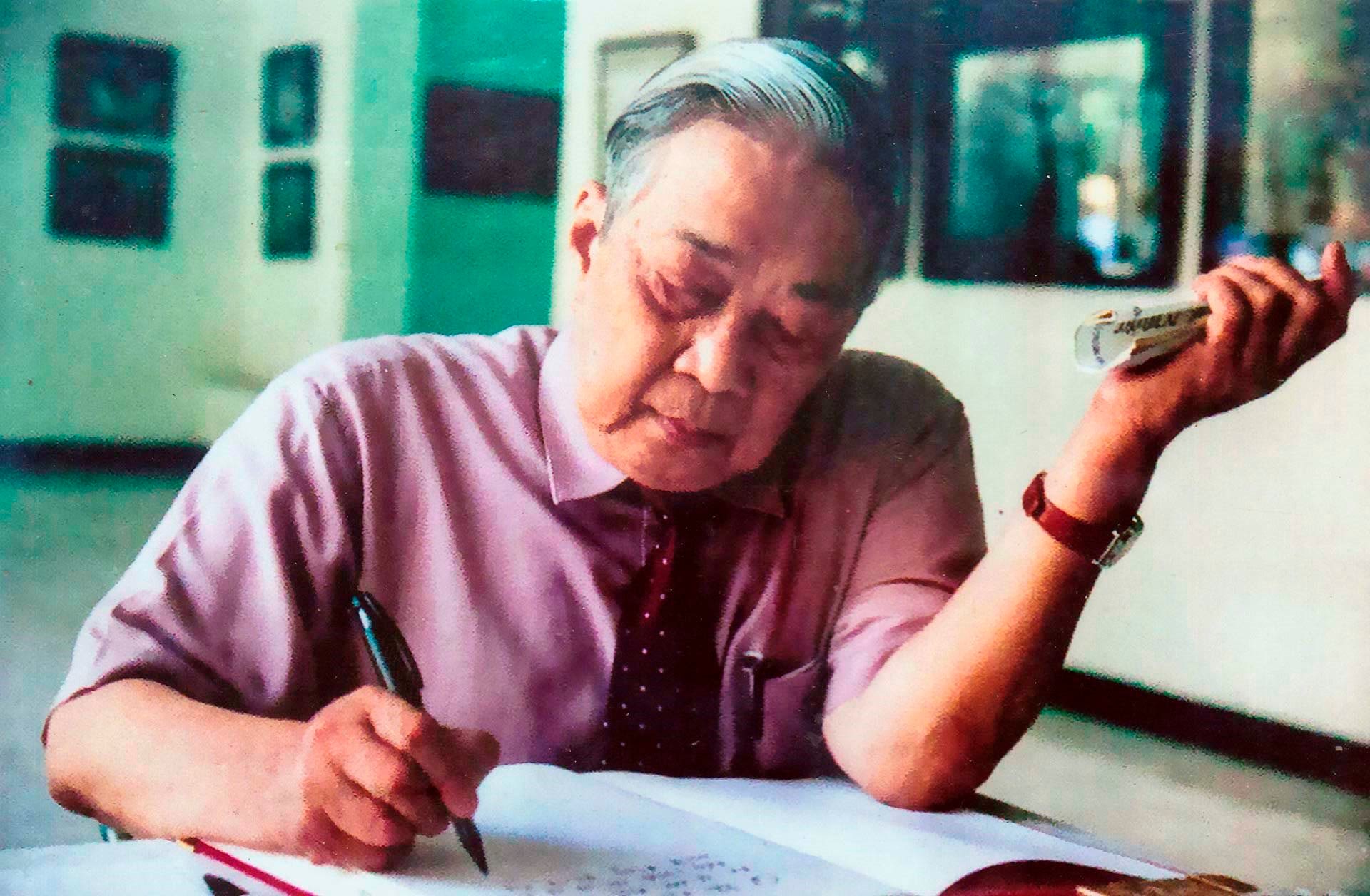
Poet Tố Hữu. (Photo: Hoàng Kim Đáng)
Therefore, Hoang Kim Dang's journalistic legacy did not fade into oblivion amidst the overwhelming amount of information. From the moment he picked up a pen and camera, he consciously preserved his work so that his articles and photographs would become a part of history, and he diligently worked on books.
He walked on two legs, simultaneously holding a camera and a pen. When photography proved futile, he wrote, and there were things that couldn't be written because the photograph spoke volumes. Therefore, his career was quite extensive, encompassing not only articles and photographic works but also research, collection, and compilation.
His writings about the country and its people are heartfelt, clear, and full of information, especially historical documents. He met, photographed, and wrote about outstanding figures of the country such as: "Meetings and Photographs of General Vo Nguyen Giap", "Writer Nguyen Tuan and the Da River", "Vo An Ninh - a towering figure in Vietnamese photography", "This Spring, Mr. Hoang Dao Thuy - a great cultural figure nearly 100 years old", "Tran Quoc Vuong and Thang Long Imperial Citadel", "Van Cao in my memory", "Meeting Professor Tran Van Giau", "Images of Professor - Academician Ton That Tung", "Playwright Tao Mat - our encounters", "Writer To Hoai at age 90"... and the only article he had was about Mr. Hai Au - the person who cared for King Ham Nghi for several decades until his last days.

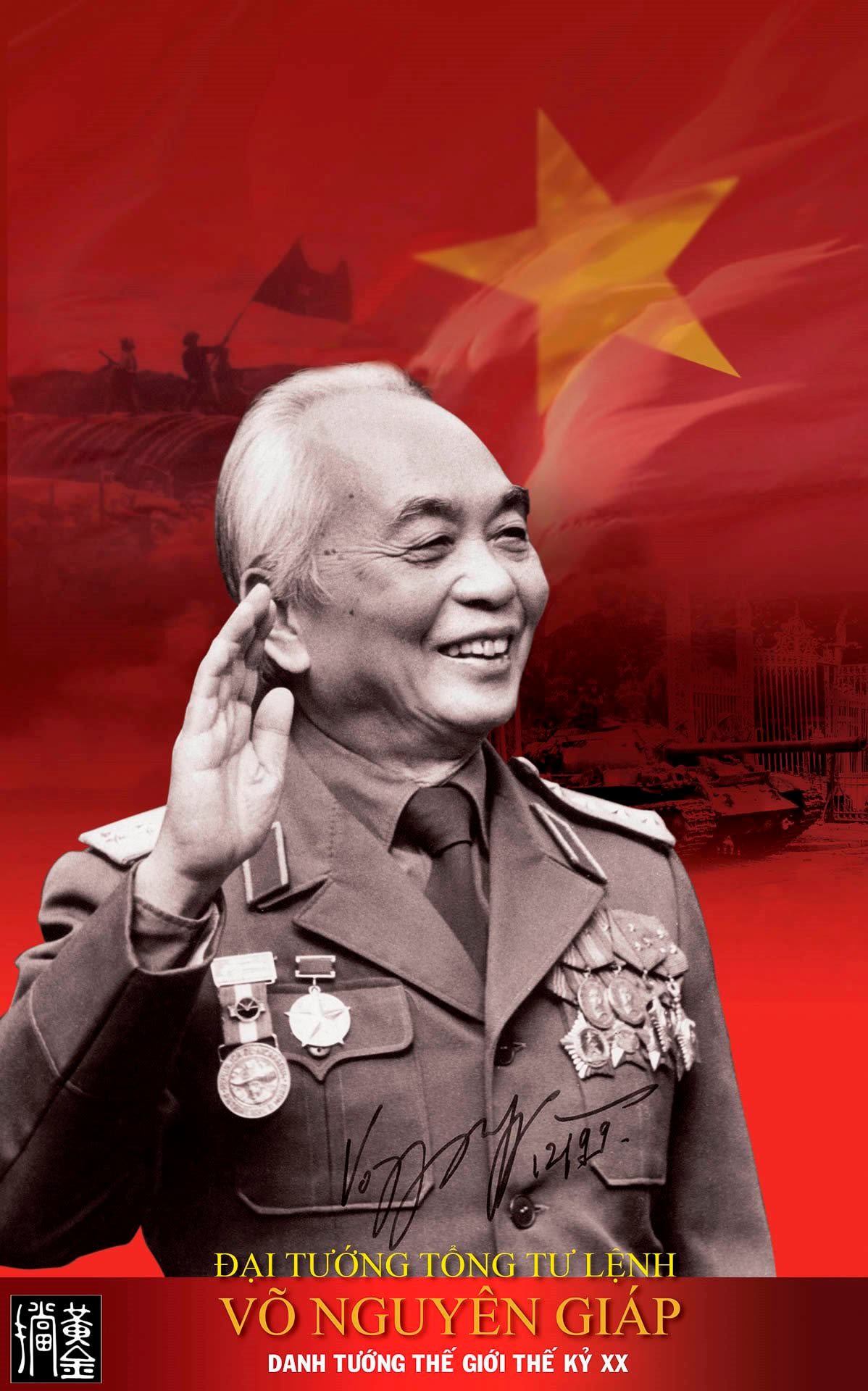
He recounted that, throughout his career as a photographer, he was particularly passionate about photographing General Vo Nguyen Giap (whom he called a "military general," while the writer Nguyen Tuan was considered a "literary general"). Although he didn't meet the General often, he was fortunate enough to capture two images of the "elder brother" of the Vietnamese People's Army. One of them, taken in 1991, shows the General raising his hand to greet everyone – one of the most frequently used portraits of the General.
When the photo was shown to the General, he liked it very much and signed it. The General said: “This precious photo has turned out to be wonderful. If anything happens to me, this image of me bidding farewell to the Vietnamese Fatherland, the Vietnamese people, and the people of the world will allow me to depart peacefully.” As for journalist and photographer Hoang Kim Dang, “This photo is the most precious asset in my life as a journalist and photographer.”

The photograph of General Vo Nguyen Giap is the most precious asset in my career as a journalist and photographer.
---Photographer Hoang Kim Dang---
Each character in Hoang Kim Dang's memoirs has their own destiny, personality, virtues, and strong will. Some characters he follows throughout their careers, such as the memoir "The 80s of Photographer Trinh Hai," which leaves much to ponder about the enthusiastic work ethic and contributions of elderly people.

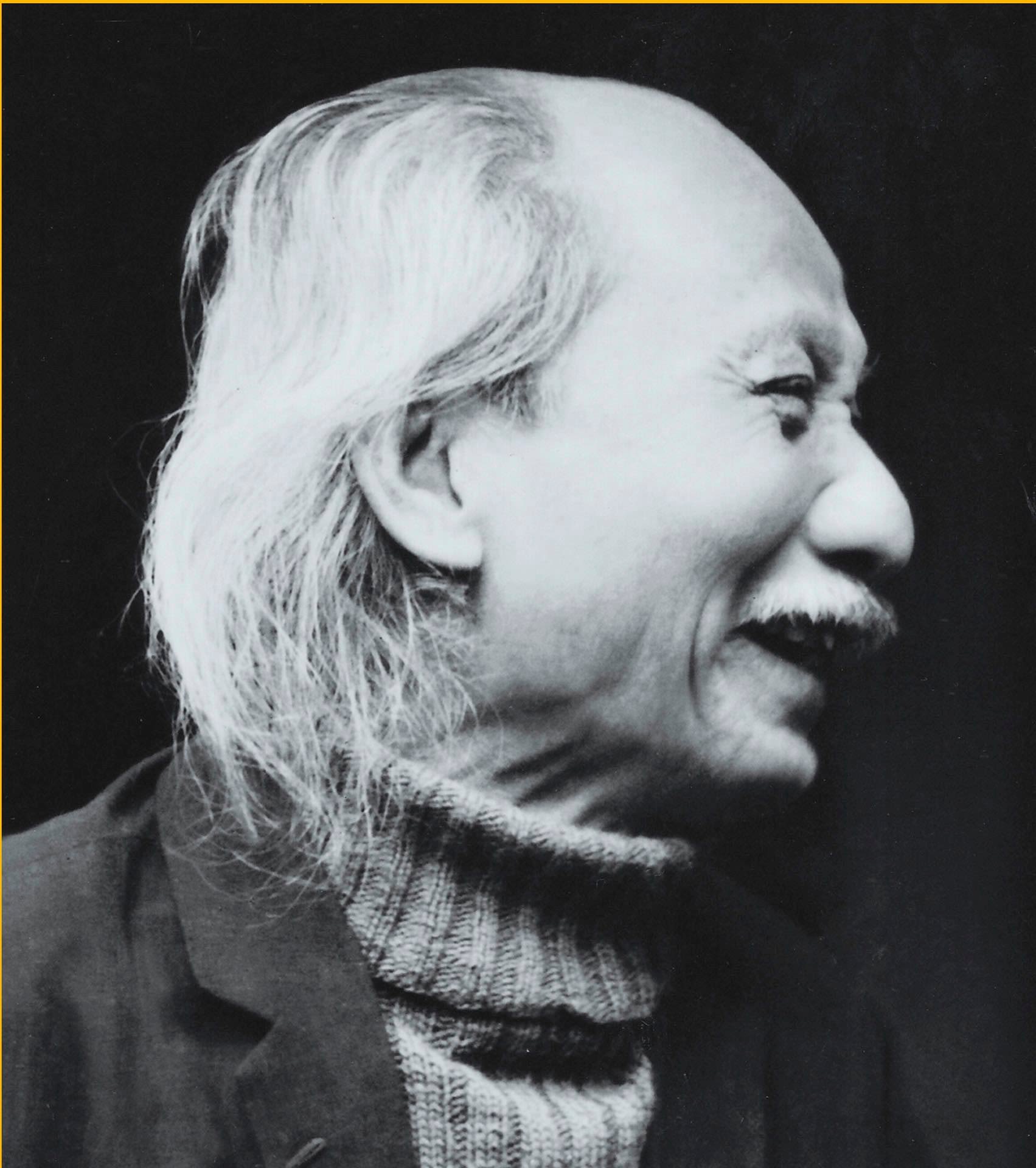
Writer Nguyen Tuan. (Photo: Hoang Kim Dang)
He confided, "I entered the field of journalism by first using a pen. After a while, I tried combining these two weapons like brothers in a family. When writing, I felt the need for visual evidence, so I immediately grabbed a camera and took pictures. When I found writing more comfortable with the camera, I switched back to using a pen. These two weapons, these two forms of language, complement each other, giving journalists a great advantage."
It can be said that this combination also enriched his journalistic legacy. In every position he held, he left his mark through his contributions and dedication.
During his time as an editor and photojournalist at the Literature and Arts Newspaper, he took many portraits of famous writers, poets, and artists. These works not only captured images but also conveyed the spirit and soul of the subjects, becoming valuable resources for Vietnamese literature and art. Later, when he was invited to be the first Editorial Secretary of the Hanoi People's Newspaper (in 1980), founded and edited by writer To Hoai, he contributed to building and shaping the newspaper's style, deeply reflecting the cultural and social life of the capital city.
Hoang Kim Dang's contributions to these two newspapers not only demonstrated his talent and dedication but also played a significant role in documenting and celebrating the cultural and artistic values of Vietnam.
He advised young people that journalism must be creative in reflecting the realities of life in order to benefit the country, the nation, and humanity. In particular, journalists must direct their pens towards highlighting good people and good deeds.
He cited an example from an article and photos he had recently taken about a woman who buried nearly 30,000 fetuses in Ly Nhan, Ha Nam. He said that this woman was not well-off; she cultivated nearly 3 acres of rice paddies to earn money to buy small coffins to bury the fetuses right in her own garden. "Readers who read this information will believe in the kindness in society," he emphasized.
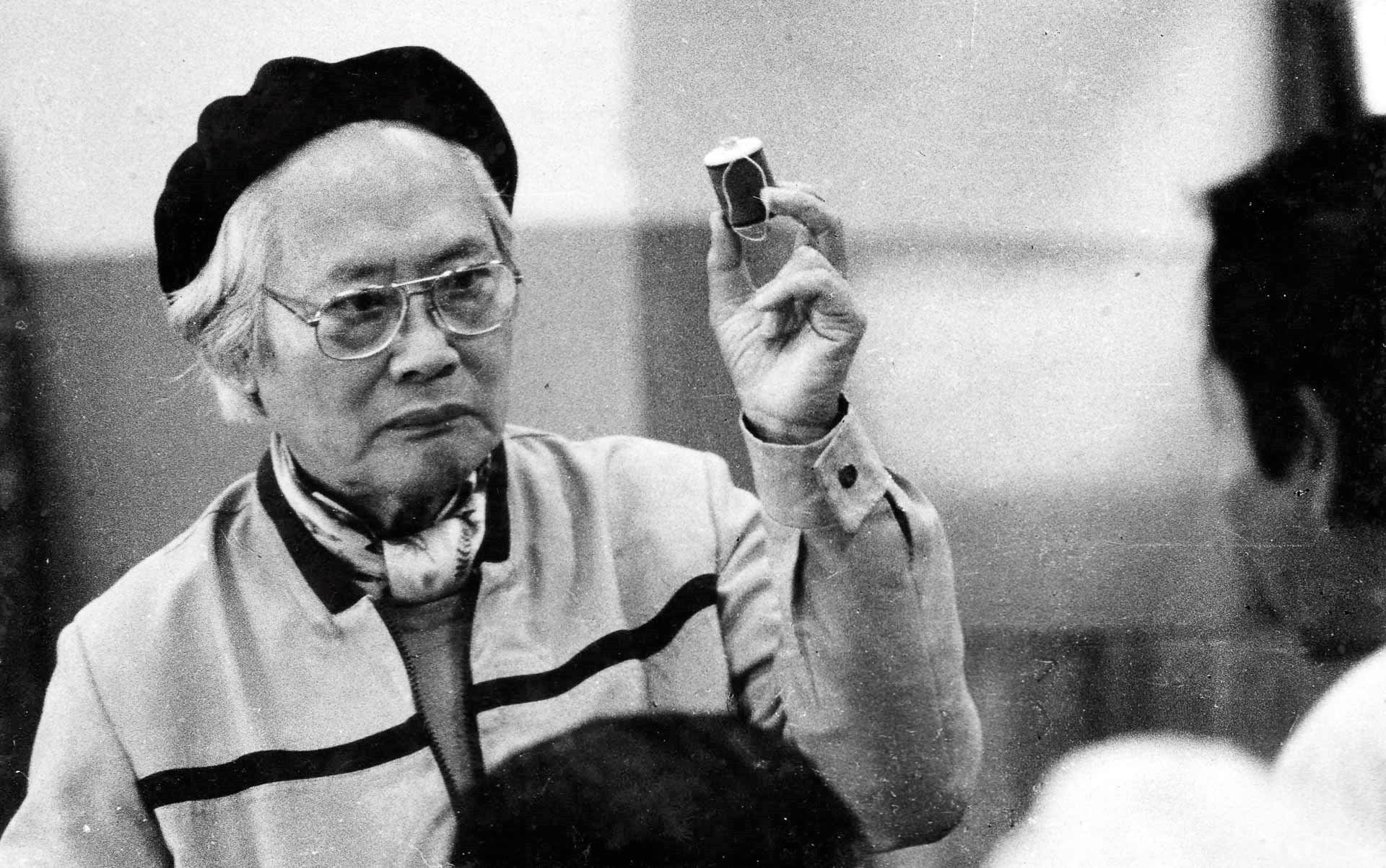
Professor, Academician Ton That Tung. (Photo: Hoang Kim Dang)
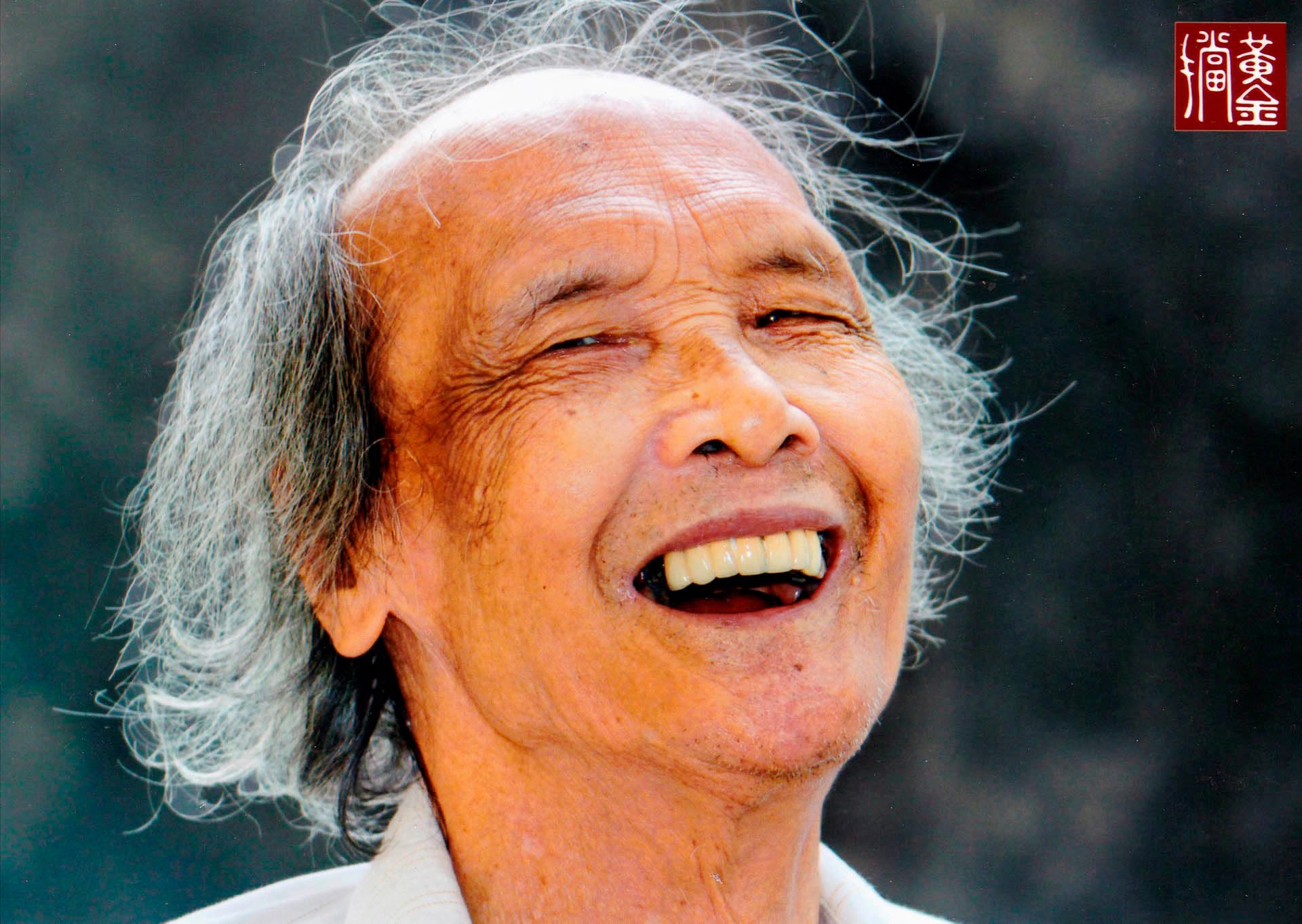
Writer Ong Van Tung. (Photo: Hoang Kim Dang)
In his small house on the breezy banks of the Red River, journalist and photographer Hoang Kim Dang continues to work diligently, pursuing his projects… With the mindset of “as long as I live, I will publish books,” the accumulated knowledge from his life as a journalist and photographer has left him a valuable legacy, and he wants to continue preserving that legacy for future generations…
Journalist and photographer Hoang Kim Dang was born in 1942 in Chinh Nghia commune, Kim Dong district, Hung Yen province. He worked for several newspapers such as Truong Son Newspaper, Van Nghe Newspaper, Nguoi Ha Noi Newspaper, Vietnam Photography Magazine, and The World of Photography Magazine, and also worked at the Central Ideology-Culture Department (now the Central Propaganda Department). He is the author of books such as: The Pioneer, Poetry and Life, Kazit and Friends, Hoi An Ancient City, Pho Hien History and Culture, Vietnamese Art Photography Book, Portraits of Vietnamese Culture… The Glory of Vietnamese Art Photography, Shining Light on the Southern Land… In addition, he is also the editor of several notable books such as “Ho Guom - Hanoi - Vietnam - 2000” commemorating the 900th anniversary of Thang Long-Hanoi. Particularly, the book “Thang Long-Hanoi through Images,” published in 2010, was praised by General Vo Nguyen Giap as an artistic work that quite realistically reflects the development of the ancient capital of Thang Long and the modern capital of Hanoi over 1000 years… He was awarded the Glorious Soldier Medal, the Third Class Liberation Medal, and the First Class Resistance Against America Medal.

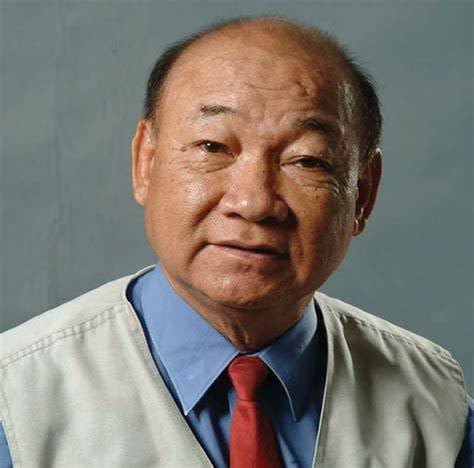
Journalist and photographer Hoang Kim Dang.
Source: https://special.nhandan.vn/Nha-bao-Hoang-Kim-Dang-Nguoi-luu-giu-nhung-ky-uc-cua-thoi-dai/index.html





























































Comment (0)