

Based on current consumption levels, Vietnam's gas demand is projected to increase by an average of 12% annually and triple by the mid-2030s. This places significant pressure on the energy sector, especially given the substantial decline in domestic supply from existing gas fields, which has decreased by 25% over the past five years.

Increased production for export fuels Vietnam's rising energy demand.
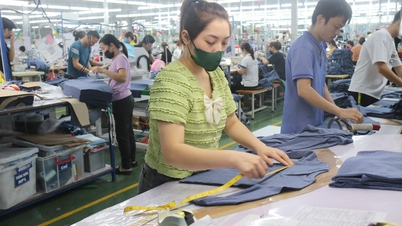
According to data from Wood Mackenzie, manufacturing accounts for over 80% of Vietnam's export turnover, and Vietnam has shifted to a trade surplus since 2012, with export rates increasing significantly in recent years. According to experts from Wood Mackenzie, manufacturing is one of the main reasons driving Vietnam to achieve this trade surplus.
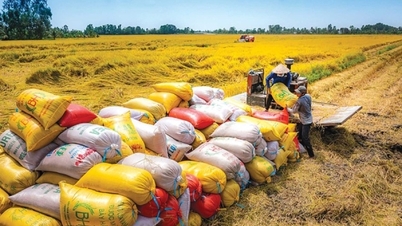
Furthermore, the data also shows that Vietnam's main export markets include ASEAN, the EU, Japan, South Korea, China, the US, and several other regions. This diversity in trade relations underscores the role of international partners in maintaining trade flows and boosting exports. At the same time, this also contributes to Vietnam's increasing energy demand.
A report by Wood Mackenzie forecasts that Vietnam's natural gas demand will not only increase sharply in the 2030s but will continue to grow steadily until 2050. The power sector is predicted to remain the largest consumer of natural gas, with 14% of electricity production expected to be supplied by natural gas by 2030, accounting for a large portion of energy demand. By 2050, the power sector will still be the largest consumer of natural gas, maintaining a stable electricity supply for the entire country.
Furthermore, the development of the industrial and fertilizer sectors has also contributed significantly to the increased demand for natural gas, especially as these sectors continue to expand.
Source: https://thanhnien.vn/nhu-cau-ve-khi-dot-cua-viet-nam-du-kien-tang-gap-ba-lan-vao-nam-2030-185240918192926753.htm











































































Comment (0)