

In an attempt to salvage the collapse of the "Limited War" strategy, the US decided to launch the second bombing campaign against North Vietnam (from April 6 to December 29, 1972) on a larger scale, with greater brutality and ferocity. Quang Ninh continued to be a key target of intense enemy attacks. Determined to defeat the American invaders, the army and people of Quang Ninh united and fought tenaciously, shooting down many American aircraft, providing manpower and resources to the southern front, and contributing to the nationwide defeat of the US bombing campaign.
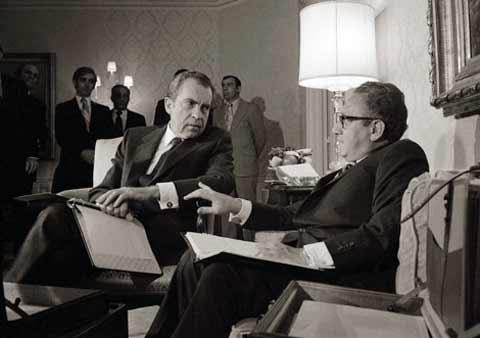
During the first air war of destruction (1964-1968) against North Vietnam, the US imperialists suffered a series of heavy defeats. Over those four years, North Vietnamese air defense forces shot down 3,243 aircraft and sank or destroyed 143 US warships.
In early 1972, our strategic offensive in the South shattered the enemy's basic outer defensive line in key areas. Faced with this situation, on April 6, 1972, the administration of President Richard Nixon launched the second air and naval bombing campaign against North Vietnam, beginning with Operation Linebacker I.
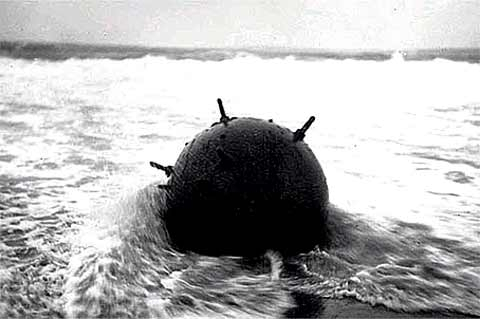
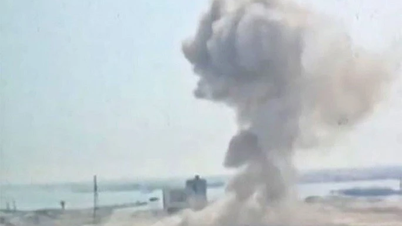
In Operation Linebacker I, the US used its air and naval forces to launch massive attacks on military and economic targets, transportation systems, dikes, and residential areas from Vinh Linh to Hanoi, Hai Phong, Lang Son, Quang Ninh, etc., while simultaneously dropping thousands of mines and magnetic mines to blockade seaports, river mouths, and nearshore areas in the Gulf of Tonkin. With the intention of destroying the industrial production of North Vietnam and cutting off support to South Vietnam, the US imperialists frantically mobilized their air and naval forces to attack the mining region. From May to October 1972, the US dropped mines and magnetic mines to blockade the ports of Hon Gai, Cam Pha, Cua Ong, and Mong Cai.
In particular, from December 18 to 30, 1972, American aircraft continued to bomb Quang Ninh in 22 raids, dropping 201 bombs of various types on 45 locations, while also continuing to lay mines to blockade sea routes. The total amount of bombs and ammunition dropped on Quang Ninh (from May 10 to December 30, 1972) was equivalent to 40% of the bombs and ammunition dropped during the first bombing campaign in the province, killing hundreds of people and injuring many others. Over 6,000 houses collapsed or were severely damaged, nearly 200 machines, equipment, cars, canoes, boats, ferries, and barges were destroyed, 6,000 square meters of road surface, 2,500 cubic meters of roadbed, nearly 2,000 meters of railway, and 12 bridges were severely damaged. The areas and units of Hong Gai, Uong Bi, Ha Tu, Cua Ong, Mong Duong, Coc 6, and Vang Danh were completely destroyed by the enemy; not a single house, school, or factory in the mining region escaped the American bombing.
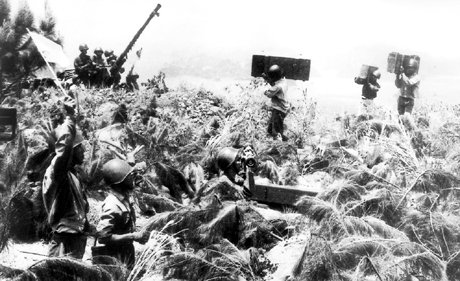
Lieutenant Colonel Truong Phuc Lam, former Head of the Economic Security Protection Department (Provincial Police), said: Unlike the first bombing campaign by the Johnson administration, this time the US mobilized a larger force, launching a massive attack from the outset with many new or improved aircraft and weapons. The targets of the US bombing in Quang Ninh at that time were factories, ports, and enterprises. Five of my comrades were killed in action, but we were not discouraged; instead, we transformed our hatred into fierce resistance.
In response to the escalating and frenzied bombing by the American enemy, and adhering closely to the directives of the Central Committee, based on the practical situation in the locality and accurate forecasts, before the destructive US air force attack, the Provincial Party Standing Committee dispersed the population from key areas. At the same time, they focused on shifting the focus from primarily serving peacetime economic development to serving combat, while still ensuring all production requirements were met; evacuating factories, workshops, and stabilizing production; and safely storing important machinery and equipment that were not yet in use.
Colonel Phung Ngoc Hung, former reconnaissance officer of the Northeast Military Region, Regiment 244, who took over the mining area, stated: "Quang Ninh has effectively utilized its combined strength, organizing local armed forces to closely coordinate with the main army units, and fighting bravely in unity. The proactive and creative approach in organizing production to meet national needs and the tenacious fighting spirit of the people and soldiers of Quang Ninh have further affirmed that the people's war strategy is the pinnacle of Vietnamese military art."
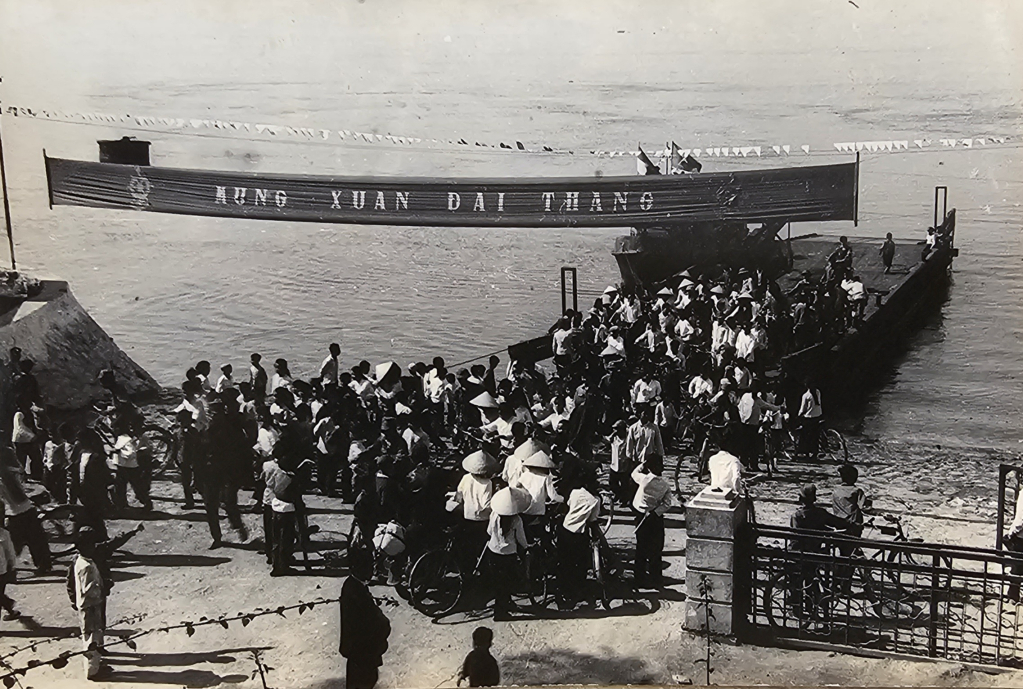
With a spirit of unwavering determination, the people and soldiers of Quang Ninh unleashed a storm of hatred upon the invading forces. From May 10th to December 30th, 1972, the people and soldiers of Quang Ninh bravely fought 1,418 battles, shooting down 27 American enemy aircraft. On December 24th, 1972, the people and soldiers of Ngoc Vung island commune shot down an F4, the 200th and final American aircraft shot down over Quang Ninh. Faced with this irreversible defeat, at 7:00 AM on December 30th, 1972, Richard Nixon had to declare a temporary halt to bombing raids on North Vietnam north of the 20th parallel. Including both bombing campaigns, the people and soldiers of Quang Ninh, united and courageous, contributed to shooting down 200 aircraft, including 170 shot down during the first bombing campaign, damaging many others, and capturing many enemy pilots.
The human and material contributions of the army and people of Quang Ninh played a crucial role in preventing the destructive war waged by the American imperialists from "returning the North to the Stone Age," and instead led to their disastrous defeat. Not only were they resilient in combat, but the workers, farmers, and other laborers in the province also maintained production levels, upgraded 117km of roads to ensure smooth transportation, and promoted labor emulation movements, making significant contributions to the great victory and national reunification.
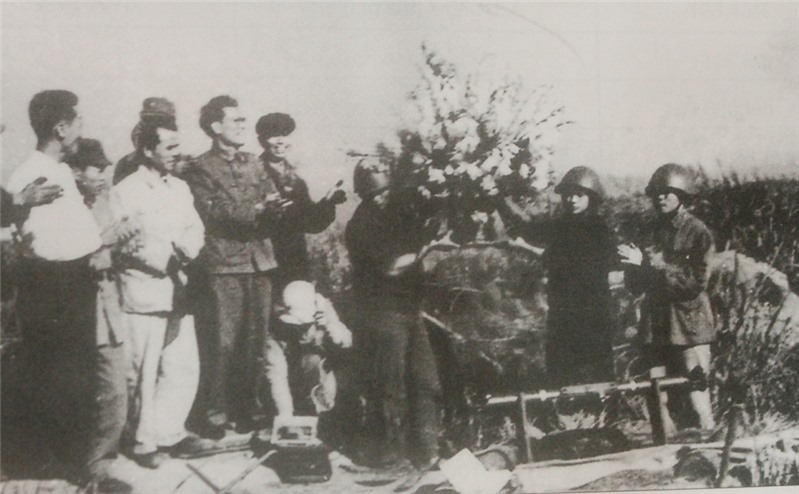
In recognition of the glorious achievements of the Quang Ninh army and people in the resistance war against the US, on the occasion of the anniversary of the August Revolution and National Day on September 2nd, 1973, Quang Ninh was awarded the prestigious Second Class Resistance Medal, the title "Hero of the People's Armed Forces" by the Party, the National Assembly, and the Government, to three units: the Hon Gai Port Self-Defense Force, the 301st Station of the People's Armed Police, and the Ha Long Bay Patrol and Control Police Team; and many other medals of various kinds to localities, sectors, and individuals with outstanding achievements in 1972.
Source
![[Photo] General Secretary and President To Lam presides over a meeting with the Central Organizing Committee.](https://vphoto.vietnam.vn/thumb/1200x675/vietnam/resource/IMAGE/2026/06/03/1780482764658_a1-bnd-4741-3342-jpg.webp)
![[Photo] First session of the 14th Congress of the Vietnam Trade Union](https://vphoto.vietnam.vn/thumb/1200x675/vietnam/resource/IMAGE/2026/06/03/1780465947883_ndo_br_img-3852-jpg.webp)


![[Photo] Secretary of the National Assembly Party Committee, Chairman of the National Assembly presides over the meeting of the Standing Committee and Executive Committee of the National Assembly Party Committee.](https://vphoto.vietnam.vn/thumb/1200x675/vietnam/resource/IMAGE/2026/06/03/1780480353201_ndo_br_bnd-2585-jpg.webp)
















































![[Video] Sunset at Lap An Lagoon – Where the sun sets over the fishing nets](https://vphoto.vietnam.vn/thumb/1200x675/vietnam/resource/IMAGE/2026/05/31/1780192137701_beach-landscape-sea-water-nature-grass-745871-pxhere-com.jpeg)



































Comment (0)