

From a lakeside commune with much untapped potential, Tien Phong is gradually becoming a prominent ecological and cultural destination, where the story of tourism development begins with the hands and aspirations of the community.
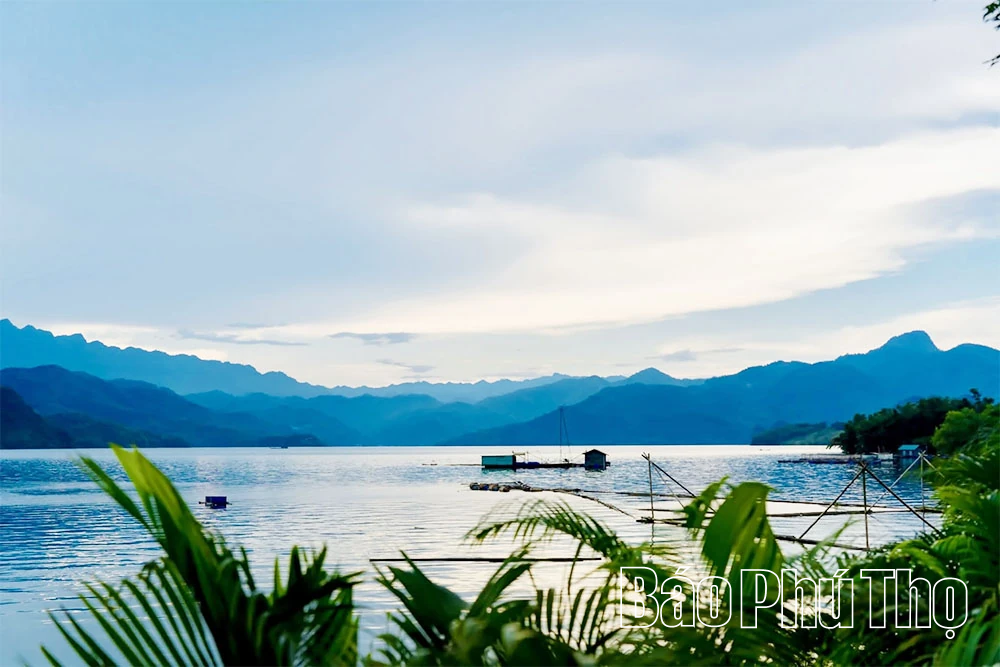
The deep blue Da River Lake in the late afternoon, where the pristine landscape becomes the foundation for Tien Phong to develop eco-tourism and resorts.
Valuable capital in the middle of the lake
From the vast Da River reservoir, Tien Phong possesses a rare landscape structure: mountain ridges falling to the water surface, a system of waterfalls, streams and streams such as the Fan waterfall and Ngoi Lao stream running deep into the forest, the lake expanding into small islands creating the wild beauty of the mountains and rivers. The temperate climate and the dense vegetation keep the space cool, especially suitable for eco-tourism and weekend getaways for urban visitors.
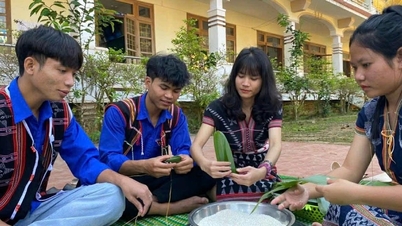
But the attraction of Tien Phong does not stop at the scenery. Along the lake is where 5 ethnic communities live together: Muong, Dao, Kinh, Tay, Thai, creating a diverse and quite original cultural layer. The Forest Opening Ceremony, Tet Nhay, Cap Sac, Muong folk songs or Dao dances are still present in daily life, making tourists come here not only to admire the scenery but also to "touch" the rhythm of life of the indigenous people.
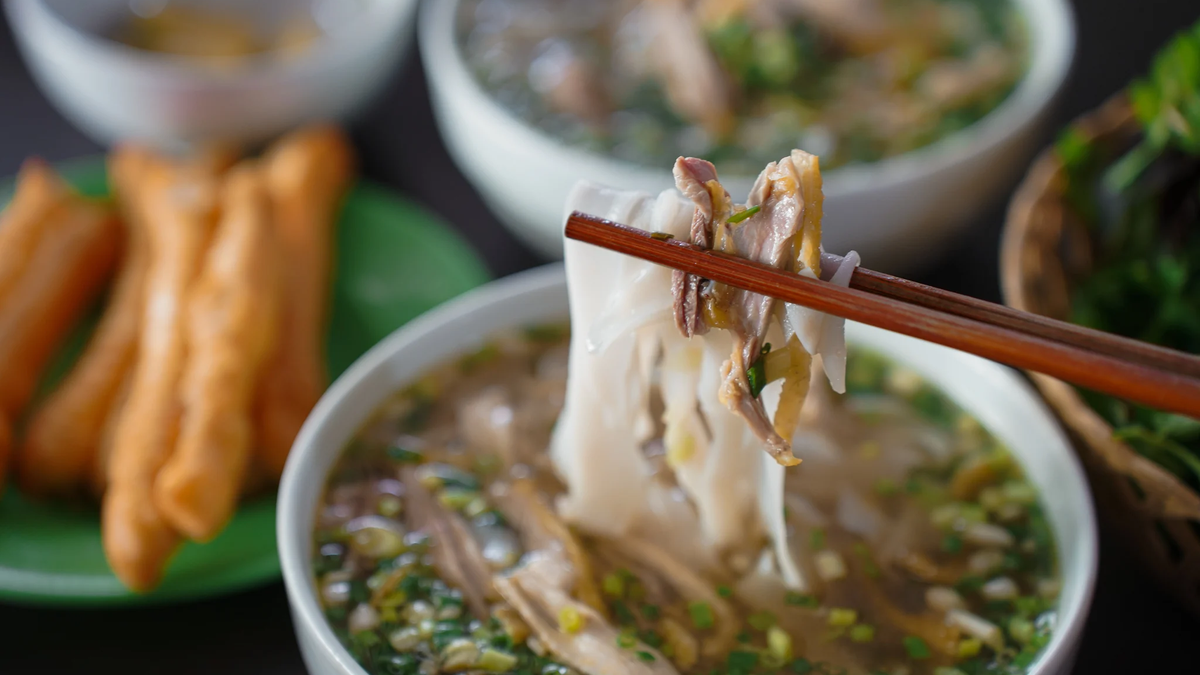
Local cuisine is also an irreplaceable advantage: five-color sticky rice, bamboo-tube rice, grilled hill chicken with mac khen, seasonal wild vegetables... And especially the fish farming in cages on the lake, with specialty fish breeds such as catfish, black carp, opening up great potential for culinary tourism, experiencing catching and enjoying fresh fish right on the raft.
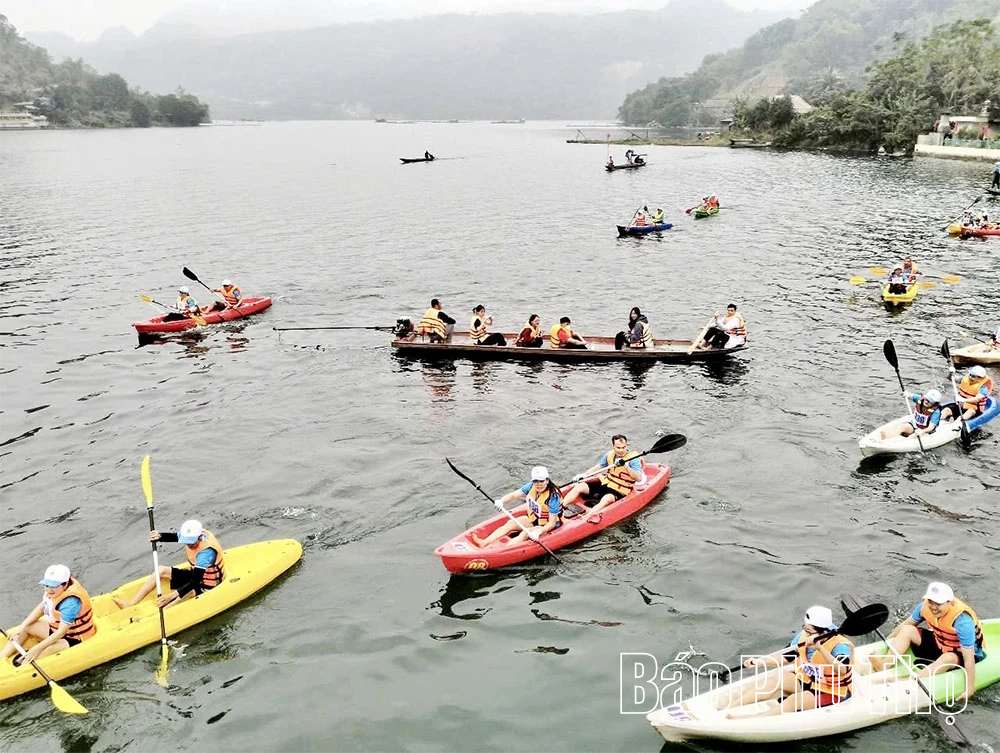
Kayaking and traditional boating activities attract a large number of tourists, opening up a direction for developing experiential tourism and sports on Tien Phong Lake.
Ms. Ban Kim Quy - Chairman of Tien Phong Commune People's Committee believes that potential can only truly become a driving force when people are at the center of the development process: "Tien Phong has its own values, but resources cannot create livelihoods on their own. We have determined to turn landscape and culture into quality tourism products, so that people can benefit and actively preserve them. Development here must be sustainable development, not trading off landscapes, not losing the identity of the community."
It is these viewpoints that form the foundation for the journey of Tien Phong "awakening": Nature is the root, culture is the soul, and people are the subject of all changes.
Paving the way
If nature gives Tien Phong a majestic backdrop, it is the people here who are painting the rest of the picture. The first thing that is easily seen is the movement from the Muong villages along the lake. In Da Bia, the ancient stilt houses are not renovated in a "projected" way, but are kept with the most ancient breath. Visitors come, sleep on wooden planks worn by the years, listen to the sound of gongs by the fire, experience "self-conscious restaurant". It is not a tourist product that is built, but a life that is preserved, and it is that authenticity that brings value.
Not far away, Mo Hem is another experiment in the spirit of association. 28 households do not need any sophisticated economic model, only a clear division of roles: Whoever has a boat will carry passengers, whoever knows how to cook will be in charge of the kitchen, whoever knows how to tell stories will be in charge of guiding the tour. One by one, they are combined into a chain of services so that tourists feel they are not just coming to rest, but to understand. And from there, the lives of many households have changed significantly.
At the same time, eco-tourism and resort models have expanded the development range of the lake area. Coconut Island - the almost legendary story of Mr. Nguyen Dinh Tuy. Twenty years ago, he chose to plant coconut trees, build houses, and preserve the wildness of the island instead of concreting it. The success of Coconut Island today is proof that perseverance and kindness to the landscape will overcome short-term calculations.
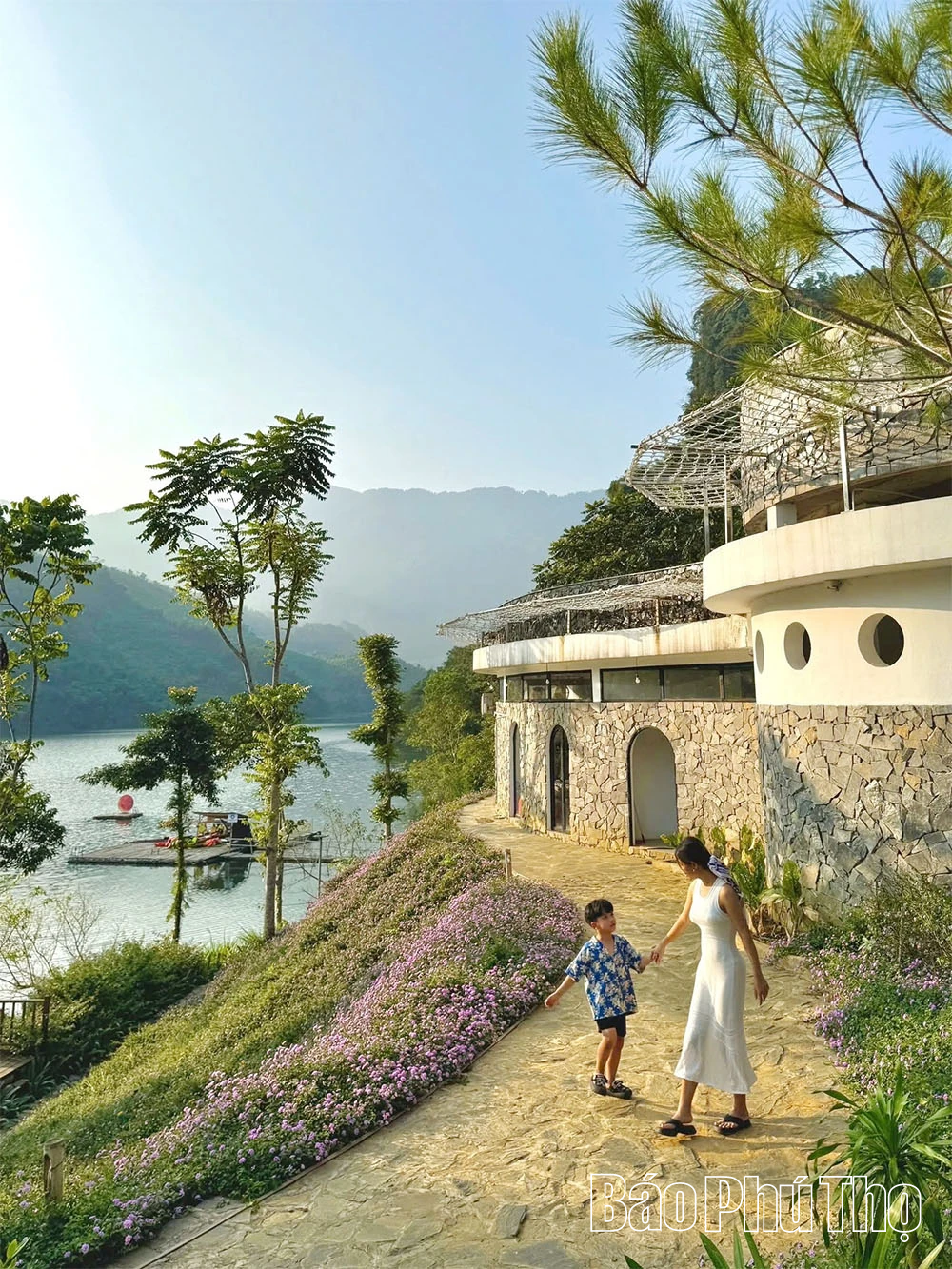
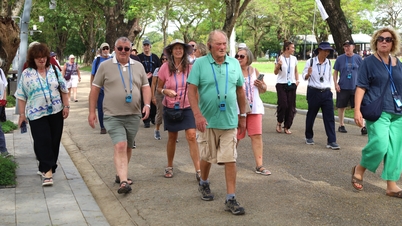
Tourists stroll on the flower path along the mountainside at Vay Ang Retreat - one of the eco-resorts contributing to changing the face of Tien Phong tourism.
Vay Ang Retreat or Mai Da Lodge also have a similar mark: not destroying nature, only relying on the tranquility of the lake and the rhythm of life of the local people. It is this "just enough" development that helps Tien Phong become a weekend retreat for many families from Hanoi - those who want to find simple peace in the mountains.
Da Giang ECO Cooperative shows a different direction: Combining production value with experience. A fish cage can be an economic product, but it can also be a story for tourists to understand the profession of people in the lake area. Three 3-star OCOP products are only the "tangible" part of success; the intangible part is how people see a new path to increase the value of their own labor.
These movements combined to create a driving force, helping Tien Phong to have more than 150,000 visitors in the period of 2020 - 2025, revenue exceeding 20 billion VND; average income reaching 40 million VND/person/year. Commune and inter-commune roads are hardened, electricity grids cover every household, service groups are naturally formed as a positive response to new needs.
However, Tien Phong still has existing limitations: the lakeside road is not synchronized, the boat dock is not organized, and the experiential products are still thin. Tourism cannot break through if it stands alone.
Therefore, 2025 is considered the year of expansion of development. Tien Phong is more proactive: Building a closed tourist route of Thac Bo Temple - Da Bia - Coconut Island - cage fish spot; developing fishing and forest agriculture experiences; linking with Ngoi Gianh, Minh Hoa, and My Lung lakes to create inter-regional tours. In parallel, there is a promotion strategy through famtrip, presstrip, digital media; and a plan to attract strategic investors in eco-community tourism.
The goal is not only to increase visitors by 20-30% in 2025 and the following years, but to create a tourism ecosystem where nature, culture and community livelihoods operate in harmony. When these movements come together, Tien Phong is not only “awakening” but is gradually shaping its position on the lake tourism map.
Tien Phong is taking the first steps on the journey to awaken a lake. But on that calm water, what matters most is not just the number of visitors or revenue, but how a community finds its future in its own values. When nature is respected and people are given a central role, every small movement can become the beginning of a great destination.
Nguyen Yen
Source: https://baophutho.vn/tien-phong-mien-ho-song-da-thuc-giac-243785.htm

![[Photo] 60th Anniversary of the Founding of the Vietnam Association of Photographic Artists](/_next/image?url=https%3A%2F%2Fvphoto.vietnam.vn%2Fthumb%2F1200x675%2Fvietnam%2Fresource%2FIMAGE%2F2025%2F12%2F05%2F1764935864512_a1-bnd-0841-9740-jpg.webp&w=3840&q=75)

![[Photo] National Assembly Chairman Tran Thanh Man attends the VinFuture 2025 Award Ceremony](/_next/image?url=https%3A%2F%2Fvphoto.vietnam.vn%2Fthumb%2F1200x675%2Fvietnam%2Fresource%2FIMAGE%2F2025%2F12%2F05%2F1764951162416_2628509768338816493-6995-jpg.webp&w=3840&q=75)




























































Comment (0)