

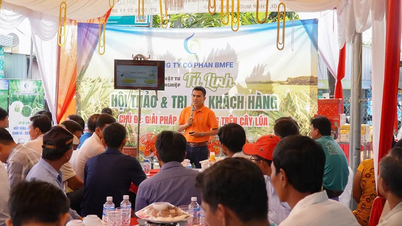
Vice Chairman of the People's Council of Ho Chi Minh City Nguyen Truong Nhat Phuong said at the scientific workshop "Operating the 2-level local government model: Current situation in Ho Chi Minh City and solutions" organized by the People's Council of Ho Chi Minh City in coordination with Ho Chi Minh City National University on the morning of December 5.
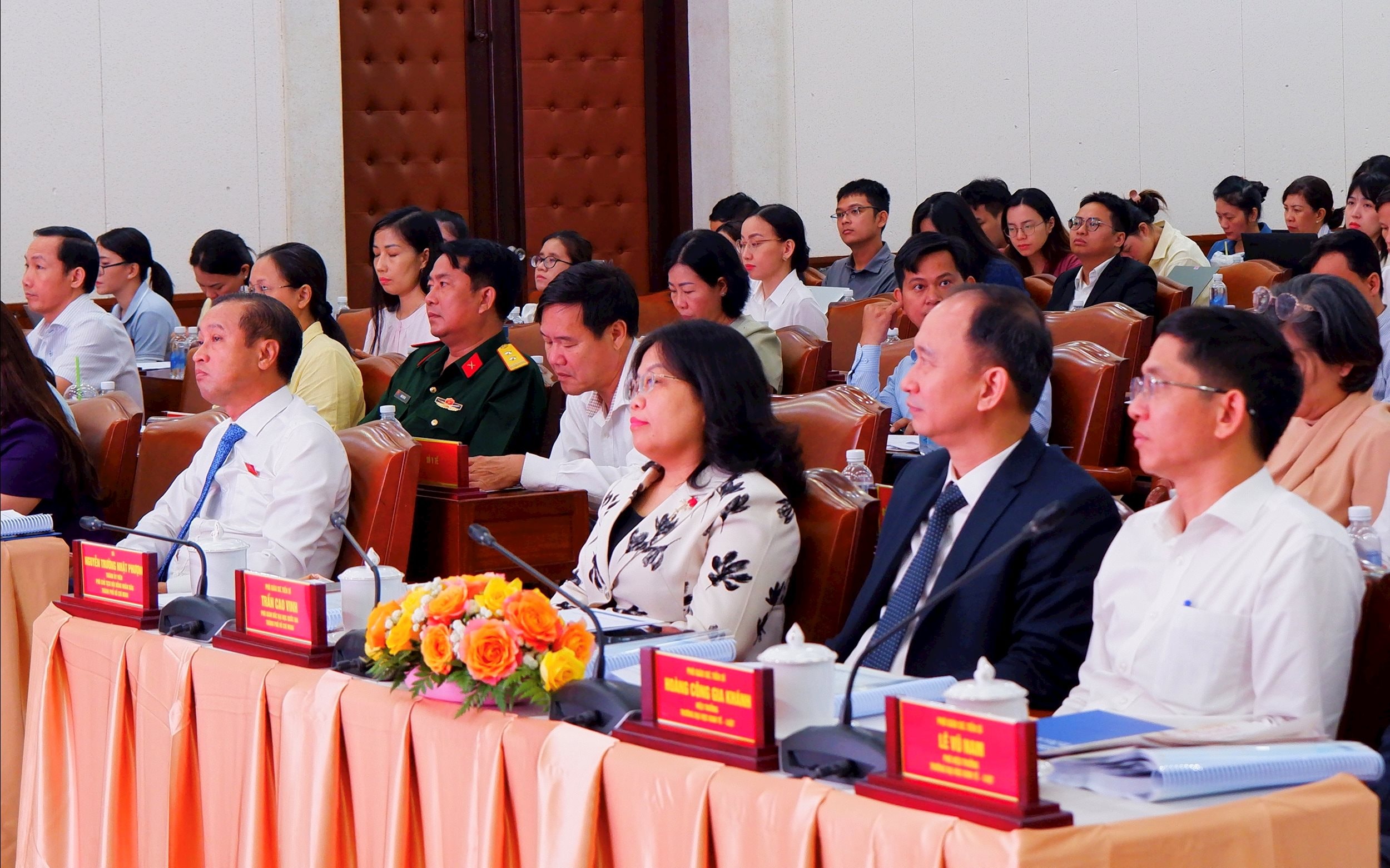
Attending the workshop were: Vice Chairman of the Ho Chi Minh City People's Council Huynh Thanh Nhan; Vice Chairman of the Ho Chi Minh City People's Council Nguyen Truong Nhat Phuong; Deputy Head of the Propaganda and Mass Mobilization Committee of the Ho Chi Minh City Party Committee Nguyen Tho Truyen; Deputy Director of Ho Chi Minh City National University Tran Cao Vinh.
Efforts to adapt to the new model
Speaking at the opening of the workshop, Vice Chairman of the Ho Chi Minh City People's Council Nguyen Truong Nhat Phuong said that since the beginning of July, the City People's Council has always accompanied the City People's Committee in reviewing and issuing resolutions, creating a solid legal basis to ensure the smooth operation of the entire government from the city to the grassroots.
In particular, the City People's Council has continuously had many survey and supervision teams at the commune level to promptly detect shortcomings and make recommendations to competent authorities to resolve them. Many policies have been issued by the City People's Council to unify the regime and policies, strongly decentralize and delegate power to most effectively implement the functions and tasks of each agency and unit according to the new model.
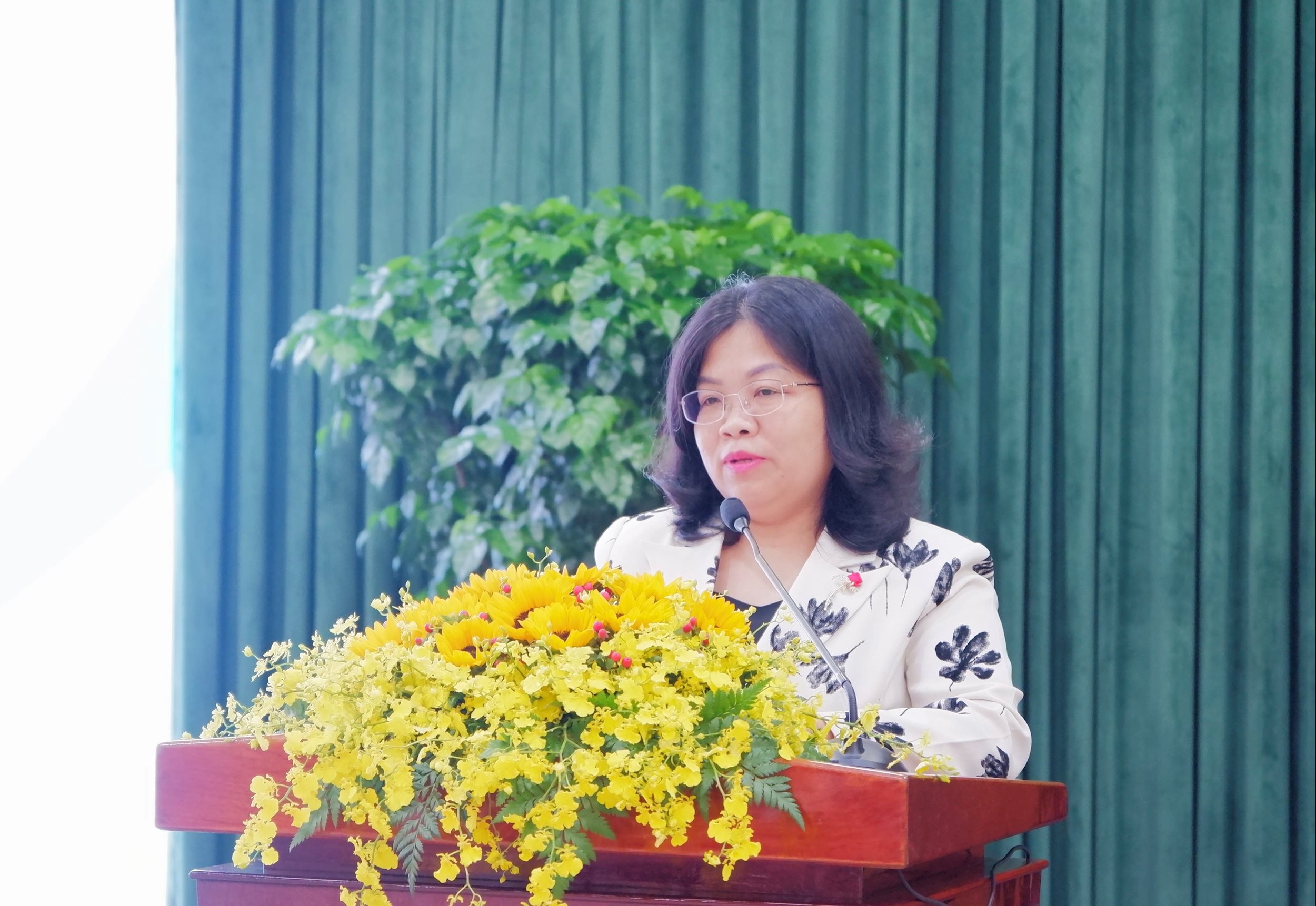
“After 5 months of implementing the 2-level local government model, from the city to each commune, ward, and special zone, every cadre, civil servant, public employee, and worker has made efforts to adapt, improve their qualifications, and complete their tasks well. Up to now, many issues regarding organization, operating regulations, and institutions have basically stabilized and become orderly, meeting the requirements and aspirations of the people and businesses,” said the Vice Chairman of the City People’s Council.
The Vice Chairman of the Ho Chi Minh City People's Council acknowledged that there are still tasks that need to be completed to meet the needs of the people and businesses and to make the best use of the city's resources in a new development space. Therefore, the City People's Council wishes to hear opinions from leaders, experts, and scientists to have more information, discuss, question, and supervise in the upcoming regular meeting at the end of the year.
There are still difficulties and problems
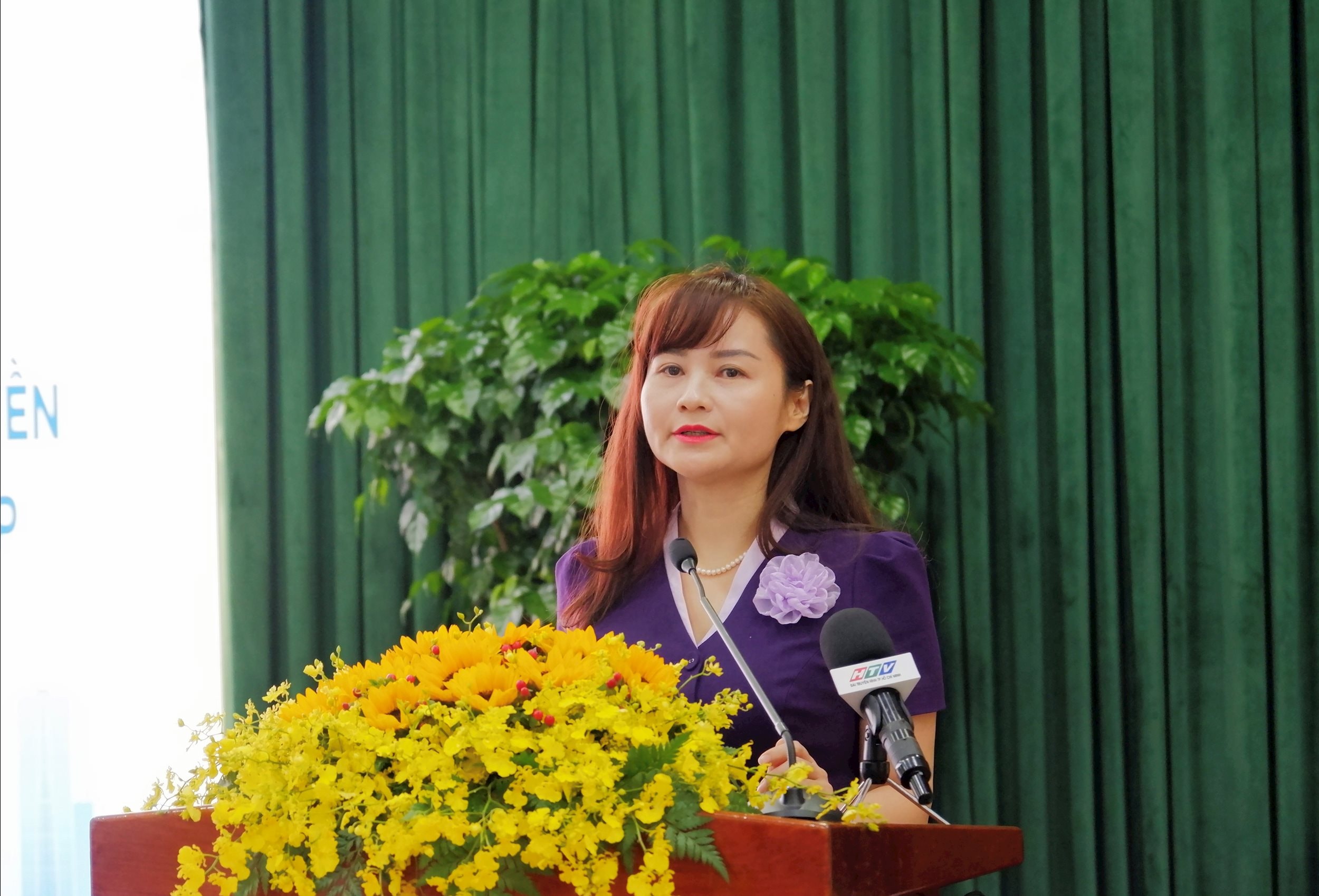
At the workshop, Ms. Nguyen Thi Tu Thanh, Deputy Director of the Department of Local Government, Ministry of Home Affairs, assessed that after 5 months of implementation, the whole country has completed the organization and personnel in localities, ensuring continuity, without legal or leadership gaps. However, the implementation process also encountered many difficulties and obstacles.
According to the Deputy Director of the Department of Local Government, in terms of institutions, some regulations on decentralization and delegation of power are different between laws and decrees, leading to confusion in understanding and implementation at the local level. The lack of institutional consistency is a direct consequence of the urgent promulgation of legal documents.
Regarding personnel, at first, the quantity and quality of cadres and civil servants were not evenly distributed. The situation of both surplus and shortage of cadres occurred in many places, especially the lack of cadres with professional qualifications in new fields such as science and technology, land administration, finance, health, construction, and education. According to the report of the Ministry of National Defense, 41 commanders, 317 deputy commanders, and 1,158 assistants have not yet been arranged.
The representative of the Ministry of Home Affairs analyzed that the technical infrastructure system from the central, provincial to communal levels has not been connected synchronously and uniformly, leading to difficulties in connecting and providing public services throughout the process.
Some important platforms such as the National Public Service Portal, VNeID, interconnected public services, electronic civil status system, business registration code issuance software and specialized professional software are still operating unstably, even overloaded. Even the issuance and updating of digital signatures for organizations and individuals in some places is not timely, affecting the progress of work processing.
In addition, the software for handling administrative procedures online is slow to update, especially new declarations and forms. There are cases where people declare incorrect or missing information and cannot make adjustments but must start over.
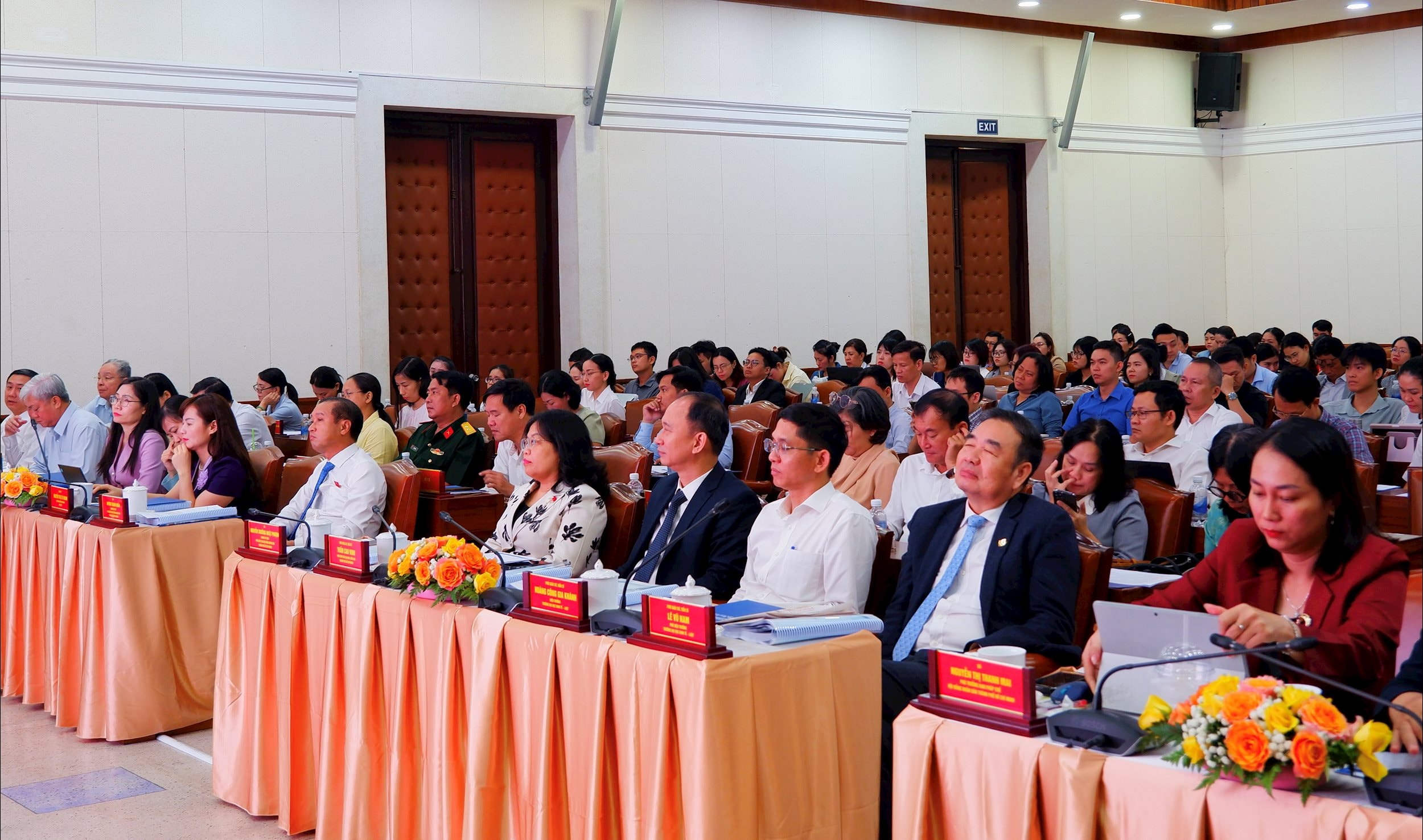
Regarding the human factor, the Deputy Head of the Department of Local Government said that the digital transformation capacity and information technology level of the staff and civil servants at the commune level are still limited, while the workload and need to carry out administrative procedures at this level are very large.
Regarding the reasons, according to Ms. Nguyen Thi Tu Thanh, the preparation, testing and official operation time is short, the workload is large, the area is large, while legal documents must be continuously adjusted "while doing, while completing" so delays and inadequacies are inevitable. In many remote communes, the information technology infrastructure is not synchronized, the operating software is not connected smoothly; the transmission line is weak, there is a lack of equipment, hindering digitalization...
Faced with this situation, the Deputy Director of the Department of Local Government emphasized the need to review and promulgate legal documents to handle conflicts and overlaps, and fill legal gaps, especially in key areas. Strengthen training and in-depth training on law, public administration and digital transformation, allocate budget and mobilize social resources to repair and upgrade headquarters, purchase equipment, etc.
Data for discussion, questioning and monitoring activities
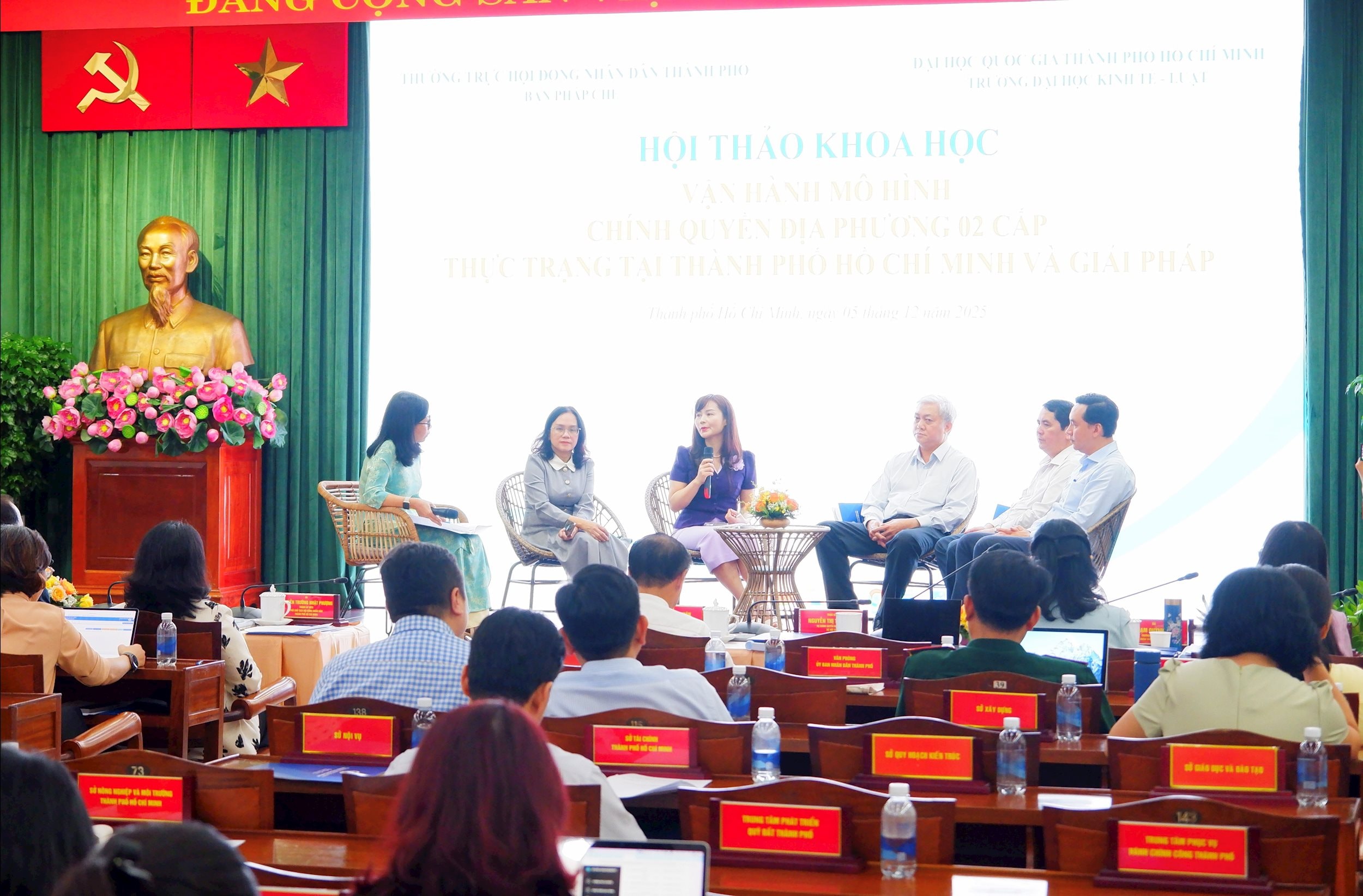
Chief of Office of the National Assembly Delegation and People's Council of Ho Chi Minh City Vo Anh Tuan said that the City People's Council always accompanies the City People's Committee in reviewing and issuing resolutions, creating a solid legal basis to ensure the smooth operation of the government from the city to the grassroots.
However, the operation of the two-tier local government model still has some “bottlenecks”. Many tasks need to be completed to better meet the needs of the people and businesses and to make the best use of the city’s resources in a new development space.
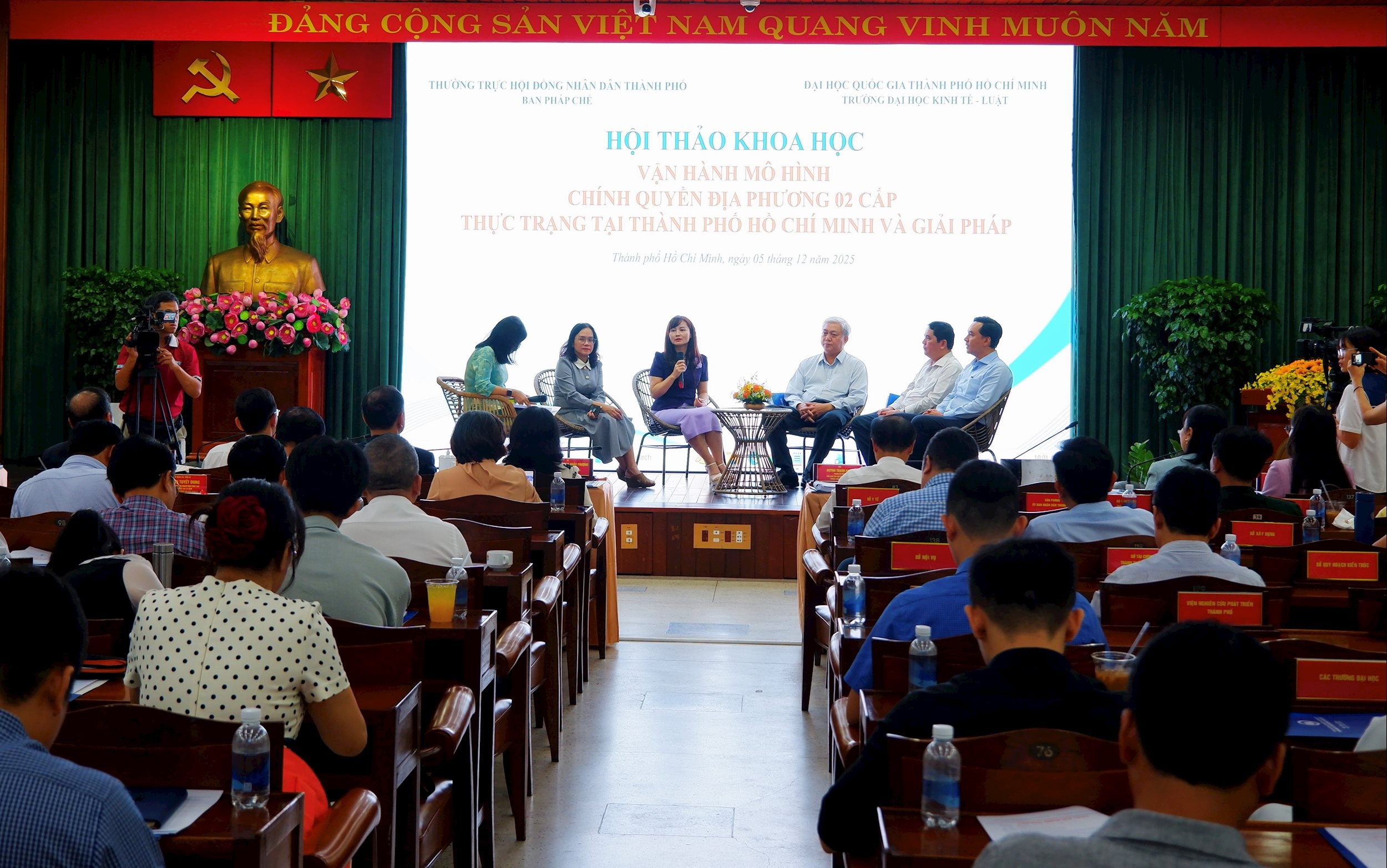
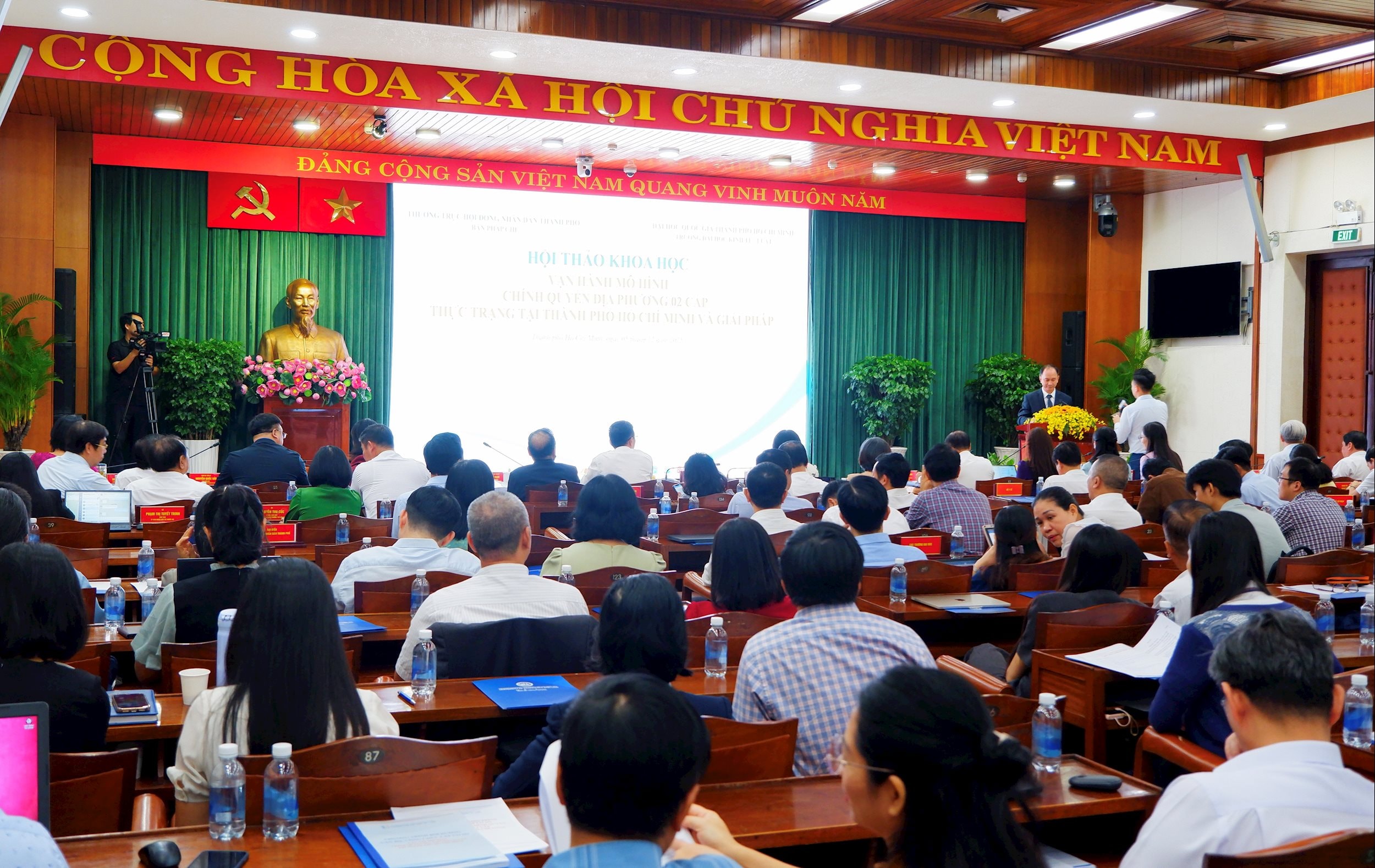
The workshop was held to objectively and comprehensively assess the problems and difficulties and propose solutions to continue improving the performance, effectiveness and efficiency of the two-level local government model.
The workshop received 30 presentations from lecturers of law training institutions and experts directly involved in the field of law-making and legal research.
According to the Ho Chi Minh City People's Council, the articles and opinions at the workshop will be responsible proposals, contributing to the completion of regulations to improve operational efficiency, the quality of public human resources, and promote the autonomous role of the commune level in the process of operating the 2-level local government model. This is also data for the delegates of the Ho Chi Minh City People's Council to have more information to serve the discussion, questioning and supervision activities in the meetings of the City People's Council.
Source: https://daibieunhandan.vn/tp-ho-chi-minh-mo-hinh-chinh-quyen-dia-phuong-2-cap-co-ban-on-dinh-di-vao-ne-nep-10399343.html


![[Photo] Cat Ba - Green island paradise](/_next/image?url=https%3A%2F%2Fvphoto.vietnam.vn%2Fthumb%2F1200x675%2Fvietnam%2Fresource%2FIMAGE%2F2025%2F12%2F04%2F1764821844074_ndo_br_1-dcbthienduongxanh638-jpg.webp&w=3840&q=75)
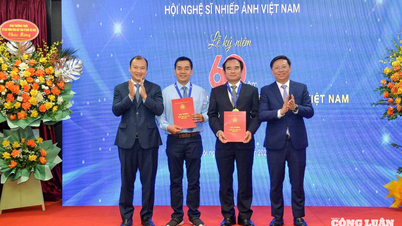
![[Photo] 60th Anniversary of the Founding of the Vietnam Association of Photographic Artists](/_next/image?url=https%3A%2F%2Fvphoto.vietnam.vn%2Fthumb%2F1200x675%2Fvietnam%2Fresource%2FIMAGE%2F2025%2F12%2F05%2F1764935864512_a1-bnd-0841-9740-jpg.webp&w=3840&q=75)




































































Comment (0)