

Supporting livelihoods, paving the way for mountainous areas to escape poverty
Son Ky commune ( Quang Ngai province) has more than 12,000 people, 96% of whom are Hre ethnic people. Many of them are poor and near-poor households who have benefited from the models of supporting trees, seeds and machinery for production of the National Target Program for Sustainable Poverty Reduction, which is gradually becoming a "lever" to help people change their lives.
Previously, the life of Ms. Dinh Thi Ve (Hre ethnic, residing in Mo O village, Son Ky commune) was extremely difficult. Her husband died early, leaving her alone to raise two children. Her job was unstable, so her family's life was always lacking. "Sometimes I worked for hire, sometimes I didn't, many days I didn't have enough rice to eat, I just hoped to have capital to do business myself," Ms. Ve recalled.
The opportunity came when the local government connected her with a source of policy credit loans. With money, she boldly invested in farming and raising livestock, so her family's life became more and more stable. "With technical training, guidance on barns, support for breeds, everything was closely monitored by commune officials. I am very grateful. Without capital and technology, women like me would not dare to do anything," Ms. Ve said emotionally.
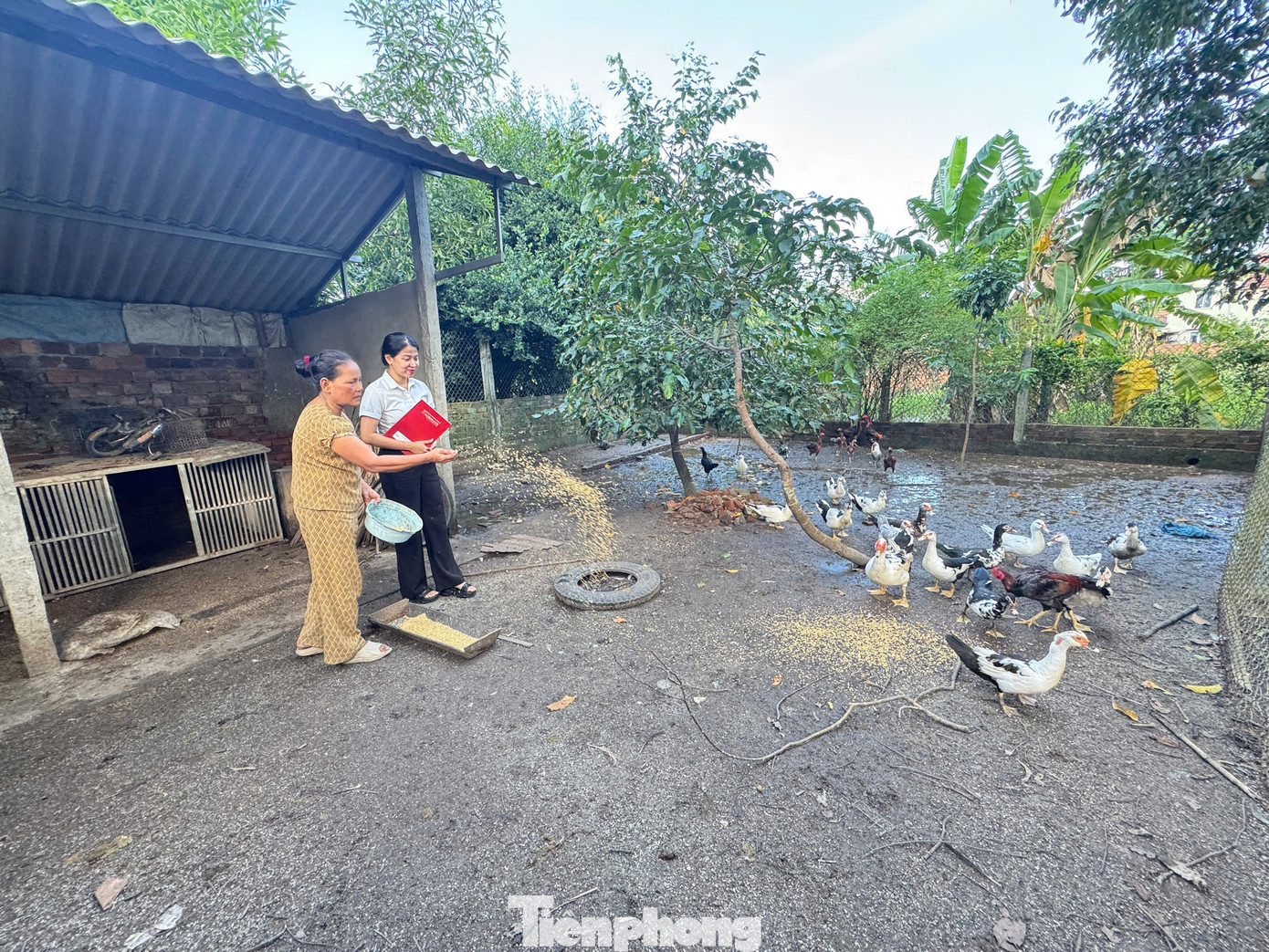
According to Mr. Pham Van Boac - Head of Mo O village, the support resources from the project "Diversifying livelihoods, developing poverty reduction models" under the National Target Program (NTGP) for sustainable poverty reduction have brought about very clear results. Not only supporting trees and seedlings, more importantly, helping people boldly change their thinking, know how to calculate investments, know how to apply techniques, know how to choose appropriate models instead of following old habits.
Similarly, in Ya Ly commune (Quang Ngai province), where ethnic minorities account for 83%, it is considered a "bright spot" for knowing how to design livelihood models suitable to the climate and local farming practices. From 2022 to 2024, the commune has implemented a series of projects and models of livestock and farming such as raising striped pigs for 14 households, raising breeding cows for 196 households and supporting durian planting on an area of 4.7 hectares for 6 households.
In addition to resources from the National Target Program, the commune also mobilized social resources to support 652 households to renovate more than 530 hectares of mixed gardens, 150 households received support to invest in agricultural materials, fertilizers and automatic irrigation systems. This support helps people shift from traditional production to models with high economic value, minimizing seasonal risks.
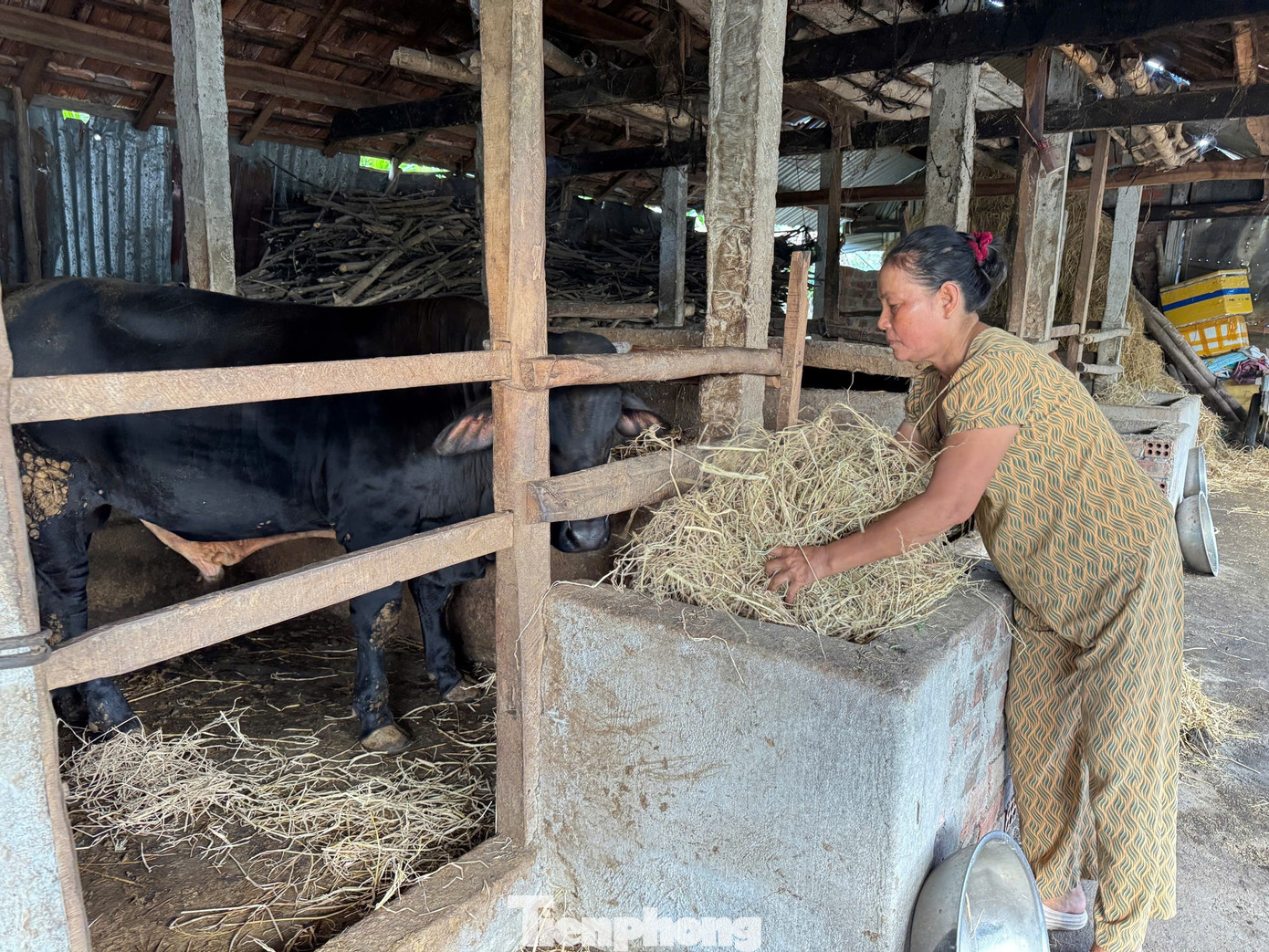
In Lang Lut village, the main residence of the Gia Rai people, changes are taking place every day. In 2023 - 2024, 28 poor and near-poor households participated in the project of raising striped pigs and breeding cows, each household was supported with 6 breeding pigs or 1 cow. To date, the pigs have been sold, and the cow herd has grown to 44. Thanks to that, the number of poor and near-poor households has decreased significantly.
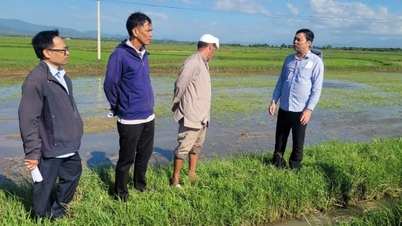
Mr. Dinh Trong Lich - Vice Chairman of the People's Committee of Ya Ly commune said that the biggest impact of the models is not only in the value of assets, but also in the change in people's awareness. "People know how to save, dare to borrow capital, which they were afraid of before, and know how to apply new techniques. Thanks to that, from 2022 to now, the commune has reduced 515 poor households and 331 near-poor households. It is expected that by the end of 2025, the number of poor households will decrease to 58 households," said Mr. Lich.
Preferential credit, motivation for people in the lowlands to break through
Not only in mountainous areas, preferential credit capital is also creating strong changes in the plain communes. Thanks to this capital source, many households have boldly expanded their production models. Previously, lack of capital caused households to operate on a small scale with unstable income. When they had access to loans, they boldly built new, more effective economic models.
The family of Mrs. Nguyen Thi Len (62 years old, Tay village, Son Tinh commune) used to be a near-poor household. For many years, she only raised a few poultry, grew a little rice and worked as a hired hand. “Lack of capital, I wanted to do big things but didn’t dare,” Mrs. Len confided.
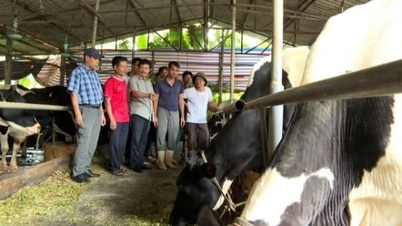
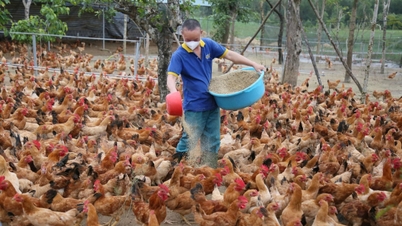
In 2023, with the opportunity to borrow 200 million VND, she decided to "take a risk", build a technical-standard barn, buy 3B cows, and raise chickens, ducks, and pigs. With guidance from agricultural extension officers on care and disease prevention, the animals grew well. Thanks to that, each year the herd of cows brought in about 100 million VND, and the herd of pigs brought in nearly 90 million VND. Her family escaped near-poverty, becoming a typical good farmer in Son Tinh district (old).
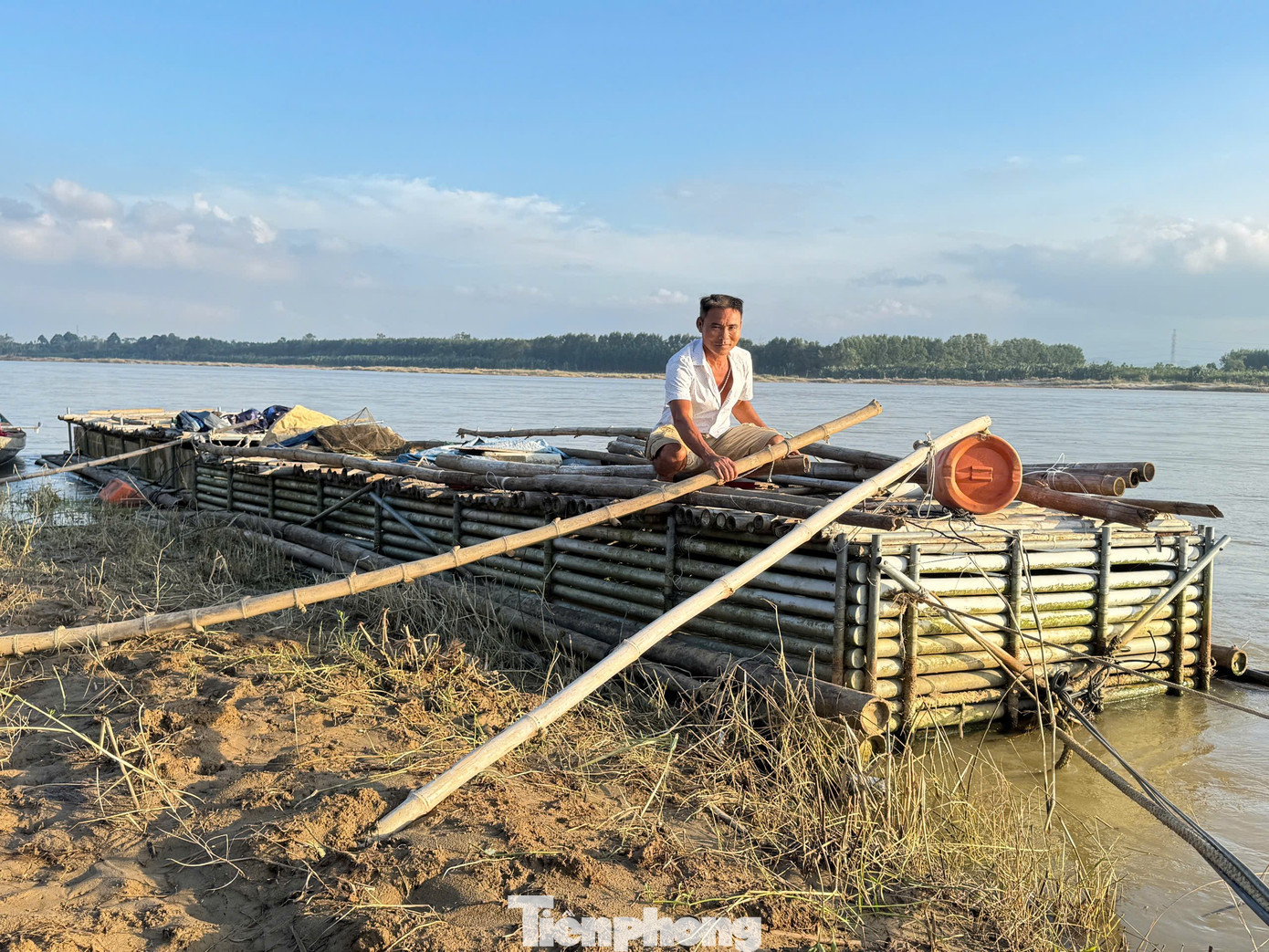
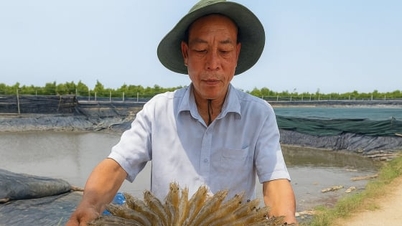
Also in Tay village, Mr. Tran Thanh Hoa is one of the households that has developed aquaculture strongly thanks to preferential loans. Mr. Hoa said that in 2010, he borrowed 30 million VND to "try" raising fish in cages on the Tra Khuc River. Seeing the effectiveness, he continued to expand. In early 2025, the loan increased to 400 million VND, he invested in 4 new technology eel and grass carp cages. After deducting expenses, he earns from 160 to 200 million VND each year.
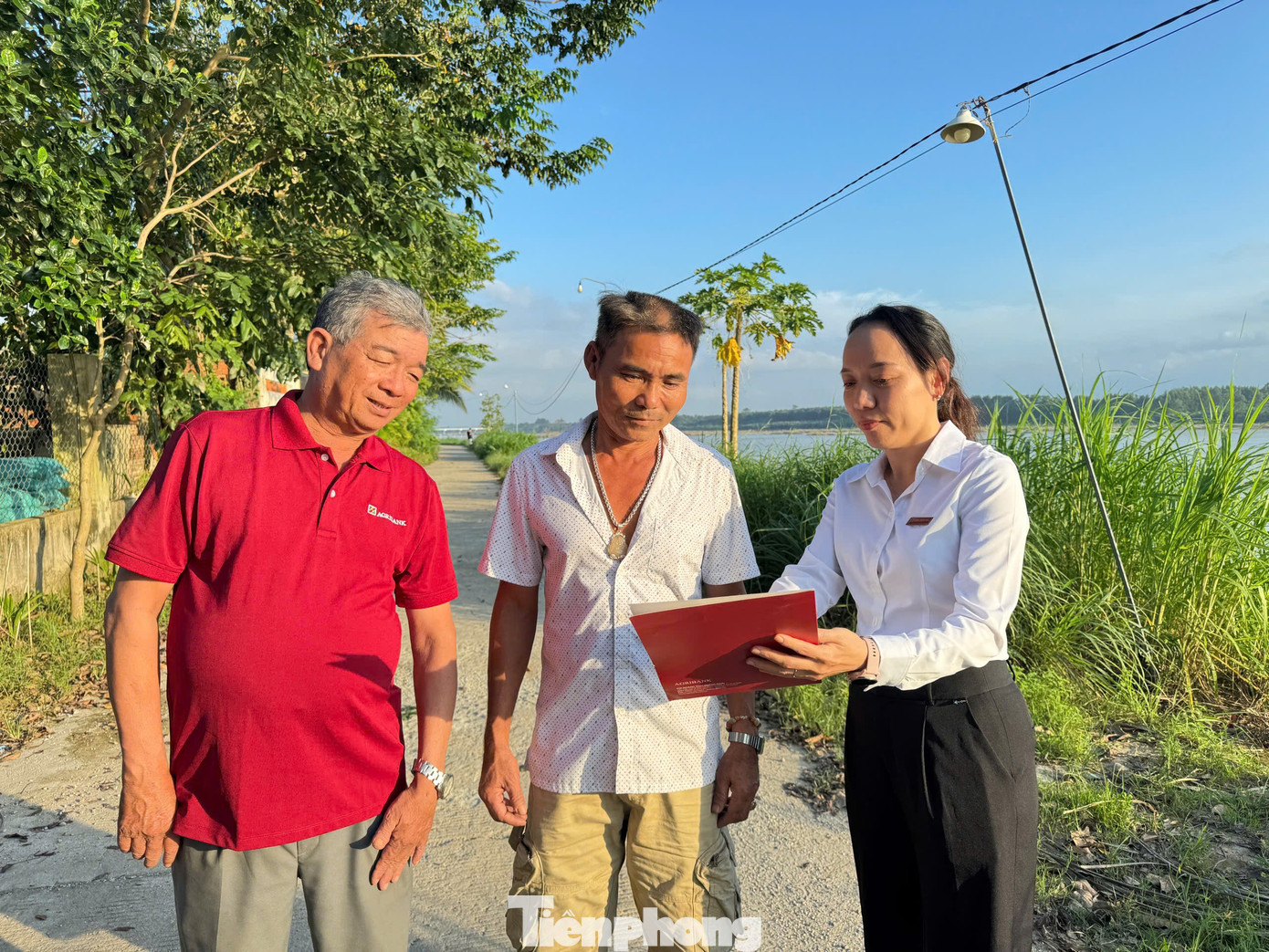
Mr. Truong Quang Tri - Head of the Loan Group of Tinh Son Commune (formerly, now merged into Son Tinh) said that this area currently has about 250 households borrowing capital with a total outstanding debt of 18 billion VND. "The characteristic of the people is that everyone wants to do business, but without capital, they cannot expand. Thanks to preferential credit, they dare to invest and change their models," said Mr. Tri.
The change is not only in large models, but also in people knowing how to calculate long-term, knowing how to choose suitable breeds, renovating mixed gardens, applying water-saving irrigation systems, hiring local labor... Many households have stable incomes, have accumulated capital, contributing to job creation and spreading the spirit of overcoming difficulties.
Looking back at the stories in Son Ky, Ya Ly or Son Tinh, it is easy to see some common things: when people are supported according to their needs, have timely access to capital and receive technical guidance, they are confident in changing their thinking, daring to do and knowing how to do it. From the situation of "not daring to borrow" and "not knowing how to calculate", many households have formed stable livelihoods, gradually escaping poverty sustainably.
Source: https://tienphong.vn/trao-co-hoi-de-nong-dan-quang-ngai-thoat-ngheo-ben-vung-post1802044.tpo


![[Photo] General Secretary To Lam receives the Director of the Academy of Public Administration and National Economy under the President of the Russian Federation](/_next/image?url=https%3A%2F%2Fvphoto.vietnam.vn%2Fthumb%2F1200x675%2Fvietnam%2Fresource%2FIMAGE%2F2025%2F12%2F08%2F1765200203892_a1-bnd-0933-4198-jpg.webp&w=3840&q=75)











































































Comment (0)