

Starting the day with health news, readers can also read more articles: Is it okay to have frequent hypoglycemia?; Shoulder pain, how to treat it?; Dizziness and nausea are signs of what disease? ...
7 types of cancer that are more likely to occur in men from age 40, and how to prevent them.
As we age, the risk of developing certain types of cancer increases. Smoking and excessive alcohol consumption often contribute to this increased risk in men. In addition, genetics and family history also play a significant role.
Here are 7 common cancers that are likely to occur in men over 40 years old:
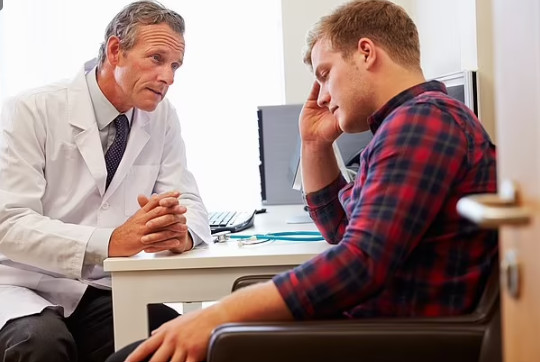
Smoking and drinking too much alcohol often contribute to increased cancer risk in men.
Prostate cancer. This is a common concern among men, especially older men. Risk factors include age and family history.
The early stages are often asymptomatic, so regular checkups and PSA testing are necessary. Symptoms may include difficulty urinating and pelvic pain in advanced stages. Prostate cancer can be prevented through a balanced diet and regular exercise.
Colorectal cancer is a fairly common type of cancer in men, often developing from precancerous polyps. Risk factors include age, family history, and certain genetic disorders. Symptoms of colorectal cancer may include changes in bowel habits, blood in the stool, and abdominal discomfort.
Regular screening, such as colonoscopy, helps in early detection. Eating plenty of fiber and exercising regularly can help prevent the disease. Recognizing symptoms, screening early and adopting a healthy lifestyle are important to reduce the risk of colorectal cancer in men and improve overall outcomes. You can read more about this article on the health page on January 23 .
Is it a problem to have low blood sugar frequently?
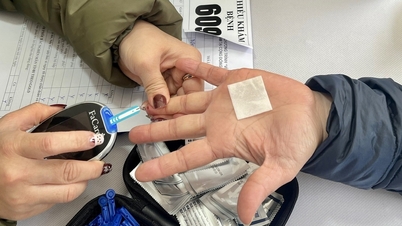
Dizziness, blurred vision, sweating, nausea, and tremors are characteristic symptoms of hypoglycemia. Without timely intervention, hypoglycemia can cause falls, unconsciousness, and even accidents if involved in traffic. In the long term, hypoglycemia also has many other negative health effects.
Hypoglycemia is a health problem characterized by blood sugar levels falling too low. Blood glucose levels falling below 70 mg/dL are considered hypoglycemia.
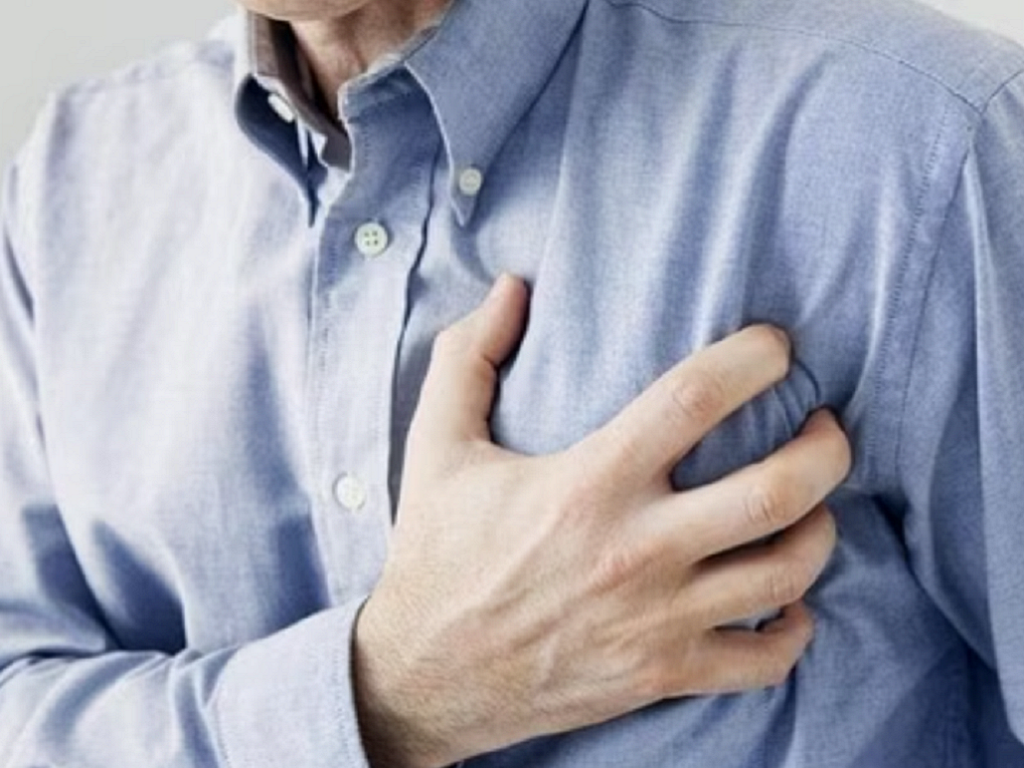
Prolonged hypoglycemia may increase the risk of heart disease
Factors that lead to hypoglycemia include poor blood sugar control in people with diabetes, taking too much insulin, eating too little, skipping meals, or exercising too intensely. Hypoglycemia can cause negative health effects including:
Seizures. Blood sugar levels that drop too low can cause seizures. This condition is rare but dangerous. People with diabetes are at significantly higher risk of having seizures due to low blood sugar than healthy people.
Unconsciousness. When blood sugar drops too low, the patient may lose consciousness. This condition can be life-threatening. The rest of this article will be available on the health page on January 23rd.
Shoulder pain, how to treat?
Shoulder pain is a health problem that can occur at any age, especially in the elderly. One of the most common causes is rotator cuff injury. Depending on the cause and severity of pain, there will be appropriate treatment.
The rotator cuff is a group of muscles and tendons that surround the shoulder joint. Injuries to this type of joint can cause pain, weakness, and reduced range of motion. Another common cause of shoulder pain is arthritis. Older adults are at higher risk for this condition.
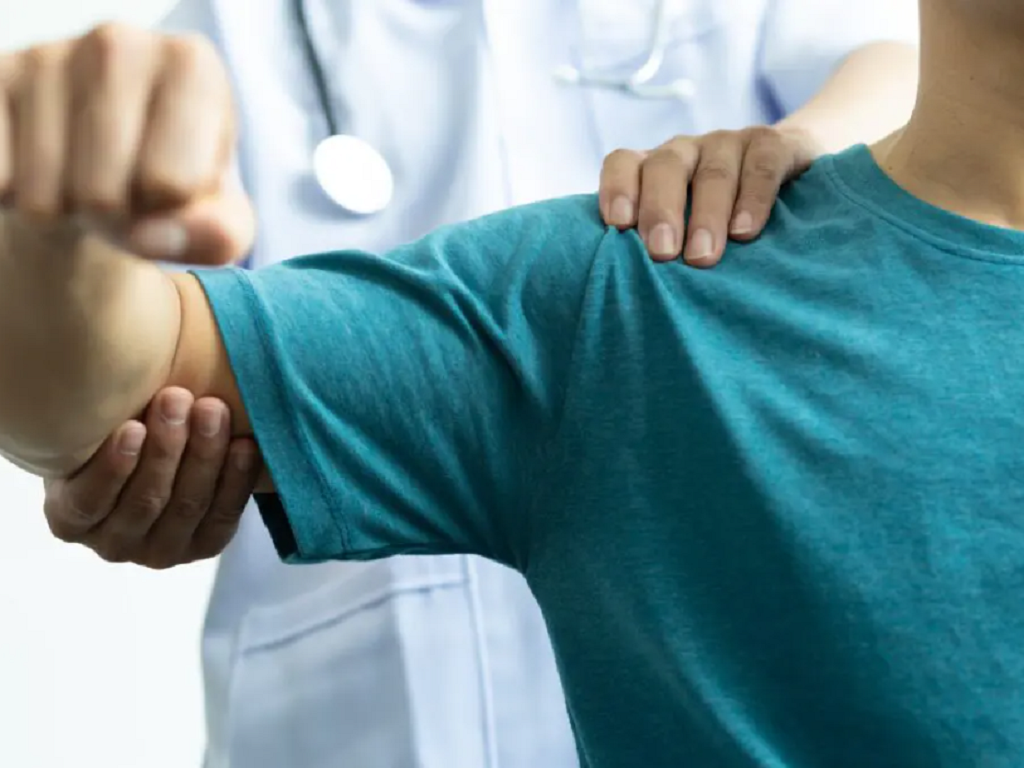
Rotator cuff injuries are a common cause of shoulder pain.
Shoulder pain can be effectively treated with the following methods:
Exercise and stretching. Gentle exercises and stretches in the shoulder area are natural ways to relieve shoulder pain in mild cases. Proper exercise not only helps reduce tension and pain in the shoulders and neck but also reduces stiffness during joint movement, thereby improving range of motion and joint flexibility.
Applying heat and cold. This is another natural treatment that people with shoulder pain can do at home without medical intervention. Cold compresses are often used immediately after an injury, such as a fall or lifting something heavy, to reduce swelling and inflammation.
Meanwhile, warm compresses help increase blood flow and reduce stiffness when moving joints. Start your day with health news to see more of this article!
Source link






































































































Comment (0)