

Why is reducing methane urgent?
Methane (CH₄) doesn’t last as long in the atmosphere as CO₂, but the heat it traps is dozens of times more potent. So if we cut methane emissions, we’ll see a quicker effect on slowing climate change.
In Vietnam, more than half of methane comes from agriculture , with rice fields being the “main culprit”. Frequent flooding of fields and burning of straw after harvest create huge amounts of methane. To reduce methane emissions, we need not only to change farmers’ farming habits but also to invest in alternate irrigation technology, new rice varieties, straw collection equipment or measurement, reporting and verification (MRV) systems.
According to international reports, Vietnam’s Methane Emission Reduction Action Plan by 2030 requires a large amount of capital. Meanwhile, domestic resources are limited, so this financial gap forces Vietnam to seek public capital, private capital and international support.
First steps
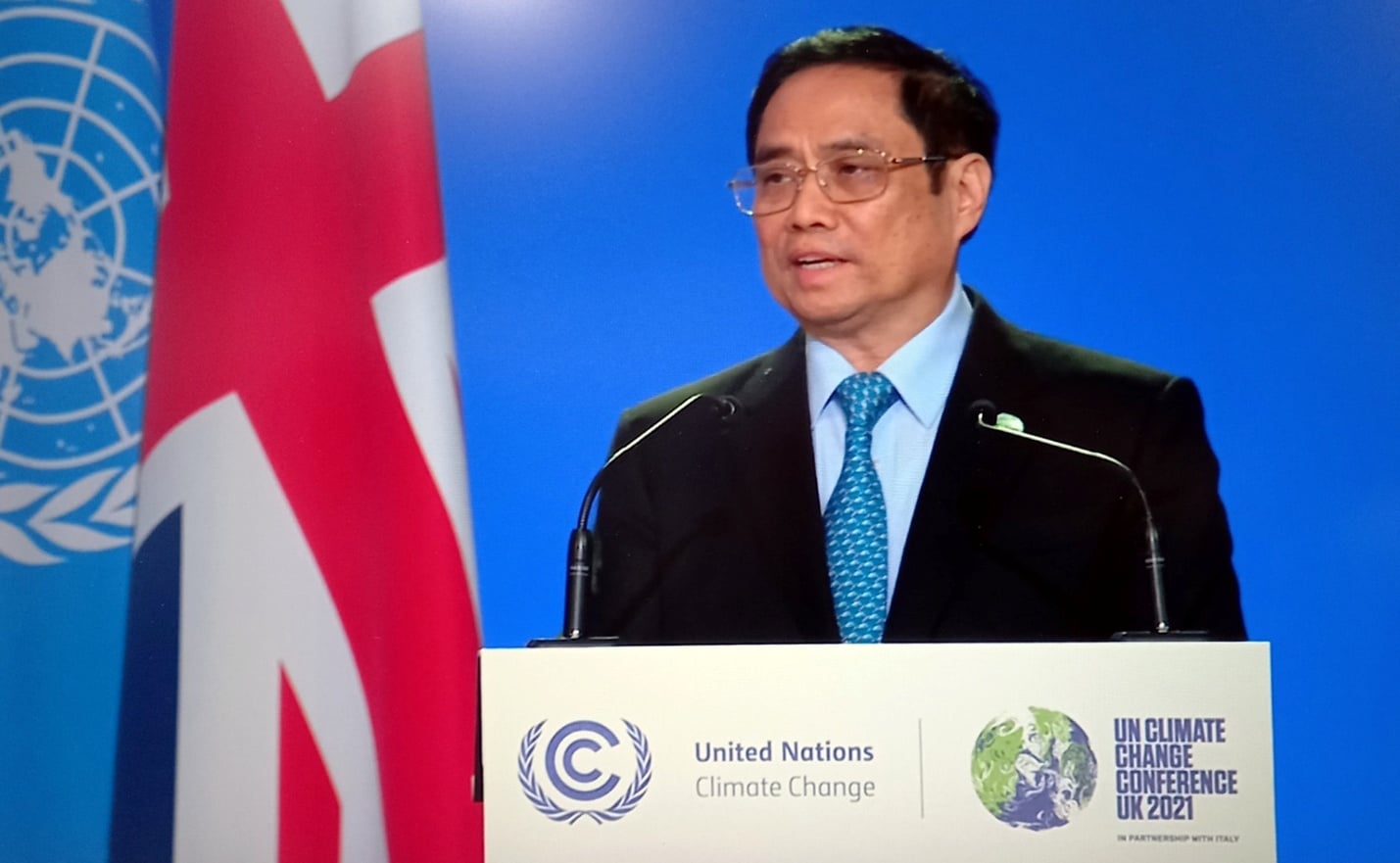
At the United Nations Climate Change Summit, Vietnam pledged to cut methane emissions by 30% by 2030 compared to 2020 levels.
Photo source: Government Newspaper
Over the years, the Government has been implementing a number of important programs. A typical example is the project “1 million hectares of high-quality, low-emission rice” in the Mekong Delta. This is considered a “laboratory” to apply new farming techniques to reduce methane emissions, and then replicate them nationwide.
The World Bank has also provided Vietnam with $1.5 million in funding to prepare a low-emission agriculture project, including the development of a carbon credit trading scheme. If done well, Vietnam can access larger sources of capital, creating long-term motivation for farmers and businesses.
To attract capital and implement effectively, experts say Vietnam needs to focus on three major directions:
First, improve policies. The State needs to create preferential mechanisms on taxes, loans or technical support to encourage businesses and farmers to participate in low-emission agricultural production.
Second, make it easier for farmers to access capital. Most rice fields in Vietnam are cultivated by small households. They cannot afford to invest in irrigation systems or expensive machinery. Therefore, there is a need for preferential credit funds, seed capital or cooperative models to share costs.
Third, take advantage of international finance. Many large funds such as the Green Climate Fund (GCF) or global carbon credit programs are ready to support if Vietnam can demonstrate emission reduction results. To do so, we must build a transparent and reliable measurement system.
Act now to seize the opportunity
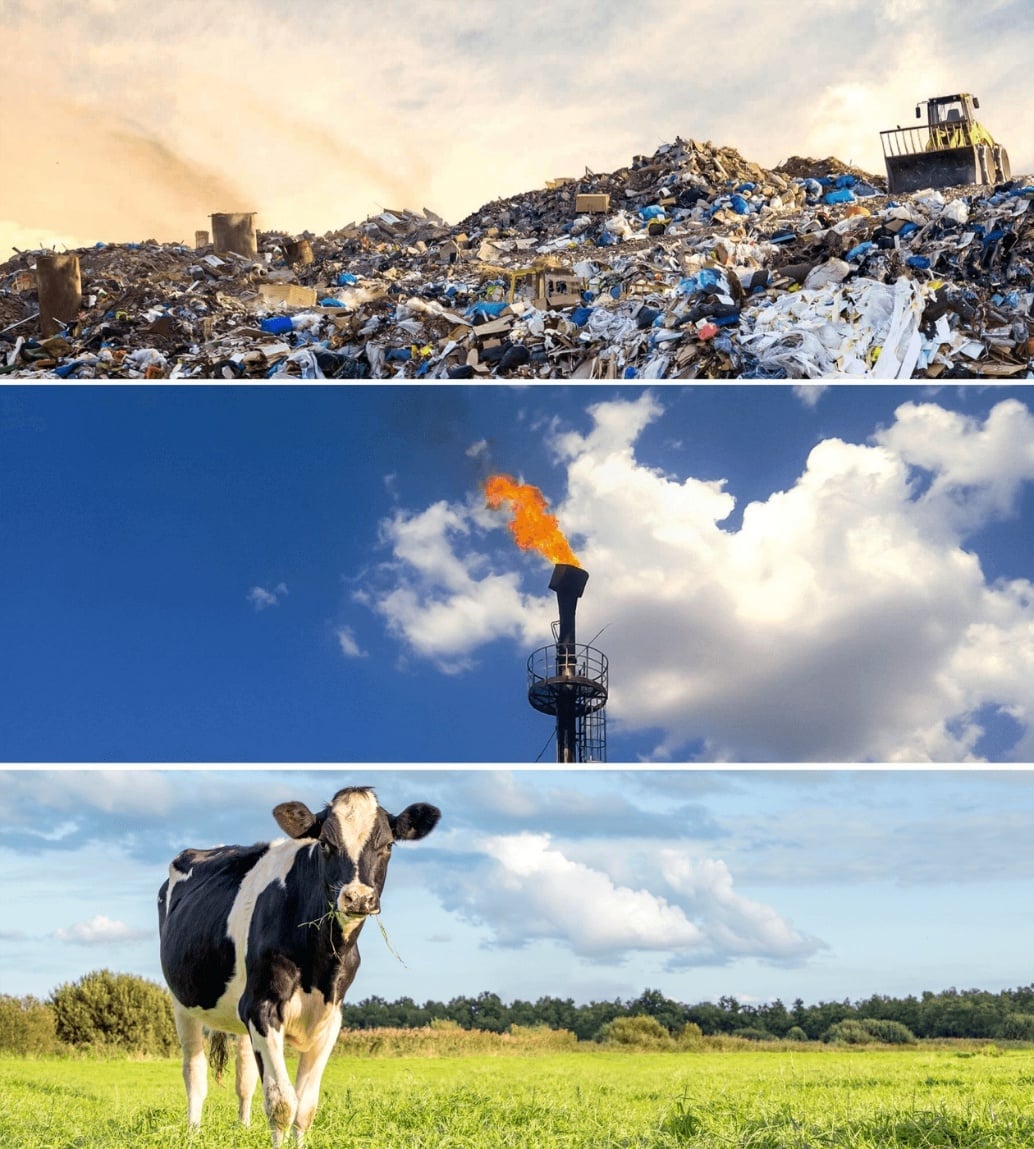
Agriculture, energy extraction and waste are three major sources of methane emissions.
Photo credit: Clean Air Task Force
Representatives of the Ministry of Agriculture and Environment have repeatedly emphasized that the goal of reducing emissions can only be successful if policies and practices are combined. A leader of the Ministry affirmed: “Reducing methane in agriculture is not only to fulfill international commitments, but also an opportunity to increase the value of Vietnamese agricultural products, bringing our rice, coffee and livestock to demanding markets.”
In Tay Ninh, some farmers have tried to apply the method of rotational irrigation instead of regular flooding. The results show that they save water, reduce methane emissions and production costs. Straw is no longer burned but is collected for animal feed. One farmer participating in the model shared: “At first, we were worried because we were afraid that the yield would decrease. But after a few crops, we saw that the rice was still good, and even saved on care, so we felt more secure.” This is proof that reducing emissions can go hand in hand with economic benefits.
If we mobilize resources properly, we will not only contribute to reducing methane emissions and combating climate change, but also increase farmers' income and affirm Vietnam's green agricultural product brand on the world map.
Huong Giang



















































































Comment (0)