

Ethnic policy – a lever for economic development of ethnic minorities.
An Giang province currently has a population of nearly 5 million people, of which more than 472,100 are ethnic minorities, mainly Khmer, Hoa, and Cham people.
During the period 2021-2025, the entire political system of An Giang province mobilized to implement ethnic policies, focusing on supporting production development and investing in infrastructure construction, especially public welfare projects. As a result, the material and spiritual lives of ethnic minority communities have improved, gradually eradicating poverty and stabilizing their lives.
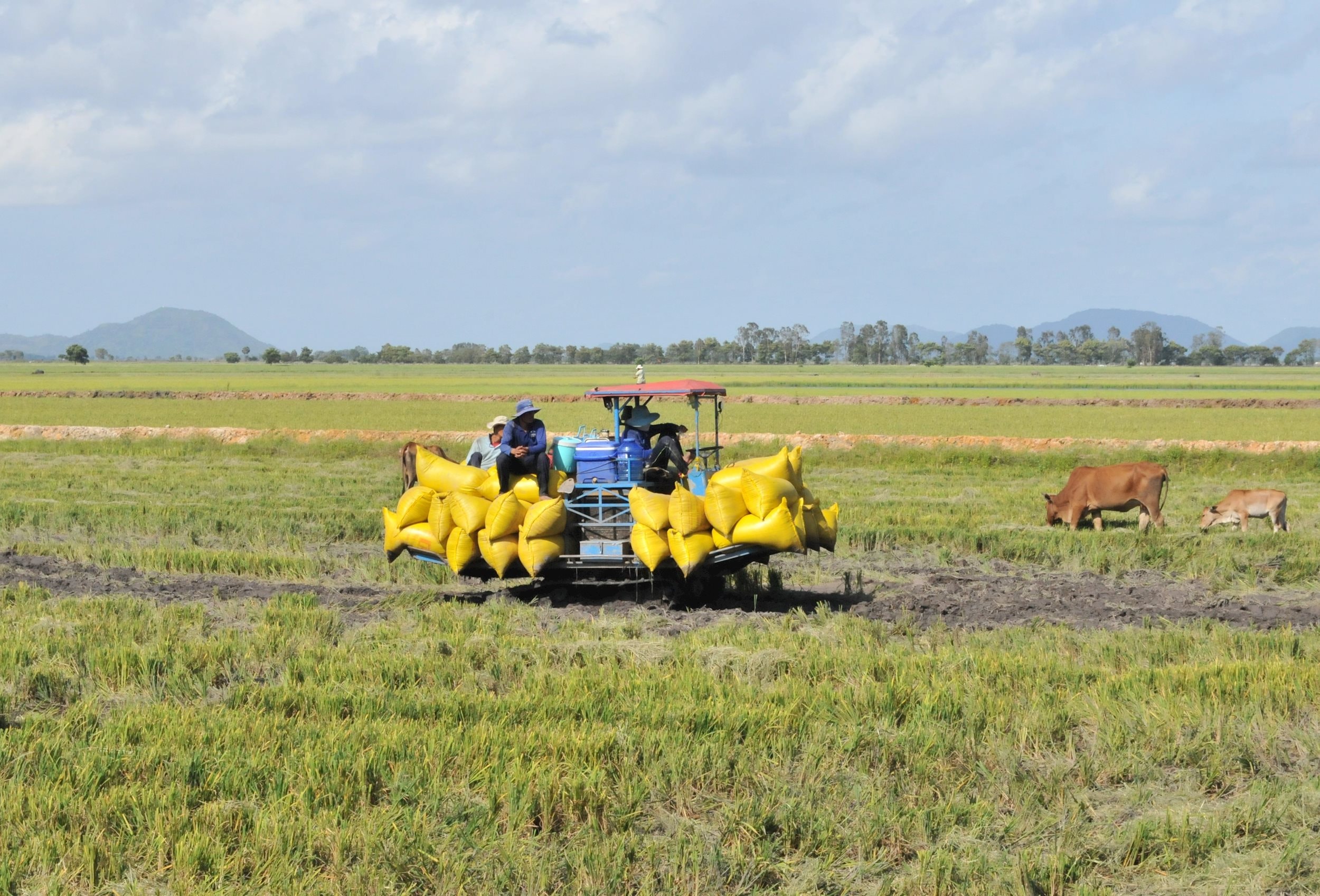
Specifically, implementing credit policies using various central government funds, the province has supported ethnic minorities in borrowing capital to develop their economy and improve their lives, and reduce poverty. An Giang supported 6,120 households with loans for production development totaling 30,600 million VND, while other credit programs provided loans to nearly 20,000 ethnic minorities for production and business activities totaling nearly 240,000 million VND.
In Dinh Hoa commune today, it's easy to see the rural landscape undergoing a transformation, with new vitality evident in every hamlet, village, and house. Many poor households have received government support for housing construction, land allocation for production, and access to loans; this has led to the emergence of various models of cattle breeding, goat farming, crop cultivation, and aquaculture, significantly improving the lives of the local people.
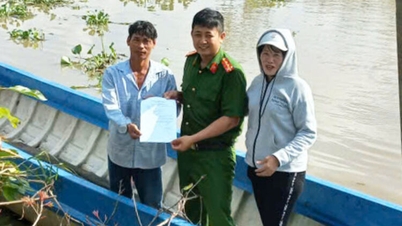
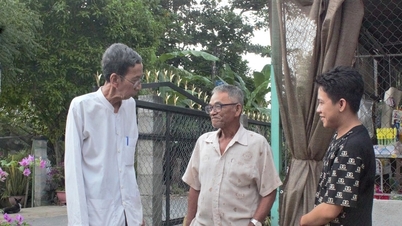
For example, Mr. Danh Sa Ray's family (in Thoi Trung hamlet, Dinh Hoa commune) previously faced significant economic hardship, relying mainly on hired labor. In 2023, after accessing preferential credit from the Social Policy Bank under Government Resolution No. 28, with an amount of 40 million VND, his family invested in fishing equipment such as nets and hooks; and after researching suitable livestock farming models, they purchased 4 breeding goats.

To save on livestock costs, Mr. Sa Ray uses vegetable waste from around his house as feed for his goats every day. To date, his herd has grown to 12 goats; he has sold 6 to support his family. The remaining goats are bred to provide a regular income.
For example, Mr. Danh Bot (Vinh Hoa Hung commune), once the poorest household in the hamlet, lived year-round by farming and supplementing his income by setting nets and fishing at night. Thanks to the help of the local government, access to loans, and his own efforts, Mr. Bot's family life gradually stabilized, and he was able to raise his two children, who have now found stable jobs after graduation.
Mr. Danh Bot shared: “I am deeply grateful to the Party, the State, and the local government. Thanks to the policies that care for the children of the Khmer people, our children have been able to receive a proper education, and now they have jobs and stable lives. My family is very happy.”
Ethnic minorities benefit from healthcare, education, and culture.
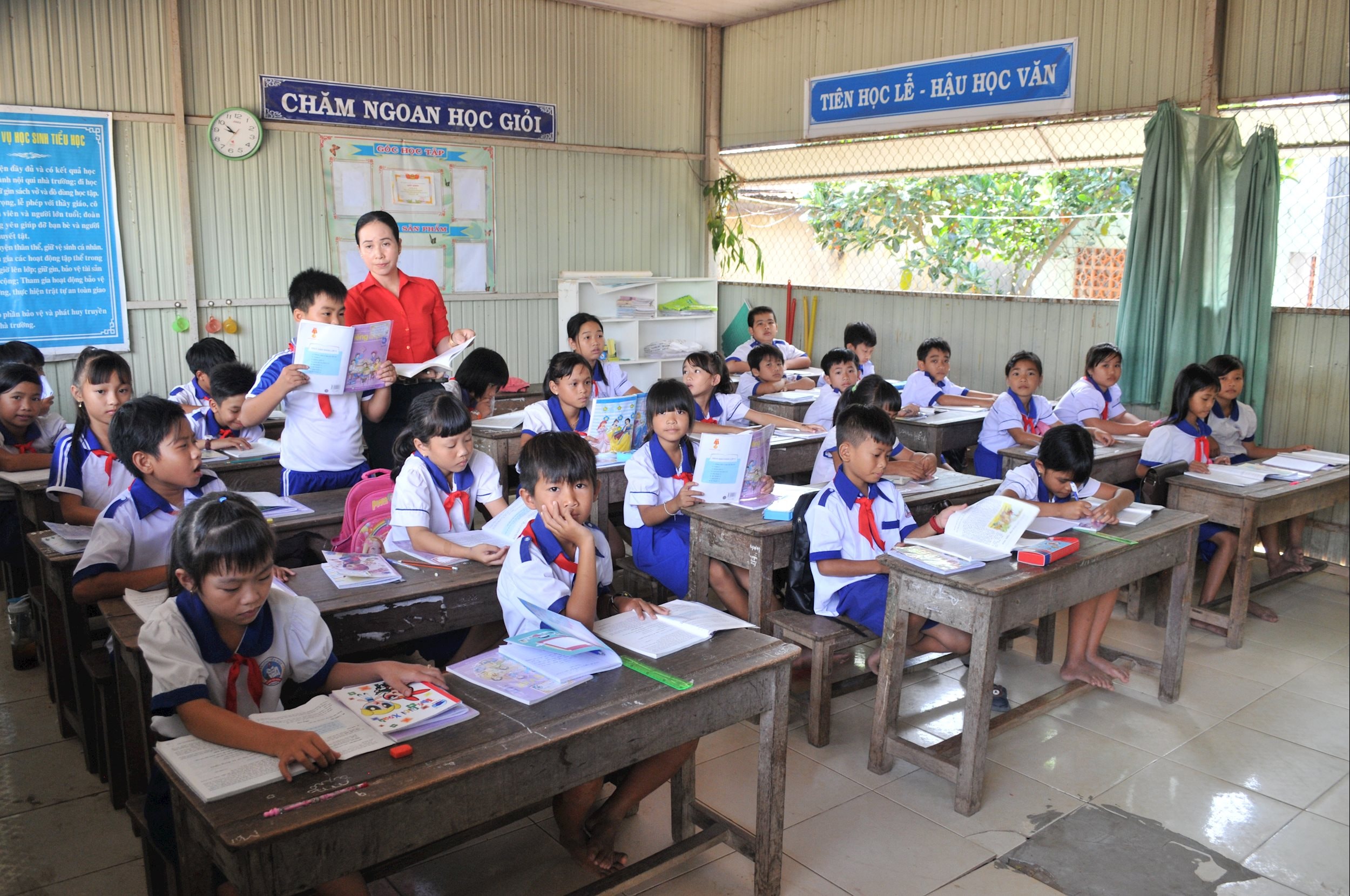
Currently, 100% of ethnic minority communes have roads leading to their centers; over 95% of particularly disadvantaged hamlets have transportation access; 89.3% of households use clean drinking water; 98.6% of households use the national power grid; and 100% of ethnic minority communes have health stations that meet national standards. These results not only improve living standards but also create consensus and strengthen the trust of ethnic minorities in the Party and State's reform policies.
Alongside infrastructure development, An Giang province also focuses on preserving and promoting the cultural identity of ethnic minorities, improving their education level, and ensuring their right to education and healthcare.
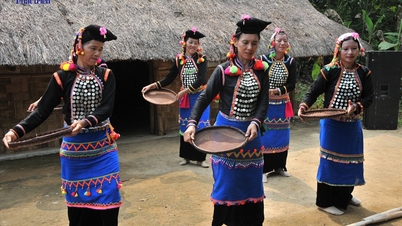
In terms of culture and society, the Provincial Party Committee and the Provincial People's Committee pay special attention to preserving, conserving, and promoting the unique cultural identity of ethnic minority communities; some tangible and intangible cultural products have been restored and passed down; the annual Ethnic Culture and Sports Festival is organized, bearing the distinct mark of each ethnic group, contributing to improving the spiritual life of the people. Traditional festivals and holidays of the ethnic minorities are maintained and organized according to tradition, such as: Chol Chnam Thmay Tet, Sene Don Ta festival, Ok Om Bok, and the Khmer bull racing festival.
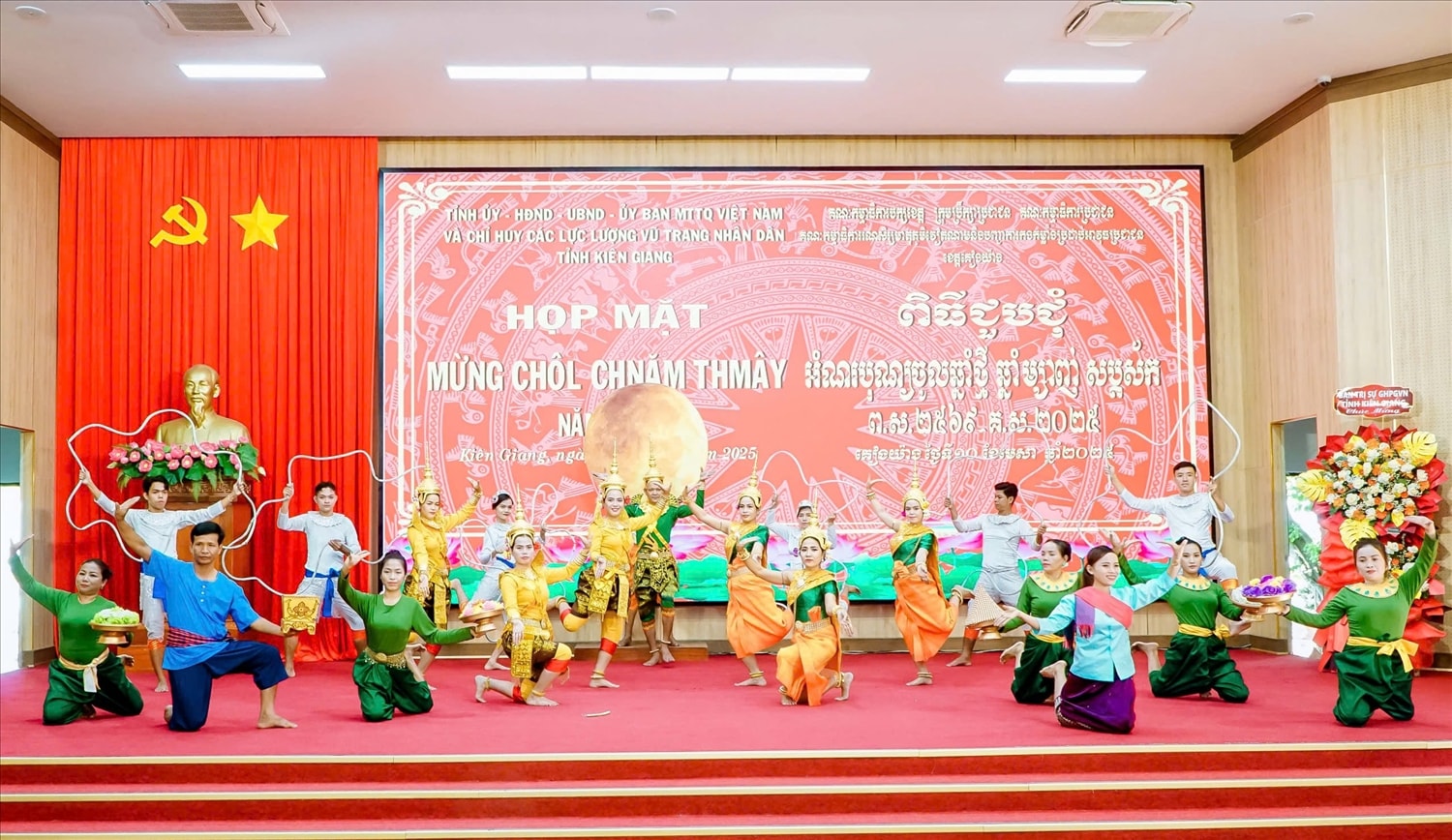
Every year, the province allocates budget to support poor households in celebrating Tet (Lunar New Year); organizes gatherings, visits, etc. It also upgrades the Ok Om Bok festival of the Khmer people into a provincial-level cultural, sports, and tourism festival.
Regarding education, the province provides tuition fee exemptions and reductions, and invests in building schools for ethnic minority students. Currently, there are 9 ethnic minority boarding schools and 1 vocational boarding school; the school attendance rate for ethnic minority students is over 98% per year.
In addition, 47 schools teaching the Khmer language and 130 temples organized 451 summer classes with nearly 12,000 students, helping the people both learn knowledge and preserve their ethnic language and writing system.
In the healthcare sector, the province continues to implement national healthcare programs, invest in equipment and facilities, and provide health insurance policies for ethnic minority communities, especially in remote, mountainous, and border areas.
.jpg)
Currently, the province has 102 communes, wards, and special zones with health stations, and 100% of these health stations have doctors and nurses on rotational duty; investment has been made in hospitals and health centers in communes with large ethnic minority populations, and at the same time, the provincial level has also put into operation 6 provincial-level hospitals, basically meeting the medical needs of the people.
In particular, the Provincial Party Committee and the Provincial People's Committee pay attention to the development of human resources, especially high-quality human resources, for ethnic minority communities through the "Provincial Human Resource Development Project for the period 2021-2030, with a vision to 2050". From there, they boldly plan, train, and cultivate ethnic minority cadres, and assign them to positions within the political system at all levels; effectively implementing Plan 4 for training and developing the capacity and professional skills of ethnic minority cadres, civil servants, and public employees.
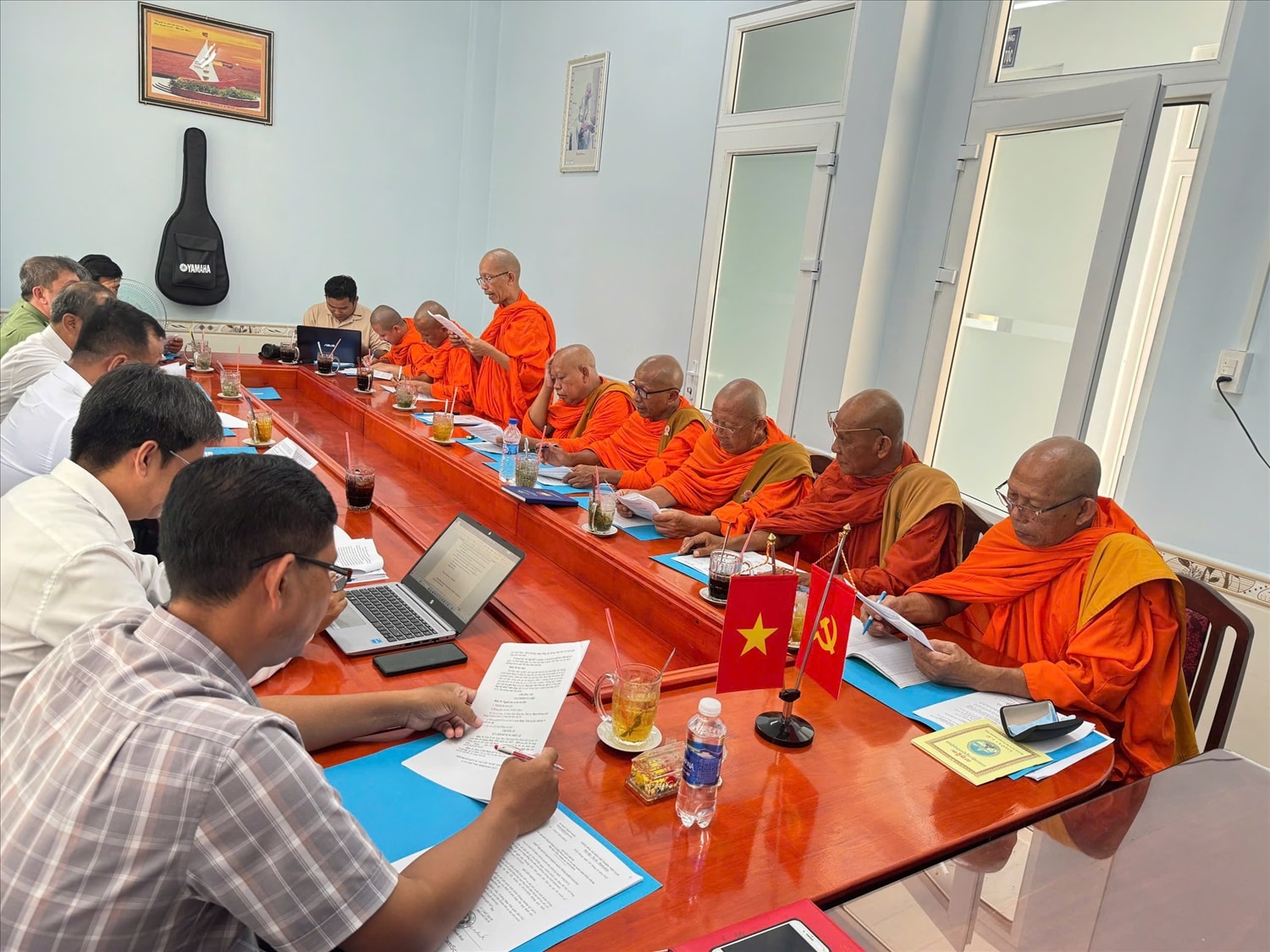
Ensure that the proportion of ethnic minority cadres participating in Party committees, Party organizations, the Fatherland Front, and political-social organizations at all levels is maintained. All departments, agencies, and political-social organizations involved in ethnic affairs should establish departments or assign cadres to be in charge of ethnic affairs.
These efforts have contributed to reducing the province's poverty rate from 1.9% (in 2020) to 0.91% (in 2025), with many ethnic minority households achieving sustainable poverty alleviation and legitimate wealth creation. The average economic growth rate of 5.68% over the past five years also partly reflects the practical contributions of ethnic minority communities to the overall development of the province.
According to the Department of Ethnic Minorities and Religions of An Giang province, in the coming period, the locality will focus on effectively implementing national target programs to improve the living standards of ethnic minority people, especially in remote, mountainous, and border areas.
Source: https://daibieunhandan.vn/an-giang-chu-trong-phat-trien-kinh-te-xa-hoi-cho-dong-bao-dan-toc-thieu-so-10400215.html
![[Photo] Prime Minister Pham Minh Chinh holds a phone call with the CEO of Russia's Rosatom Corporation.](/_next/image?url=https%3A%2F%2Fvphoto.vietnam.vn%2Fthumb%2F1200x675%2Fvietnam%2Fresource%2FIMAGE%2F2025%2F12%2F11%2F1765464552365_dsc-5295-jpg.webp&w=3840&q=75)




![[Photo] Closing Ceremony of the 10th Session of the 15th National Assembly](/_next/image?url=https%3A%2F%2Fvphoto.vietnam.vn%2Fthumb%2F1200x675%2Fvietnam%2Fresource%2FIMAGE%2F2025%2F12%2F11%2F1765448959967_image-1437-jpg.webp&w=3840&q=75)






























![[OFFICIAL] MISA GROUP ANNOUNCES ITS PIONEERING BRAND POSITIONING IN BUILDING AGENTIC AI FOR BUSINESSES, HOUSEHOLDS, AND THE GOVERNMENT](https://vphoto.vietnam.vn/thumb/402x226/vietnam/resource/IMAGE/2025/12/11/1765444754256_agentic-ai_postfb-scaled.png)









































Comment (0)