

The cornerstone of agricultural modernization in Vietnam.
Cooperative economics and rural development are key areas in the modernization process of Vietnamese agriculture. From the rudimentary cooperatives after 1945 to the increasingly professional system of cooperatives, cooperative groups, and cooperative unions, this sector has affirmed its position as a pillar in reorganizing production, developing value chains, and improving the quality of life for the people.
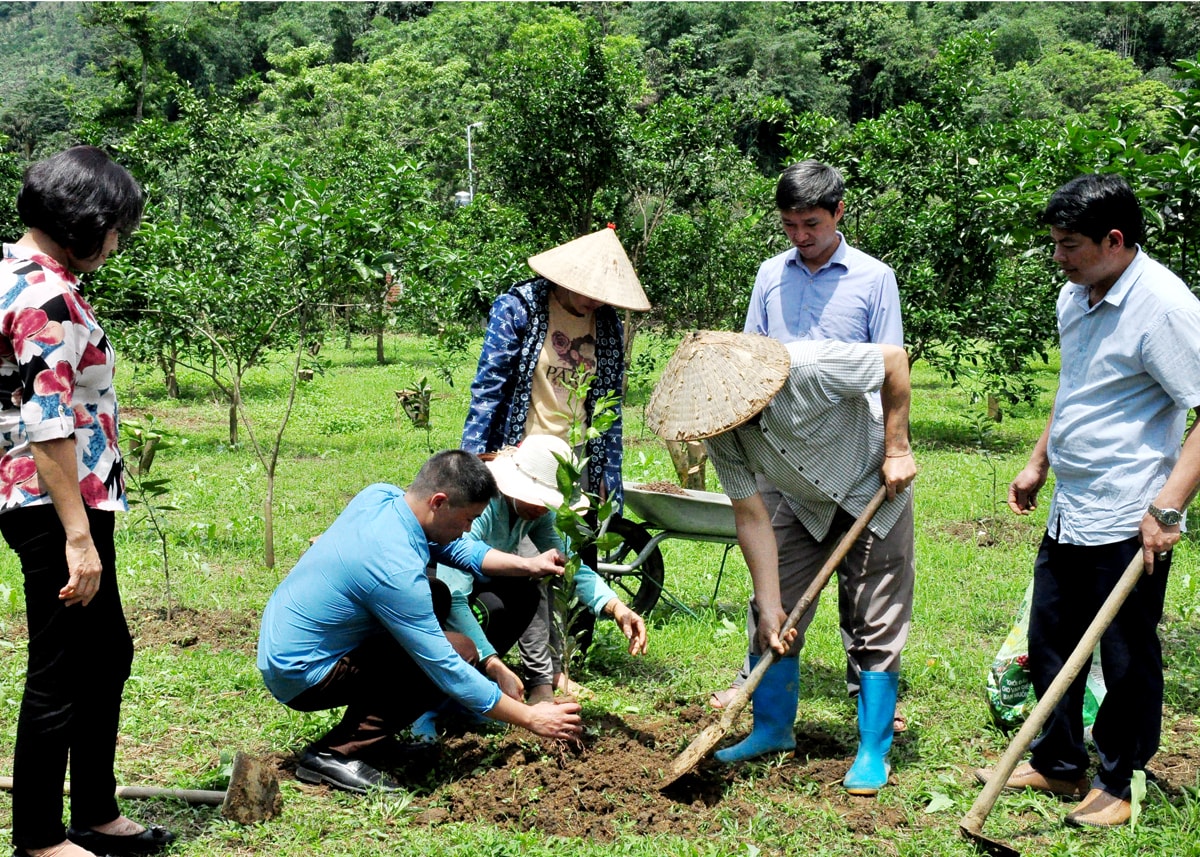
According to the Department of Cooperative Economics and Rural Development, following the direction of the Government and the Ministry of Agriculture and Rural Development (now the Ministry of Agriculture and Environment ), cooperative economics is one of six key areas of state management; it plays a strategic advisory role on institutions, raw material areas, production linkages, mechanization, vocational training, and farm development.
Since 2003, the Department of Cooperative Economics and Rural Development has become a core force in policy design and implementation. Its organizational system, spanning from the central to local levels with nearly 1,300 staff members, has made significant contributions to improving the lives of tens of millions of farmers.
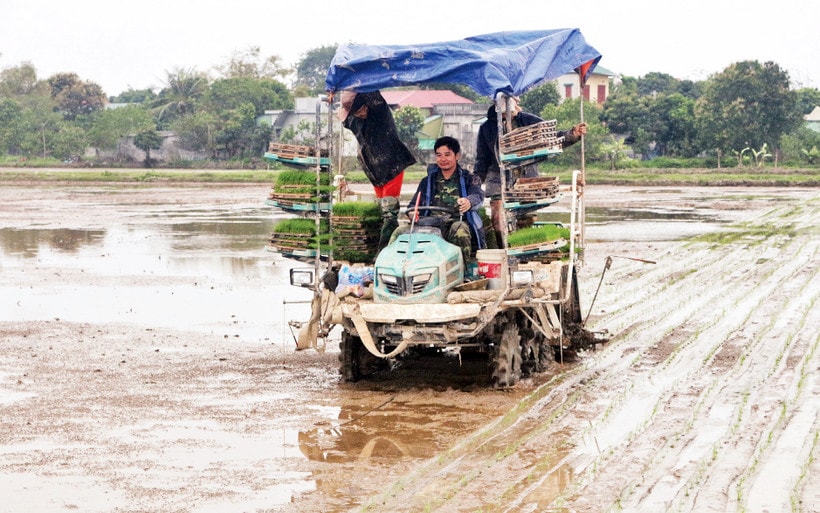
One of the major milestones is the improvement of the institutional framework, particularly the 2012 Cooperative Law and the 2023 Cooperative Law, which have placed cooperatives in the position of autonomous, flexible, and equal economic entities. The development of the sector is reflected in the scale and quality of cooperatives, from 14,000 cooperatives in 2003; to more than 23,500 cooperatives and 35,000 cooperative groups with 4.5 million members nationwide by 2024.
Many cooperatives are applying high technology, signing linkage contracts with businesses, becoming OCOP (One Commune One Product) entities, and participating in agricultural value chains. Farm economics are also developing strongly, with nearly 30,000 farms meeting the criteria and an average production value of nearly 3 billion VND per year.
A significant step forward is the reorganization of production by region. Decree No. 98/2018/ND-CP on encouraging the development of cooperation and linkages in the production and consumption of agricultural products and Project 1088 (2022) on building standard raw material areas have promoted the formation of more than 6,200 sustainable linkage chains and nearly 600,000 hectares of raw material areas. Typical value chains such as ST25 rice, Dong Thap mangoes, or Central Highlands coffee have become modern agricultural models, meeting export requirements.
Vocational training is a cornerstone of human resource transformation; under Project 1956 (Decision No. 1956/QD-TTG approving the Project "Vocational Training for Rural Workers until 2020"), over 9.6 million rural workers have been trained, with over 80% finding employment. Modern training content, such as drone operation, e-commerce, circular agriculture, and agricultural logistics, helps farmers adapt to digital transformation and the green economy. Simultaneously, rural industries and traditional craft villages have strongly revived, with over 586,000 production facilities and nearly 2,000 craft villages; creating stable income for millions of workers and contributing to the preservation of cultural identity.
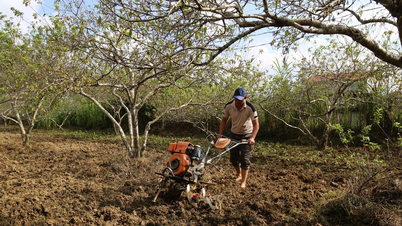
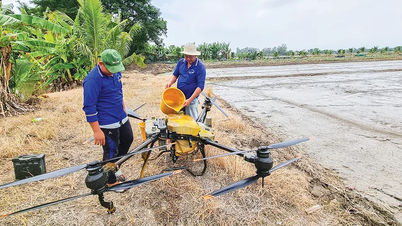
Agricultural mechanization has also been strongly promoted through coordinated policies and investments. From tractors and harvesters to smart irrigation systems and drones, mechanization has become a springboard for smart agriculture, reducing emissions and improving production efficiency. Sustainable livelihood models have helped reduce poverty from 58% in 1993 to below 3% in 2025.
Vietnam's salt industry is also entering a new phase with policies to modernize salt fields, develop deep processing, and build a clean salt value chain. The 2023 Vietnam Salt Festival marks the affirmation of the cultural and economic value of the salt industry in the green and digital age.
Breakthroughs in thinking and institutions to elevate the cooperative economy.
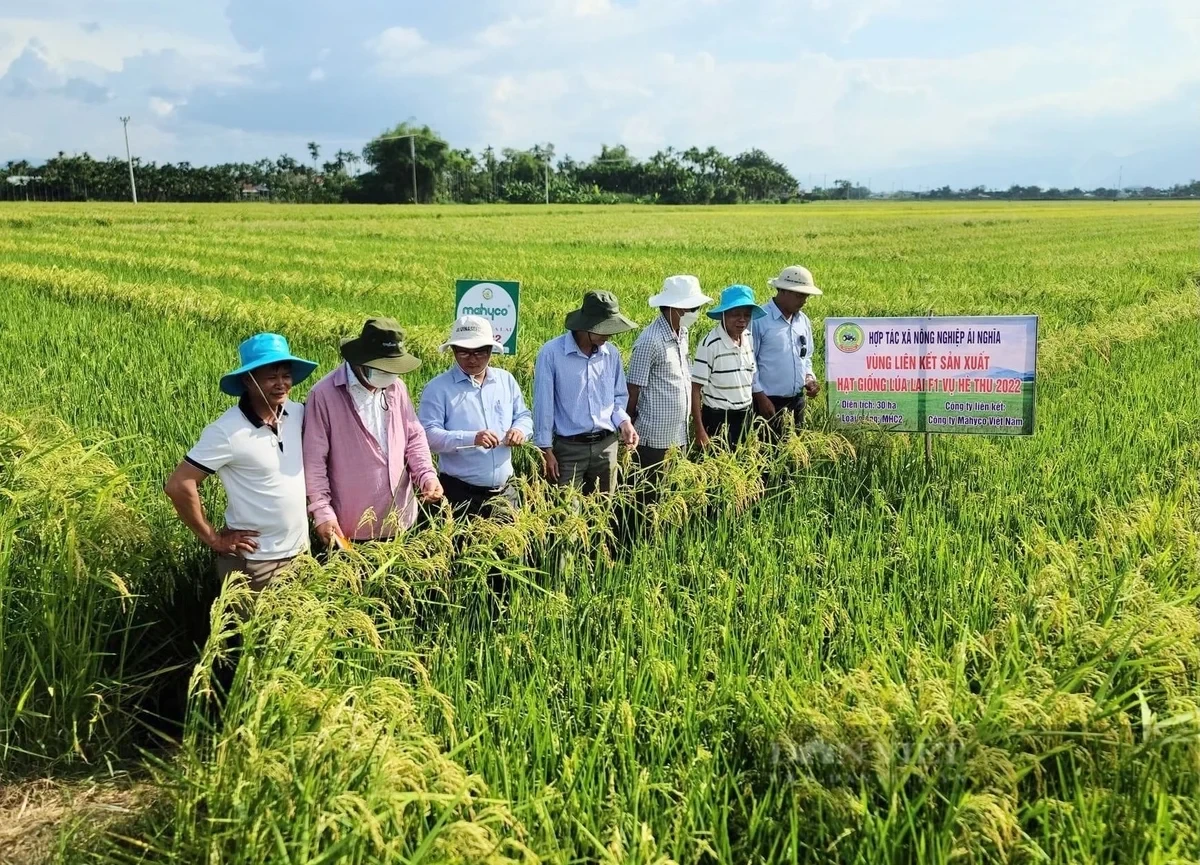
These achievements not only brought many prestigious awards but also strengthened the confidence of the people and the cooperative community, providing impetus for the industry to continue leading Vietnamese agriculture towards green, modern, and sustainable development.
In the context of a rapidly transforming world driven by greening, digitalization, the sharing economy, circular economy, and an aging population, the Department of Cooperative Economics and Rural Development has identified the need to redefine the role of cooperative economics within the national strategy. The vision for 2045 aims to build a modern, integrated rural service economy that adapts to urbanization and population changes; based on three pillars: farmer communities - cooperatives - rural enterprises, operating through smart institutions and digital technology.
To realize this vision, the Department believes that a comprehensive restructuring of the cooperative economic sector is necessary, following the model of new-generation cooperatives. Cooperatives should not only organize production but also become centers for rural services, integrating production-consumption linkages, internal credit, e-commerce, logistics, technology investment, and green transformation. Cooperatives should be the foundation for community innovation and the formation of a startup ecosystem in rural areas.
Furthermore, the reorganization of production must be linked to value chains, raw material areas, and regional ecosystems. Raw material areas need to develop into ecological-agricultural-cultural complexes, applying high technology, and connecting processing, logistics, and markets. Cooperatives are the core, businesses are the driving force of the market, and the government creates the institutional framework.
Another important task is to develop a national shared digital platform for the cooperative and rural economy, integrating data on cooperatives, raw material areas, land, markets, climate, OCOP (One Commune One Product) programs, and public investment. This digital infrastructure will help monitor policies, improve governance capacity, and increase transparency in the cooperative economic ecosystem.
Human resources are a strategic breakthrough. It is necessary to cultivate a new generation of farmers and professional cooperative staff who are knowledgeable in technology, management, finance, logistics, and international standards. Vocational training should shift to a model of learning by doing and starting businesses locally. The salt industry also needs to be preserved through modern salt cooperatives and large-scale processing centers.
Supporting programs such as the Sustainable Rural Development Index, public-private partnerships (PPP), agricultural insurance, community entrepreneurship, and international cooperation will create a foundation for Vietnam's cooperative economy to integrate more deeply into the ASEAN-Mekong-global cooperative network, aiming to build an ecological agricultural Vietnam, civilized farmers, and modern rural areas by 2045.
During the period 2026-2045, the sector needs a breakthrough in thinking and action. Cooperatives must become data centers, linkage centers, and innovation centers for each production region. Traditional craft villages should become cultural and creative spaces, while vocational training should be a lever for shifting the rural labor structure. The workforce must be highly qualified, specialized, and knowledgeable in cooperative economics, agriculture, environment, digital transformation, and international integration, inspiring and leading the transformation of rural Vietnam.
Source: https://daibieunhandan.vn/kinh-te-hop-tac-kien-tao-nen-nong-nghiep-van-minh-hien-dai-10400210.html



![[Photo] Prime Minister Pham Minh Chinh holds a phone call with the CEO of Russia's Rosatom Corporation.](/_next/image?url=https%3A%2F%2Fvphoto.vietnam.vn%2Fthumb%2F1200x675%2Fvietnam%2Fresource%2FIMAGE%2F2025%2F12%2F11%2F1765464552365_dsc-5295-jpg.webp&w=3840&q=75)
![[Photo] Closing Ceremony of the 10th Session of the 15th National Assembly](/_next/image?url=https%3A%2F%2Fvphoto.vietnam.vn%2Fthumb%2F1200x675%2Fvietnam%2Fresource%2FIMAGE%2F2025%2F12%2F11%2F1765448959967_image-1437-jpg.webp&w=3840&q=75)





































![[OFFICIAL] MISA GROUP ANNOUNCES ITS PIONEERING BRAND POSITIONING IN BUILDING AGENTIC AI FOR BUSINESSES, HOUSEHOLDS, AND THE GOVERNMENT](https://vphoto.vietnam.vn/thumb/402x226/vietnam/resource/IMAGE/2025/12/11/1765444754256_agentic-ai_postfb-scaled.png)













































Comment (0)