Lap Thach has a low-lying terrain, and during the rainy season, the rice fields are frequently flooded, allowing the locals to only cultivate one rice crop per year. As a result, the natural fish population in ponds, lakes, and streams is abundant, more than they can consume, and difficult to sell. From this simple need for survival, the people devised a method of salting the fish with fermented rice bran to preserve them for later consumption.
Over the years, this dish has become a specialty, creating a unique identity for the midland region of Northern Vietnam. Not only within families, Lap Thach fermented fish has established a brand name and is sought after by many tourists. Some households have boldly developed models for producing clean fermented fish with proper packaging and labeling, bringing in a stable income. Some families earn tens of millions to hundreds of millions of dong annually from this traditional craft.
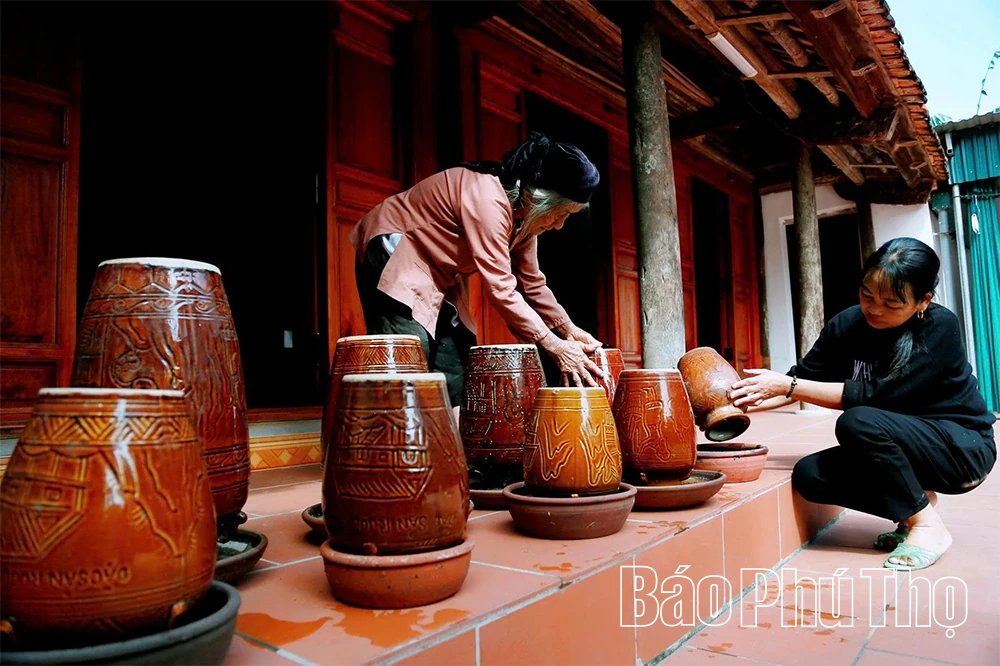
Lap Thach fermented fish - a meticulously prepared dish that has created its own unique identity.
Born and raised in Minh Tru village, Tien Lu commune, Ms. Tran Thi Hang has been taught by her grandparents and parents since childhood about identifying different types of fish and methods for making high-quality fermented fish. Her love for fermented fish has helped her create a unique, delicious flavor that leaves a lasting impression on many diners from the very first bite.
Ms. Hang explained: Fermented fish can be made from many types of fish, but the best are still carp, crucian carp, and catfish. After cleaning the fish, removing the gills and intestines, they are thoroughly salted to remove the fishy smell and make the meat firm. Most importantly, the layer of finely ground roasted rice flour is essential, both for aroma and for preserving the essence of the dish. People in the former Lap Thach district have their own secret to ensure the fermented fish is airtight and not exposed to air. They usually line the jar with clean palm leaves, use rolls of straw and bamboo strips to tightly press down the mouth of the jar, and then let the fish soak gradually. The fermentation process lasts from seven to ten days, enough for the fish to absorb the spices evenly, ferment naturally, and be preserved for a long time without chemicals.



The skill is also evident in the hygiene. Before and after processing, all utensils such as knives, basins, jars, and pots are scrubbed, rinsed with boiling water, and dried thoroughly. The fish handlers must wash their hands thoroughly, and the jars containing the fish are regularly wiped clean to prevent dirt from entering. It is this meticulousness and care that creates the refined quality of the fermented fish salting craft.
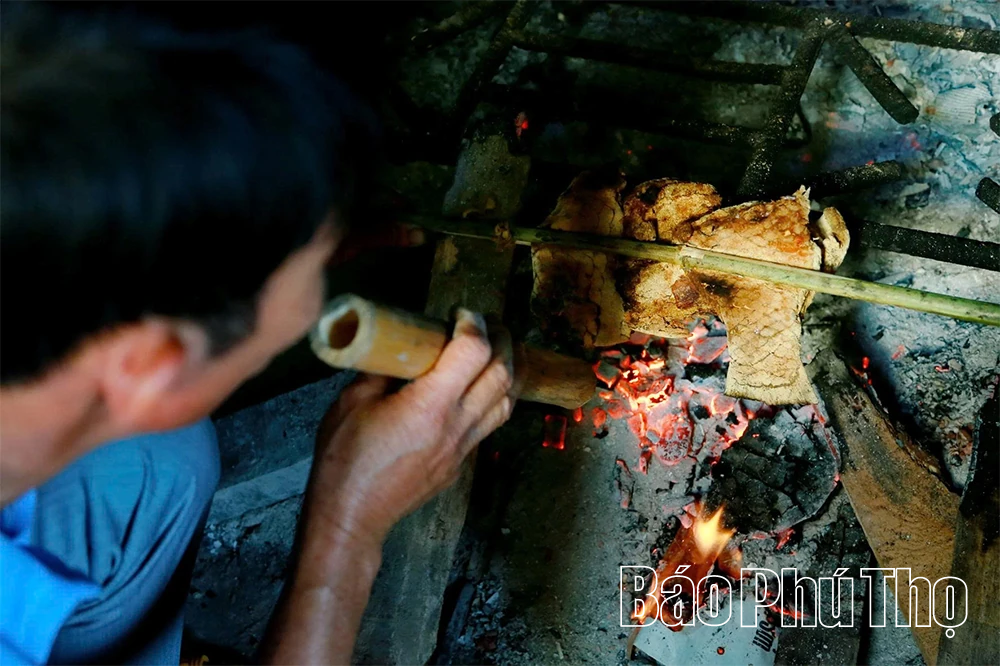
The golden-brown pieces of fish grilled over charcoal leave an unforgettable taste for anyone who tries them for the first time.
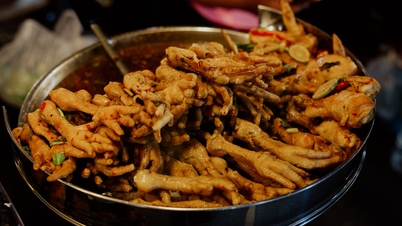
The finished product consists of attractive, golden-brown pieces of fish, fragrant with the aroma of fermented rice powder, and boasting a mild sourness, saltiness, and richness. Fermented fish tastes best when fried until crispy or grilled over charcoal, served with white rice, fresh vegetables, and a dipping sauce of fish sauce with garlic and chili. On cold, rainy days, sitting at a table with a steaming hot meal and a plate of golden-brown fermented fish, the crispy pieces of fish absorbing the sour and salty flavors on the tongue, one truly appreciates the essence of hometown cuisine .
Despite the many changes in modern life, many families still maintain the tradition of salting fish. They see it as a way to preserve their identity, a link between the past and the present. For those who have left their hometown, eating a hot piece of salted fish upon returning home brings back the flavors of childhood. For tourists, it's a unique and unforgettable culinary experience.
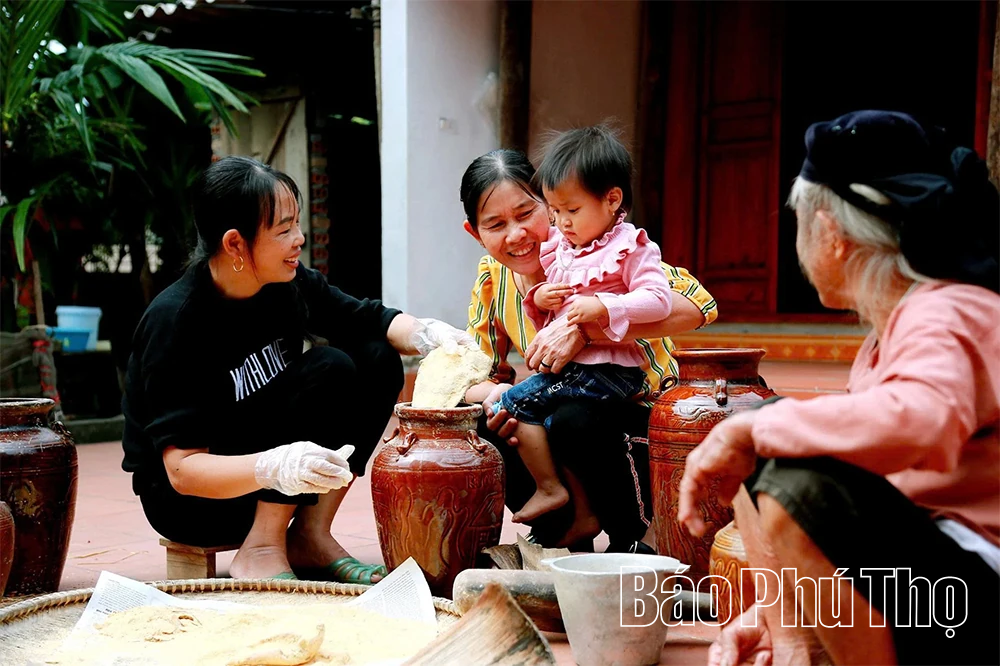
Lap Thach fermented fish has become a marketable product that increases income for many local people.



In recent years, Lap Thach fermented fish has been recognized as an OCOP (One Commune One Product) product of the province. Production facilities have received support to improve packaging and labeling, enhance food safety and hygiene standards, opening up opportunities to bring this specialty to a wider market. This contributes to improving farmers' income and promoting the image of the midland region to friends inside and outside the province.
Le Minh
Source: https://baophutho.vn/ca-thinh-lap-thach-huong-vi-nong-nan-tu-bep-que-239041.htm
![[Image] National conference summarizing one year of operation of the overall organizational model of the political system, the three-tiered government model.](https://vphoto.vietnam.vn/thumb/1200x675/vietnam/resource/IMAGE/2026/07/01/1782882811691_ndo_br_1-jpg.webp)
















![[Video] Weather forecast for tonight and tomorrow, July 2nd, 2026: Tropical depression likely to strengthen into a storm; many areas will continue to experience thunderstorms.](https://vphoto.vietnam.vn/thumb/402x226/vietnam/resource/IMAGE/2026/07/01/1782911026600_thumb-dem-png.webp)