

The Minister of Health stated that over 9,000 healthcare workers have resigned recently. Currently, public healthcare workers account for 95% of the workforce, making them a crucial resource. Without effective policies to retain them, the situation will be very difficult.
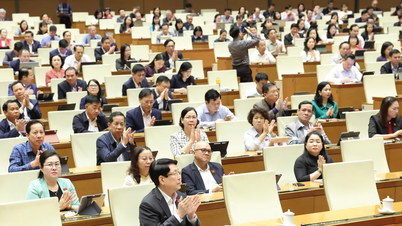
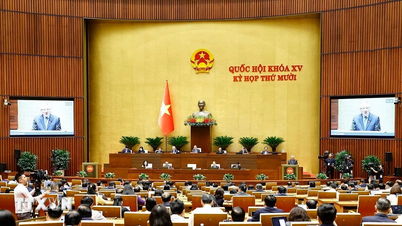
During the questioning session with the Minister of Health on the afternoon of November 11th, many delegates expressed concern about the issue of doctors leaving public sector jobs to work in private hospitals, as well as the management of medical practice licenses in the healthcare sector.
Willing to pay for training to transfer to a private hospital.
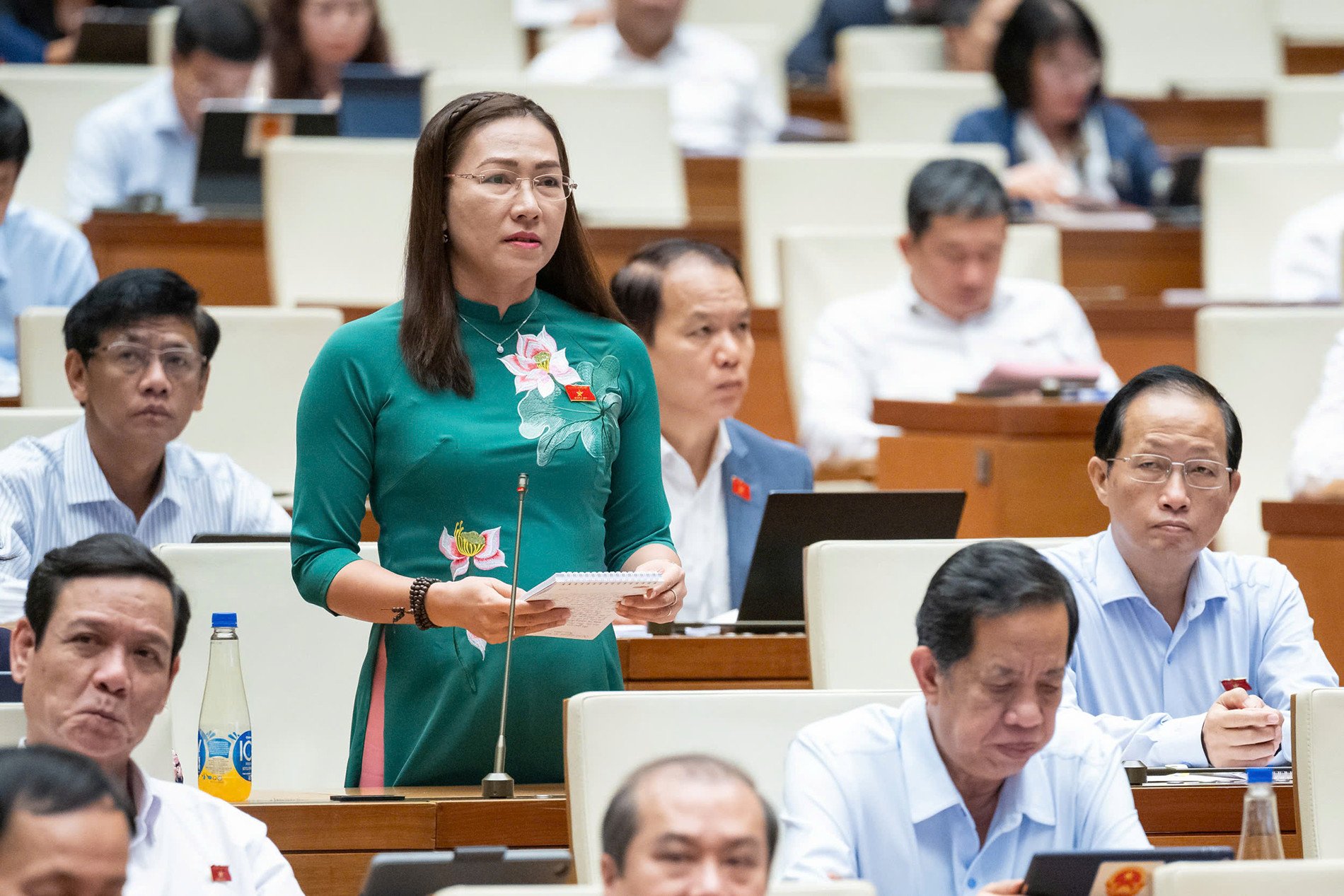
Representative Nguyen Thi Yen Nhi ( from Ben Tre delegation) pointed out the reality that after receiving targeted training, doctors do not work as assigned by the competent authorities or do not work for the committed period of time, and are willing to reimburse training costs to transfer to private hospitals.
This impacts the opportunities of others, as well as the state budget, and affects staffing in public healthcare facilities.
Ms. Nhi stated that, through surveys, the leaders of several local hospitals suggested that this behavior should be considered a violation of professional ethics, stipulating that the practitioner's license should be revoked according to Article 35 of the Law on Medical Examination and Treatment, in order to curb this situation.
"What is the Minister's view? What solutions does the Minister have to limit this situation in the future?", the female delegate asked.
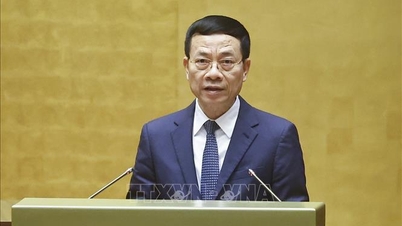
In response, Minister of Health Dao Hong Lan affirmed that the issue of healthcare workers resigning was a very pressing concern in 2022. At that time, statistics showed that more than 9,000 healthcare workers had resigned.
To retain healthcare workers after the Covid-19 pandemic, the National Assembly , the Government, the Prime Minister, and local authorities have implemented numerous policies and solutions.
For example, currently, following the Prime Minister's directive, the Ministry of Health is focusing on amending Decree 56/2011 regulating the preferential allowance regime for civil servants and public employees working in public health facilities; amending Decision 73/2011 on regulating some specific allowance regimes for civil servants, public employees, and workers in public health facilities and the epidemic control allowance regime; and amending Decision 75/2009 related to the regime for village health workers.
In addition, many localities assess the situation and utilize healthcare personnel through various policies approved by the People's Council to attract and retain staff in the public healthcare sector.
"Currently, public health workers account for 95% of the total healthcare staff serving the people. This is a very important force. Without good policies to retain this workforce, it will be difficult to ensure their livelihoods and also fail to meet the expectations of healthcare facilities when they send them for training," the Minister of Health said.
Ms. Dao Hong Lan hopes that local authorities will pay attention to implementing solutions related to this issue.
In his capacity as presiding officer, National Assembly Chairman Tran Thanh Man requested that Minister Dao Hong Lan respond to this matter in writing because "the question from delegate Yen Nhi does not fall within the scope of answering questions during the interpellation session."
430,000 healthcare professionals included in the management system.
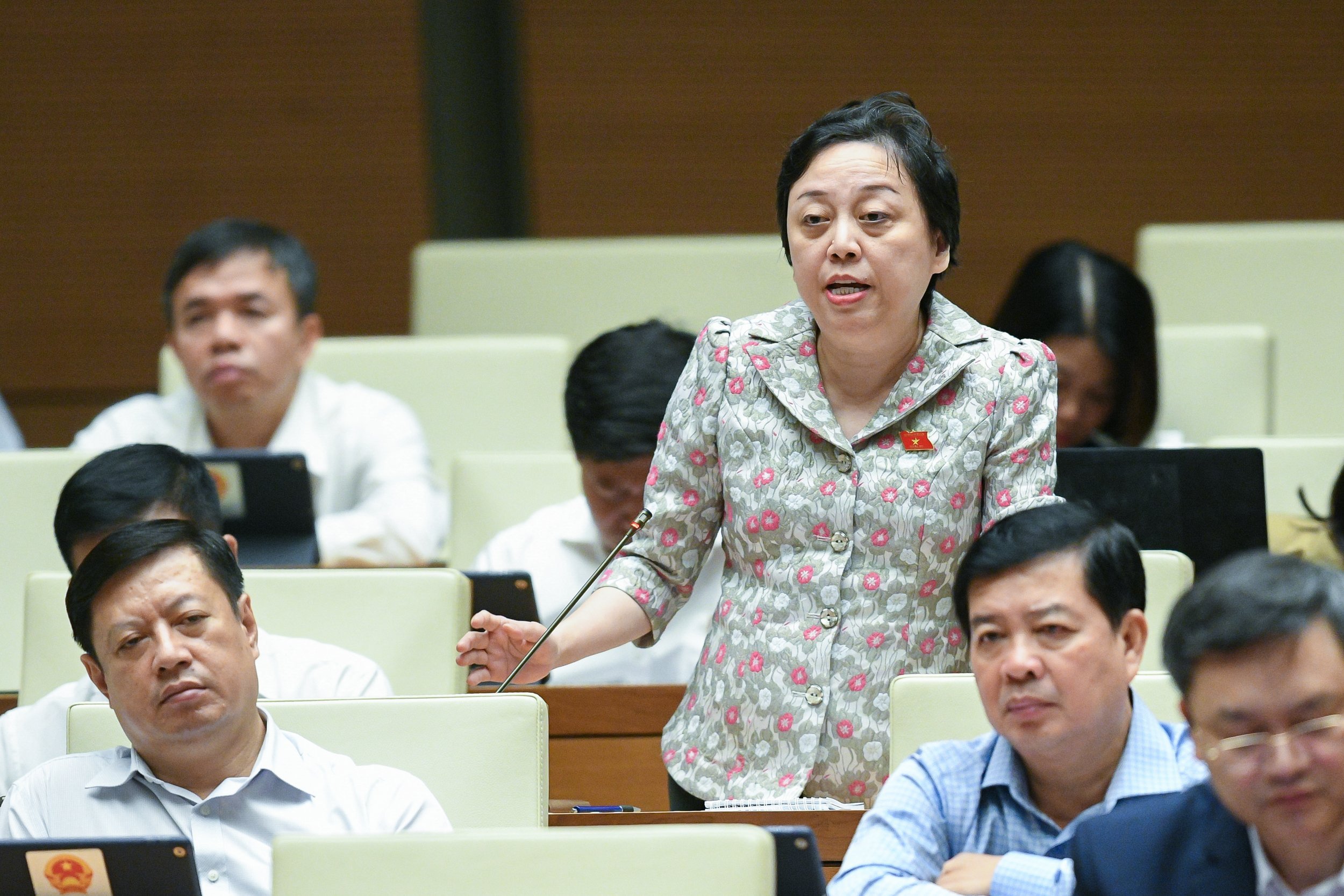
Representative Nguyen Thi Kim Thuy (Da Nang delegation) stated that, recently, voters in the healthcare sector have been very concerned about the situation regarding the issuance of medical practice licenses. Practitioners can submit applications for licenses in any locality, leading to "one person holding multiple licenses" and potentially being responsible for the technical expertise of multiple medical facilities across different provinces and cities.
"I request that the Minister implement management measures to ensure that each practitioner is granted only one practice license and registered under only one medical examination and treatment facility, as stipulated by law?", Representative Thuy questioned.
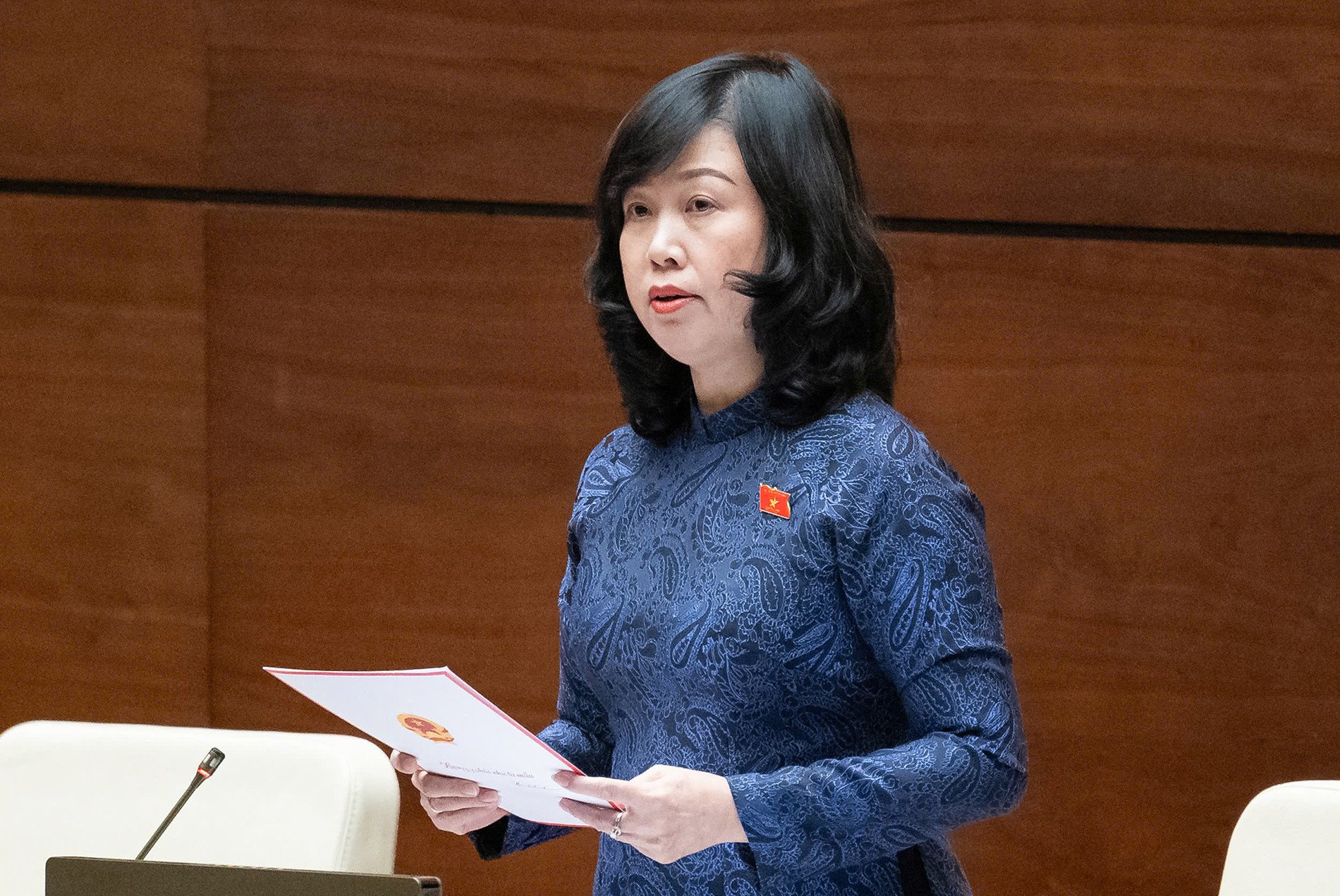
In response to the questions, the Minister of Health stated that currently, according to the Law on Medical Examination and Treatment and Decree 96/2023 detailing some provisions of the 2023 Law on Medical Examination and Treatment and amending some contents of Decree 98/2021 on the management of medical equipment, there is a regulation that "one person can only have one practice license".
"The medical sector is moving towards nationwide management of the use of practitioners' licenses," Minister Dao Hong Lan said.
She stated that prior to 2023, the healthcare sector had a nationwide software system for managing medical practitioners. At that time, over 430,000 practitioners were included in the system out of a total of over 600,000 nationwide. However, this system was developed from 2015 to the present, based on a closed-loop system.
Therefore, to manage, update, and utilize it, the Ministry is adjusting the content and upgrading this software based on connecting it to the online public service systems of localities and the nation, and using national database systems. In the near future, the Ministry will implement solutions to create a unified system nationwide.
With a nationwide system, the health sector, leaders at all levels, and local health authorities can access and understand information about practitioners and manage them in accordance with regulations.
Representatives from the medical sector recount the hardships of bidding for medicines and medical equipment.

After eight months of struggling with drug bidding, three representatives from the health sector spoke frankly to the new minister.
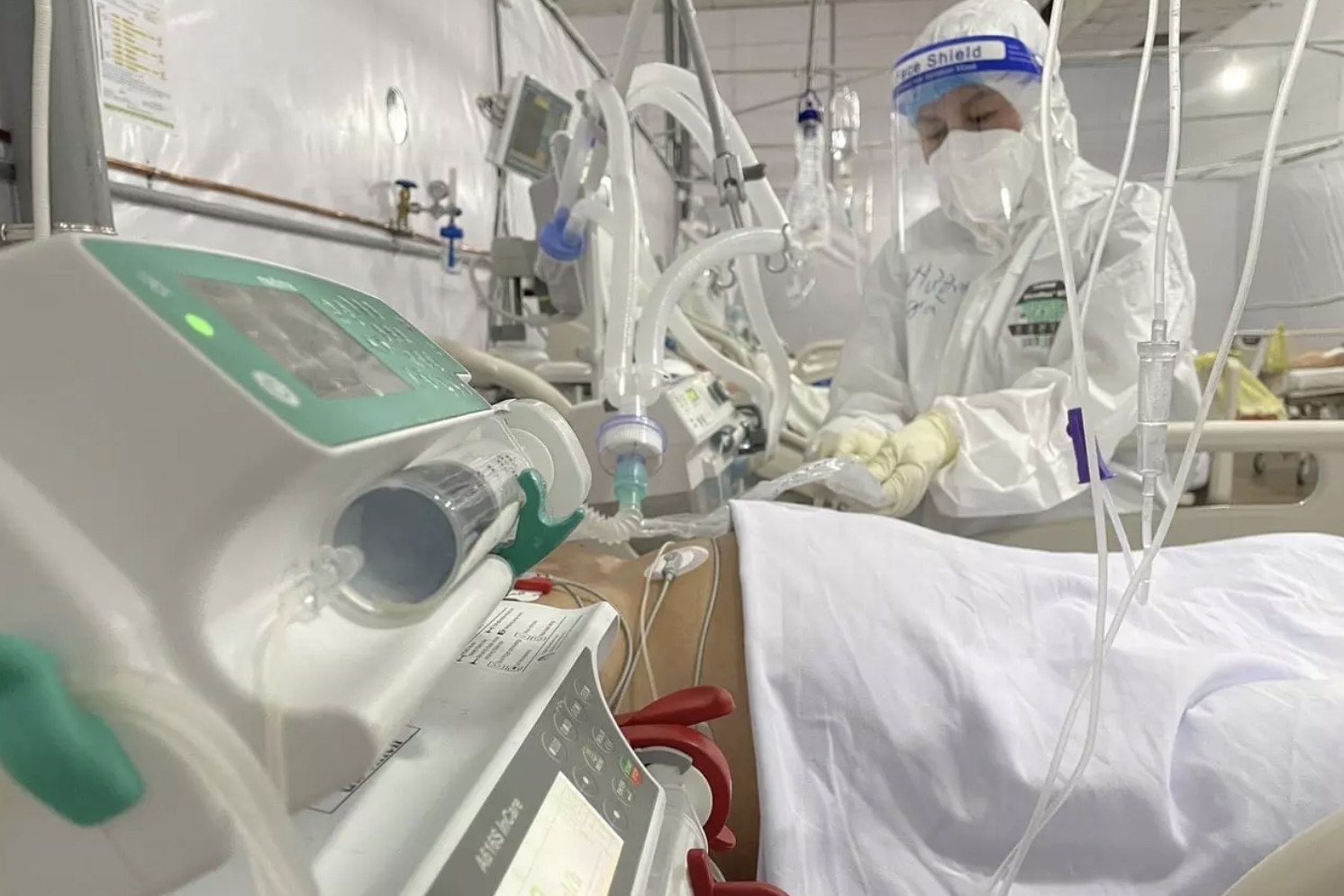
It is crucial to promptly address the fear of making mistakes and the fear of inspections and audits within the medical sector.
Source: https://vietnamnet.vn/hon-9-000-nhan-vien-y-te-nghi-viec-can-chinh-sach-giu-chan-2340928.html


























![[Photo] Prime Minister Pham Minh Chinh holds a phone call with the CEO of Russia's Rosatom Corporation.](/_next/image?url=https%3A%2F%2Fvphoto.vietnam.vn%2Fthumb%2F1200x675%2Fvietnam%2Fresource%2FIMAGE%2F2025%2F12%2F11%2F1765464552365_dsc-5295-jpg.webp&w=3840&q=75)














































Comment (0)