

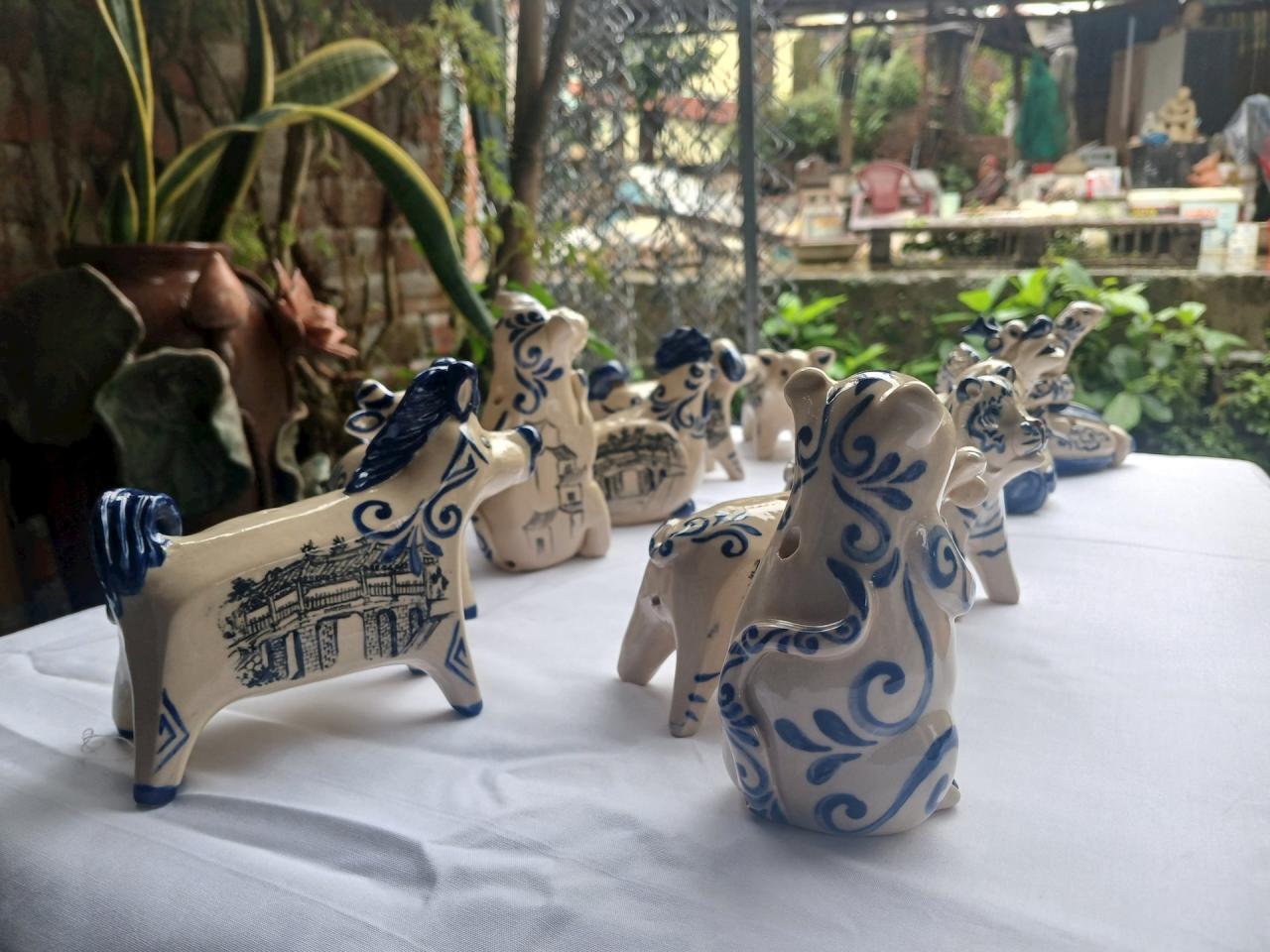
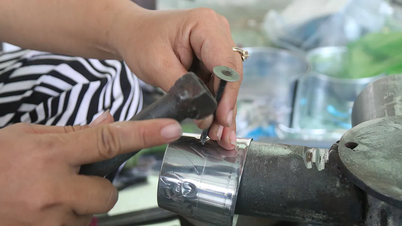
Mr. Le Van Nhat (owner of a traditional pottery production facility in Nam Dieu neighborhood, Thanh Ha ward) said that before applying automation to production, he had to monitor the weather to dry the products after shaping them and then fire them with charcoal. The production process took a lot of time, and the products were easily damaged.
Over the past five years, Mr. Nhat has boldly applied automation to his production, using electric kilns, dryers, and exhaust fans at a cost of approximately 300 million VND. Since implementing automation, he has produced many satisfactory products. Furthermore, using electric kilns reduces environmental pollution from charcoal smoke.
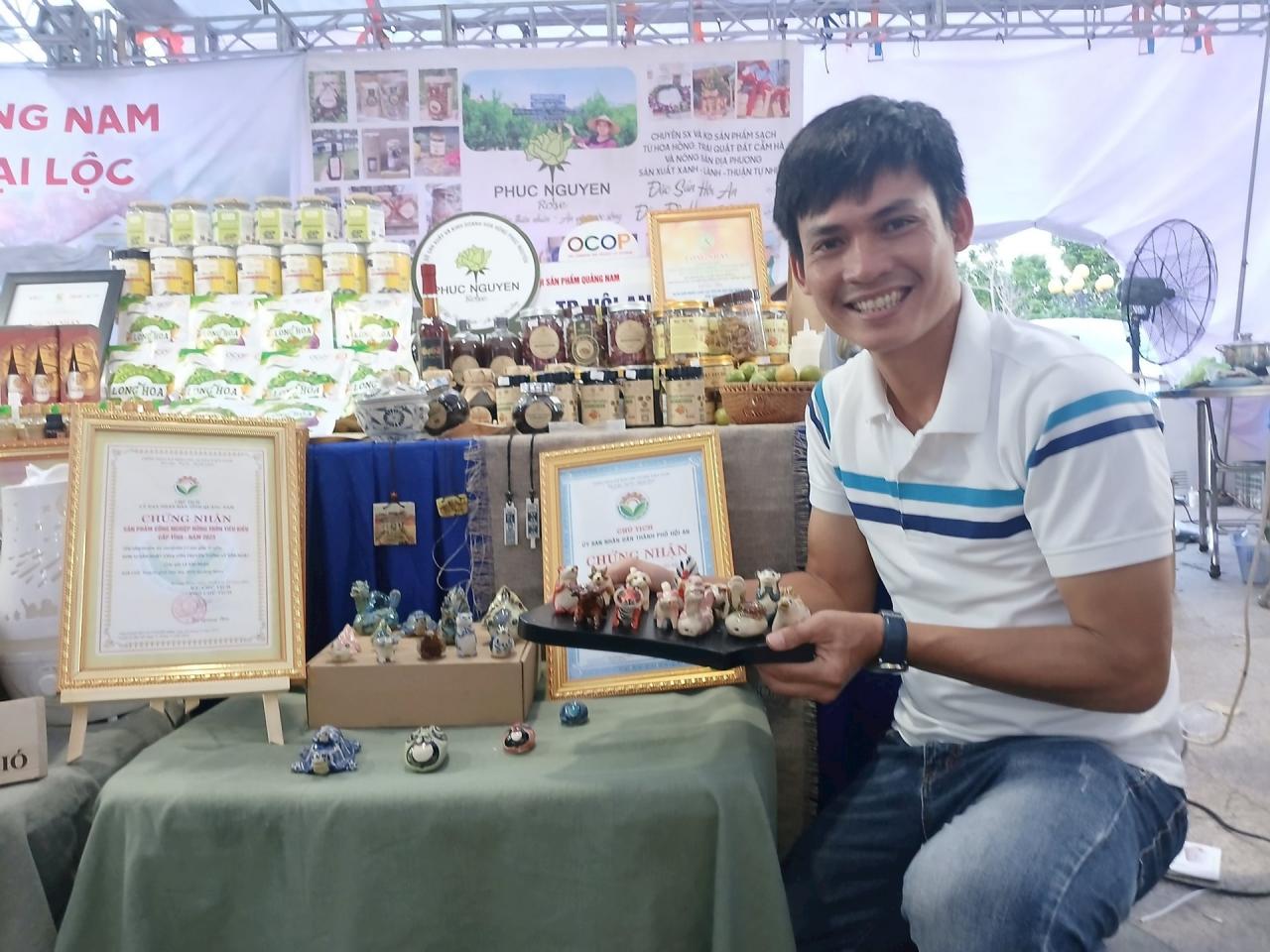
Mr. Nhat added that, in parallel with applying automation to production, he is also embracing digitalization for business and bringing products to market. He has created a website and social media platforms like Zalo and Facebook to advertise his products.
Thanks to digitalization, his products have become more widely known to customers, and his revenue has increased significantly. Mr. Nhat estimates that his income from selling handcrafted products used to be around 7 million VND, but now it has increased to 15 million VND per month.
“When guided by the city's authorities and having my products included in the OCOP program, I received a lot of support from the agencies, from legal documents and capital support to access to digital technology , barcodes, and labels for tracing the origin of the products. In the future, I will bring more products to the e-commerce market because through this, products are promoted visually and receive more interaction from customers,” Mr. Nhat shared.
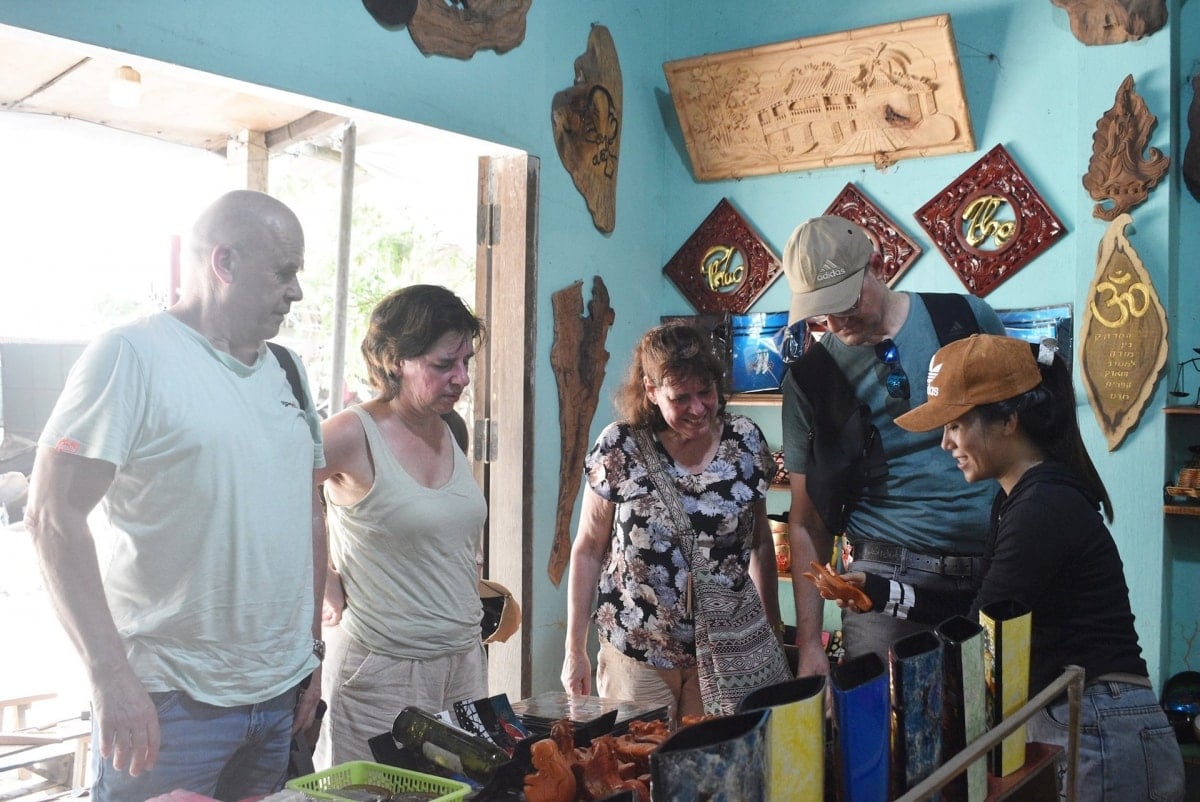
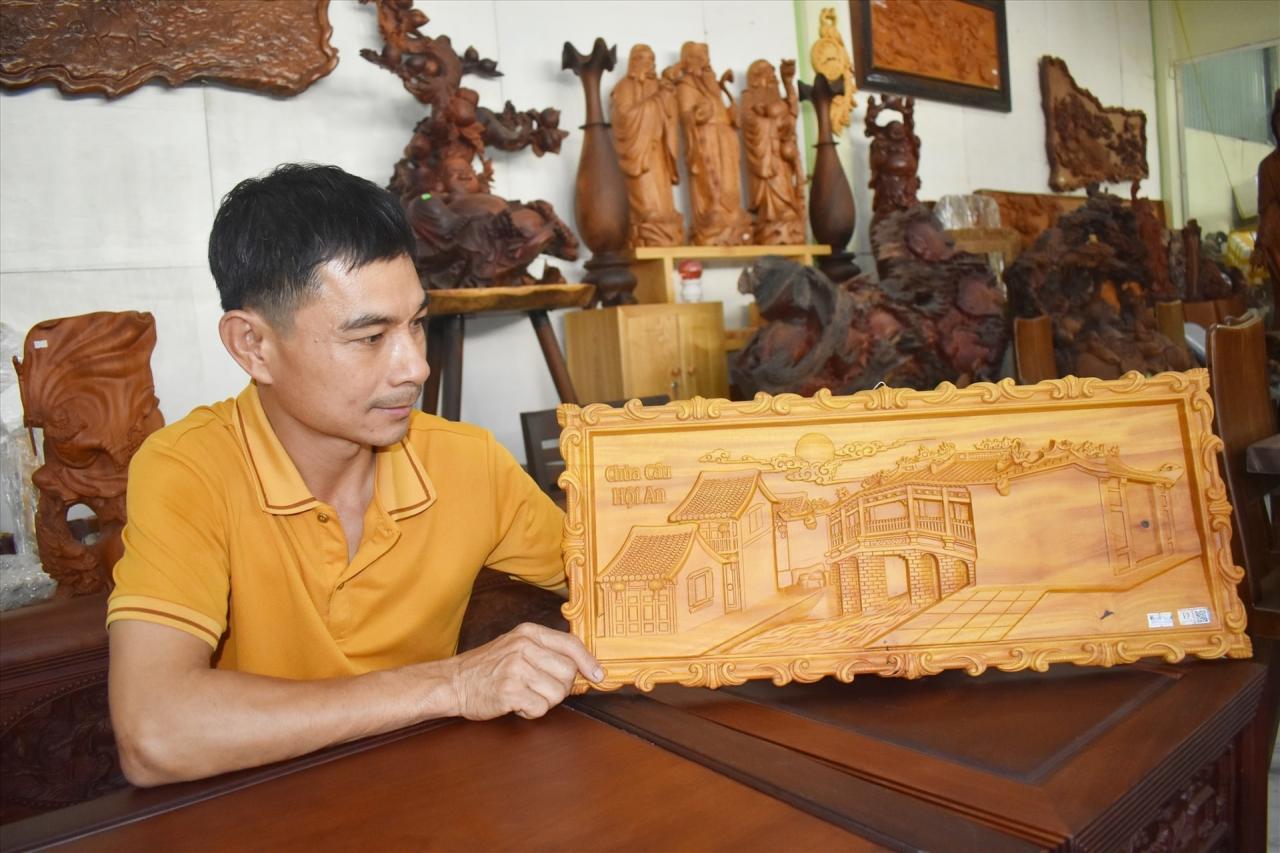
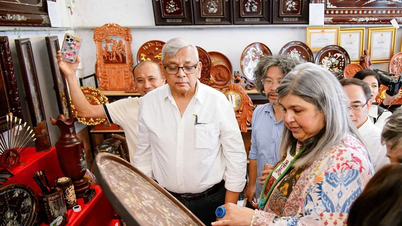
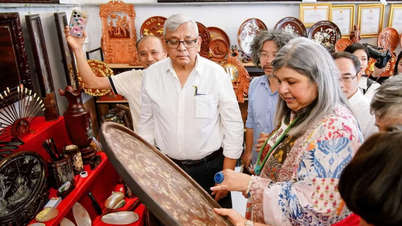
Mr. Vo Duc Thi, owner of a traditional woodworking workshop in Kim Bong (Cam Kim commune, Hoi An city), said that his workshop produces handicrafts from various types of wood such as agarwood, jackfruit wood, and rosewood to create products such as statues, paintings, and ancestral tablets to sell to tourists.
Handmade products are more expensive because of the meticulous attention to detail in each step of the process. His workshop produces about 10 products per month, depending on the size of each item.
In recent years, he has applied CNC automation to production, resulting in products that are not only aesthetically pleasing but also of high quality. Production time is faster than with manual methods, and the selling price on the market has also decreased significantly.
Ms. Nguyen Thi Xuan Vui, Deputy Head of the Economic Department of Hoi An City, informed that the unit regularly advises and guides rural businesses in general, and traditional craft villages in particular, on improving and developing products (packaging, design, trademark registration, basic standards, etc.).
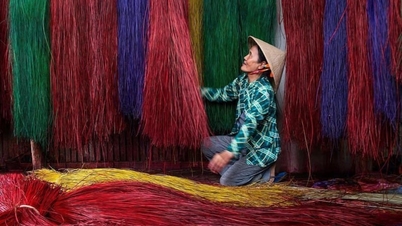
In 2024, two traditional Thanh Ha pottery production facilities and one Kim Bong sedge mat weaving facility participated in and received 3-star OCOP certification from the OCOP program. "Through the industrial promotion program, support was provided in building brand identity and digital marketing for promoting the consumption of typical rural industrial products."
Source: https://baoquangnam.vn/lang-nghe-truyen-thong-o-hoi-an-tiep-can-so-hoa-3145599.html



![[Photo] General Secretary and President To Lam presides over a meeting on preparations for the review of one year of operation of the three-tiered government system.](https://vphoto.vietnam.vn/thumb/1200x675/vietnam/resource/IMAGE/2026/06/02/1780391821195_a1-bnd-4595-9717-jpg.webp)



















































































Comment (0)