

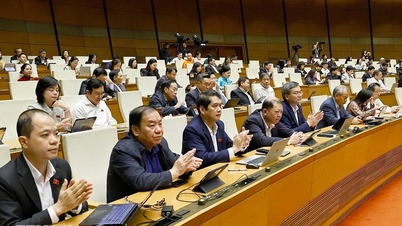
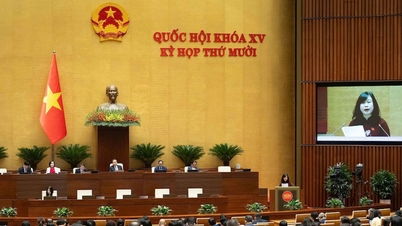
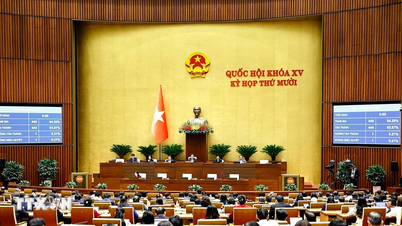
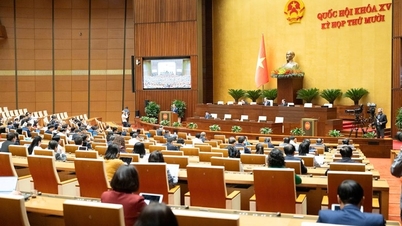
During the group discussion on the draft Law amending and supplementing a number of articles of the Health Insurance Law on the afternoon of October 24th, delegate Thach Phuoc Binh from Tra Vinh province proposed considering adding elderly people aged 60 and above as eligible participants in health insurance funded and subsidized by the state budget.
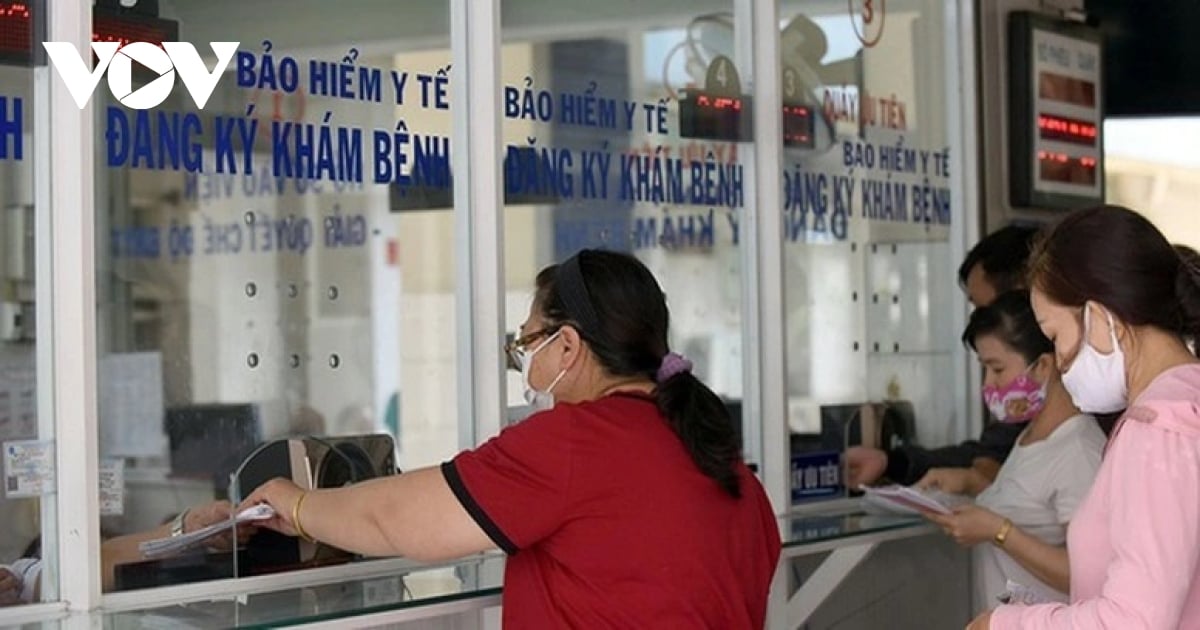
Expanding the scope of those eligible for health insurance coverage.
Explaining this proposal, the representative from Tra Vinh province stated that, according to the Law on the Elderly, people aged 60 and above are considered elderly and are entitled to social welfare policies from the state.
However, according to current regulations, elderly people aged 80 and above who do not receive a monthly allowance are entitled to social assistance and health insurance cards funded by the state budget.
According to the Social Insurance Law of 2024, elderly people aged 75 and above who do not receive a pension are entitled to social retirement benefits and health insurance cards funded by the state budget.
"However, for people aged 60 to under 75 who do not receive pensions or benefits, there is no state-funded health insurance card. I propose including the group aged 60 to 80, so that from July 1, 2025, people aged 60 to under 75 will have their health insurance cards paid for by the state," Representative Thach Phuoc Binh proposed.
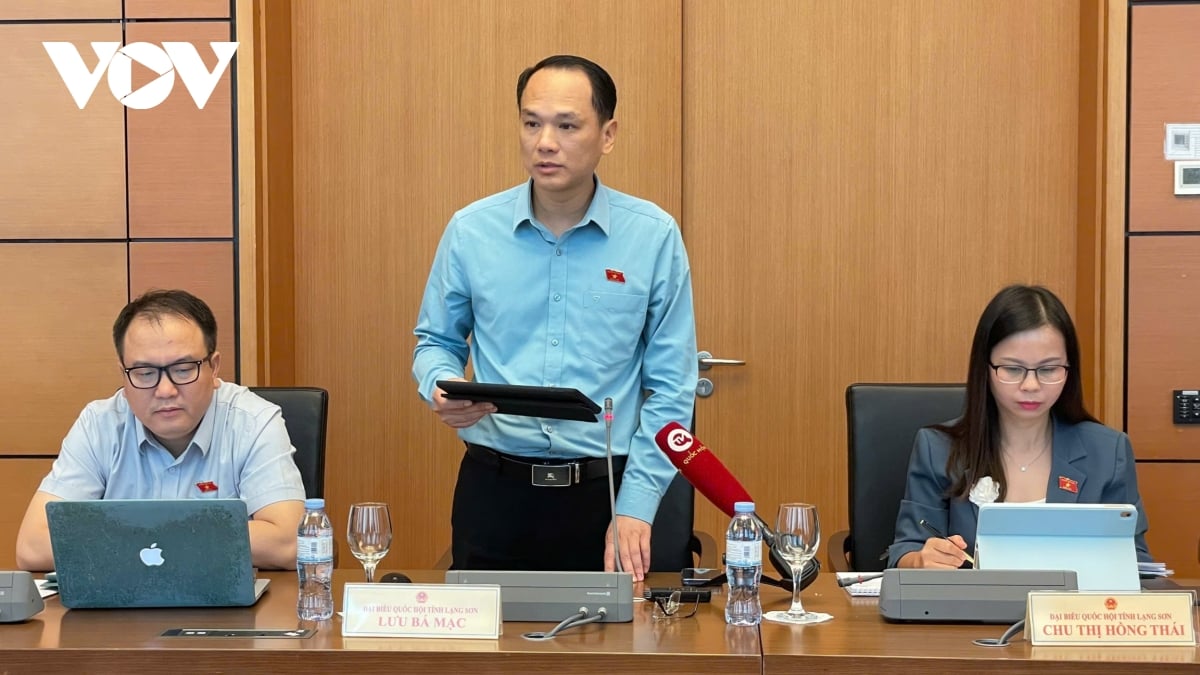
Also contributing his opinion on the beneficiaries of state-funded health insurance subsidies, delegate Luu Ba Mac from Lang Son suggested that ethnic minorities living in areas classified as Zone 2, Zone 3, or in disadvantaged mountainous villages should be included.
"Ethnic minorities living in newly approved communes designated as Zone 1 (newly recognized new rural communes) still primarily engage in agriculture, earning low incomes and facing difficult living conditions. They lack the resources to access health insurance policies. This can negatively impact economic development, leading to the emergence of new poor households and households falling back into poverty," explained the representative from Lang Son province.
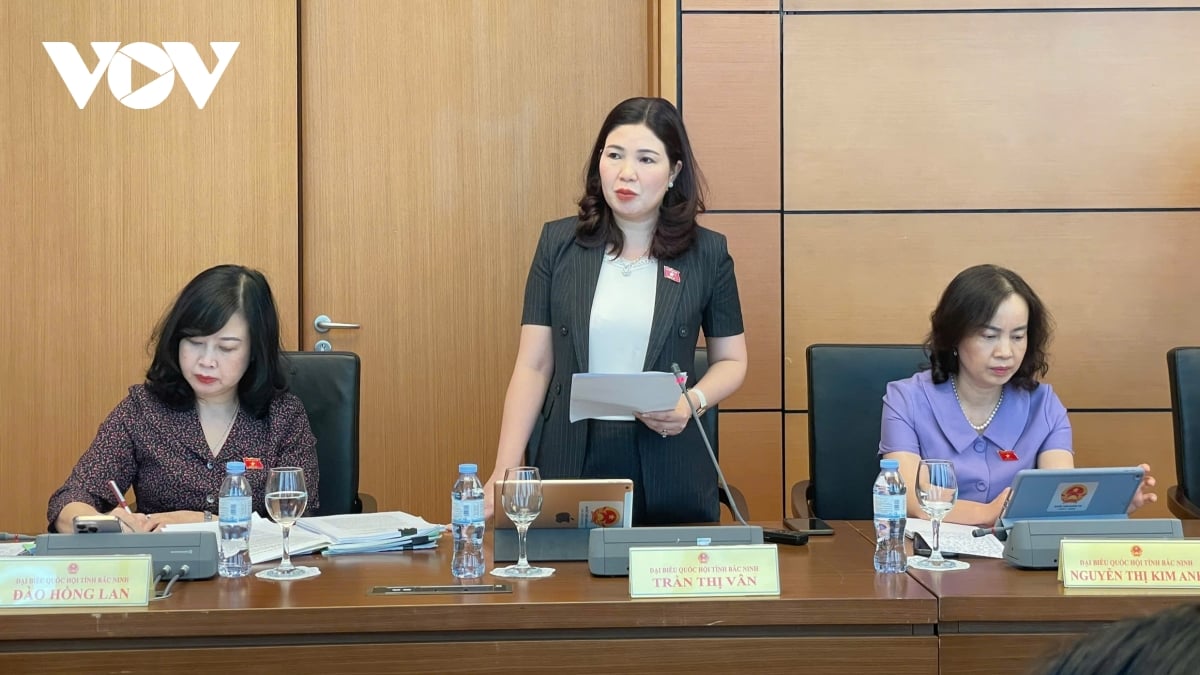
Delegate Tran Thi Van from Bac Ninh also expressed support for the policy of expanding the scope of those eligible for health insurance support, aiming to better ensure the rights of patients and reduce out-of-pocket expenses for health insurance participants.
However, expanding the scope of health insurance benefits needs to be based on the principle of balancing revenue and expenditure and ensuring the stability and sustainability of the health insurance fund.
"We need a thorough, comprehensive, and holistic assessment of the socio-economic situation, as well as the capacity of health insurance participants, the state budget, employers, the impact of increased medical examination and treatment service prices... and the inter-provincial referral policy on the fund's ability to pay," the female delegate stated.
We need to solve the problem of synchronizing the primary healthcare system and specialized healthcare.
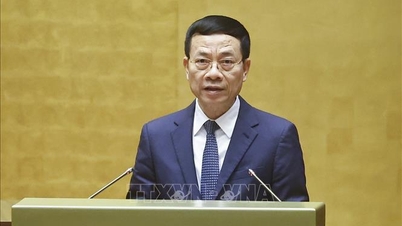
According to Minister of Health Dao Hong Lan, health insurance is also one of the very important factors in building a stable and robust Vietnamese healthcare system. To develop both primary and specialized healthcare systems, we must have a comprehensive approach.
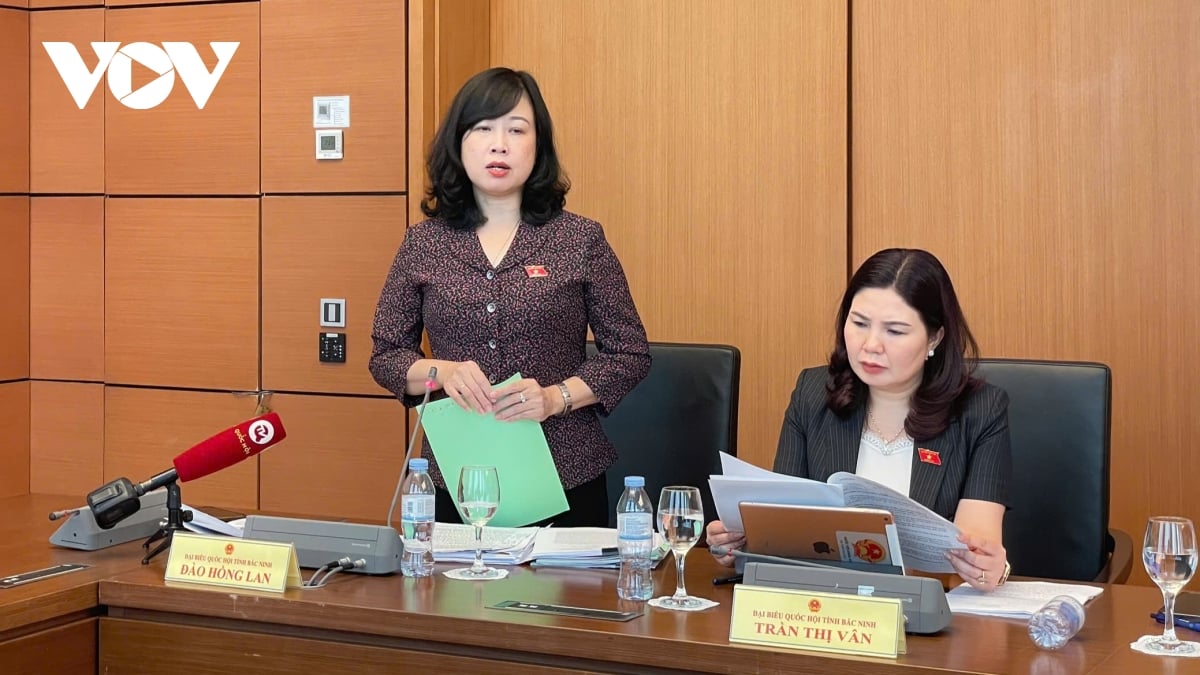
"In addition to facilitating timely access to medical treatment for the people, there must be policies in place to ensure that provincial and district-level hospitals meet technical requirements. People should be able to receive medical care right in their local areas instead of having to travel all the way to Hanoi or Ho Chi Minh City," Minister Dao Hong Lan stated.
"Regarding beneficiaries of health insurance benefits, there were concerns about people in the ATK region, and ethnic minorities in regions 2 and 3 who transferred from region 1. During the drafting process, the Ministry of Health also wanted to institutionalize this in the law. However, after consulting with relevant agencies, the beneficiaries will be included in the Government Decree to ensure compliance with the principles of lawmaking as requested by the General Secretary and the Chairman of the National Assembly at the beginning of this session," the Minister of Health explained.
Regarding investment policies for grassroots healthcare, the Ministry of Health has reported to the Party Committee of the Government and submitted to the Party Central Committee for issuance Directive 25 on strengthening the grassroots healthcare system in the new situation.
"This is a very important guiding principle of the Party Central Committee regarding the grassroots healthcare system," Minister Dao Hong Lan said.
"From directives to specific programs and projects to support grassroots healthcare, we hope that the National Assembly, in its role, will have programs dedicated to the grassroots healthcare system. Because this mainly focuses on local areas, remote and disadvantaged regions," Ms. Dao Hong Lan expressed.
Source: https://vov.vn/xa-hoi/mo-rong-doi-tuong-duoc-ho-tro-bao-hiem-y-te-can-tinh-den-su-ben-vung-cua-quy-bao-hiem-post1130705.vov























![[Photo] Prime Minister Pham Minh Chinh holds a phone call with the CEO of Russia's Rosatom Corporation.](/_next/image?url=https%3A%2F%2Fvphoto.vietnam.vn%2Fthumb%2F1200x675%2Fvietnam%2Fresource%2FIMAGE%2F2025%2F12%2F11%2F1765464552365_dsc-5295-jpg.webp&w=3840&q=75)













































Comment (0)