

Efforts to support students in improving their study skills.
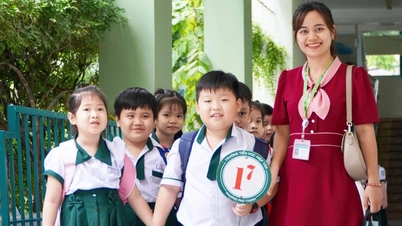
Kim Dong Primary School (Ia Le commune, Gia Lai province) currently has 837 students, the majority of whom are from the Jrai ethnic group.
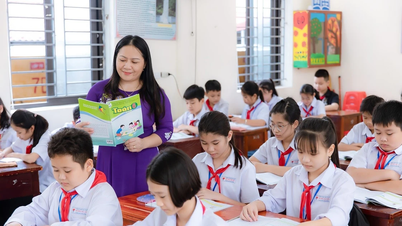
The large proportion of students from ethnic minority groups necessitates a teaching process that incorporates appropriate solutions regarding language and learning skills.
Recognizing this reality, the school has proactively implemented a series of solutions to help students gradually become more confident in the learning environment.
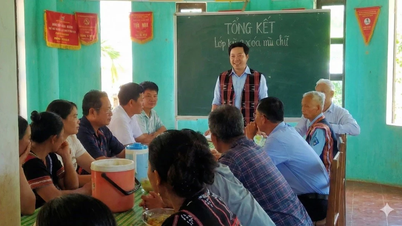
According to Mr. Bui Trung Hieu, the school principal, the institution has intensified many support activities, primarily focusing on promoting Vietnamese language learning for students. For first-grade students, the school organizes a "no-teaching week" to reinforce their reading and writing foundation from the very beginning of the school year.
The remaining grade levels will have their teaching content adjusted to increase the time allocated to Vietnamese Language and Mathematics; and will also apply enhanced Vietnamese language materials as guided by the Ministry of Education and Training .
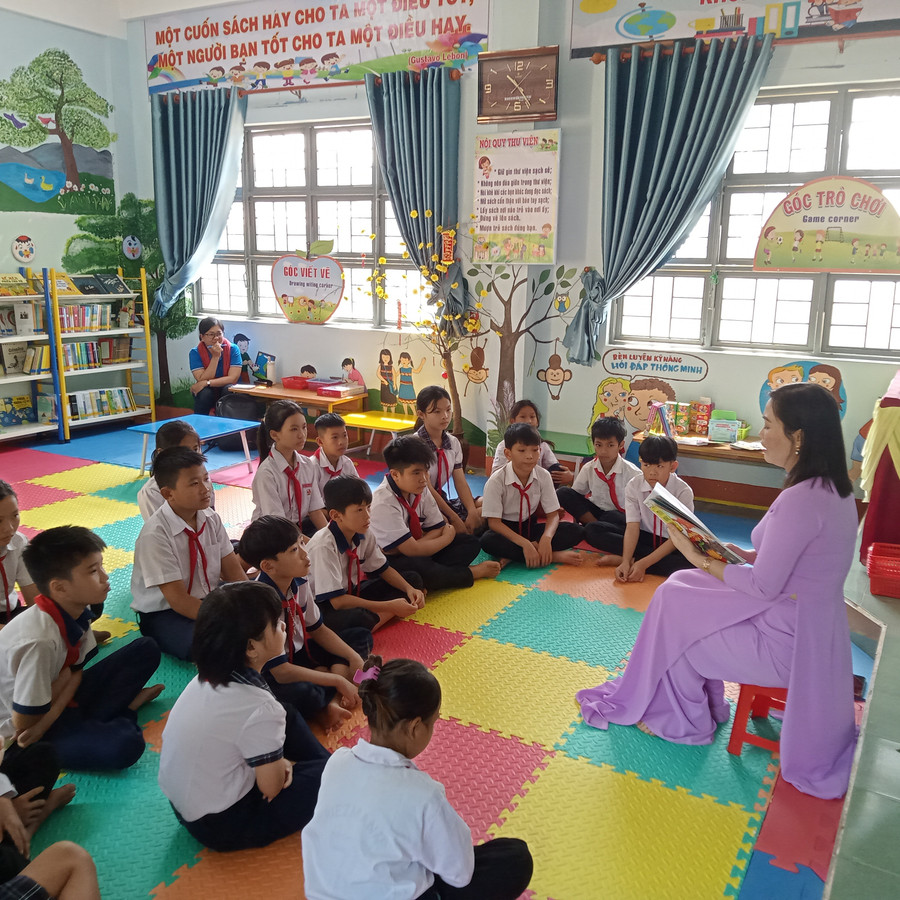
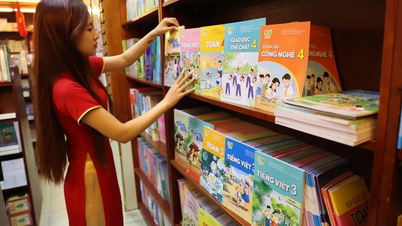
In parallel with regular classes, Kim Dong Primary School also organizes many enriching activities such as the "We and the Vietnamese Language" competition, two weekly reading sessions per class in the library, and green library and classroom corner library models to help students access books and newspapers anytime, anywhere.
These spaces help students proactively practice reading skills, expand their vocabulary, and create an important foundation for long-term learning. In addition to students, the teaching staff also receives enhanced training to meet the new requirements.
The school collaborates with local authorities and parents to promote the benefits of digital transformation in education , guiding them on how to utilize open educational resources and online learning software.
"Currently, in Ia Le commune, the Department of Culture and Social Affairs has been closely supervising the digital transformation in schools. Software and learning materials have been given full attention and guidance for implementation. 100% of teachers have implemented electronic lesson plans, uploading lectures to the Edoc system for convenient monitoring and evaluation," Mr. Hieu said.
However, according to Mr. Hieu, the school still needs more books and stories, computers in the library, and television screens in the classrooms to fully meet the requirements of the new General Education Program.
These are also important conditions for teachers to innovate their methods and for students to have more opportunities to access knowledge.
"What we want most is for all ethnic minority students to study in an environment with sufficient learning materials, facilities, and conditions for comprehensive development in intellect, morality, physical health, and life skills," Mr. Hieu shared.
Promoting a reading culture in schools.
One of the highlights of Kim Dong Primary School is the Room to Read friendly library, a model directed by the Provincial Department of Education and Training to be built in 10 primary schools in Gia Lai province.
Stemming from the limited access to books and reading materials for students in disadvantaged areas, this model was implemented at Kim Dong Primary School from the beginning of the 2023-2024 school year, bringing with it more than 1,700 books categorized by color code, suitable for each student's reading level.
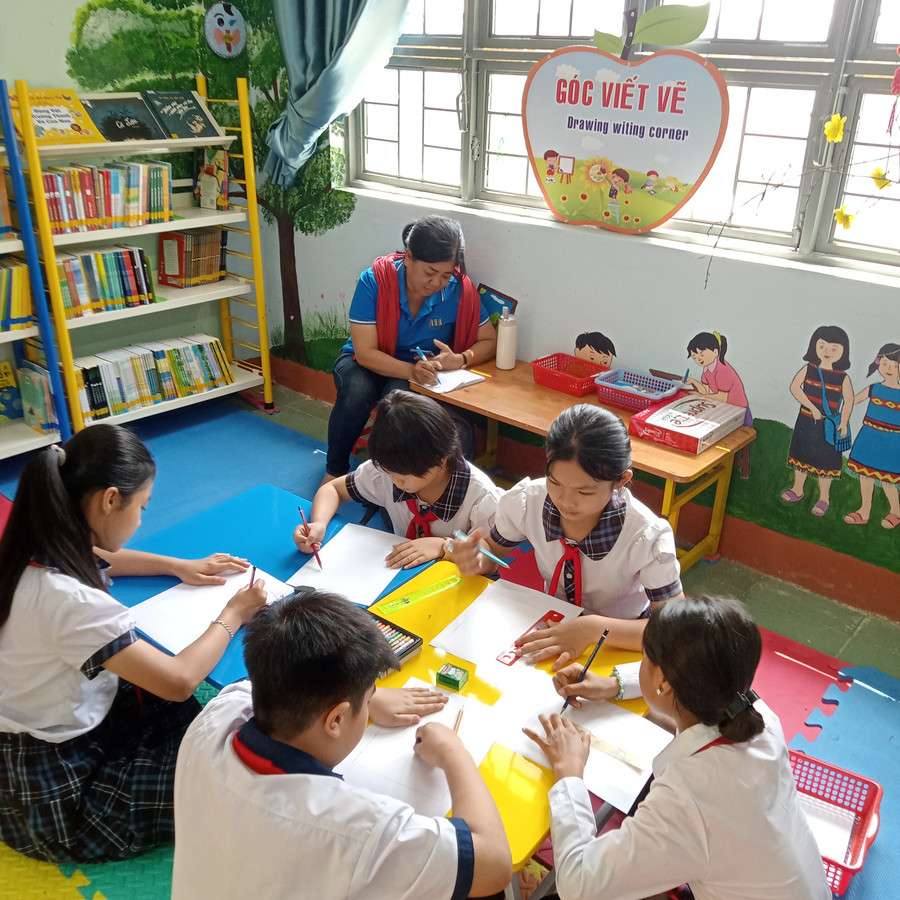
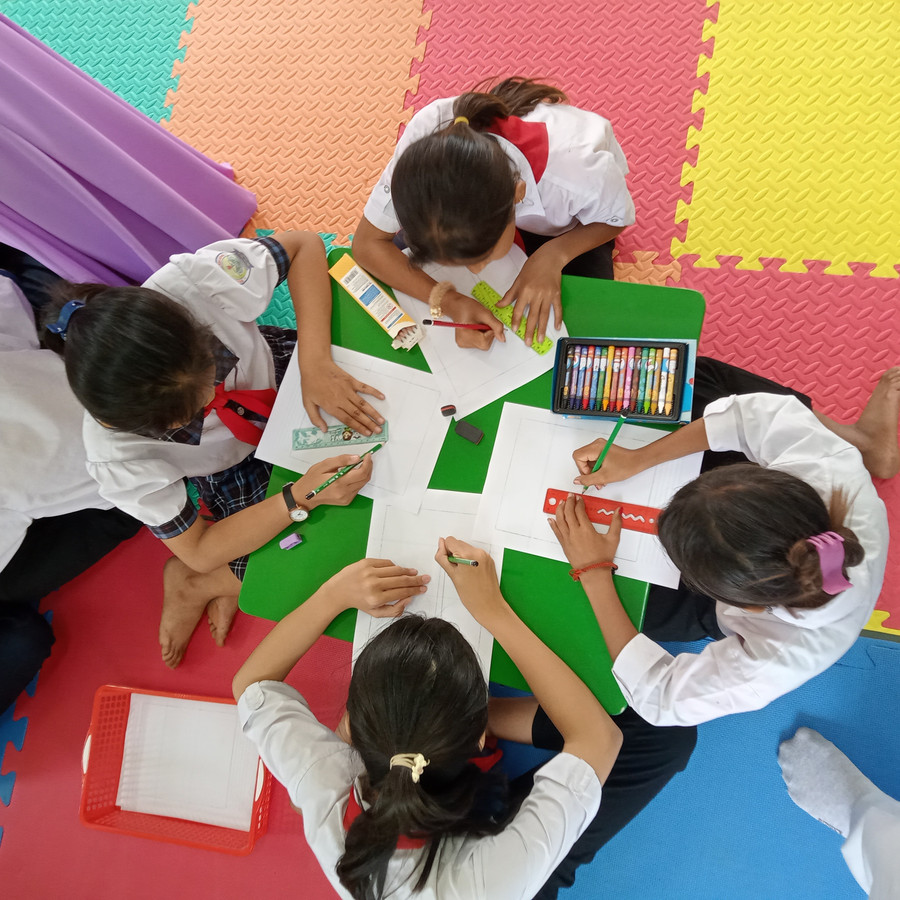
The library space is designed in an open style: low bookshelves within easy reach, a game corner, a creative corner, a research corner… making it easy for children to choose books and participate in many activities that broaden their understanding, such as writing, drawing, storytelling, and group discussions.
It was this sense of familiarity that quickly made the library a familiar destination during every break time or regular reading sessions.
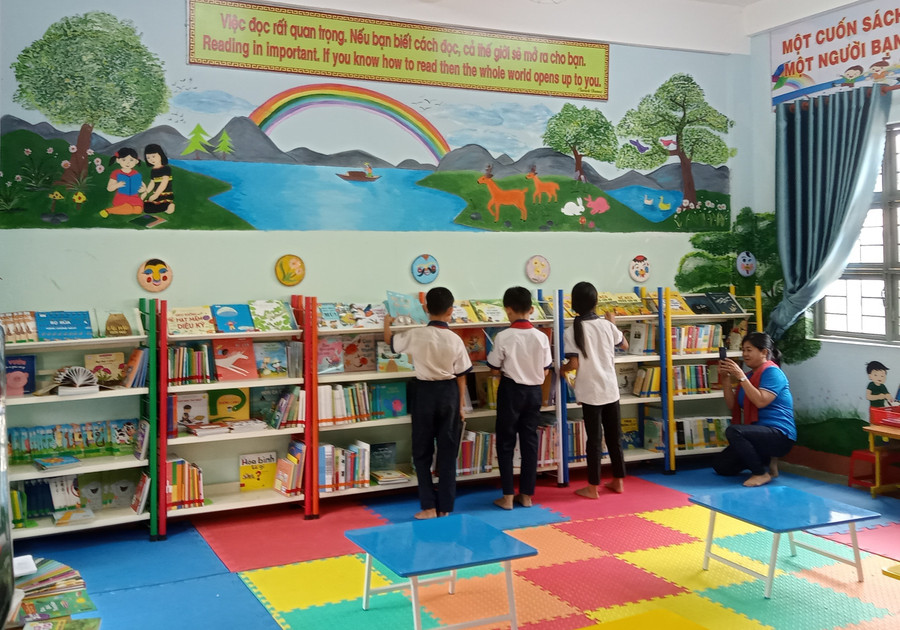
According to the school principal, the most noticeable impact of the model is that students have become more enthusiastic about reading and have gradually developed positive study habits.
"Students are enthusiastic about reading because of the diversity of books available, which are suitable for each age group and categorized by color coding system. This fosters a reading habit, leads to more diligent school attendance, and results in more friendly and harmonious relationships with friends."
"The children frequently visit the library to read during recess and library reading sessions; they often borrow books and stories to read at home and return or exchange them according to the librarian's instructions," he shared.
Beyond the central library, the school has expanded its reading options with green libraries and classroom corner libraries, ensuring students have regular access to books, stories, newspapers, and learning materials anytime, anywhere.
The books are also rotated regularly, accompanied by activities such as reading aloud together, individual reading, or reading in pairs, depending on the grade level.
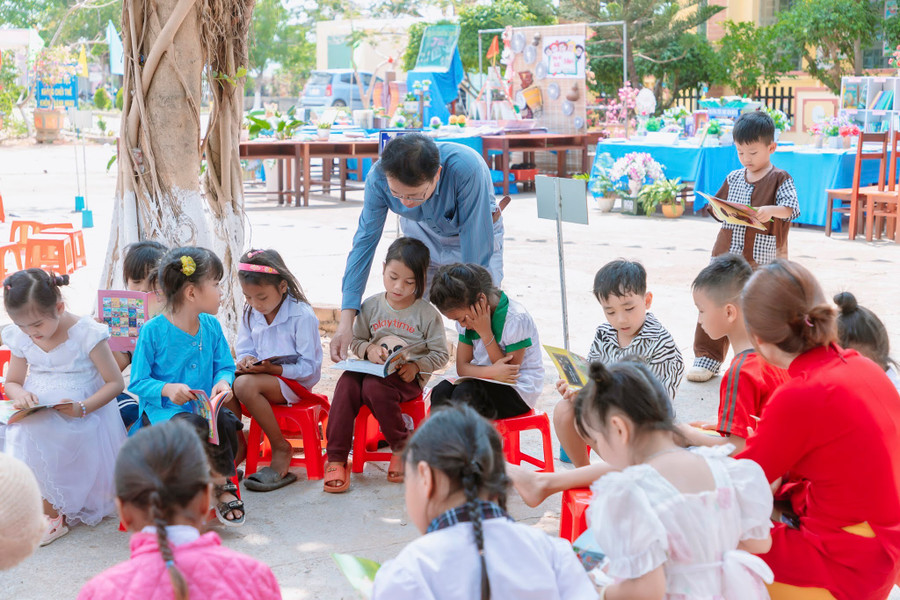
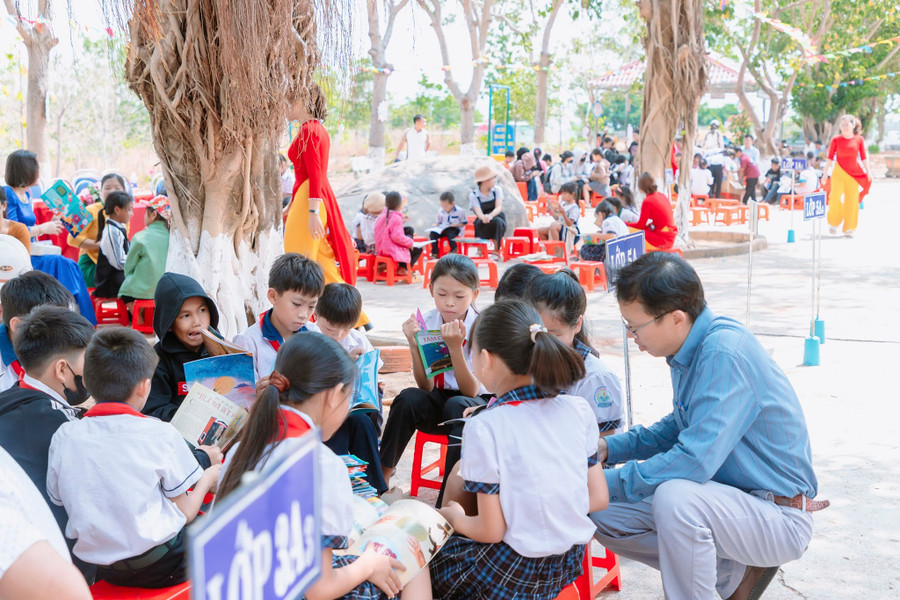
In addition, after reading books at the library, students engage in activities that broaden their understanding based on their abilities and talents, revolving around the topic they have just read. They can write, draw, compose poetry, discuss, act in plays, etc., depending on their own creative thinking.
The school's teachers also received comprehensive training from the Room to Read Project, ranging from skills in organizing reading sessions to methods for guiding students in expressing their creative appreciation.
As a result, a reading culture is gradually spreading throughout the school, providing practical support for strengthening Vietnamese language skills and improving the quality of learning.
Looking ahead, the Principal of Kim Dong Primary School hopes to continue maintaining the model, expanding learning resources, and connecting parents and the community to create a sustainable reading environment for ethnic minority children.
"I hope that every ethnic minority student will grow up in a complete and humane learning environment, where they have access to quality learning materials and appropriate facilities to comprehensively develop their intellect, morality, physical health, aesthetics, and life skills," Mr. Hieu said.
Source: https://giaoducthoidai.vn/nhung-trang-sach-nang-buoc-hoc-sinh-vung-kho-gia-lai-post760155.html

















![[Photo] Prime Minister Pham Minh Chinh holds a phone call with the CEO of Russia's Rosatom Corporation.](/_next/image?url=https%3A%2F%2Fvphoto.vietnam.vn%2Fthumb%2F1200x675%2Fvietnam%2Fresource%2FIMAGE%2F2025%2F12%2F11%2F1765464552365_dsc-5295-jpg.webp&w=3840&q=75)










































Comment (0)