

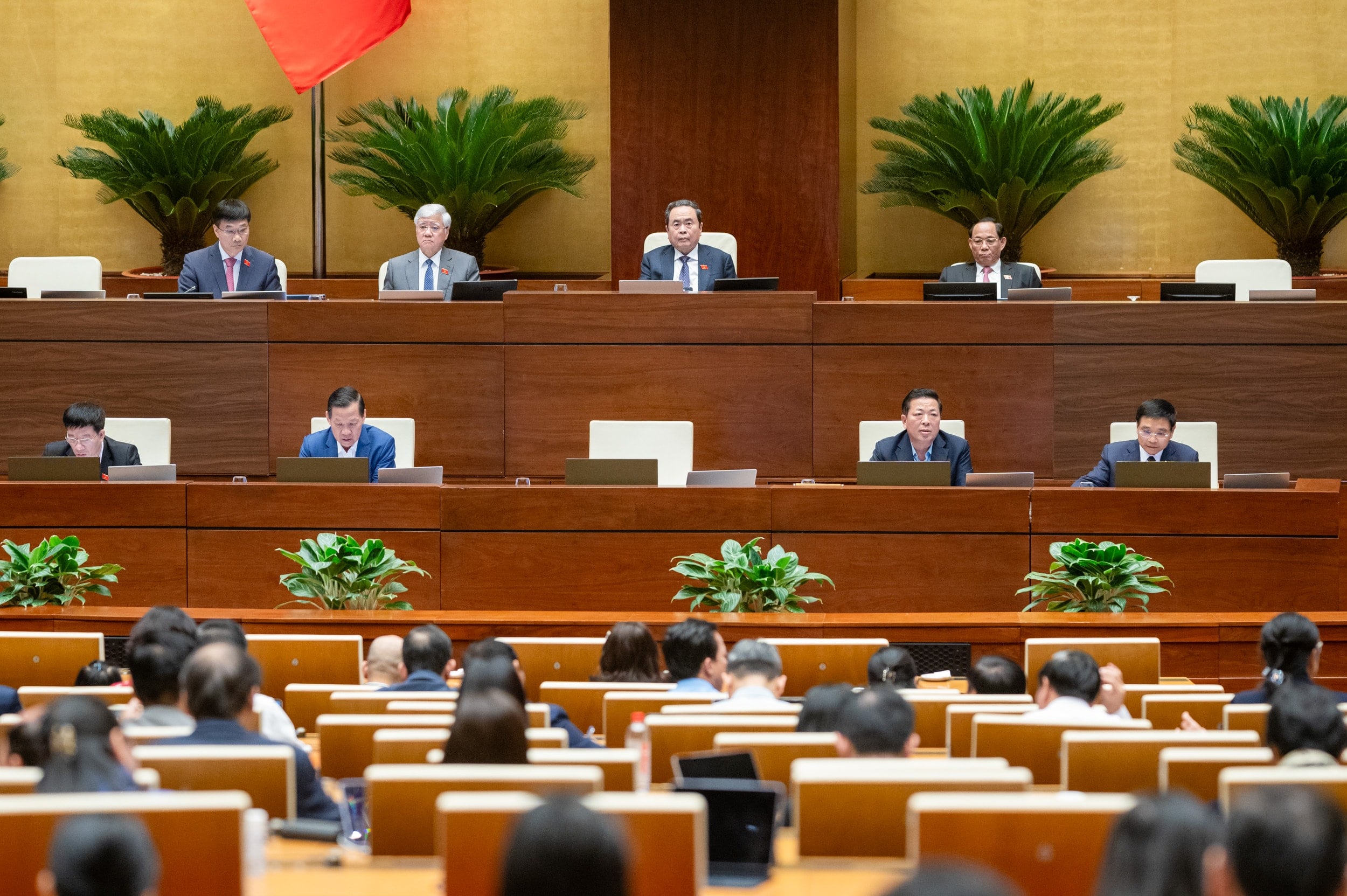
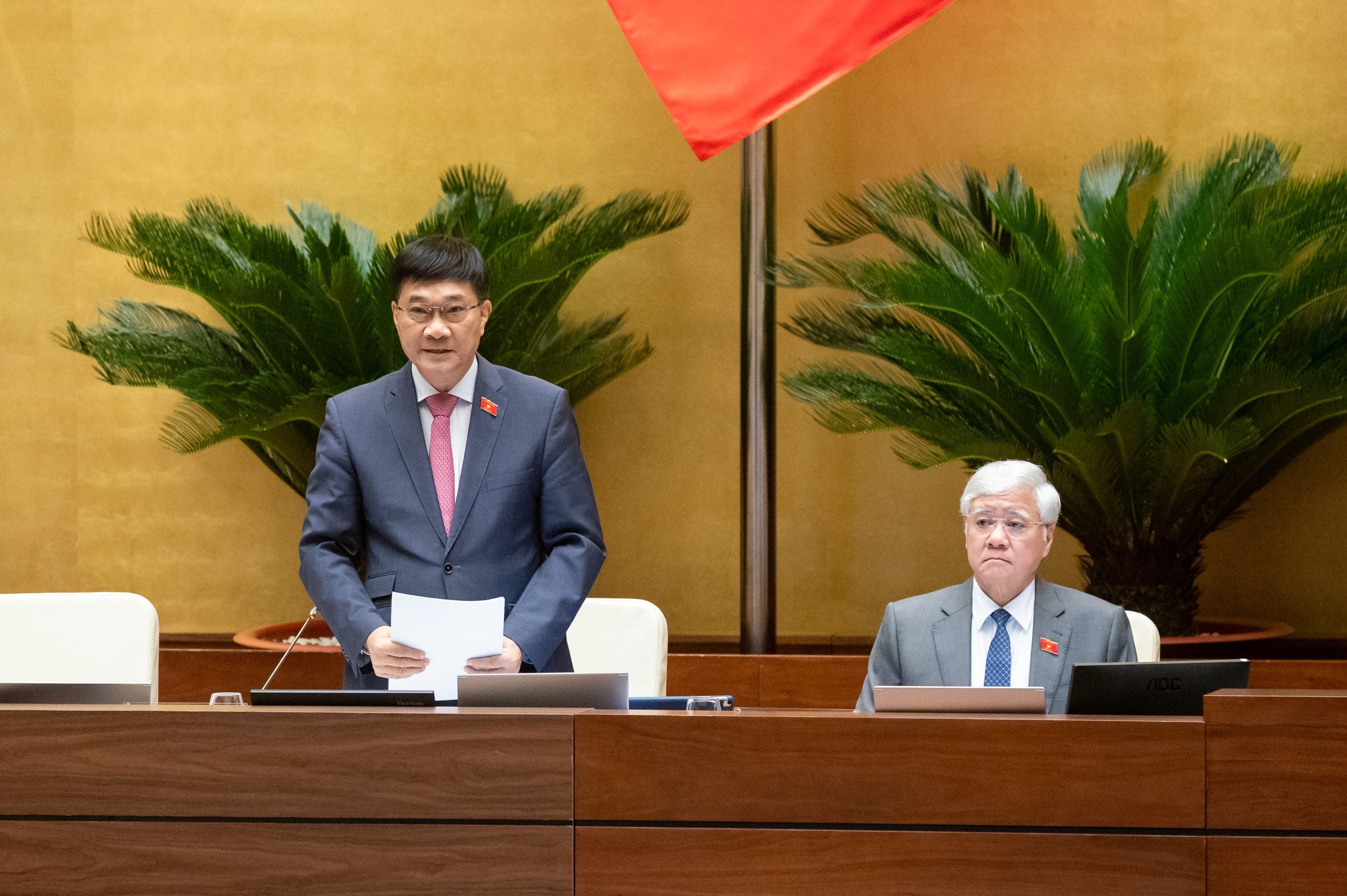
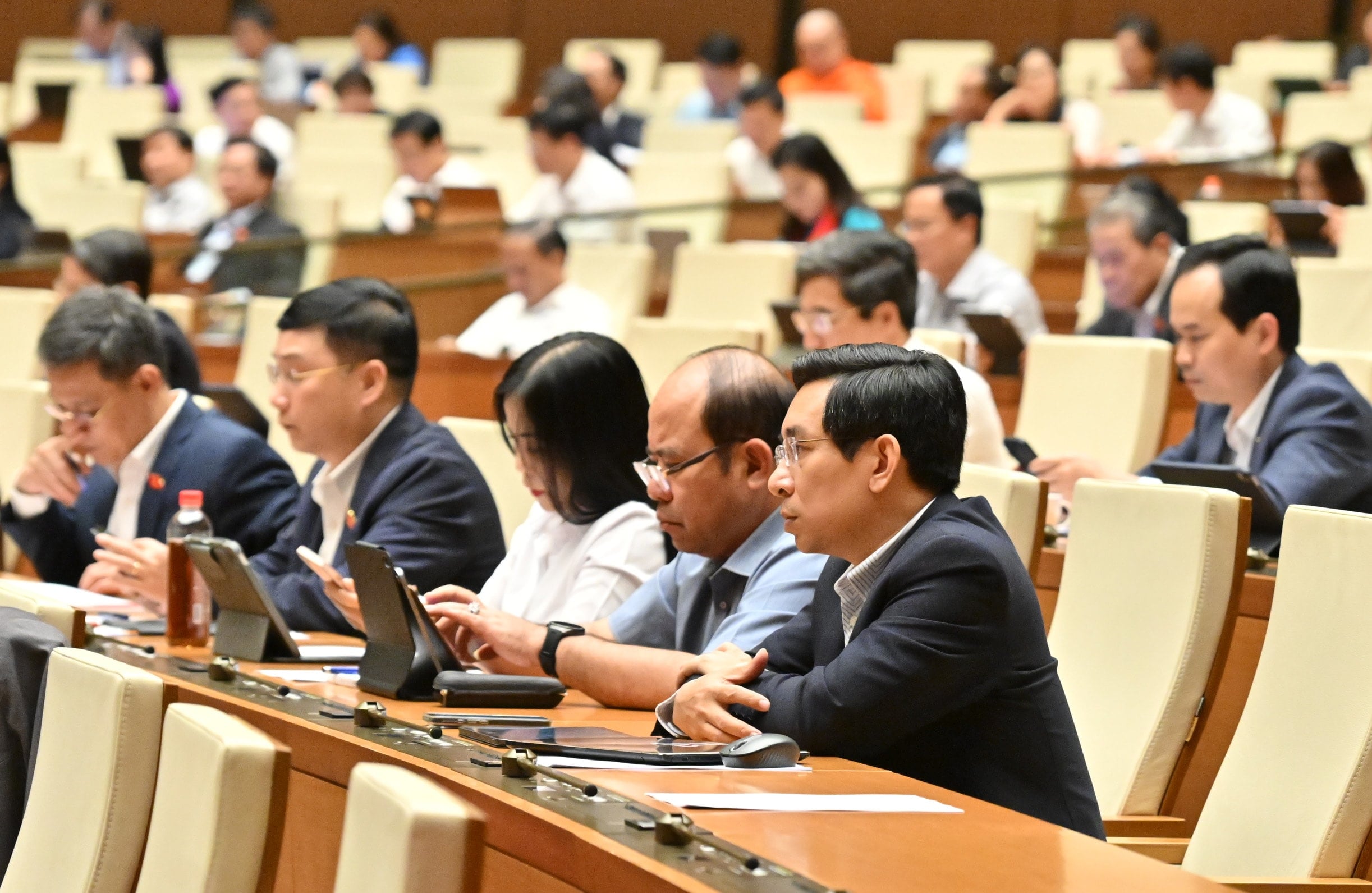
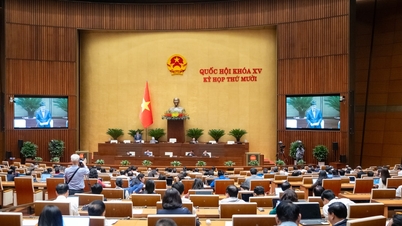
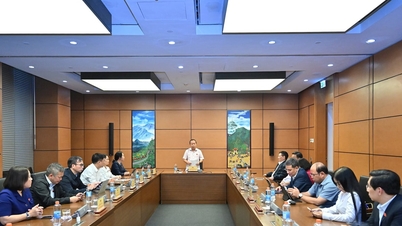
On the afternoon of December 8, under the chairmanship of National Assembly Chairman Tran Thanh Man and the direction of National Assembly Vice Chairman Vu Hong Thanh, the National Assembly discussed in the Hall the draft Resolution of the National Assembly on mechanisms and policies for national energy development in the 2026 - 2030 period.
Clarifying the mechanism for controlling project approval first and planning adjustment later
In Clause 2, Article 4, the draft Resolution allows urgent important energy projects with contents different from the relevant planning to not have to carry out planning adjustment procedures. And after the project is approved, the relevant planning must be promptly reviewed, adjusted, updated and announced.
National Assembly Delegate Trieu Thi Ngoc Diem (Can Tho) commented that this is a breakthrough mechanism to create optimal conditions for energy projects to be implemented quickly. However, there will be problems that need attention in practice.
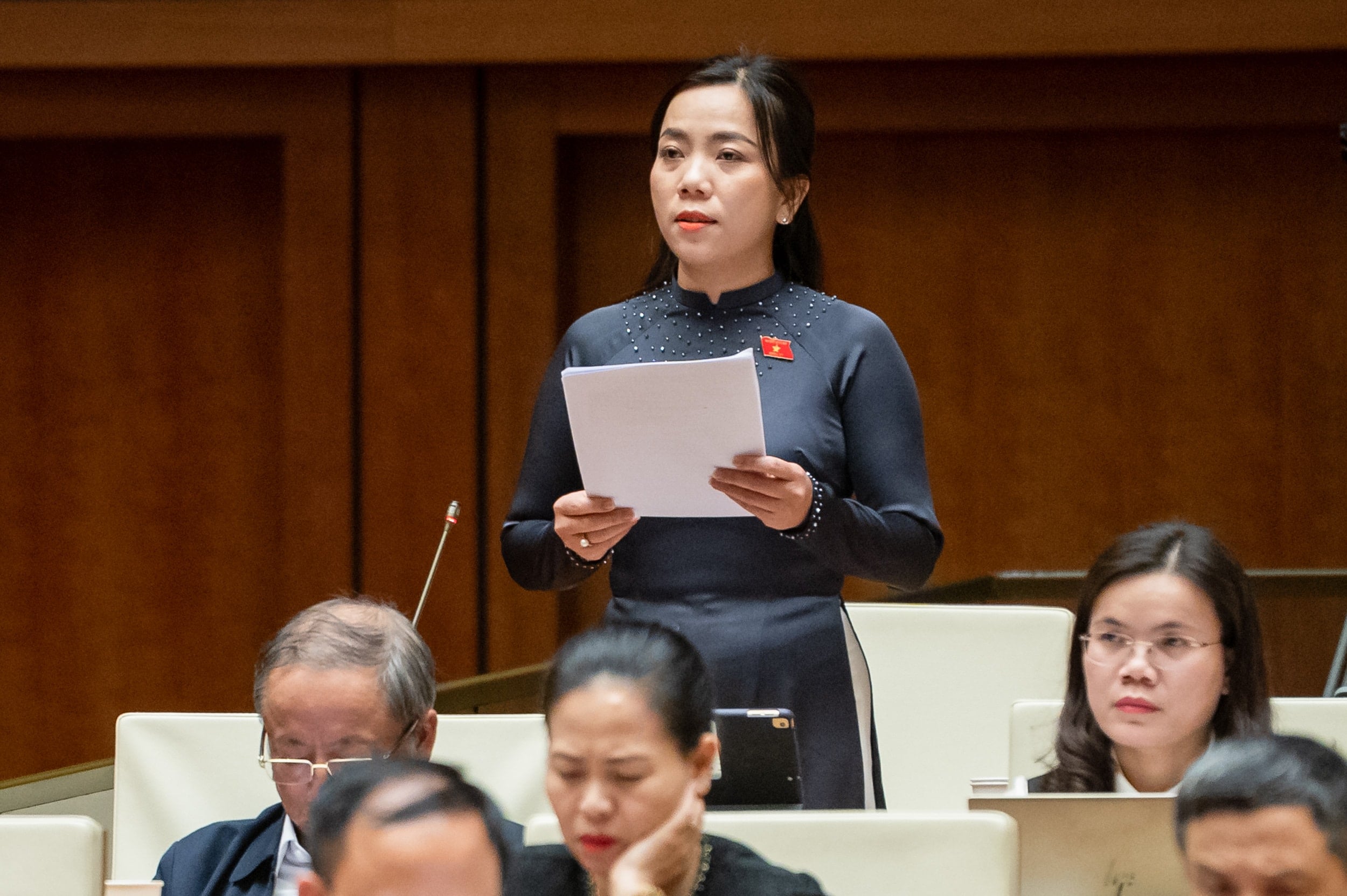
The delegate requested clarification on what are the relevant plans? Because currently each type of planning has its own role and importance in the orientation of the national master plan. It is also difficult to say that energy planning is more important than other plans and in fact, in the planning process, land and energy planning have been integrated into local planning at each level and each type of planning.
Furthermore, what are the procedures and methods for reviewing, adjusting, updating and publishing relevant plans?
According to delegate Trieu Thi Ngoc Diem, because the implementation period of this Resolution is the period 2026 - 2030. According to the provisions of Article 23 when the Resolution is issued in January 2026, the Government and the Ministry of Industry and Trade together with units will develop and issue decrees and circulars guiding a number of tasks. This process will take more time; the period to fully exploit the preferential policies in the Resolution will not be much left. Therefore, it is necessary to limit the addition of "sub" instructions to create consistency in planning work.
Delegate Trieu Thi Ngoc Diem proposed to simultaneously establish and appraise important and urgent energy projects along with the process of adjusting related plans. This plan will be quick and ensure consistency with other plans, with few new regulations and instructions, or to promptly issue regulations guiding criteria, procedures, procedures for submitting, appraising and approving important and urgent projects of national energy projects so that when the Resolution comes into effect, it will be implemented immediately, without having to wait for instructions.
At the same time, clarify the mechanism for controlling project approval first and planning adjustment later to create consistency and promote the effectiveness of all types of planning. Do not overemphasize energy sector planning while overlooking other sector planning, especially to avoid waste and overlap in planning work.
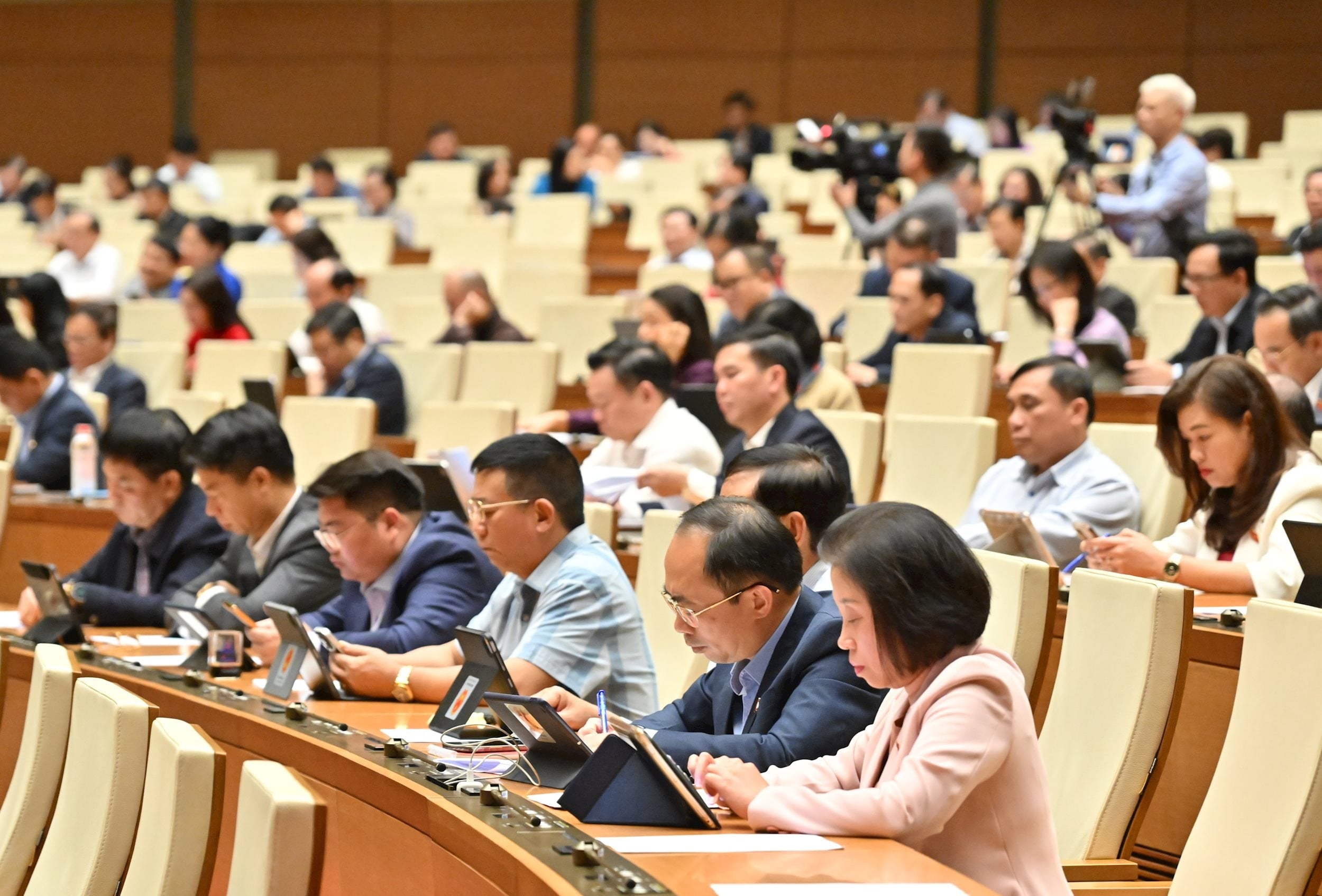
“Review and supplement criteria in the principles and basis for flexible adjustment of planning and plans for power supply network development. For example, criteria to ensure overall planning and harmonization with other plans, ensuring impacts on system safety, environment, society, regional supply and demand balance as well as ensuring the ability to release capacity”, delegate Trieu Thi Ngoc Diem emphasized.
Opening up opportunities to form a domestic module manufacturing industry
National Assembly Delegate Trinh Thi Tu Anh (Lam Dong) agreed with the regulation in Article 10, encouraging state-owned and private enterprises to participate in research and investment in the development of small module nuclear power.
The delegate analyzed that the small-module nuclear power sector requires large resources, high technology, and a long-term supply chain. If we only rely on the state budget, we cannot create a modern nuclear industrial ecosystem. Mobilizing state-owned enterprises and private enterprises will help diversify resources, share risks, and promote innovation.
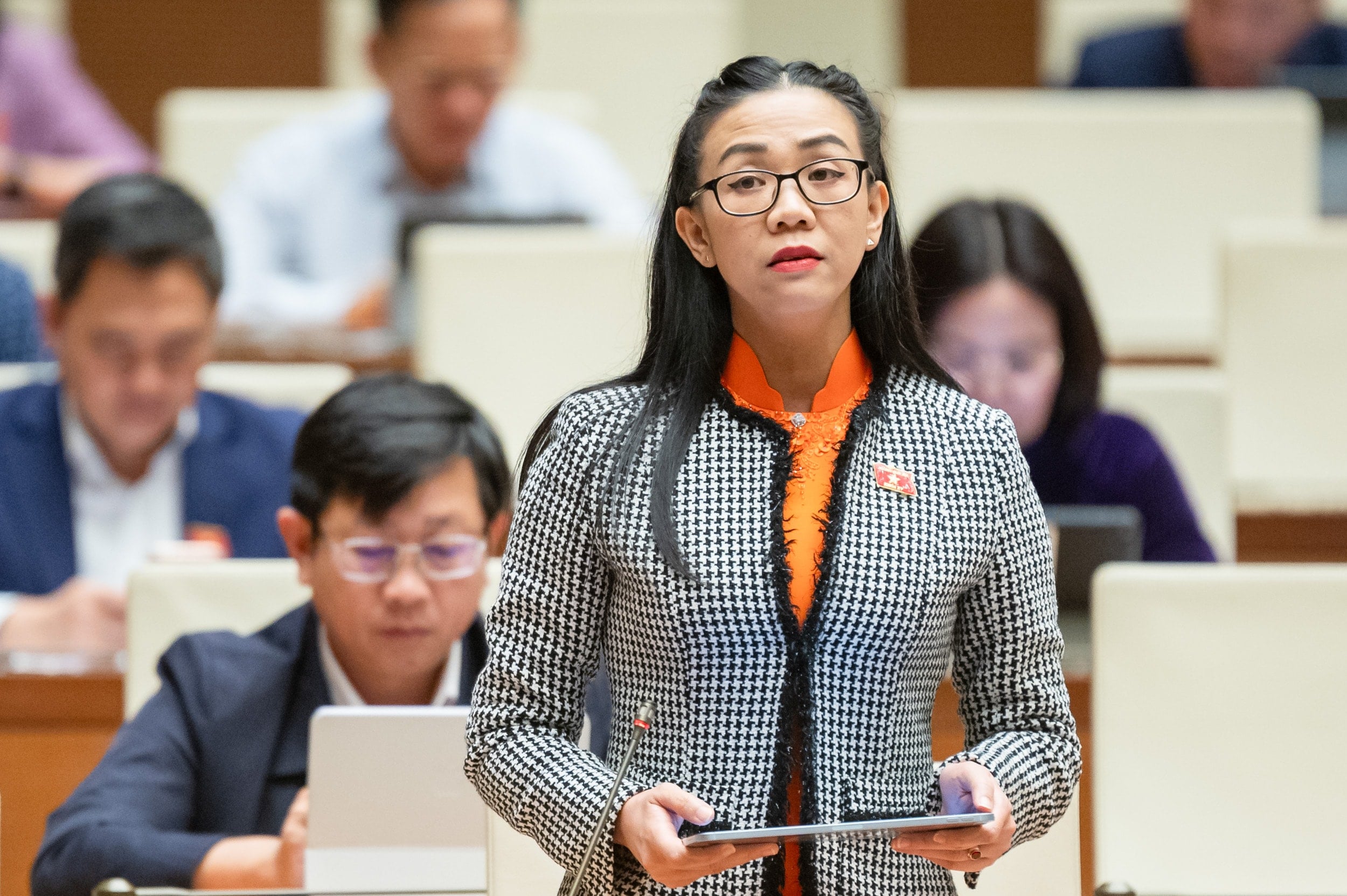
Many countries have also proven that the public-private model is highly effective. Private enterprises have the motivation to invest and access technology quickly, while state-owned enterprises play a leading role, ensuring security, safety and strategic direction. This combination helps shorten the time for research, testing and project implementation.
“Encouraging businesses to research and invest in small nuclear modules also means opening up opportunities to form a domestic module manufacturing industry, creating high-quality jobs and raising the position of Vietnamese science and technology in the global nuclear value chain,” the delegate stated.
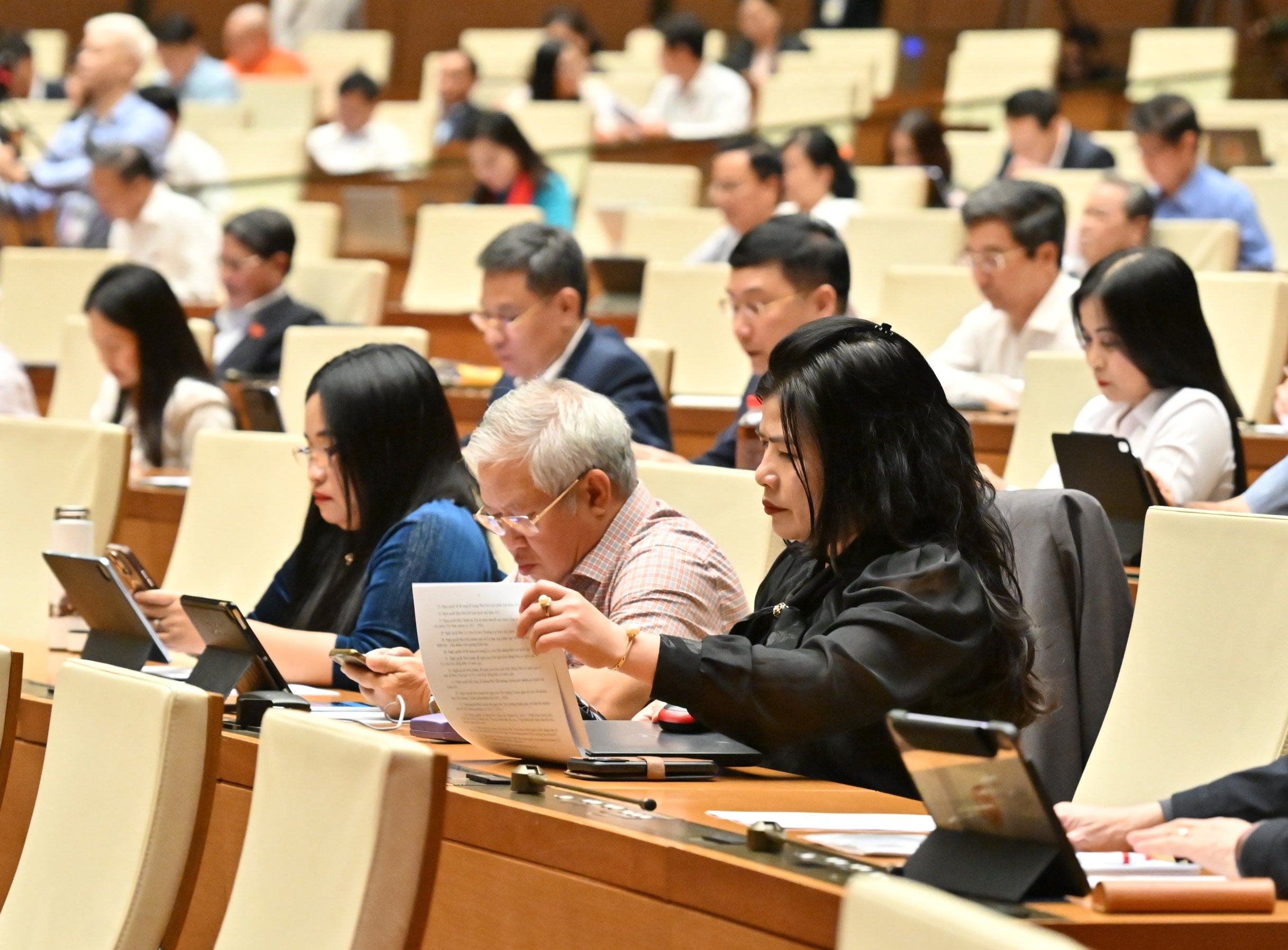
However, delegates suggested that the development of small-scale nuclear power must be accompanied by conditions of safety, responsibility and transparency. Nuclear power always requires the highest standards of safety, security and risk management. Encouraging business participation does not mean complete openness, but must be based on three pillars.
Firstly, it is necessary to build a separate legal framework for small module nuclear power including design licensing, technology appraisal, operational supervision and radioactive waste control.
Second, require clear financial capacity, technological capacity and environmental responsibility for participating enterprises, ensuring that the State plays the ultimate control role.
Third, implementation should be cautious and have a roadmap starting from research projects, testing, demonstration, careful assessment of social and environmental impacts, and transparent public consultation. Encouragement is not “laxity”, but creating a corridor for truly capable entities to develop new technologies while the State plays the role of supreme regulator and supervisor.
The delegate emphasized that energy is the lifeblood of the economy. In the context of the approaching NetZero commitment by 2050 and the increasing demand for electricity, we need "bold but scientific pushes". And small module nuclear power is an opportunity for Vietnam to both ensure energy security and gradually master high technology.
Delegate Trinh Thi Tu Anh affirmed that empowering the private sector to participate in this field demonstrates the National Assembly's trust in the capacity of Vietnamese enterprises, while also affirming the determination to diversify energy sources and reduce dependence on fossil fuels.
Source: https://daibieunhandan.vn/phat-trien-dien-hat-nhan-module-nho-phai-di-kem-voi-dieu-kien-an-toan-10399675.html


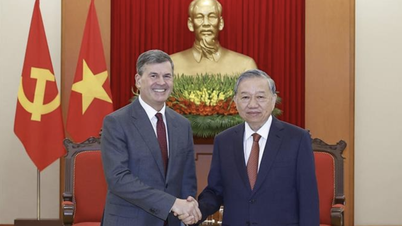
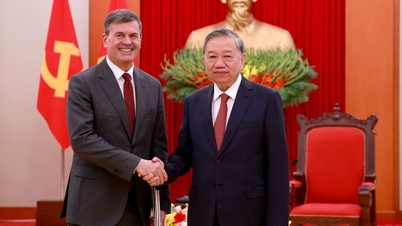
![[Photo] General Secretary To Lam receives the Director of the Academy of Public Administration and National Economy under the President of the Russian Federation](/_next/image?url=https%3A%2F%2Fvphoto.vietnam.vn%2Fthumb%2F1200x675%2Fvietnam%2Fresource%2FIMAGE%2F2025%2F12%2F08%2F1765200203892_a1-bnd-0933-4198-jpg.webp&w=3840&q=75)










































































Comment (0)