

Tighten discipline and order
The new regulations issued by the People's Committee of Phu Tho province include 5 chapters and 17 articles, clearly stipulating the purpose and principles of implementing office culture; uniforms of cadres, civil servants and public employees; working spirit and attitude; standards of conduct, ethics and lifestyle; and office layout at agencies and units in the area.
Building and implementing office culture aims to form a standard, professional, responsible, dynamic, transparent and effective working style and manner in performing tasks and office activities; to achieve the goal of building a team of cadres, civil servants, public employees and workers with good moral qualities, dedication, honesty, and good completion of assigned tasks, meeting the requirements of serving the people and society.
Building a civilized, modern, polite working environment, ensuring the solemnity and efficiency of state agencies. At the same time, linking the implementation of office culture with the administrative reform program, digital transformation, building digital government; promoting the application of information technology, improving efficiency and transparency in public service activities.
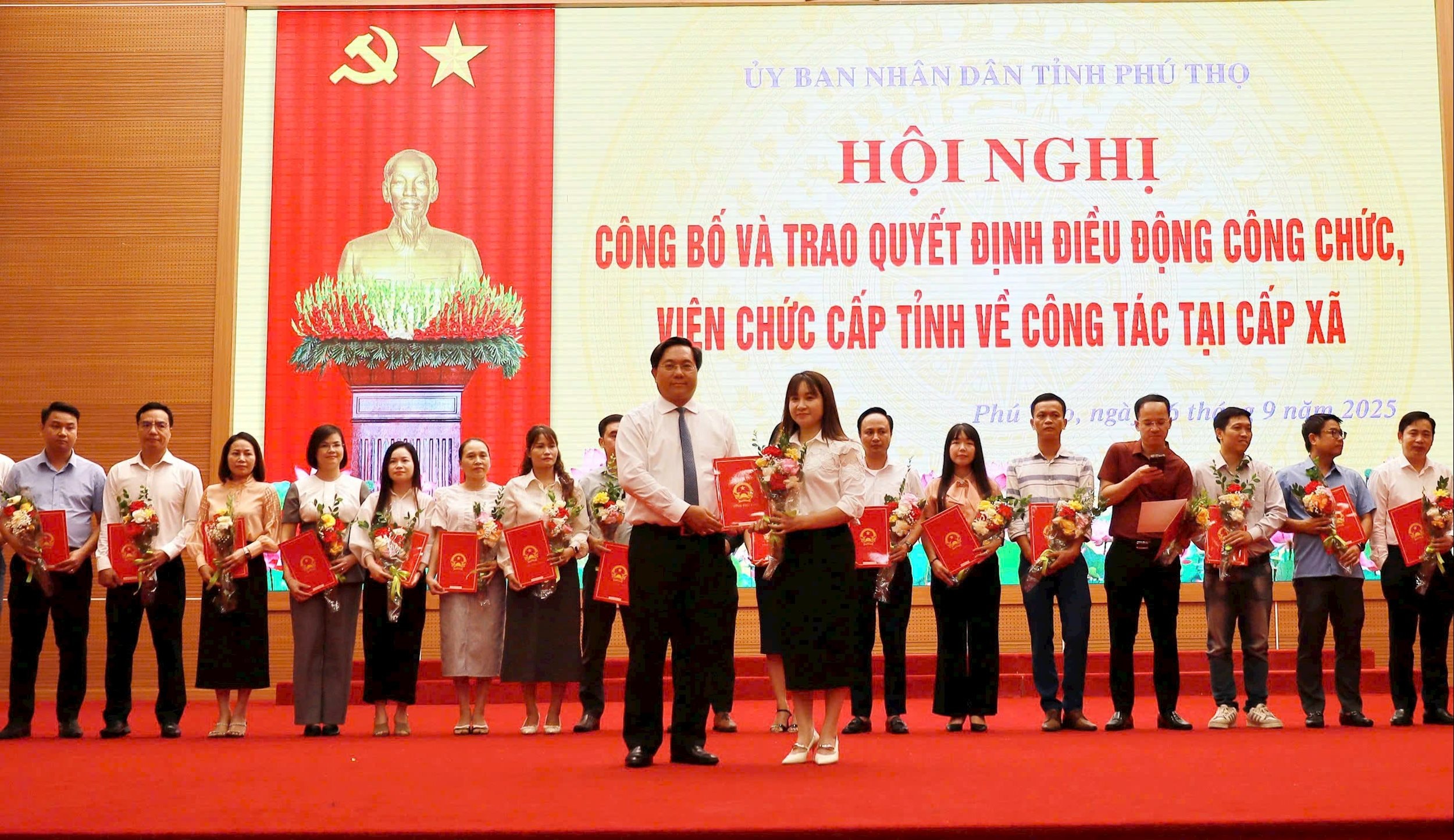
In order for the Regulations to be put into practice and create positive changes, heads of agencies and organizations need to be exemplary in implementing office culture; thereby gathering and spreading emulation movements within the unit; in accordance with traditions, national cultural identity and local socio-economic conditions. In addition, in accordance with the orientation of building a team of cadres, civil servants, public employees and workers at all levels in a professional and modern direction, it is an important factor in building a clean and strong political system.
Specifically, in terms of working spirit and attitude: Cadres, civil servants, public employees and workers (hereinafter referred to as cadres) must be loyal to the Socialist Republic of Vietnam; protect the Fatherland and national interests; respect and wholeheartedly serve the people. When performing tasks, cadres must be clearly aware of their responsibilities and duties; must comply with working hours. Encourage cadres to proactively apply information technology, management software, and online public services in handling work to reduce paperwork and improve work efficiency.
Regarding ethical standards and lifestyle, cadres must always continuously study to improve their professional and technical skills; cultivate and practice ethics and lifestyle; absolutely must not participate in social evils, not be corrupt; must not use alcoholic beverages during working hours and lunch breaks during working days; must not drive vehicles participating in traffic after using alcohol, beer, or alcoholic beverages; smoking must be in designated places.
Officials must comply with speech discipline, strictly comply with the Law on Cyber Security; strictly implement the code of conduct on social networks. Must comply with and preserve family and social ethical standards, good customs and traditions of the nation; not be superstitious and have offensive behaviors when participating in festivals. Officials, civil servants, public employees and workers in the agency commit to, compete with, and launch movements to build and implement office culture to create a spread, joyful, healthy and solemn atmosphere.
Standards of dress and behavior
The regulations of the People's Committee of Phu Tho province also emphasize the attitude of service and openness. Specifically, when communicating with people, officials must respect, listen, wholeheartedly guide the work process and thoroughly explain people's questions. Officials must practice "4 pleases, 4 alwayss": Hello, sorry, thank you, ask permission; always smile, always be gentle, always listen, always help.
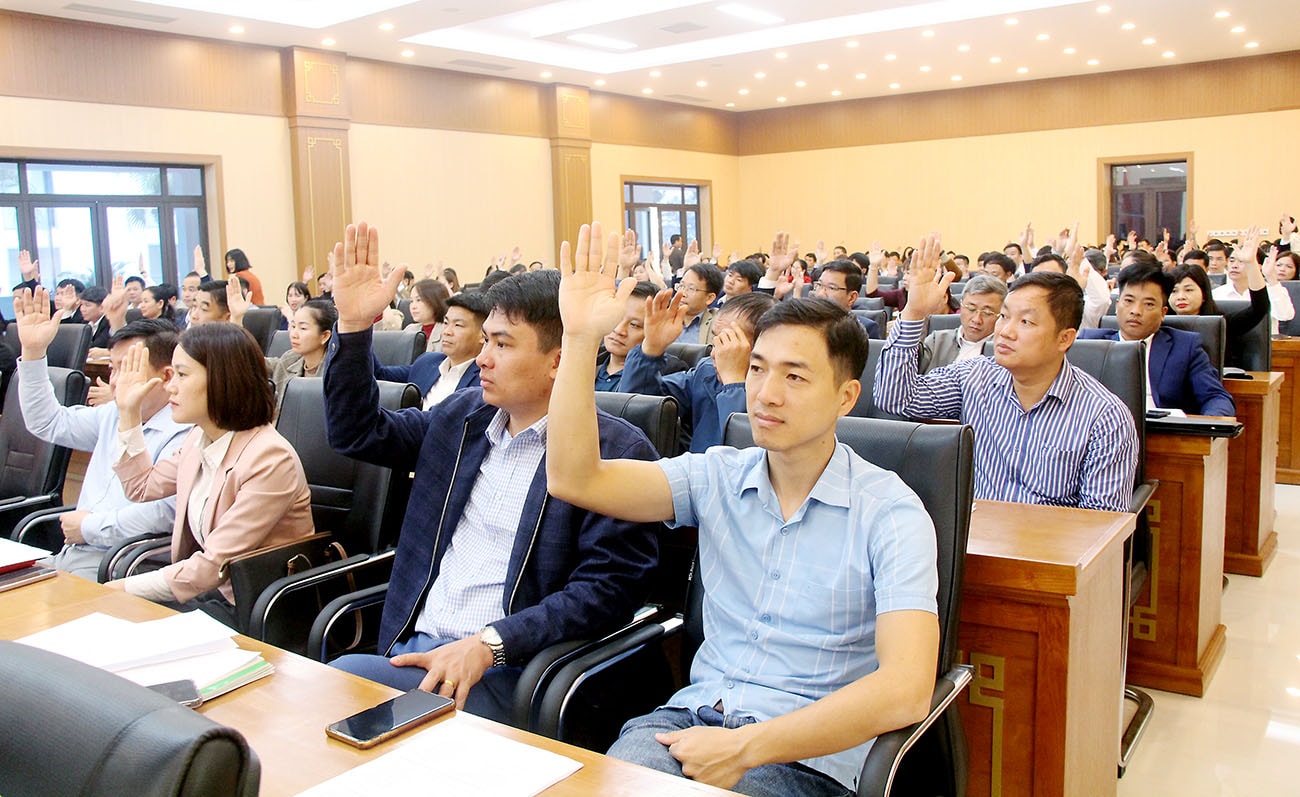
In communicating with superiors, cadres must comply with administrative hierarchy, obey the direction, management, and assignment of work from superiors; not avoid or shirk tasks; not flatter for impure motives; respect and strictly implement the work reporting regime with superiors.
When communicating with colleagues, cadres must have a respectful attitude, a spirit of cooperation and mutual assistance in performing their duties; protect the honor and reputation of colleagues; not create cliques, causing internal disunity; build healthy, transparent, reasonable and emotional colleague relationships; not reflect false information about colleagues in order to defame their honor and reputation. Cadres holding leadership and management positions must not be willful, imposing, or conservative; must respect and listen to the opinions of subordinates, and be exemplary in communication and behavior.
When communicating by phone, officials must state their name, position, and workplace; communicate briefly, focusing on the content of the work; adjust the volume of their voice to be loud enough to be heard. At the same time, turn off mobile phones during meetings and conferences; if necessary, the use of mobile phones must ensure that it does not affect the meeting or conference.
The regulations also specifically stipulate the dress code at work, cadres must wear neat, polite clothes, suitable for the administrative environment; suitable for the specific dress code of the industry, ensuring the fine customs of the nation. Cadres at agencies and units are not allowed to wear jeans, collarless T-shirts, short skirts above the knee or with high slits, dresses without collars. In addition, cadres are encouraged to wear suits, ties, traditional ao dai; in particular, the reception department and one-stop area can use a uniform to create a professional and formal image when working with people. Regarding footwear, cadres must wear shoes or sandals with straps to ensure seriousness and politeness.
With this new Regulation, Phu Tho province is a pioneer in tightening and building the image of office culture, behavior style, standard working manners, professionalism, responsibility, dynamism, transparency, and efficiency in performing tasks. When the image and good impression of officials, of the office are solemn and friendly in the direction of serving the people; combined with promoting the application of information technology, digital transformation, digitization, building digital government..., promising positive changes, will be factors promoting the 2-level local government to operate professionally and effectively, making the homeland of the Ancestors develop more and more richly, becoming a destination for tourists and investors.
Source: https://daibieunhandan.vn/phu-tho-ban-hanh-quy-che-van-hoa-cong-so-tai-cac-co-quan-don-vi-10399679.html
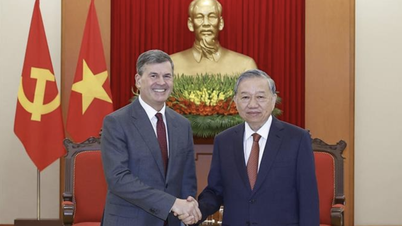
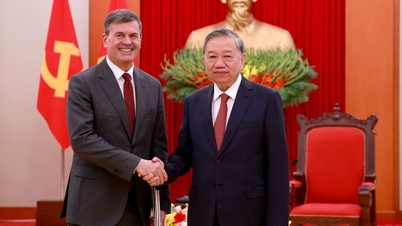
![[Photo] General Secretary To Lam receives the Director of the Academy of Public Administration and National Economy under the President of the Russian Federation](/_next/image?url=https%3A%2F%2Fvphoto.vietnam.vn%2Fthumb%2F1200x675%2Fvietnam%2Fresource%2FIMAGE%2F2025%2F12%2F08%2F1765200203892_a1-bnd-0933-4198-jpg.webp&w=3840&q=75)


































































Comment (0)