

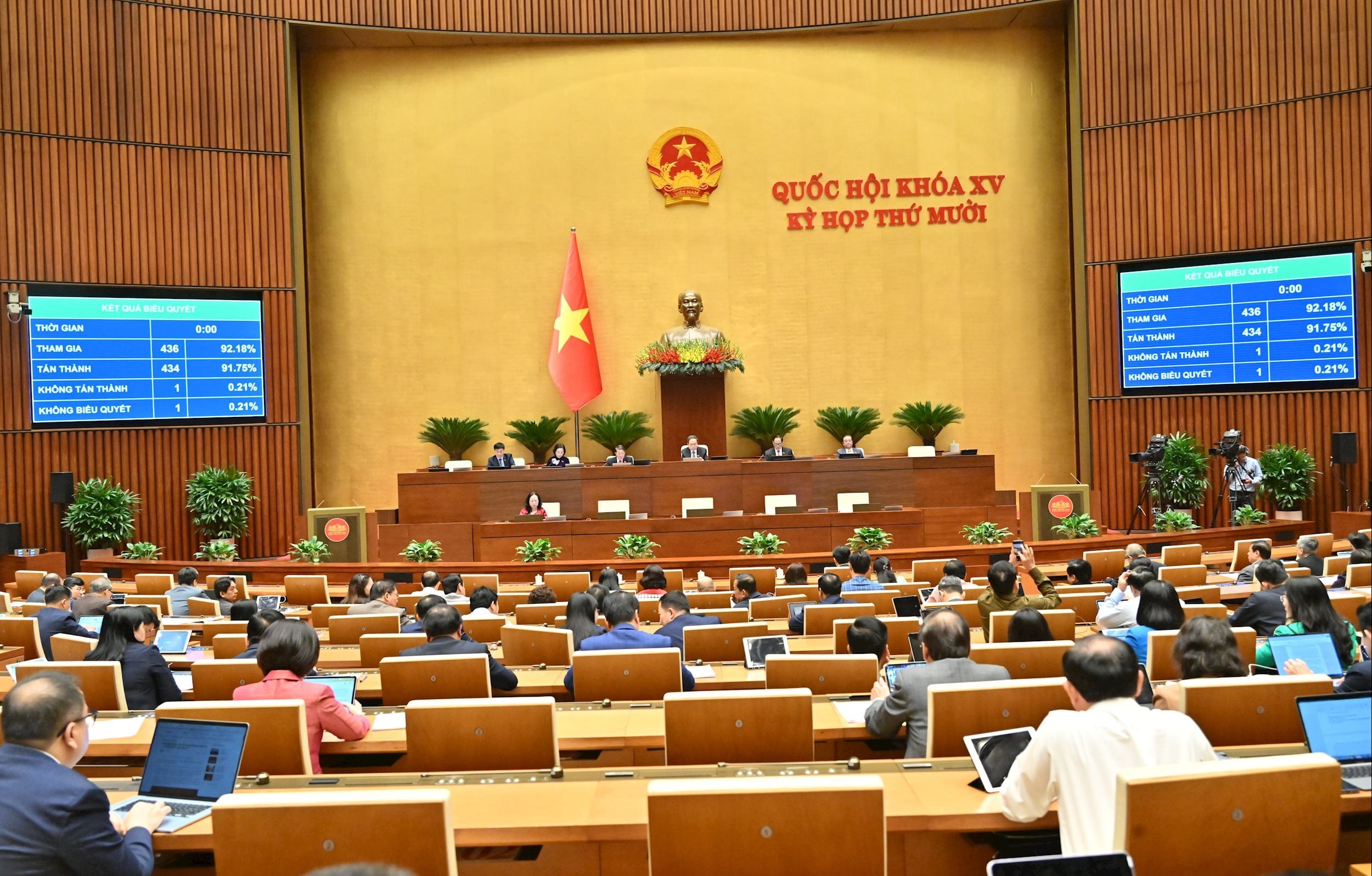
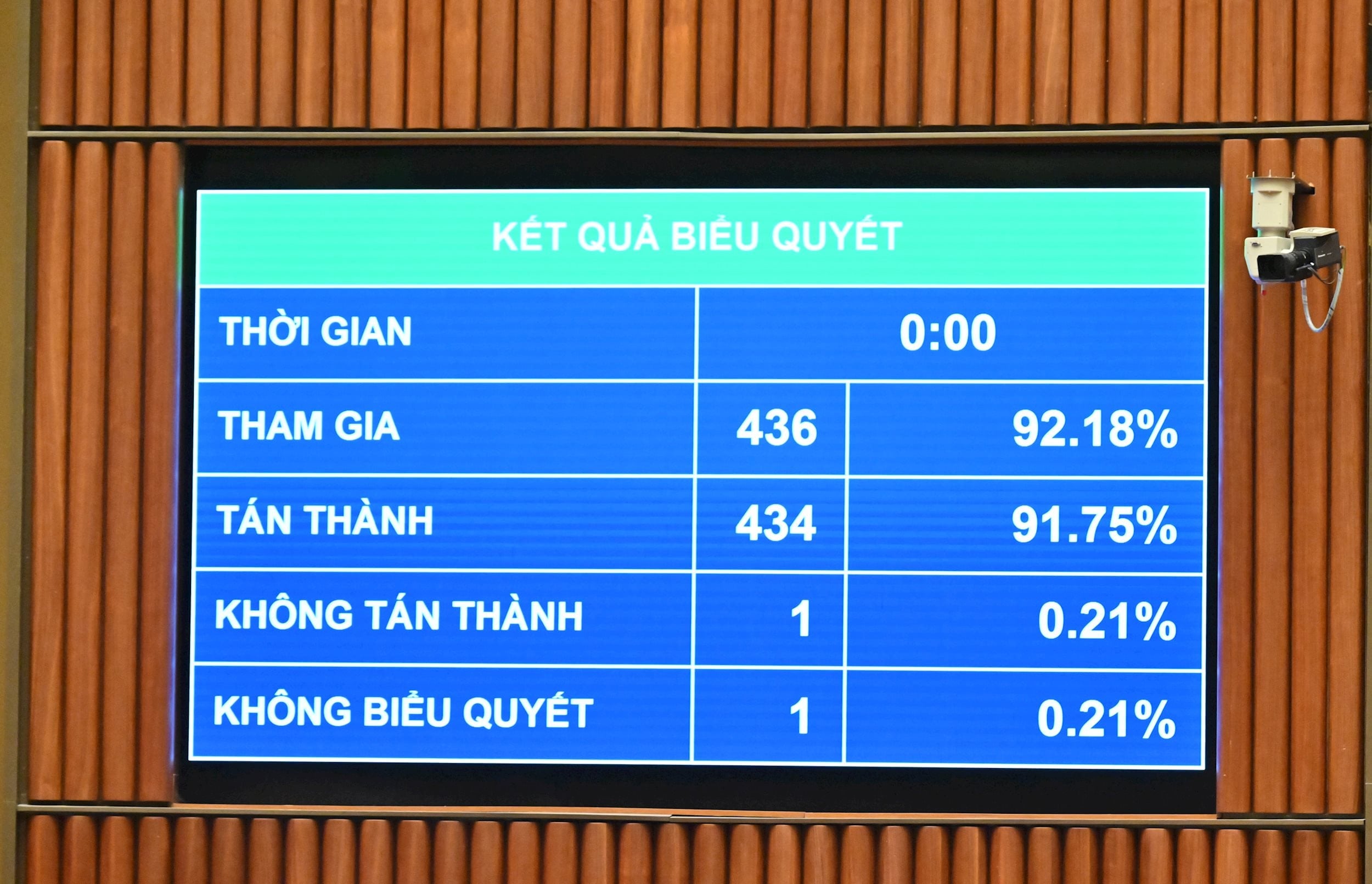
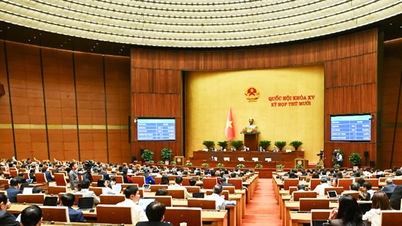
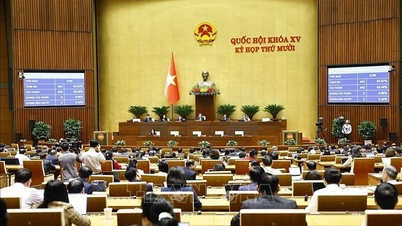
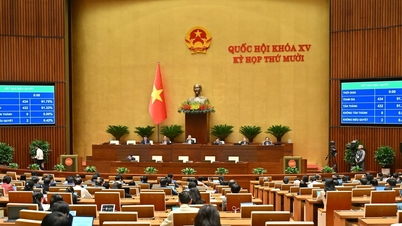
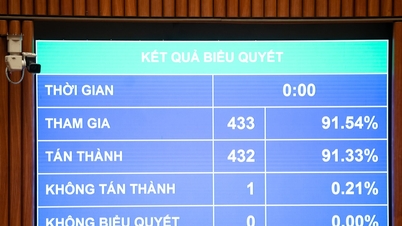
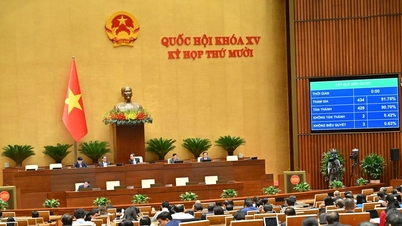
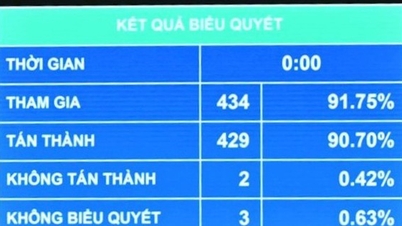
The Law on Protection of State Secrets (amended) consists of 5 chapters and 28 articles, and will come into effect on March 1, 2026.
According to the Law, state secrets are important information determined by competent authorities as stipulated in this Law, which has not been made public, and whose disclosure or loss could endanger national interests. State secrets are contained in documents (including paper and electronic documents), objects, locations, spoken words, activities, or other forms.
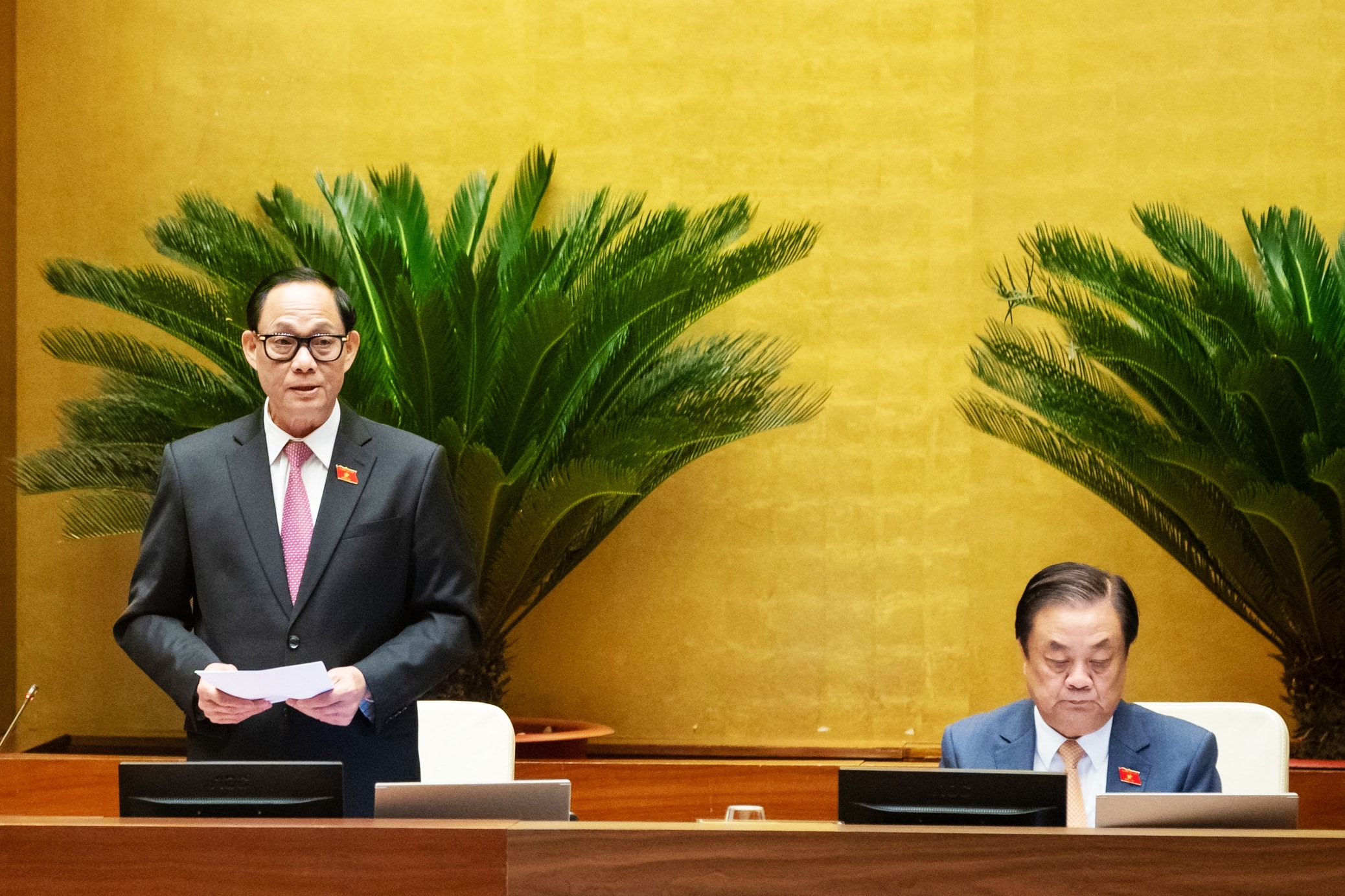
The government has unified state management over the protection of state secrets.
The Ministry of Public Security is responsible to the Government for the state management of state secret protection and has the following duties and powers: to develop and propose policies, plans, and strategies for protecting state secrets; to lead the development and submission to competent authorities for promulgation, or to promulgate within its authority, legal documents on the protection of state secrets; to guide the implementation of state secret protection work; to organize professional training and knowledge enhancement in the protection of state secrets; to prevent and combat violations of laws on the protection of state secrets; to inspect, investigate, resolve complaints and denunciations, and handle violations of laws on the protection of state secrets; and to carry out international cooperation on the protection of state secrets as assigned by the Government.
Those responsible for compiling the list of state secrets include: Ministers and heads of ministerial-level agencies who compile the list of state secrets for their respective sectors and fields of management; the Chief of the Central Party Office who compiles the list of state secrets of the Party; the Chairman of the Central Committee of the Vietnam Fatherland Front who compiles the list of state secrets of the Vietnam Fatherland Front and other political and social organizations; the Secretary General of the National Assembly - Head of the National Assembly Office who compiles the list of state secrets of the National Assembly, its agencies, the Secretary General of the National Assembly, the National Assembly Office, and the National Assembly delegations; the Head of the Office of the President who compiles the list of state secrets of the President and the Office of the President; the Chief Justice of the Supreme People's Court, the Prosecutor General of the Supreme People's Procuracy, and the State Auditor General who compile the list of state secrets for their respective sectors and fields of management.
The transportation, delivery, and receipt of documents and materials containing state secrets within the country are carried out by personnel working with state secrets, couriers, or document clerks of agencies and organizations.
The transportation, delivery, and receipt of documents and materials containing state secrets between domestic agencies and organizations and Vietnamese agencies and organizations abroad, or between Vietnamese agencies and organizations abroad, shall be carried out by diplomatic couriers or assigned personnel.
The transportation, delivery, and receipt of documents and materials containing state secrets must be carried out according to the principles of confidentiality and sealing.
The law stipulates that the period for protecting state secrets is the time calculated from the date the level of secrecy of the state secret is determined until the end of the following periods: 30 years for state secrets classified as Top Secret; 20 years for state secrets classified as Secret; and 10 years for state secrets classified as Confidential.
The period for protecting state secrets may be shorter than the prescribed period and must be clearly indicated on the document or material containing the state secret by marking it with "Period of State Secret Protection" or other appropriate form when determining the level of secrecy.
State secrets, upon the expiration of their protection period, may have their protection extended if declassification could endanger national interests.
Source: https://daibieunhandan.vn/quoc-hoi-thong-qua-luat-bao-ve-bi-mat-nha-nuoc-sua-doi-10399901.html


![[Photo] Explore the US Navy's USS Robert Smalls warship](/_next/image?url=https%3A%2F%2Fvphoto.vietnam.vn%2Fthumb%2F1200x675%2Fvietnam%2Fresource%2FIMAGE%2F2025%2F12%2F10%2F1765341533272_11212121-8303-jpg.webp&w=3840&q=75)


![[Photo] The captivating scenery of the fragrant maple forest in Quang Tri](/_next/image?url=https%3A%2F%2Fvphoto.vietnam.vn%2Fthumb%2F1200x675%2Fvietnam%2Fresource%2FIMAGE%2F2025%2F12%2F10%2F1765353233198_lan09046-jpg.webp&w=3840&q=75)























![[Video] The craft of making Dong Ho folk paintings has been inscribed by UNESCO on the List of Crafts in Need of Urgent Safeguarding.](https://vphoto.vietnam.vn/thumb/402x226/vietnam/resource/IMAGE/2025/12/10/1765350246533_tranh-dong-ho-734-jpg.webp)


























































Comment (0)