

Durian, bananas, jackfruit, mangoes, and dragon fruit all have violations.
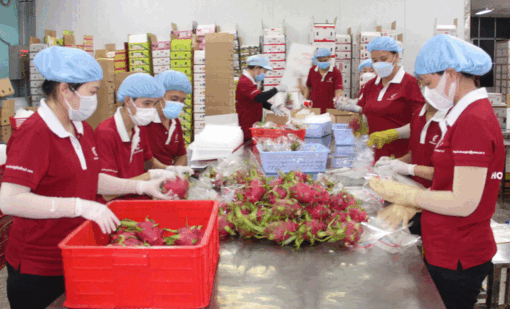
According to the Plant Protection Department (Ministry of Agriculture and Rural Development), the General Administration of Customs of China updates monthly notifications of violations (if any) concerning Vietnamese agricultural products. Notably, there has been an unusual increase in plant quarantine violations for fruit products recently. The most frequent violations involve the detection of pests on many types of fruit exported in large quantities to the Chinese market, such as jackfruit, dragon fruit, bananas, and mangoes. Durian violations are less common. For these shipments, although not returned, the Chinese side requires cleaning and removal of harmful microorganisms, resulting in increased costs for businesses, delays in customs clearance, and damage to the reputation of Vietnamese fruit.
Mr. Dang Phuc Nguyen, General Secretary of the Vietnam Fruit and Vegetable Association
Speaking to Thanh Nien newspaper, Mr. Nguyen Quy Duong, Deputy Director of the Plant Protection Department, said that the largest volume of fruit exported to China comes from the Southern and Central Highlands regions of Vietnam. Notifications from China always include violation codes, which the Plant Protection Department can trace back to each locality. "Through tracing, almost every of the 19 provinces and cities in the Southern and Central Highlands regions has violation codes. The pest detected on many fruit products is mealybugs, and this species is found on various fruits such as dragon fruit, bananas, mangoes, durian, and jackfruit," Mr. Duong said.
Mr. Dang Phuc Nguyen, General Secretary of the Vietnam Fruit and Vegetable Association, believes that violations of plant quarantine regulations detected in key export fruit groups pose many risks and losses when China applies stricter controls, even potentially suspending imports. Not only are violations of plant quarantine regulations a concern, but controlling the quality of fruit exported to China, specifically durian, is also a serious issue that cannot be ignored.
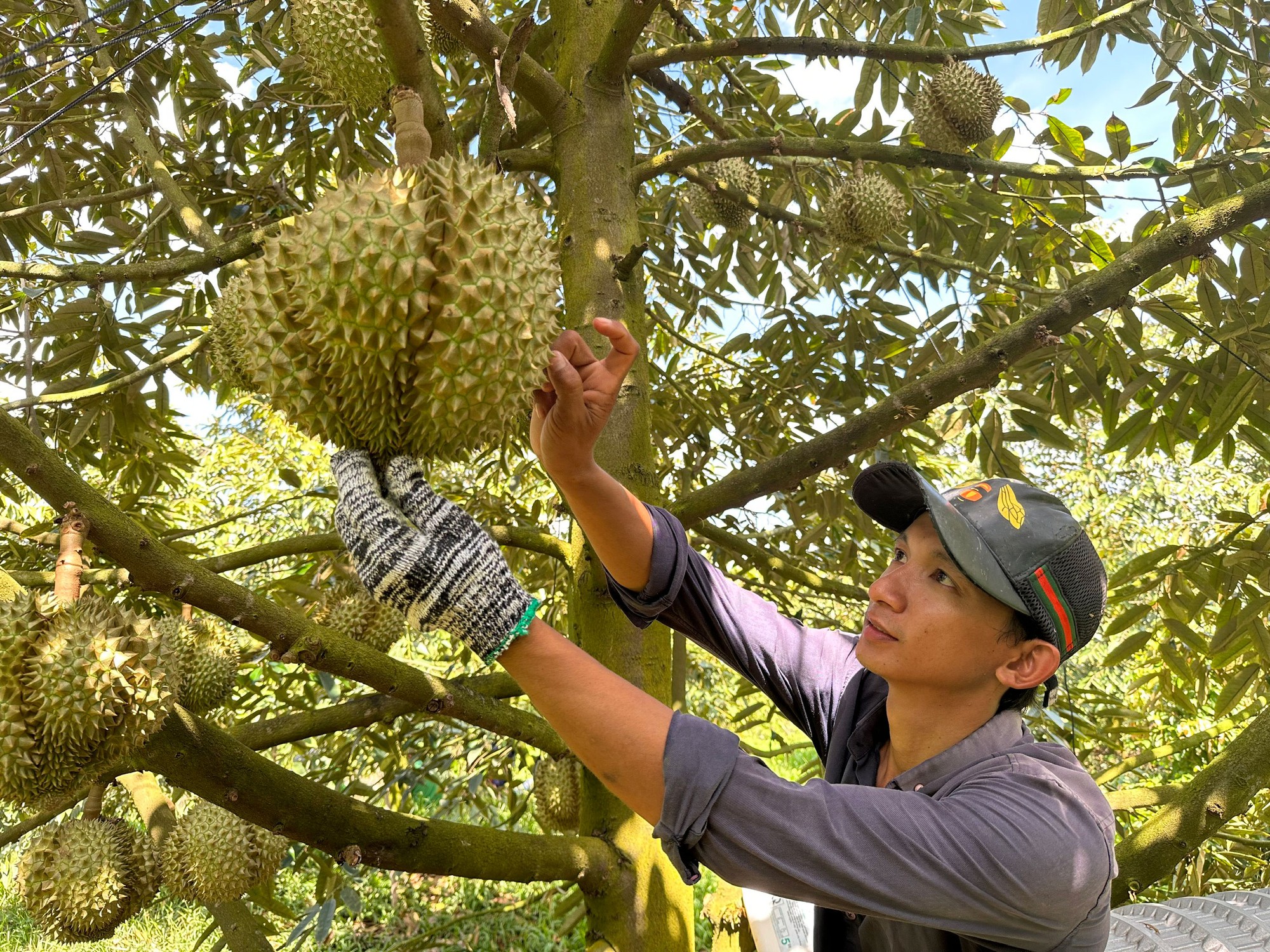
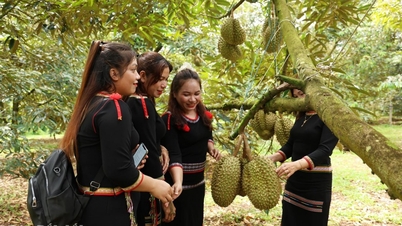
In the first six months of the year, durian exports to China reached $835 million, accounting for 95% of the total export value of this fruit. However, recently, the Vietnam Fruit and Vegetable Association has received feedback indicating that Vietnamese businesses are constantly being criticized by Chinese partners for durian with tough, bland, or even unripe flesh due to being harvested prematurely. Even within the same container, the quality of durian is inconsistent, forcing businesses to lower prices for processing instead of incurring additional costs to bring the goods back to China.
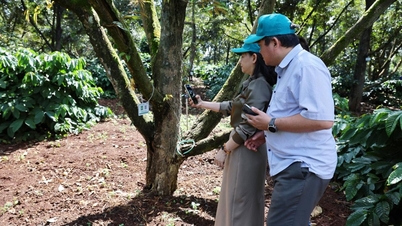
Local authorities and businesses need to strictly control pests and ensure the quality of fruit exported to China.
Just talking won't get you anywhere!
Speaking to Thanh Nien newspaper , Ms. Tran Thi N., a representative of a fruit export company in Long An province, said that the situation of many shipments being flagged for pest infestation and having inconsistent quality indicates a lax control process, as this problem did not occur before. In reality, if businesses and farmers strictly adhere to pest prevention procedures from before harvesting to processing and packaging, it would be very difficult for mealybugs or other harmful microorganisms to slip through. The problem in the Chinese market recently is that due to high demand, many traders have been buying up entire orchards for export, resulting in uneven quality of ripe and unripe fruit. However, businesses with fixed purchase contracts harvest the fruit in batches and allow sufficient time for harvesting, ensuring consistent quality.
Mr. Dang Phuc Nguyen emphasized that regarding the issue of prematurely harvested durian or fruit violating plant quarantine regulations, the Ministry of Agriculture and Rural Development has issued warnings and directives to local authorities to rectify the situation. However, merely raising awareness without specific sanctions makes it very difficult to thoroughly resolve the problem.
Take Thailand as an example. When their durian dominated the Chinese market, they faced similar problems to Vietnam's current situation. In recent years, especially with the competition from Vietnamese durian, Thailand has tightened its quality standards for exported durian. Beyond national standards, Thailand has implemented fines and even criminal prosecution, including imprisonment, for serious violations, to encourage farmers and businesses to maintain the reputation and brand of their durian exports to China.
"Whether the fruit is affected by pests or diseases, or when durian or fruit in general tastes best during harvest, farmers and orchard owners know best. But if they wait until the exact day to harvest and the price drops, they are forced to harvest unripe fruit and sell it early. It's difficult to say that farmers should preserve the fruit to ensure quality if there are no penalties to regulate this," Mr. Nguyen said.
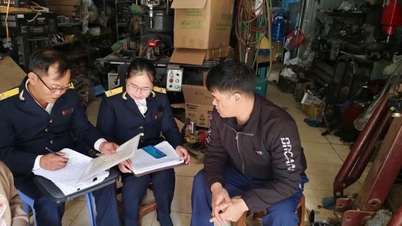
Mr. Nguyen Quy Duong stated that in the near future, action will be taken against planting areas and packaging facilities found to be in violation by domestic quarantine agencies. If quarantine inspections reveal a facility with a continuously violating code and no intention to rectify the situation, exports will be decisively suspended or temporarily halted.
According to the Plant Protection Department, the Ministry of Agriculture and Rural Development is expected to chair a conference at the end of August with representatives from provinces and cities in the Southern and Central Highlands regions to rectify and completely resolve violations of plant quarantine regulations as notified by the General Administration of Customs of China, as well as to require localities to tighten management of planting area codes, packaging facilities, and improve the quality of exported fruits.
Organizing a fruit week to expand the consumer market in China.
At a trade promotion briefing organized by the Ministry of Industry and Trade at the end of July, the representative of the Vietnamese Trade Office in Beijing emphasized that in the context of China continuing to tighten management and control of disease outbreaks and food safety, Vietnamese businesses must focus on improving product quality and strictly implementing food safety quarantine measures. In particular, the Vietnamese Trade Office in Beijing advised the Ministry of Agriculture and Rural Development, localities, and fruit and agricultural export businesses in general to closely monitor food hygiene and safety standards, management of growing areas and packaging facilities, and especially control of harmful microorganisms on products, as Chinese customs have continued to detect and warn about harmful organisms on fruit shipments from Vietnam.
Emphasizing that China is a huge import market for many of Vietnam's fruit products in which it has a competitive advantage, and that many fruits such as longan, mango, and durian are currently in harvest season... The Vietnamese Trade Office in Beijing recommends that Vietnamese businesses and the Vietnamese Fruit and Vegetable Association coordinate with localities producing many types of fruit to research and organize a Vietnamese fruit week in China, especially focusing on areas with significant export potential and consistently high consumer demand in China, such as Beijing, Tianjin, Hebei, and Shanghai...
Source link






































































Comment (0)